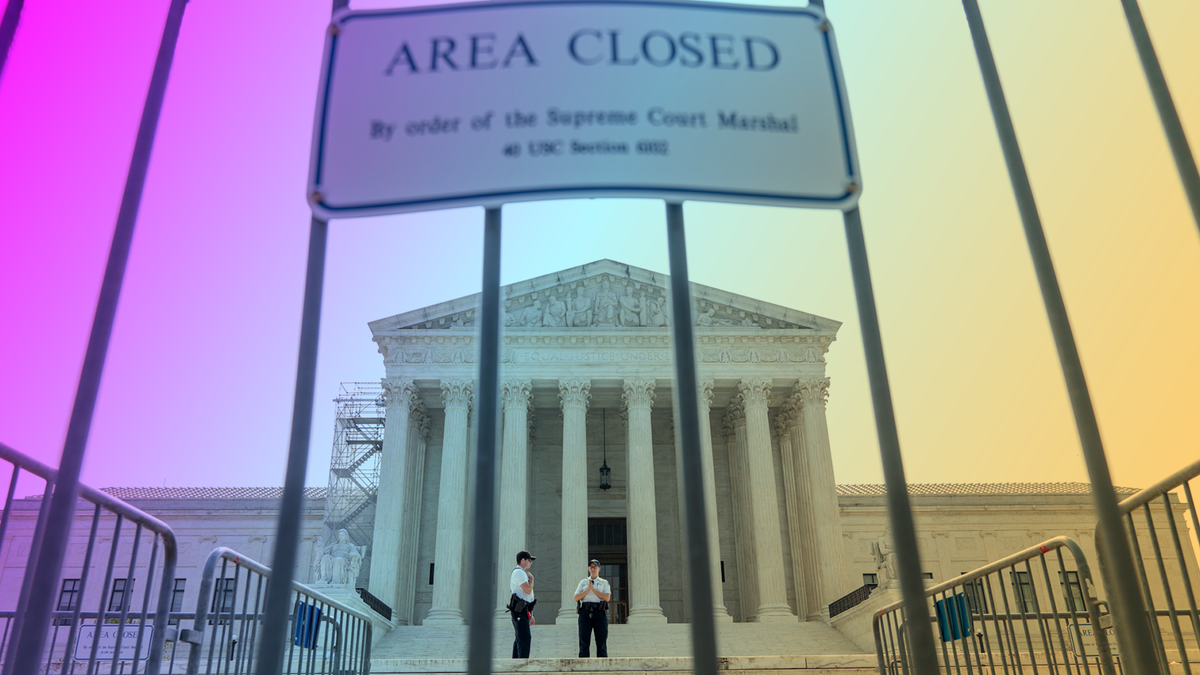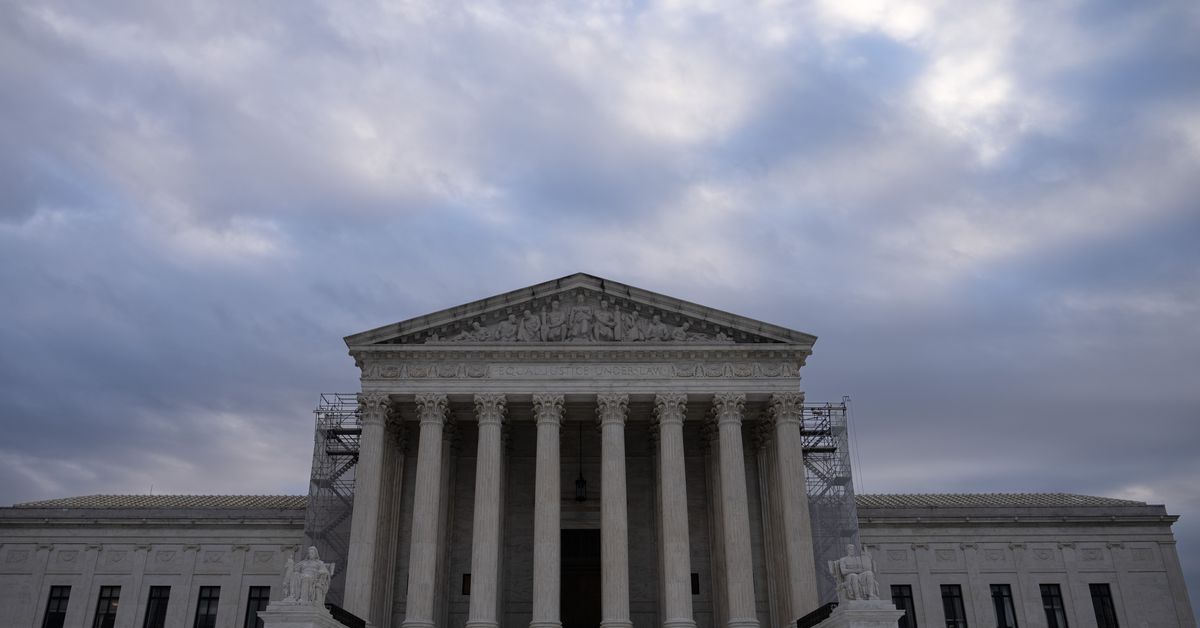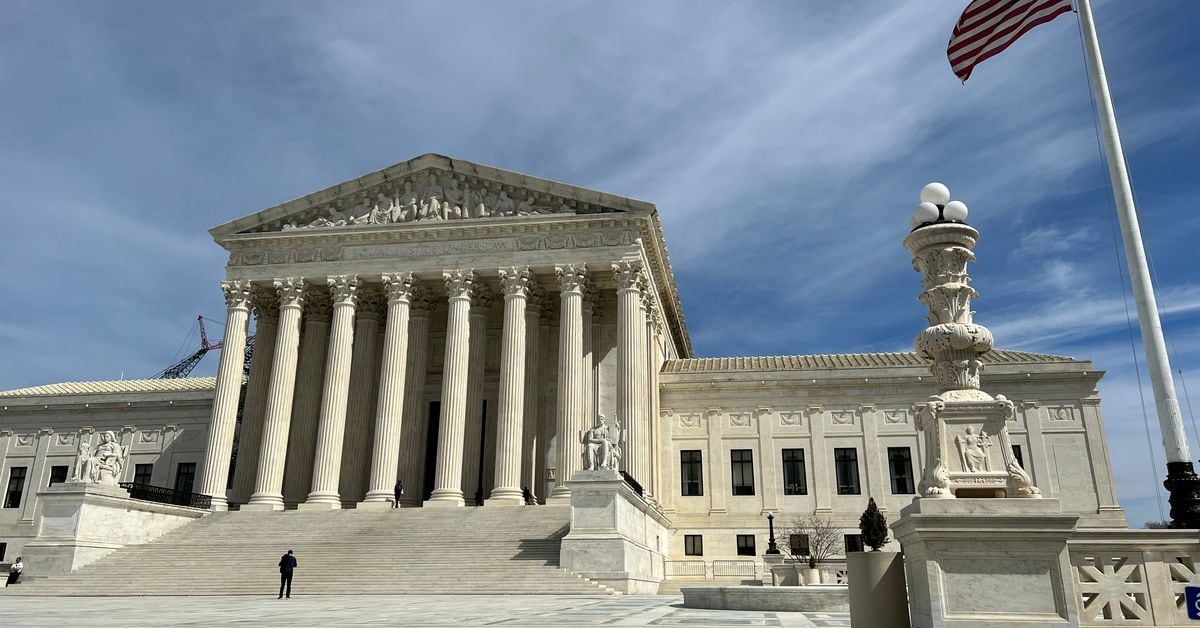
The U.S. Supreme Court ruled against Coinbase in a narrow arbitration-related case, determining that courts must decide which contract applies when there are conflicting arbitration and forum selection clauses. This decision, while not directly impacting the cryptocurrency sector, highlights the importance of arbitration issues in the tech industry. Coinbase's mixed record at the Supreme Court continues, with the company expressing gratitude for the opportunity to present its case.
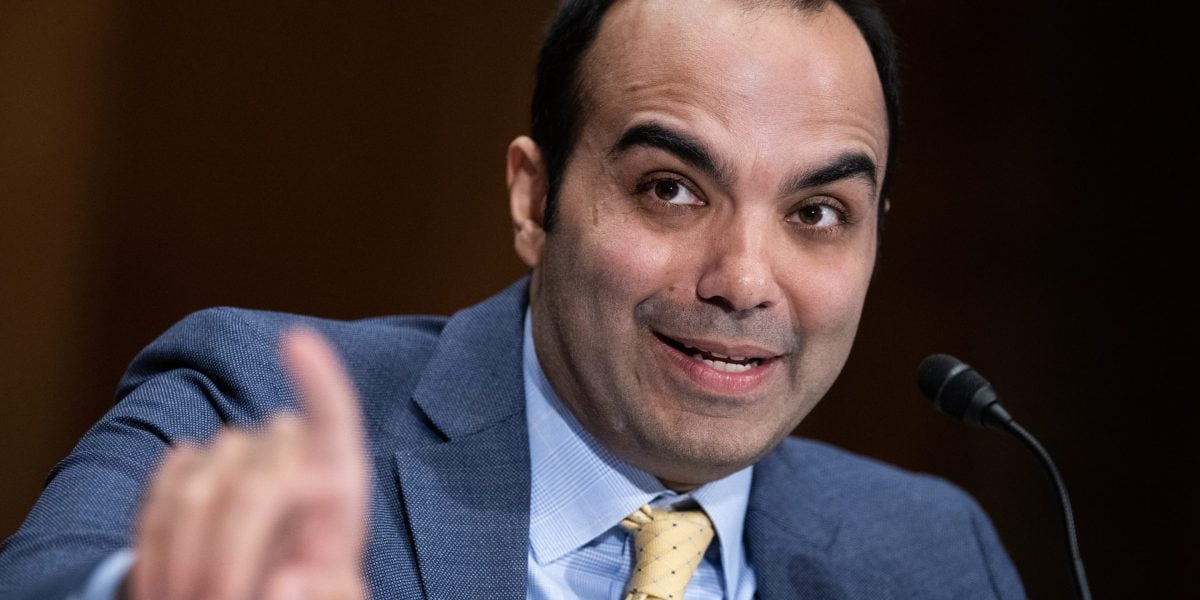
A Texas federal judge criticized major banking industry groups and the U.S. Chamber of Commerce for choosing Texas as the venue to challenge the Consumer Financial Protection Bureau's regulations on credit card late fees, ruling that the lawsuit should be transferred to Washington. The judge accused the industry of "venue shopping" and emphasized that the choice of venue should not be at the plaintiff's whim. The lawsuit concerns the CFPB's new regulations capping credit card late fees, with the banking industry seeking to block the rule due to potential revenue losses.
The Supreme Court is considering a case involving the NRA's claim that New York regulators coerced insurers to stop doing business with the gun advocacy group. The regulators argue that the insurers admitted to unlawful practices, while the NRA contends that the regulators pressured the insurers. Justices expressed concerns about government coercion and the potential impact on free speech, with the case potentially setting a precedent for how much government officials can say about businesses they regulate without crossing the line of coercion.
The U.S. Supreme Court is set to hear a case that could potentially dismantle safeguards for federal regulations governing Americans' daily lives. Backed by big business and conservative groups, the plaintiffs seek to overturn a statute of limitations protecting federal rules from legal challenges after six years. If successful, this could lead to widespread attacks on federal regulations across various sectors, posing a significant threat to public health, safety, the economy, and the environment.
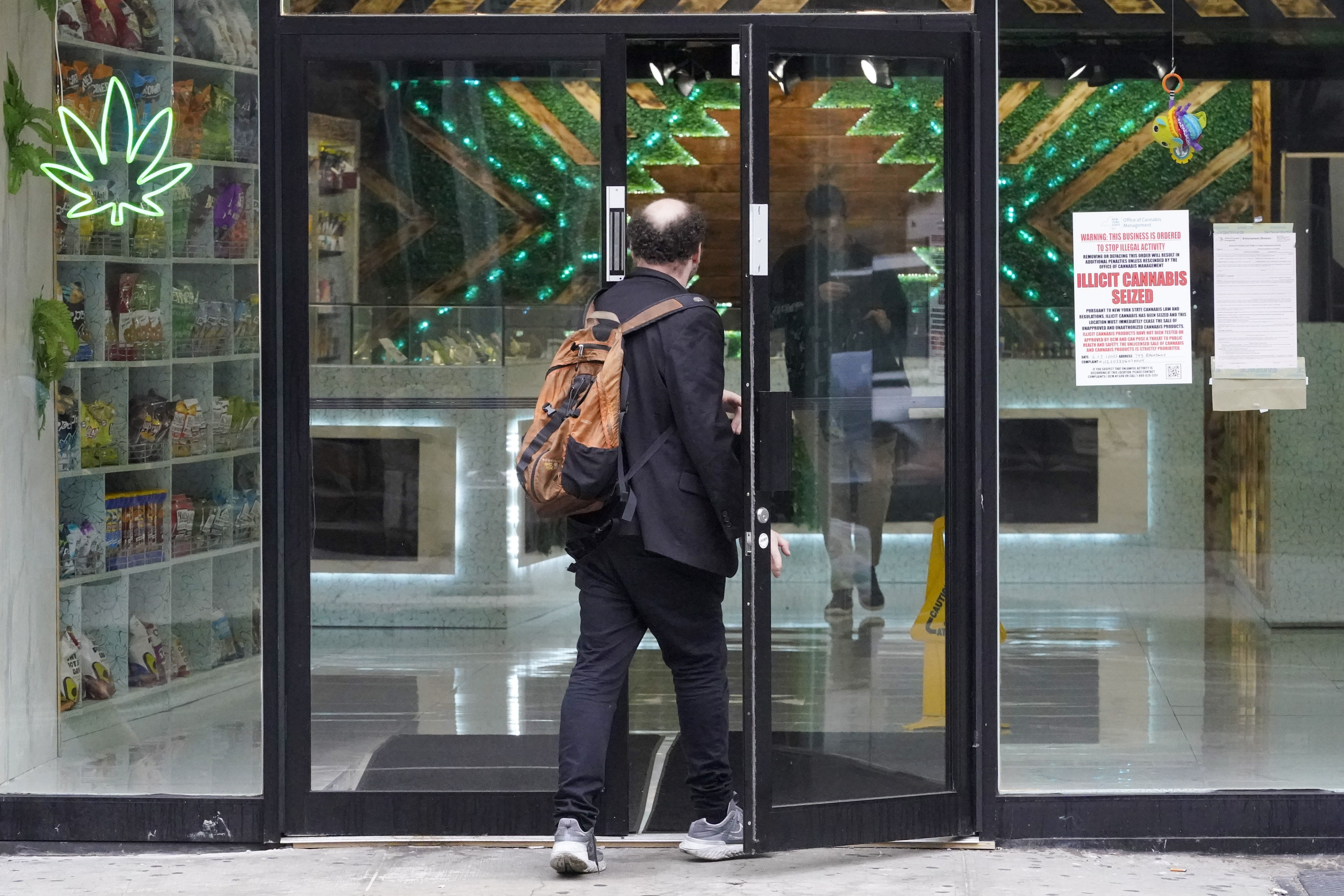
A federal judge rejected an attempt to stop New York's cannabis licensing process, allowing the troubled rollout of the state's recreational weed market to continue despite legal challenges. The lawsuit argued that the licensing rules unfairly discriminate against out-of-state residents, but the judge concluded that halting the process would cause more harm to the state's adult-use cannabis industry. New York still faces additional legal hurdles as it grapples with illicit storefronts and a slow rollout of licensed dispensaries.
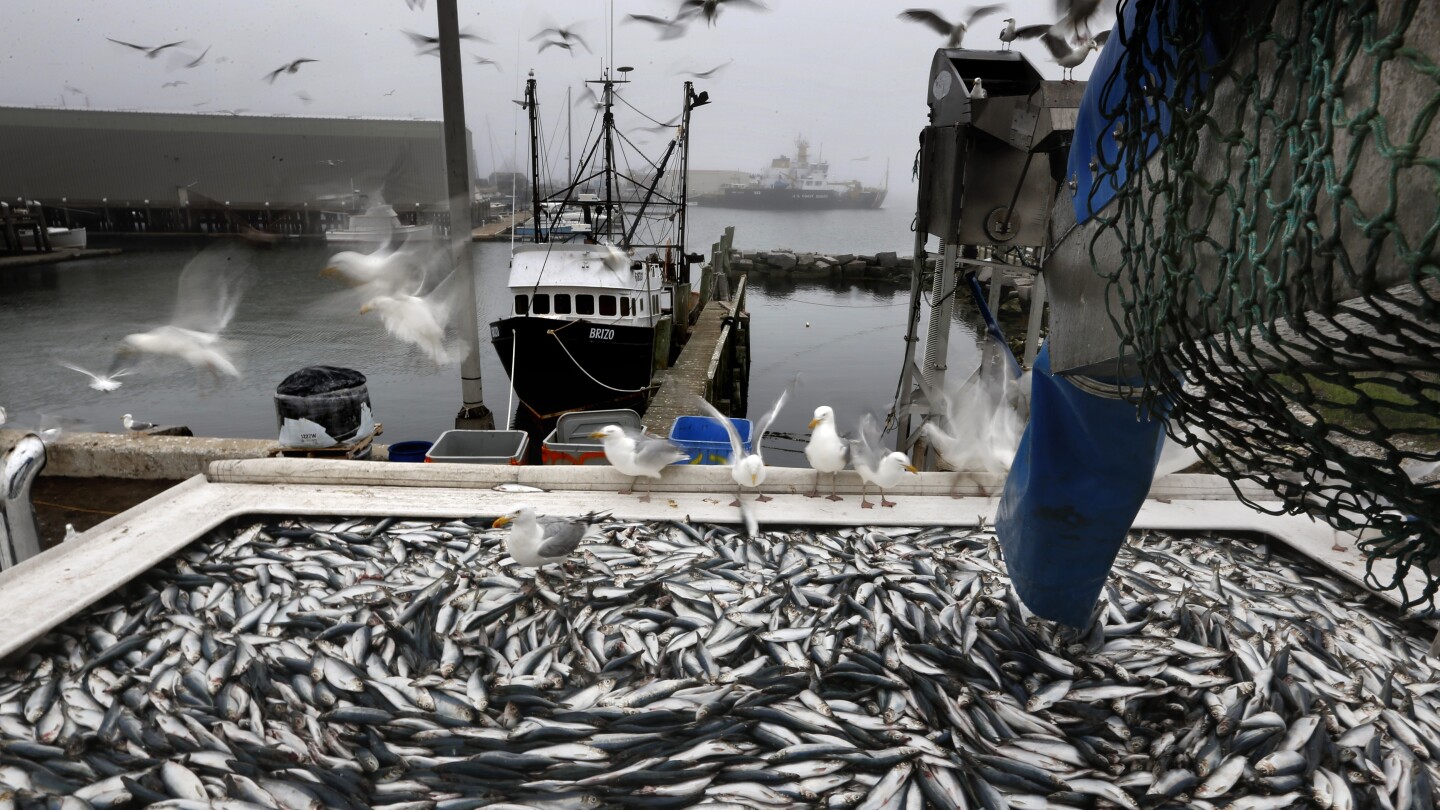
The Supreme Court heard oral arguments in two cases involving fishing companies challenging regulations that require them to pay for human monitors on their boats to ensure compliance with fishing regulations. The cases could potentially overturn a longstanding 1984 precedent that gives regulatory agencies deference in ambiguous situations. The fishing companies argue that the monitoring costs could drive them out of business and that the agencies lack the authority to impose these expenses. The Supreme Court is expected to issue rulings in late June or early July.
The Supreme Court is considering overturning or limiting Chevron deference, a legal doctrine that allows federal agencies to interpret laws. This could significantly impact how federal agencies regulate various industries, potentially leading to uncertainty and chaos. The court's decision could shift regulatory power from federal agencies to federal courts, affecting issues such as climate change, net neutrality, and gun rights. The outcome is expected to be a pivotal moment in the balance of powers between Congress, the President, and the courts.
The Supreme Court is set to hear cases involving Atlantic herring fishermen challenging a 40-year-old decision that supports regulatory power, potentially impacting government regulations on environment, workplace standards, consumer protections, and public health. Conservative groups seek to limit federal agencies' power, arguing that the decision gives too much authority to government experts. The court's conservative majority has shown skepticism towards federal agencies' powers, raising questions about the future of the decision. The fishermen argue against a 2020 regulation requiring them to pay for monitors, while environmental and health advocacy groups urge the court to maintain the decision. The outcome could have significant implications for regulatory authority and the balance of power between federal agencies and the judiciary.
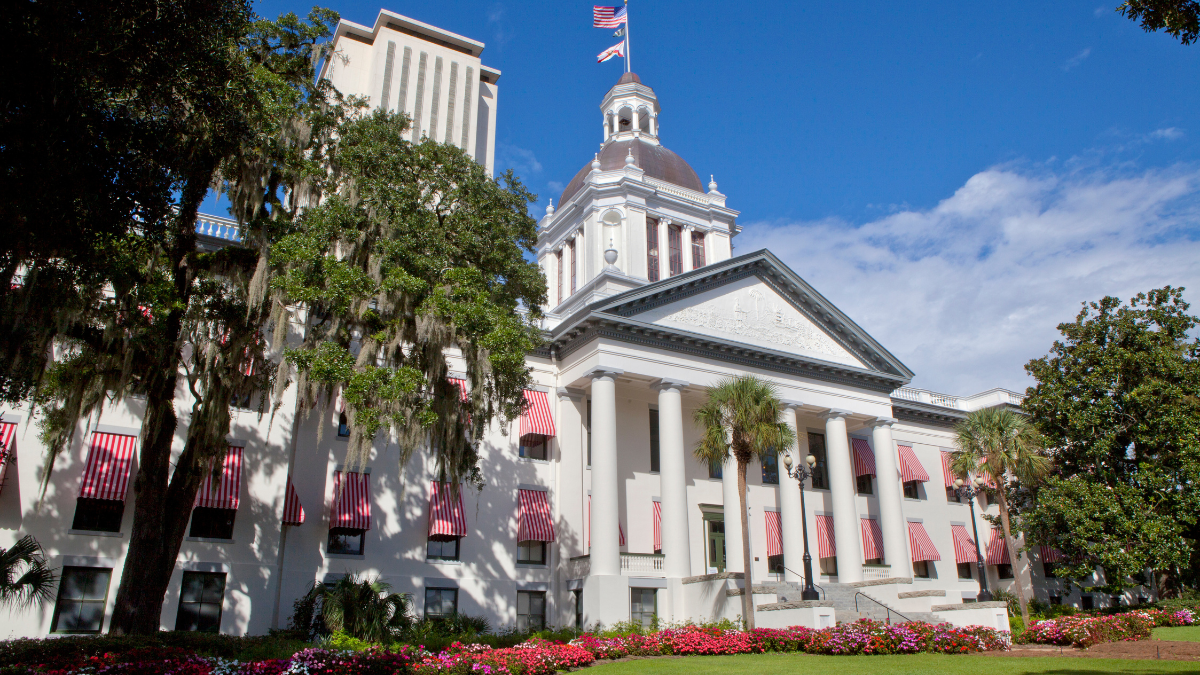
Florida is introducing new laws on January 1, 2024, including the 'Protect Our Loved Ones Act' for a Special Persons Registry, revisions to pretrial release and detention protocols, the transfer of child protection investigations to the Department of Children and Families, changes to state park campsite reservation rules favoring residents, and an expansion of the Move Over Law to include all disabled vehicles. These laws aim to improve safety and justice procedures within the state.
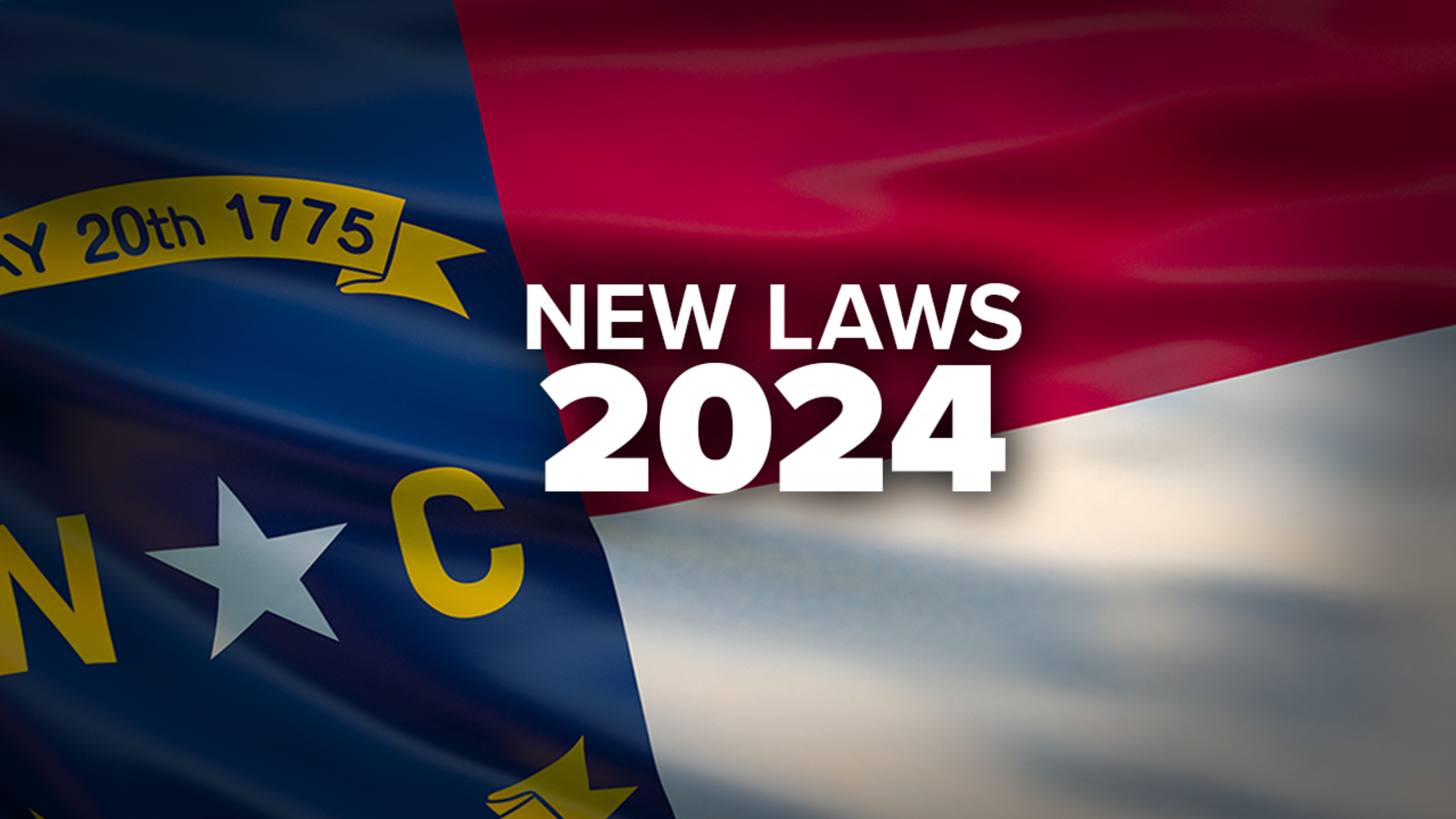
North Carolina introduces new laws effective January 1, 2024, including extending the learner's permit duration for teen drivers, implementing a license plate reader pilot program for law enforcement, revising election laws, modifying adoption and notary regulations, and adjusting health and human services workforce policies to accommodate military families. These laws aim to enhance public safety, streamline the electoral process, and support the health services workforce.
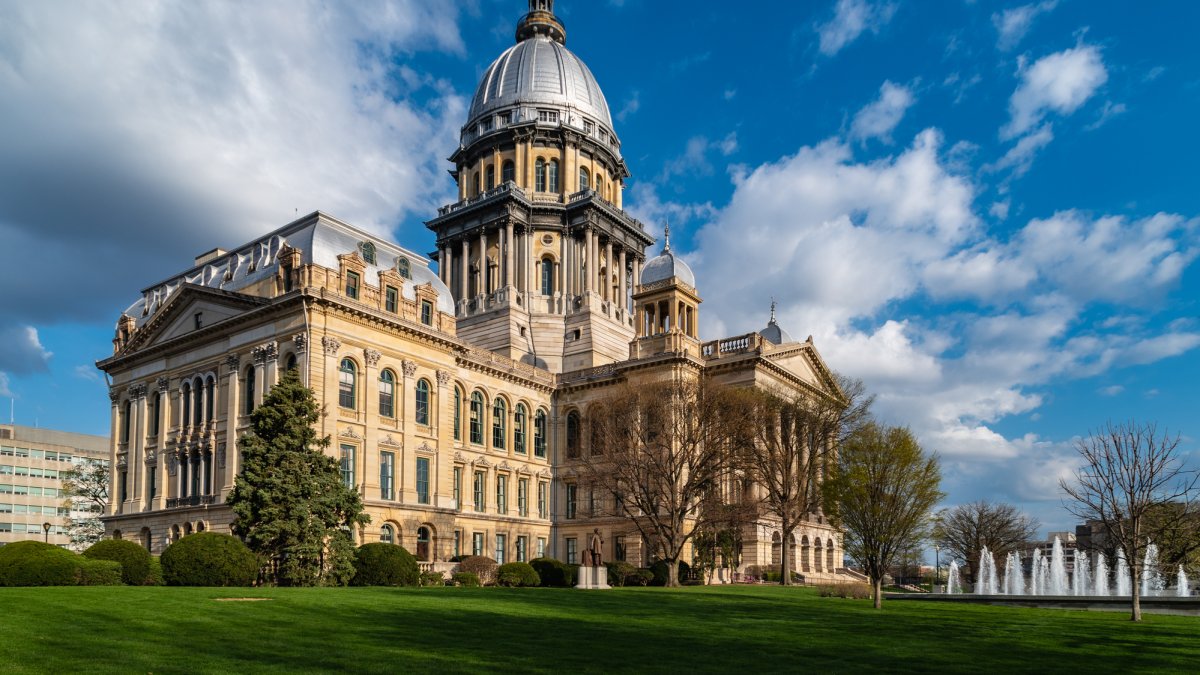
Illinois is implementing over 300 new laws on January 1, 2024, impacting various sectors including employment, public safety, transportation, and health. Key laws include a minimum of 40 hours of paid leave for nearly all employees, the establishment of a vehicle theft hotline in Cook County, a ban on videoconferencing while driving, eligibility for non-citizens to become police officers, and measures against price gouging of essential drugs. Additionally, there are updates to school crisis response plans, allergen safety education, and improvements in public transit, including free services for domestic violence victims.
Illinois is set to implement over 300 new laws starting January 1, 2024, affecting various aspects of daily life. Notable changes include a ban on videoconferencing while driving, stricter regulations for motorcycle licenses, and the requirement for electric vehicle-capable parking spaces in new homes. Healthcare reforms will see the introduction of electronic prescriptions for controlled substances, the sale of fentanyl test strips over the counter, and coverage for home saliva cancer screenings. In education, there will be a focus on trauma-informed practices and mental health resources. Employee rights are also addressed, with laws mandating paid leave for public transit costs and unpaid leave for family members affected by violent crimes. Consumer protection is strengthened with measures against price gouging in essential drugs and the establishment of a vehicle theft hotline.
A judge in Alabama has halted the state's medical cannabis program following a lawsuit alleging that the Alabama Medical Cannabis Commission (AMCC) violated the state's Open Meetings Act. The lawsuit claims that the commission privately nominated companies for public votes on license awards during an executive session, violating the open meetings law. The stay on the program means that applicants denied a license cannot request an investigative hearing, and site visits and evaluations will be put on hold. The AMCC director stated that it will be "impossible" to issue licenses at an upcoming meeting, and another meeting may need to be scheduled.