A new poll by the Legal Action Center reveals that 75% of Americans now view substance use as a health issue rather than a criminal one, up from 67% in 2019. Despite this shift in public opinion, many states still criminalize drug possession, and policies on substance use remain inconsistent. While there is growing support for harm-reduction measures like naloxone and fentanyl test strips, funding and access to treatment remain inadequate. Insurance companies often fail to comply with laws requiring coverage for substance use disorder treatment, and criminalization policies continue to hinder access to care, potentially increasing overdose risks.
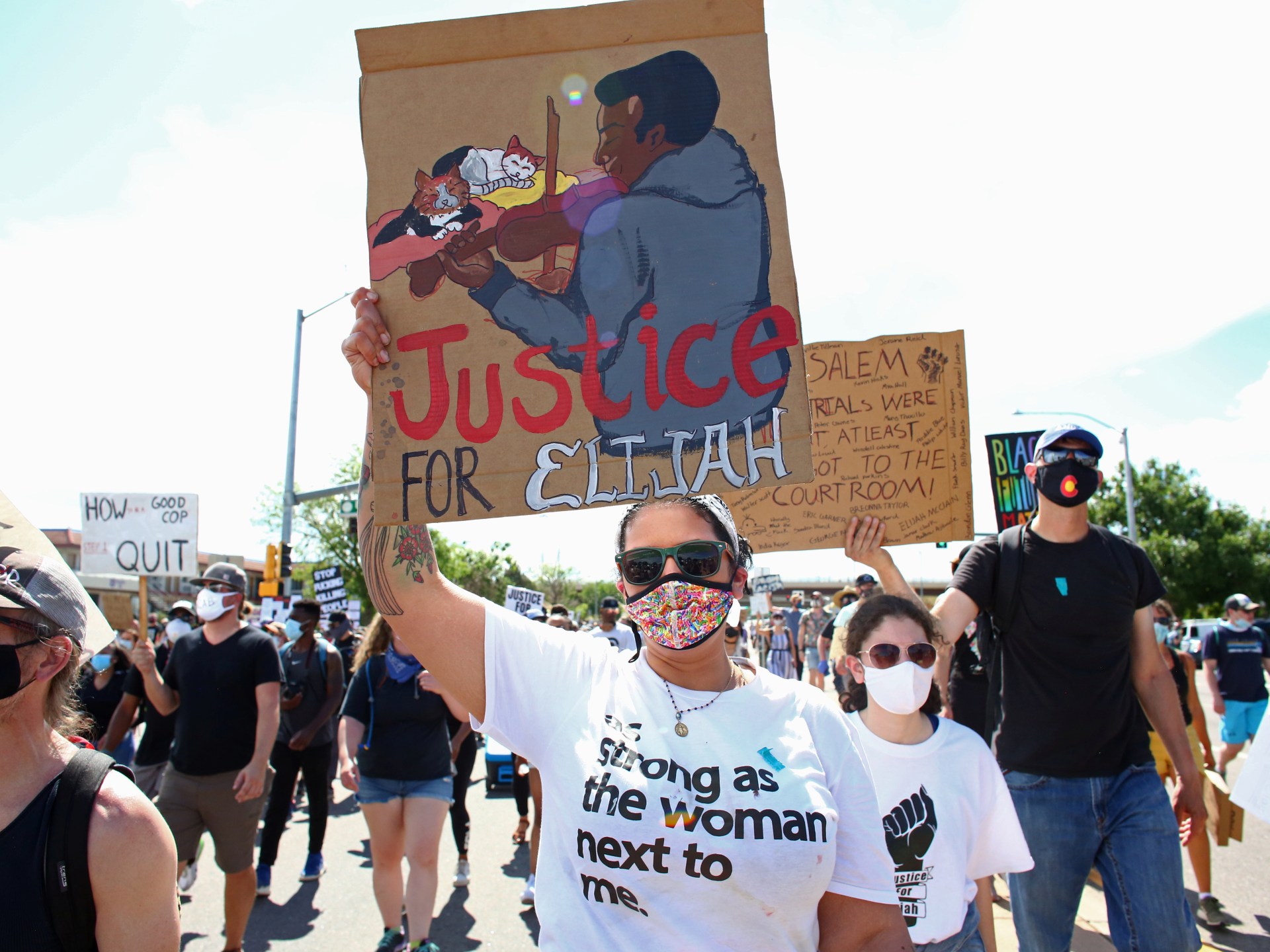
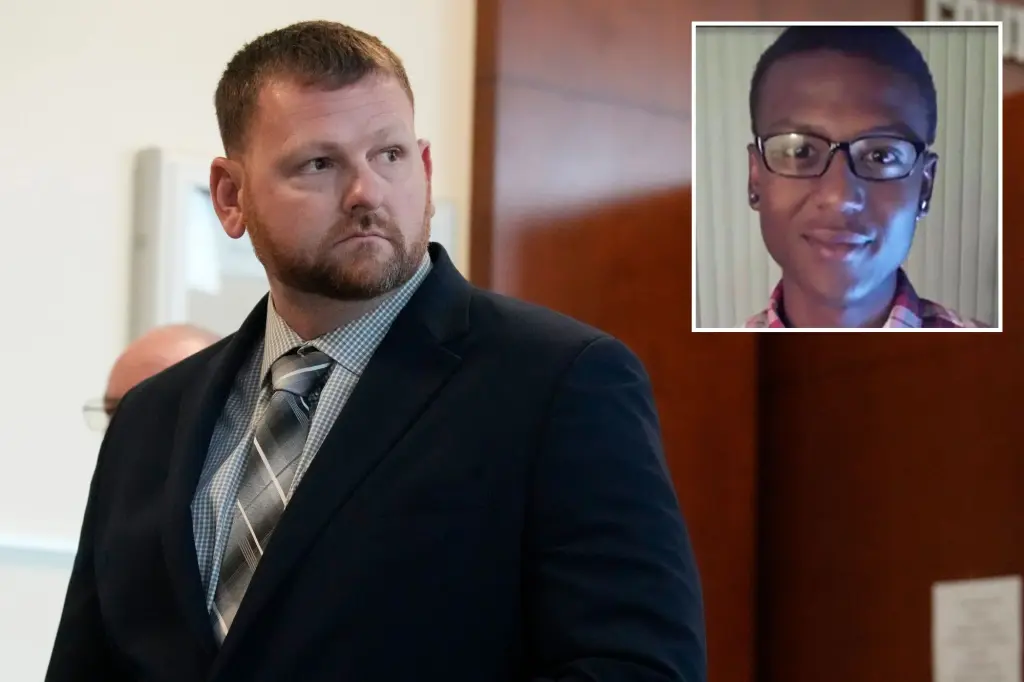
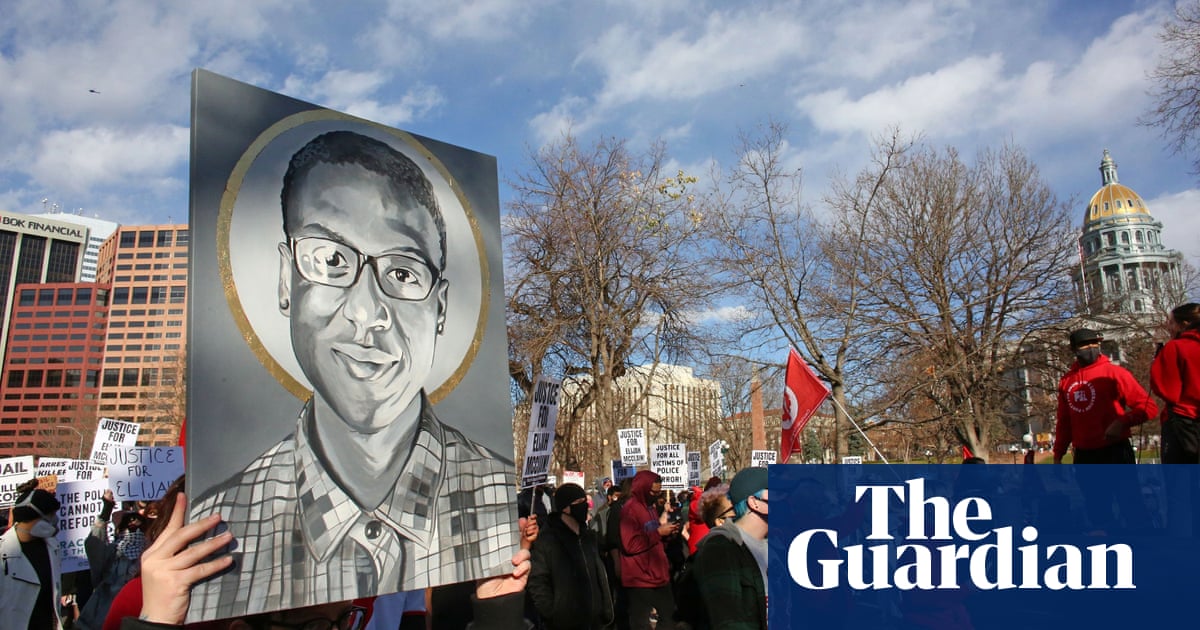
Former Colorado police officer Randy Roedema has been sentenced to 14 months in jail for his involvement in the 2019 killing of Elijah McClain, a Black man who died after being restrained by police and injected with ketamine by paramedics. McClain's mother criticized the sentence as insufficient. The case, which initially received little attention, was propelled into the spotlight after the killing of George Floyd in 2020, leading to a state grand jury indictment. Two paramedics were also convicted of criminally negligent homicide and await sentencing.
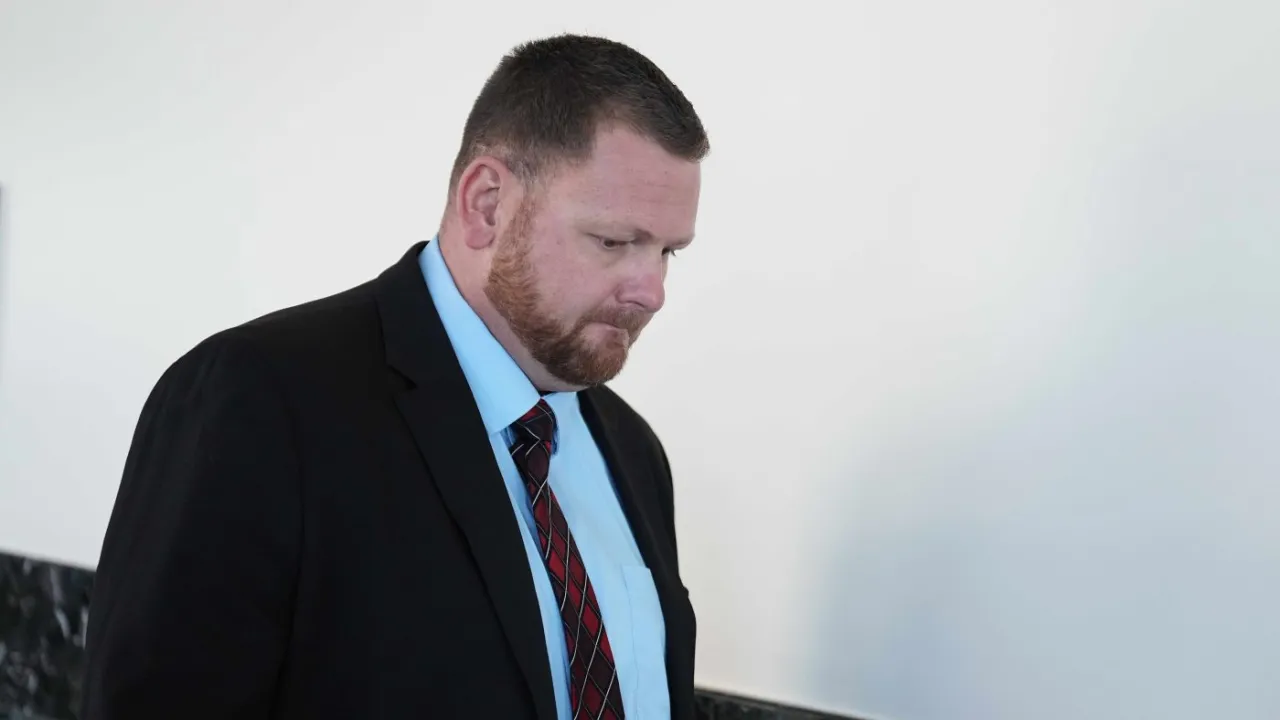
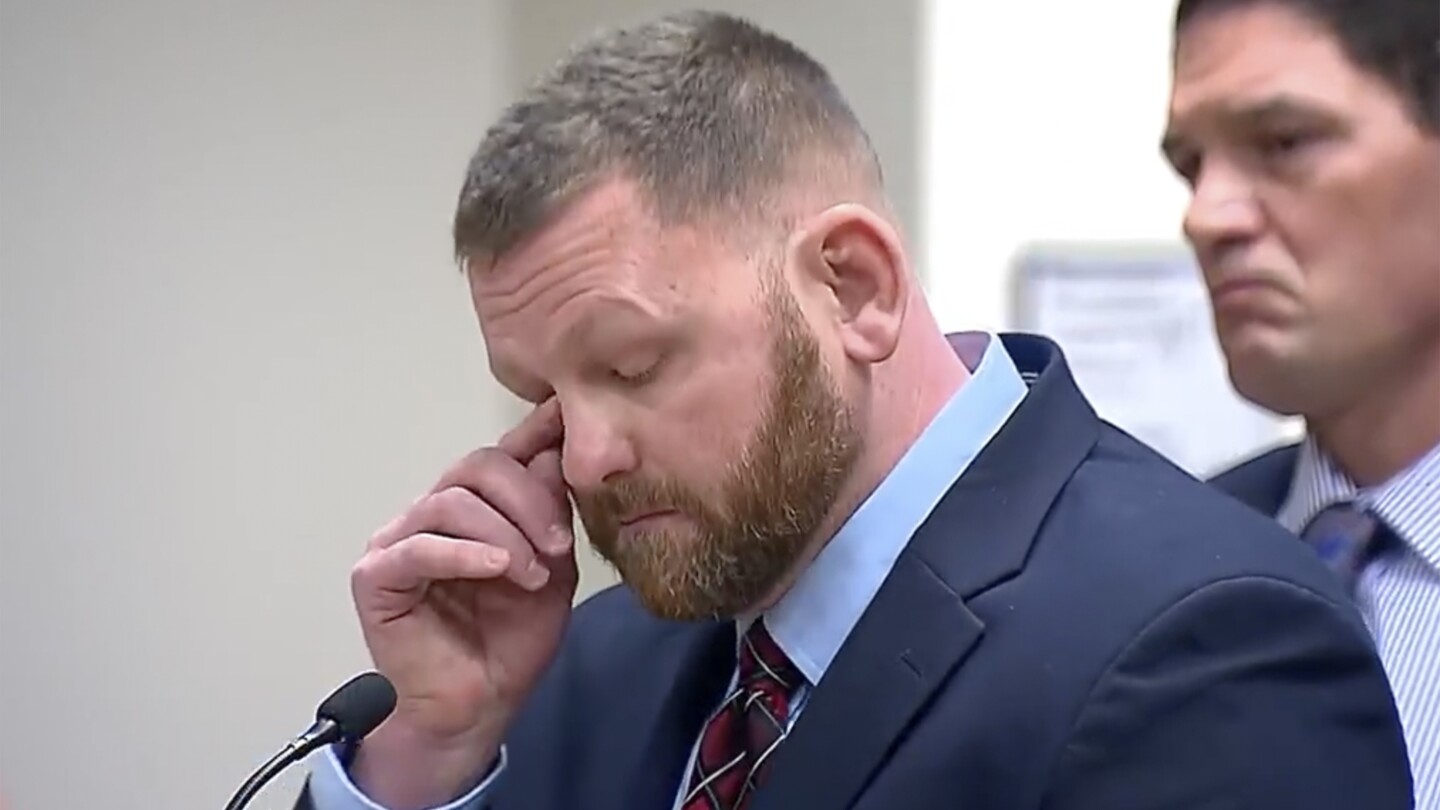
Former Colorado police officer Randy Roedema was sentenced to 14 months in jail for his involvement in the 2019 killing of Elijah McClain, a young Black man who died after being restrained by police and injected with ketamine by paramedics. Roedema was found guilty of criminally negligent homicide and third-degree assault but did not express an apology in court, instead reflecting on different scenarios that could have led to a different outcome. The sentencing follows a series of trials related to McClain's death, with mixed verdicts for the other officers and paramedics involved.
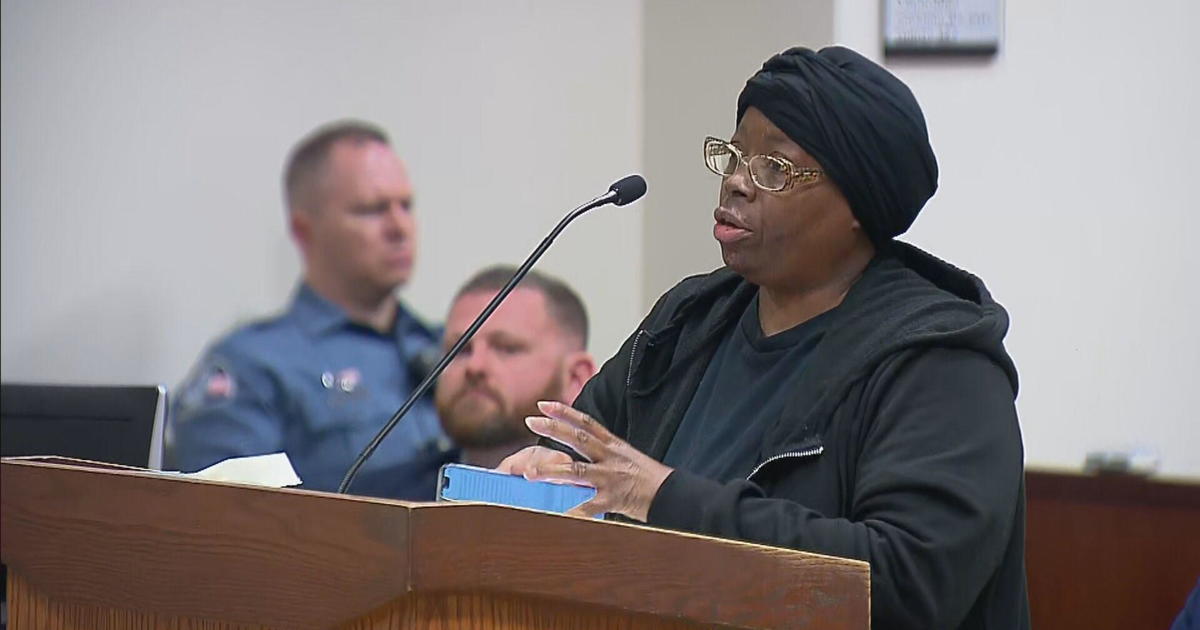
Former Aurora police officer Randy Roedema was sentenced to 14 months in jail and four years of probation for the criminally negligent homicide and third-degree assault of Elijah McClain. During the sentencing, Elijah's mother, Sheneen McClain, expressed that the sentence was insufficient, stating that Roedema "stole my son's life" and calling for changes in the law to hold abusers accountable. Roedema, who had not previously spoken publicly about the incident, contemplated different outcomes and his family requested leniency. Two paramedics also convicted in the case are awaiting sentencing in March.
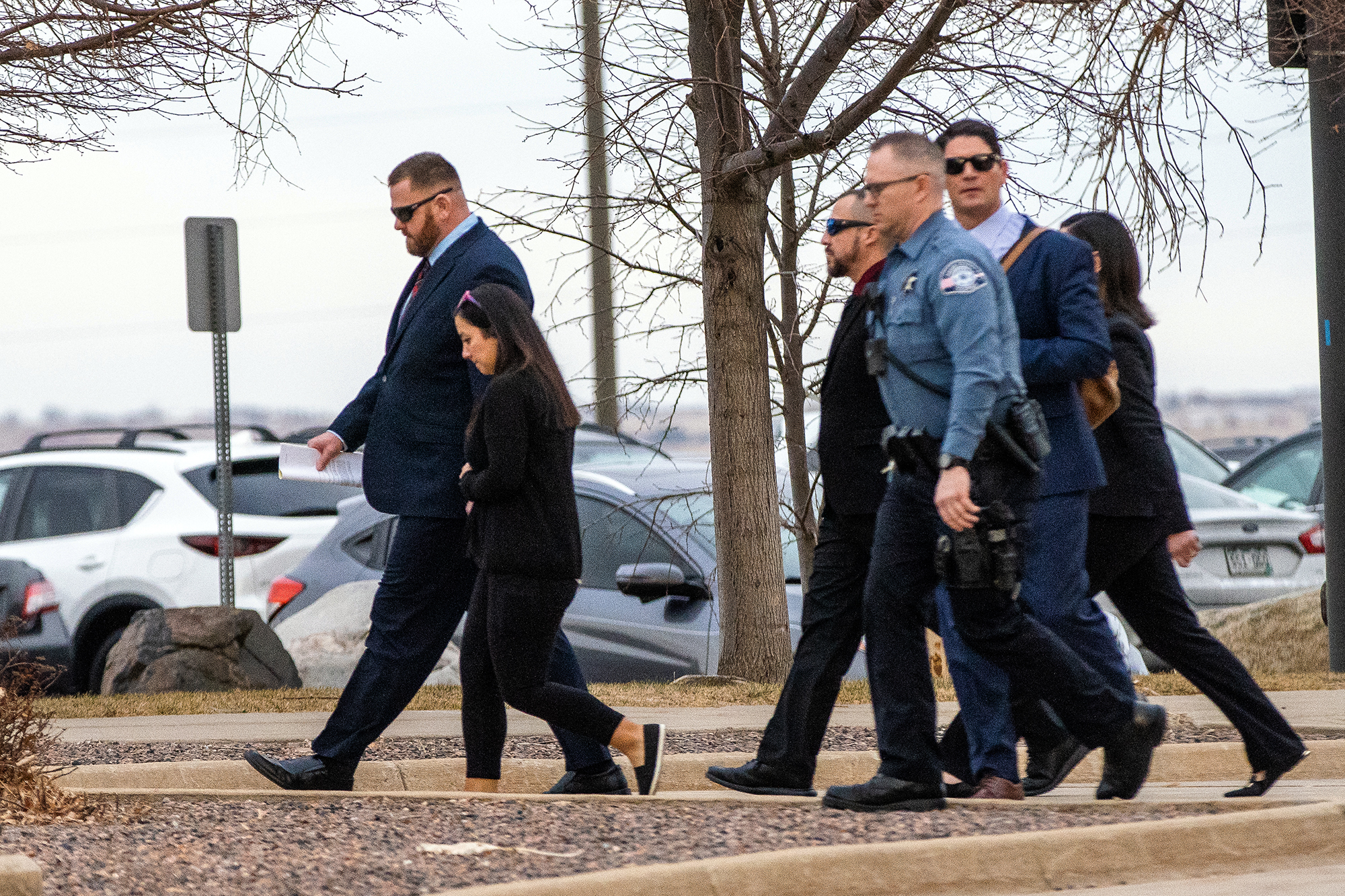
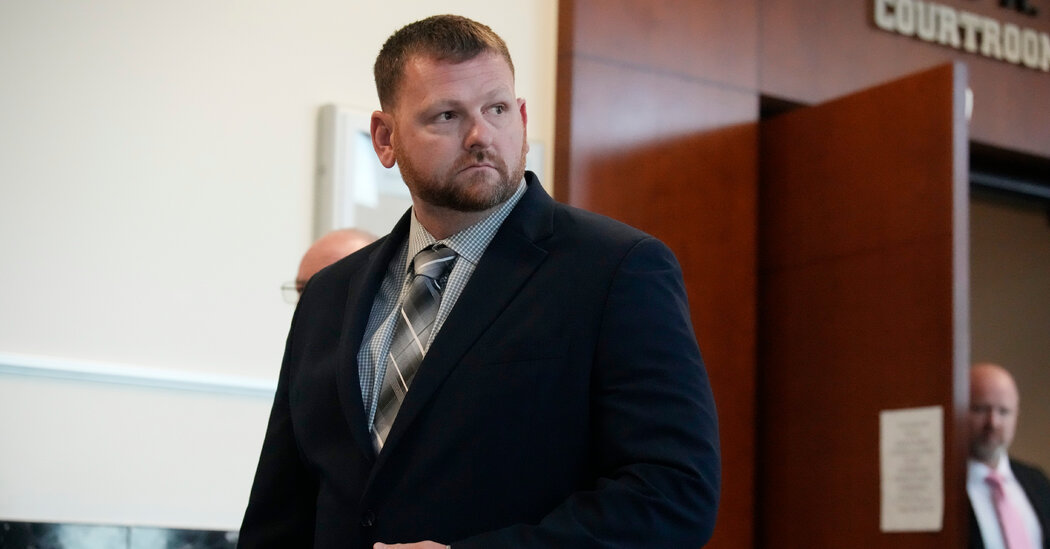
Former Aurora police officer Randy Roedema was sentenced to 14 months in jail and four years of probation for his involvement in the violent arrest of Elijah McClain, an unarmed Black massage therapist, who died following the encounter. Roedema was convicted of criminally negligent homicide and third-degree assault. The sentencing included 200 hours of community service and eligibility for a work release program. Despite Roedema's previous commendations and service, the judge and prosecutors emphasized the need for accountability for his actions during McClain's arrest. McClain's mother expressed dissatisfaction with the sentence, stating it did not equate to justice. Roedema is the only officer convicted in the case, with two others acquitted and two paramedics also found guilty of criminally negligent homicide. An appeal of the conviction and sentence is planned by Roedema's attorneys.
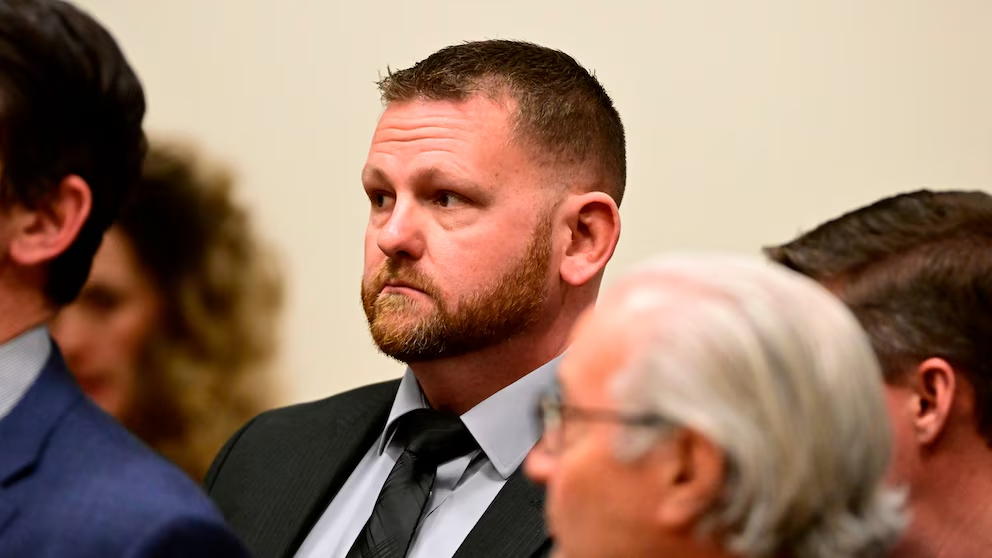
Former Aurora, Colorado, police officer Randy Roedema has been sentenced to 14 months in jail with work release and four years of probation for the death of Elijah McClain. Roedema was convicted of criminally negligent homicide and third-degree assault. The sentencing judge considered Roedema's "good character" and "rehabilitative potential" but acknowledged McClain posed little threat. McClain died after a violent arrest and being injected with an excessive dose of ketamine. Two paramedics were also convicted in the case, with sentencing pending. Another officer involved was acquitted and has returned to work.
Former Colorado police officer Randy Roedema was sentenced to 14 months in jail for his role in the death of Elijah McClain, a young Black man who died after being restrained by police and injected with ketamine by paramedics. Roedema, convicted of criminally negligent homicide and third-degree assault, was the most senior officer at the scene. The case has highlighted issues of racial injustice in policing and has become part of the broader conversation on police reform. Two paramedics were also convicted and await sentencing, while another officer was acquitted. The sentencing reflects a growing trend of holding law enforcement accountable, though experts argue that systemic police reform is needed beyond individual prosecutions.
Randy Roedema, a former Aurora Police Department officer, was sentenced to 14 months in county jail for his involvement in the death of Elijah McClain, a young unarmed Black man whose case spurred calls for police reform. Convicted of criminally negligent homicide and third-degree assault, Roedema is the only police officer convicted in the case, with two paramedics also found guilty. He is eligible for work-release, must complete 200 hours of community service, and serve four years of probation.
Former Aurora, Colorado police officer Randy Roedema was sentenced to 14 months in jail for the 2019 killing of Elijah McClain. Roedema was convicted of criminally negligent homicide and third-degree assault but received probation for the homicide charge and jail time for the assault. The case has been notable for the rare accountability of law enforcement and emergency medical personnel in a death involving police custody. Two other officers were acquitted, and one was reinstated with back pay, while two paramedics await sentencing. The sentencing reflects ongoing challenges in securing convictions against officers for on-duty conduct.
Former Aurora police officer Randy Roedema was sentenced to 14 months in jail for his role in the death of Elijah McClain, who died after a violent arrest and being administered an excessive dose of ketamine by paramedics. Roedema was convicted of criminally negligent homicide and third-degree assault, while another officer and two paramedics faced various charges, with mixed verdicts. The case has highlighted issues of police use of force and medical response protocols.
Former Aurora, Colorado, police officer Randy Roedema, convicted of criminally negligent homicide and assault in the 2019 death of Elijah McClain, is set for sentencing today. McClain died after being restrained by police and injected with ketamine. Roedema could face probation to six years in prison. The case, which initially saw no charges, was reopened after the Black Lives Matter protests in 2020, leading to the indictment of three officers and two paramedics. Two paramedics have also been convicted and await sentencing.
North Carolina introduces new laws effective January 1, 2024, including extending the learner's permit duration for teen drivers, implementing a license plate reader pilot program for law enforcement, revising election laws, modifying adoption and notary regulations, and adjusting health and human services workforce policies to accommodate military families. These laws aim to enhance public safety, streamline the electoral process, and support the health services workforce.
Marco Flores, who killed his molester at age 17 and served 13 years in a Massachusetts prison, is facing deportation to El Salvador upon release, despite having lived in the U.S. since he was 6. His case highlights the complexities of immigration law, especially for those with criminal convictions, amidst a political climate pushing for increased deportations. Flores's legal team is working pro bono to prevent his deportation, arguing that he may be eligible for relief as a victim of certain crimes and that he faces a high risk of torture if returned to El Salvador. Flores's future in the U.S. remains uncertain as he awaits a new hearing date while in ICE custody.