GM has decided not to extend the $7,500 federal EV tax credit through leasing beyond September 30, instead offering about $6,000 from its own funds to support EV leases until the end of October, as part of a move to close a loophole exploited by automakers to pass on the tax credit via leasing. This change comes amid GM's record EV sales and plans to introduce more affordable EVs in the future.
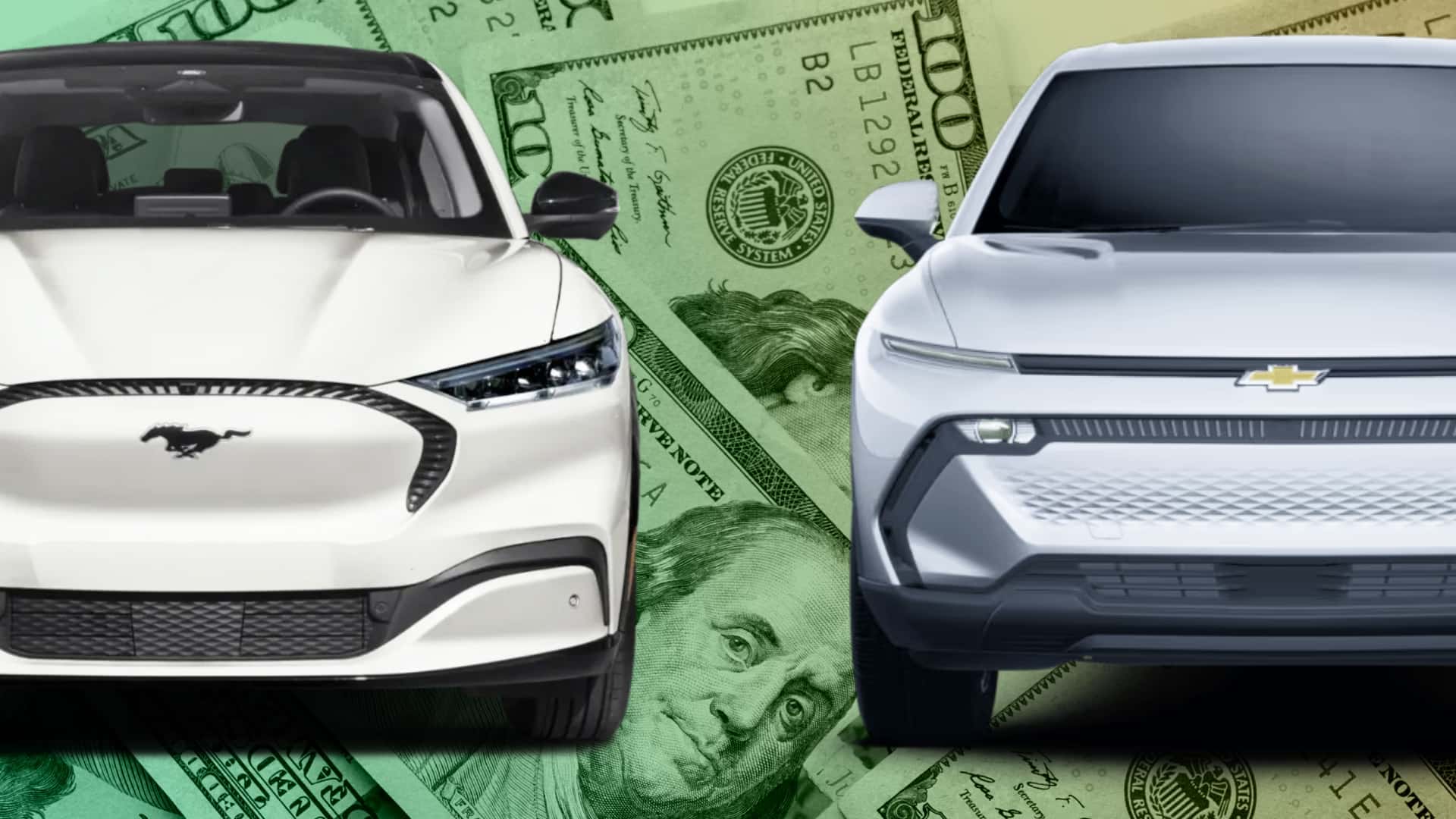
Ford and GM are buying their own EVs and leasing them to customers with a $7,500 discount to preserve the federal EV tax credit beyond its September 30th expiration, using creative financing strategies approved by the IRS, though the legality and long-term implications remain uncertain.
Ford and General Motors are extending the $7,500 EV lease credit through their leasing programs by purchasing vehicles upfront and offering leases with the subsidy factored in, despite the federal EV tax credit ending today. This move aims to keep EV sales strong and affordable for consumers until the program concludes at the end of the year.
Surging car prices have led buyers to opt for longer auto loans, such as seven or even eight years, to manage monthly payments, despite the increased total interest paid and potential financial downsides. Shorter loans are now mostly used by wealthier buyers, while leasing remains an alternative. Lenders are also pushing for even longer terms, risking repeat of past financial pitfalls.
American consumers are increasingly opting to lease electric cars in order to take advantage of the generous tax credits offered by the Biden administration. Leasing allows consumers to access the tax credits without having to pay the full purchase price of an electric vehicle upfront. This trend reflects the growing popularity of electric vehicles and the desire to reduce carbon emissions.
Leasing an electric vehicle (EV) has become the most affordable way to get a $7,500 tax credit from the US government, thanks to a loophole in the rules. The credit can be applied to any leased EV, regardless of where it is made, while only EVs made in North America qualify for the full tax credit if purchased. Critics argue that the rules benefit foreign automakers that produce all their vehicles overseas and have yet to build EV and battery factories in the US. However, the Treasury Department denies creating a loophole and says it was Congress that exempted commercial vehicles from the manufacturing and battery requirements.
Manhattan's rental market hit a record high for the second month in a row, with the median cost of renting an apartment at $4,241 in April, up 8% from a year ago. The number of new leases dropped sharply, down 20% from March and 14% from a year ago, indicating that more renters are opting to stay put given rental prices. The amount of concessions offered by landlords is also dropping, while listing inventory in Manhattan expanded annually but remained more than 10% below the decade average for April.
Automakers such as Hyundai, Kia, and Ford are targeting consumers with EV leases to take advantage of a loophole in the Inflation Reduction Act that allows vehicles produced outside North America to qualify for federal tax credits. Leasing could save drivers thousands, as long as the companies receiving the credits pass the savings on to consumers. The percentage of EVs bought on lease has increased from 13% last year to 37% in April, according to Edmunds. Automakers are looking to increase leasing on their EVs to lower pricing and increase sales.
Restrictions on which electric car models qualify for a federal tax credit of up to $7,500 have made buying an electric car more complicated. The Inflation Reduction Act has made buying such vehicles a lot more complicated, and the Treasury Department further tightened those rules this week by requiring that a certain percentage of the components and minerals in car batteries are sourced from the United States or in countries that are its trade allies. Just 11 electric cars from four automakers now qualify for the full tax credit, and several others can qualify for a partial $3,750 credit. The rules are already driving big changes in the buying and selling of electric cars, with some automakers whose models are no longer eligible now pushing leased electric cars.
The number of new electric vehicles eligible for a $7,500 federal tax credit fell by almost half on Tuesday, as new rules issued by the U.S. Department of the Treasury took effect. However, consumers in the market for an electric passenger vehicle can still access a tax break by instead buying a used EV or leasing a vehicle, experts said. The Inflation Reduction Act also created a tax credit for consumers who buy used electric or fuel-cell vehicles. The tax break for used cars, which took effect in 2023, is worth $4,000 or 30% of the sale price, whichever is less.
Manhattan's median rent hit a new high in March, with the median cost of renting an apartment at $4,175, up 12.8% from a year ago. The price for new rentals has been bobbing along, not going way up or way down, and the opposite of rising rents is not necessarily falling rents, it is stabilizing rents. A main driver for rents remaining strong in Manhattan in March is that mortgage rates have doubled from a year ago, making purchasing a home unaffordable for many buyers. Listing inventory for rentals in Manhattan was near record lows a year ago and has been climbing higher.
The Inflation Reduction Act has set manufacturing requirements for new all-electric and plug-in hybrid vehicles to qualify for the full $7,500 tax credit. The final two requirements will kick in on April 18 and phase in over a few years, which may cause the current list of cars that qualify for the credit to fall in number. However, consumers can still get a tax credit by buying a used EV or leasing a new electric passenger vehicle. The used vehicle credit applies to a broad selection of cars, while the leasing tax benefit doesn't carry the manufacturing requirements attached to purchases of new cars.
The IRS has updated the EV tax credit with new battery sourcing requirements, which will lower purchase credit amounts for many new EVs. However, the restrictions can be bypassed on consumer-leased vehicles, as the law defines individual and commercial credits differently. Leasing allows EVs to avoid the foreign-assembly restriction of the law if they are leased, not purchased. This means that as long as the vehicle fulfills the requirements of commercial credits, then a lessor can file for the $7,500 EV tax credit, which can be passed along to the consumer in the form of reduced lease payments.
American car buyers can get a $7,500 purchase tax credit from the federal government if they buy a qualifying electric vehicle. A loophole related to leasing makes it possible to capture that savings even for vehicles that don’t qualify.