US Treasury Secretary Scott Bessent denies that Trump's tariffs are a tax on Americans, dismissing concerns from companies and highlighting strong economic indicators, despite court rulings and job losses in manufacturing attributed to the tariffs.
American consumers are increasingly opting to lease electric cars in order to take advantage of the generous tax credits offered by the Biden administration. Leasing allows consumers to access the tax credits without having to pay the full purchase price of an electric vehicle upfront. This trend reflects the growing popularity of electric vehicles and the desire to reduce carbon emissions.
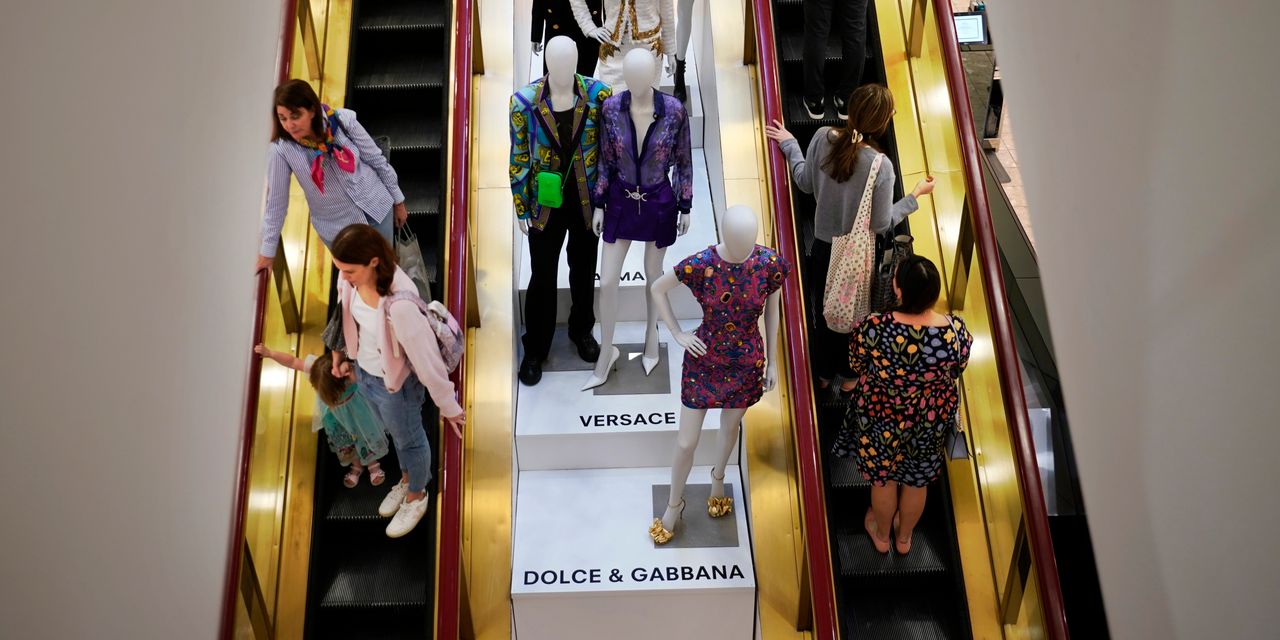
Retail sales in the U.S. unexpectedly rose 0.3% in November, defying expectations of a decline, as Americans continued to spend on shopping, travel, and restaurants despite elevated prices. Excluding car and gas sales, retail sales increased by 0.6%. While some economists anticipate a slowdown in spending due to rising credit card debt and falling savings, a strong labor market, positive income trends, and easing price pressures are expected to support continued consumer spending and economic growth. However, concerns remain about the potential impact of high levels of credit card debt on consumers' willingness to take on more debt.
Home Depot co-founder Bernie Marcus criticized President Biden's economic policies, blaming them for exacerbating inflation and hurting American consumers, including Home Depot customers. Marcus expressed concern over rising prices for food, energy, rent, and insurance, stating that the middle class and poor are being severely impacted. While inflation has decreased from its peak, it remains above the Federal Reserve's target rate. Marcus also criticized Biden's decision to cut back drilling, which he believes contributed to the inflation problem. The Federal Reserve's Open Market Committee chose to keep interest rates unchanged but left the door open for a potential rate hike due to concerns about elevated inflation.
Retail spending in the US fell by 1% in March as American consumers pulled back on purchases of big-ticket items such as vehicles, furniture, appliances, and gasoline amid rising interest rates. Sales were revised in February to a milder 0.2% decline from a previous estimate of down 0.4%.