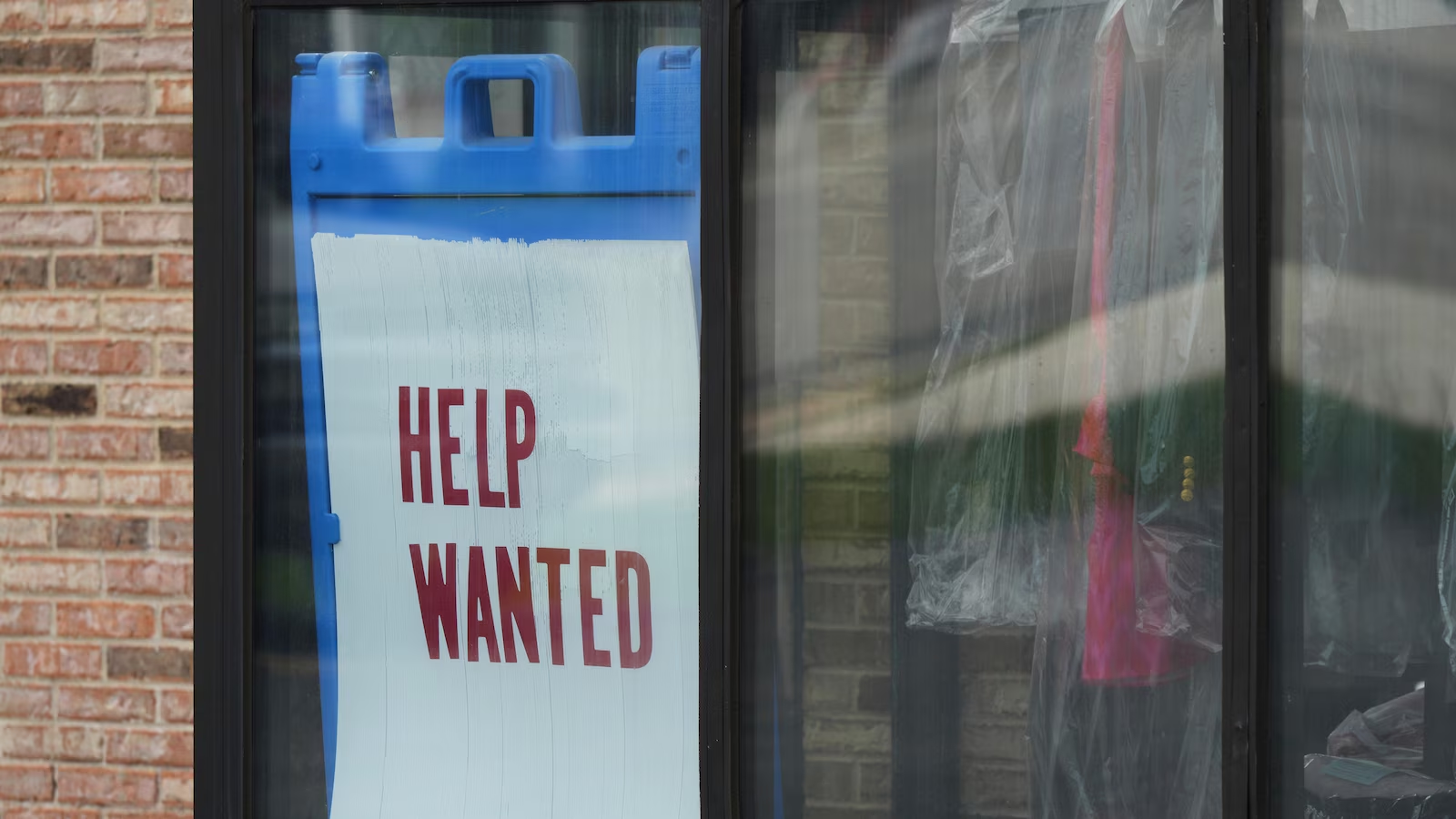
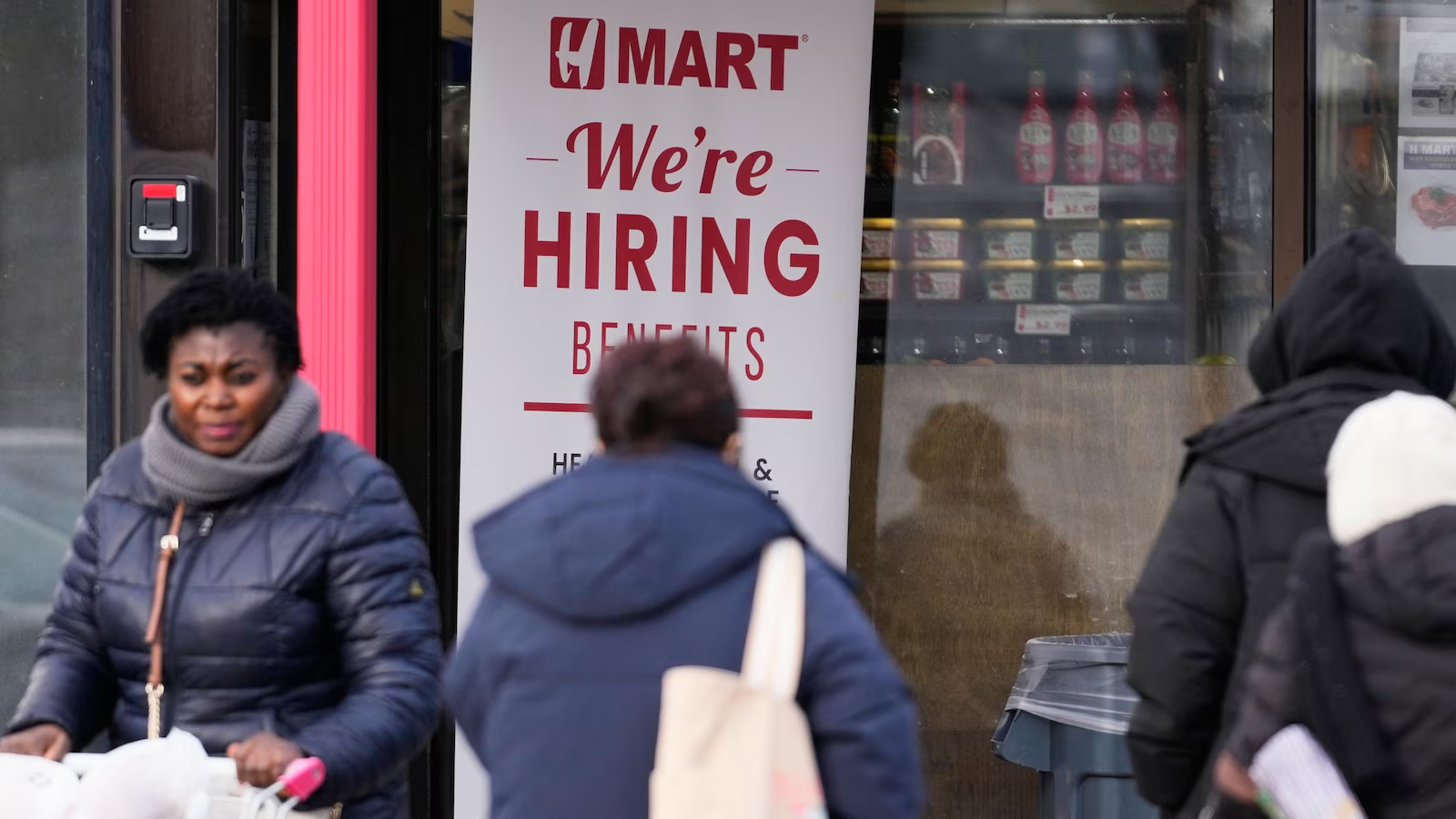
For the week ending Feb 21, US seasonally adjusted initial unemployment claims totaled 212,000 (up 4,000 from the revised prior week’s 208,000); the 4-week moving average rose to 220,250 (+750). The insured unemployment rate was 1.2% for the week ending Feb 14, unchanged from the prior week.
US unemployment benefit applications dropped below 200,000 last week, indicating low layoffs despite signs of a weakening labor market, with recent data showing mixed signals about job growth and economic health.
US unemployment benefit applications dropped below 200,000 last week, indicating low layoffs despite signs of a weakening labor market, with recent data showing slower job creation and some company layoffs amid economic uncertainty.
US jobless claim applications decreased by 13,000 to 224,000 last week, indicating low layoffs and a healthy labor market despite concerns over recent job gains and economic uncertainties. The labor market remains resilient, though recent data and revisions suggest some weakening, with notable layoffs at major companies and a cautious Federal Reserve.
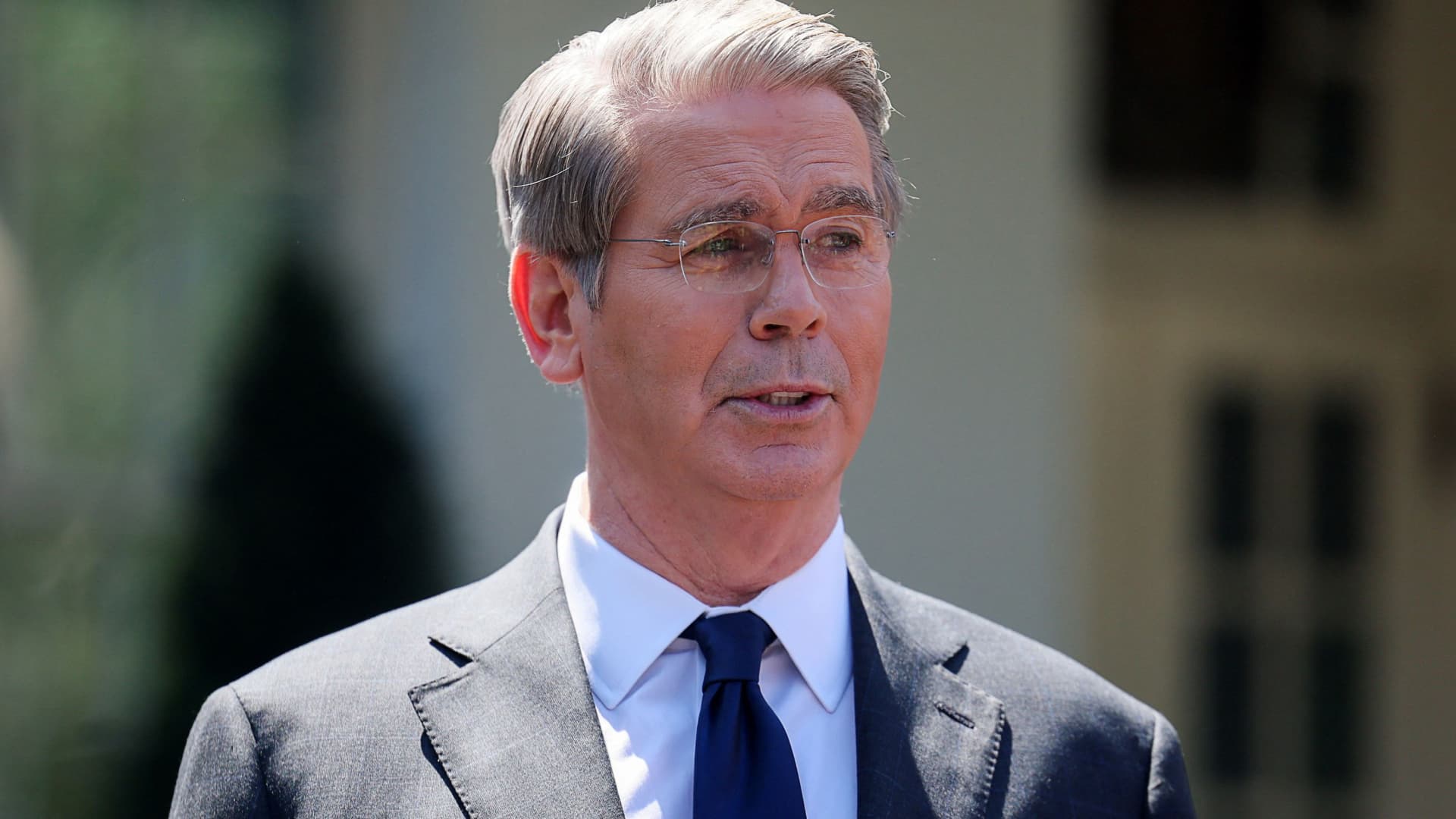
Treasury Secretary Scott Bessent warned that the ongoing US government shutdown could negatively impact economic growth, potentially causing a decline in GDP and affecting federal workers and the labor market, despite recent positive growth trends. He also mentioned upcoming support for farmers and ongoing discussions about replacing Fed Chair Jerome Powell.
The U.S. Small Business Optimism Index rose to 101.7 in November 2024, the highest since June 2021, driven by confidence in post-election economic policies and hopes for reduced inflation. This optimism is reflected in increased expectations for economic improvement, expansion, and sales volumes. However, challenges remain with labor quality and inflation as significant concerns. Despite the optimism, the Russell 2000 index showed little movement, with mixed performances among its constituents.
The US labor market showed signs of moderation in November, with nonfarm payrolls increasing by 227,000, following a revised gain of 36,000 in October, which was affected by storms and strikes. The unemployment rate also rose, indicating a cooling labor market. Over the past three months, payroll growth averaged 173,000, reflecting a slowdown from earlier in the year.
The U.S. economy added 227,000 jobs in November, indicating continued growth in the labor market. This increase reflects ongoing economic recovery efforts and suggests a positive trend in employment figures.
U.S. workers are expected to receive smaller raises in 2024, with companies planning an average salary increase of 4%, down from 4.4% in 2023. This trend is attributed to a cooler job market and is unlikely to reverse soon, according to labor experts. The demand for labor, which surged post-pandemic, has now moderated, leading to less aggressive wage growth compared to the "great resignation" period. Despite the decrease, the projected raises are still higher than the post-2008 financial crisis average of 3%. Companies are balancing the need to be competitive with the risk of overextending budgets, which could lead to layoffs.
In December, the U.S. saw a significant increase in job growth with 216,000 nonfarm payrolls added, surpassing expectations and contributing to solid wage gains. Despite the unemployment rate remaining at 3.7%, concerns arose due to a large number of people exiting the labor force and downward revisions of job numbers for previous months. The robust job market and wage increases have led to reduced expectations of an imminent Federal Reserve rate cut. The economy added fewer jobs in 2023 compared to 2022, reflecting a cooling demand influenced by the Fed's rate hikes since March 2022. Key sectors such as government, healthcare, and construction saw job gains, while transportation and warehousing experienced a decline. Average hourly earnings rose by 0.4%, indicating a 4.1% increase year-on-year.
In 2024, U.S. workers can expect an average salary increase of nearly 4%, a slight decrease from the previous year's 4% rise. This trend, highlighted by Payscale's Salary Budget Survey, reflects a cooling labor market influenced by higher interest rates and a hiring slowdown. Despite this, job growth remains resilient, with private-sector employers adding 164,000 jobs in December. Wage growth has been higher for job changers compared to job stayers, and the risk of a wage-price spiral is considered low, indicating potential for real economic growth. Sector-specific variations in wage growth are anticipated, but overall, pay increases could outpace inflation for the first time since 2020 if trends continue.
The US economy added 216,000 jobs in December 2023, surpassing expectations and maintaining the unemployment rate at 3.7%. Wages rose by 0.4% monthly and 4.1% annually, slightly above forecasts. Despite the positive job growth, the labor force participation rate decreased to 62.5%, and average weekly hours worked slightly declined. Earlier data indicated a balance between worker supply and demand, with job openings at their lowest since March 2021, and wage growth slowing, reducing the risk of a wage-price spiral.
The U.S. labor market exceeded expectations in December 2023, adding 216,000 jobs and maintaining an unemployment rate of 3.7%. Despite downward revisions for previous months, the total job gains for 2023 reached 2.7 million. The strong job growth, particularly in government, healthcare, and leisure sectors, suggests a resilient economy, which may affect the Federal Reserve's interest rate decisions. Average hourly earnings also rose, indicating persistent inflationary pressures. The robust labor data challenges the expectation of early policy rate cuts by the Fed, despite the belief that inflation is on a downward trend.
The U.S. labor market is expected to show continued strength in the December jobs report, capping off a year of significant job gains and low unemployment rates not seen since the 1960s. Wage growth has finally outpaced inflation, benefiting workers, particularly those with lower incomes. The labor market's resilience has been supported by consumer spending, with notable improvements such as the all-time low Black unemployment rate and high labor force participation among women. Despite a cooling job creation rate due to Federal Reserve interest rate hikes to combat inflation, the economy has avoided a recession and layoffs remain low. Job growth has been concentrated in service-related industries, while sectors sensitive to interest rate hikes have seen little growth or losses. Economists warn of potential risks in 2024, including government shutdown threats and external economic shocks.
The final jobs report for 2023 is expected to show the US economy added 160,000 jobs in December, concluding a year with significant labor market achievements, including historically low unemployment rates for Black workers and high labor force participation for women. The year also witnessed substantial worker strikes and a tight labor market that empowered workers to demand better conditions. Initial jobless claims were lower than expected, and private payrolls saw a significant increase. The labor market's performance is crucial for assessing the risk of recession and will influence the Federal Reserve's monetary policy, with the next rate decision announced on January 31.