New research from the Department of Medical Biochemistry and Biophysics at Karolinska Institutet challenges the traditional understanding of isotopic effects in biochemical reactions, revealing that the effects can be 250-300% larger than previously believed, depending on temperature. This discovery necessitates a recalibration of molecular dynamics simulations to account for the significant influence of isotopes, which has been consistently overlooked. The study suggests that isotopically pure compounds, such as enzymes, have superior properties and could impact fields ranging from chemistry and biochemistry to biology and medicine.
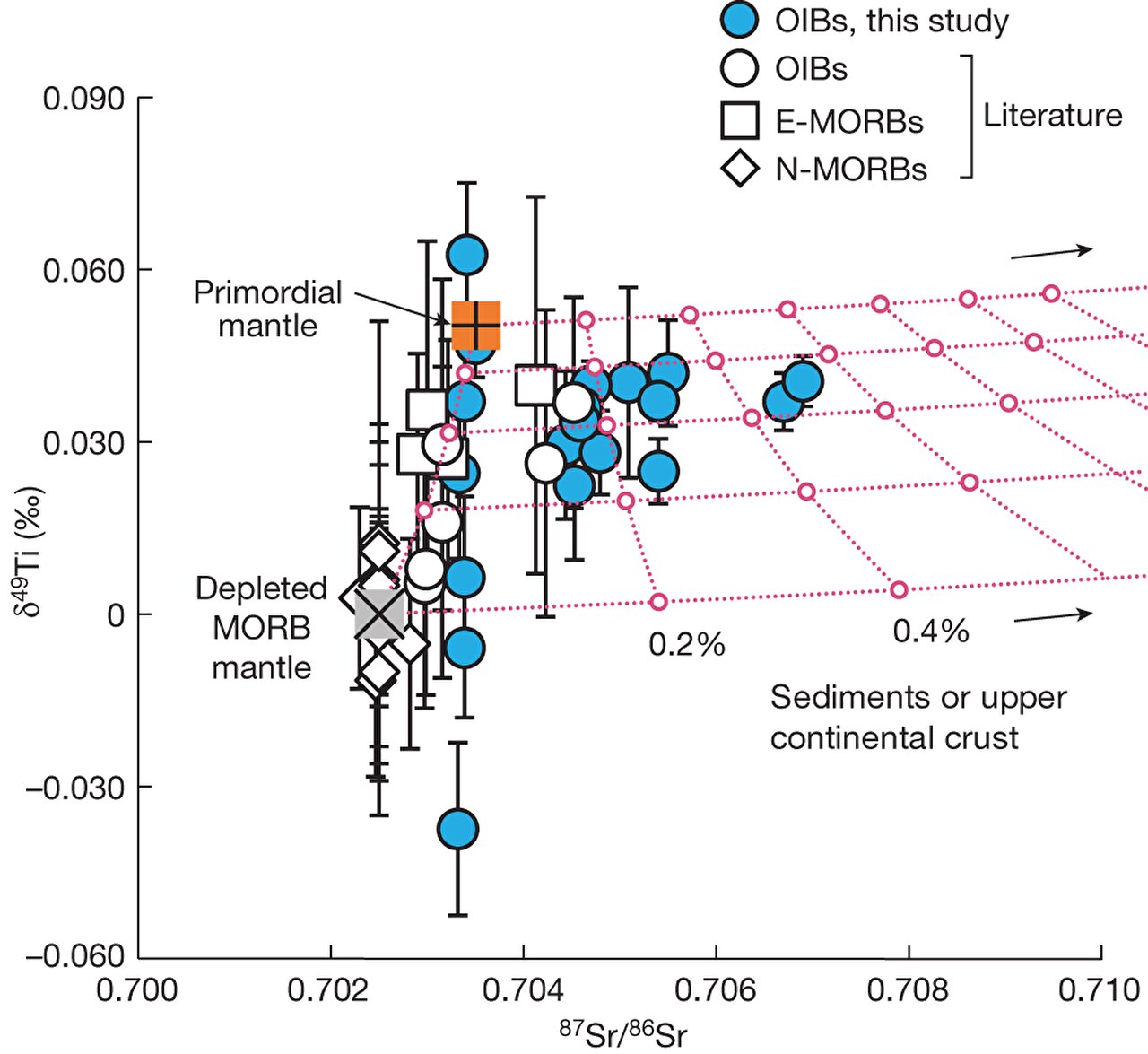
A new study suggests that Earth's plate tectonics may be a more recent feature of its geologic history. Researchers from the University of Copenhagen found evidence that convection in the mantle was stratified into upper and lower mantle regions that were isolated from each other for most of Earth's history. This is in contrast to the current understanding of plate tectonics, where subducting plates sink to the lower mantle. By analyzing the isotopic composition of titanium in rocks, the scientists were able to trace the recycling and mixing of tectonic plates in Earth's mantle. The study also suggests the existence of a primordial mantle reservoir in the deep Earth, which could provide insights into Earth's original composition and the development of life.