2025 was a challenging year for stock pickers due to market concentration in a few tech giants, leading to significant outflows from active mutual funds and a preference for passive investing. Despite some successful thematic and global diversification strategies, many investors struggled with the high costs of deviating from benchmarks, highlighting the ongoing dominance of a small group of stocks in driving market returns.

Many investors, especially self-directed ones with small balances, miss their required minimum distributions (RMDs) from IRAs, leading to potential tax penalties totaling up to $1.7 billion annually. Vanguard estimates that 6.7% of IRA holders aged 73+ missed RMDs in 2024, with larger account holders facing higher penalties. Automating RMDs and consolidating accounts can help prevent these costly mistakes.
Gold prices experienced a significant correction, dropping over 6% after reaching record highs near $4,400 an ounce, prompting a rush of buying from retail investors and record attendance at a major gold conference, amid ongoing concerns about overextension and market corrections in the gold bull market.
On October 15, 2025, amid a significant stock market decline, retail traders aggressively bought the dip, with over 110 million options contracts traded—setting a new record and highlighting increased amateur investor activity in response to market volatility.
The article discusses a significant shift in market dynamics from momentum-driven to a focus on fundamentals, emphasizing the importance of discipline, risk management, and preparation for the upcoming phase of market correction and opportunity, driven by tightening liquidity and structural risks.
Retail investors are significantly increasing their stock purchases, fueling a market rally and raising concerns about a potential bubble, as their buying activity reaches levels not seen since the 2021 meme-stock boom, with implications for market dynamics and investor sentiment.
The bond market remains surprisingly calm despite political tensions and high tariffs, possibly because investors believe the Federal Reserve will maintain independence, with some hedging against potential declines. This stability contrasts with the stock market's ongoing complacency, raising questions about future reactions.
Ethereum shows a complex market picture with ongoing Foundation outflows, shifting investor composition, and mixed activity signals. Despite large sell-offs by the Foundation and whale reductions, buyer dominance persists, supporting ETH above $2,500. The key resistance at $2,550 could determine whether ETH breaks higher or faces rejection, with investor interest rising but long-term engagement showing signs of fatigue. The next move depends on whether buying momentum can overcome sell pressure at this critical level.
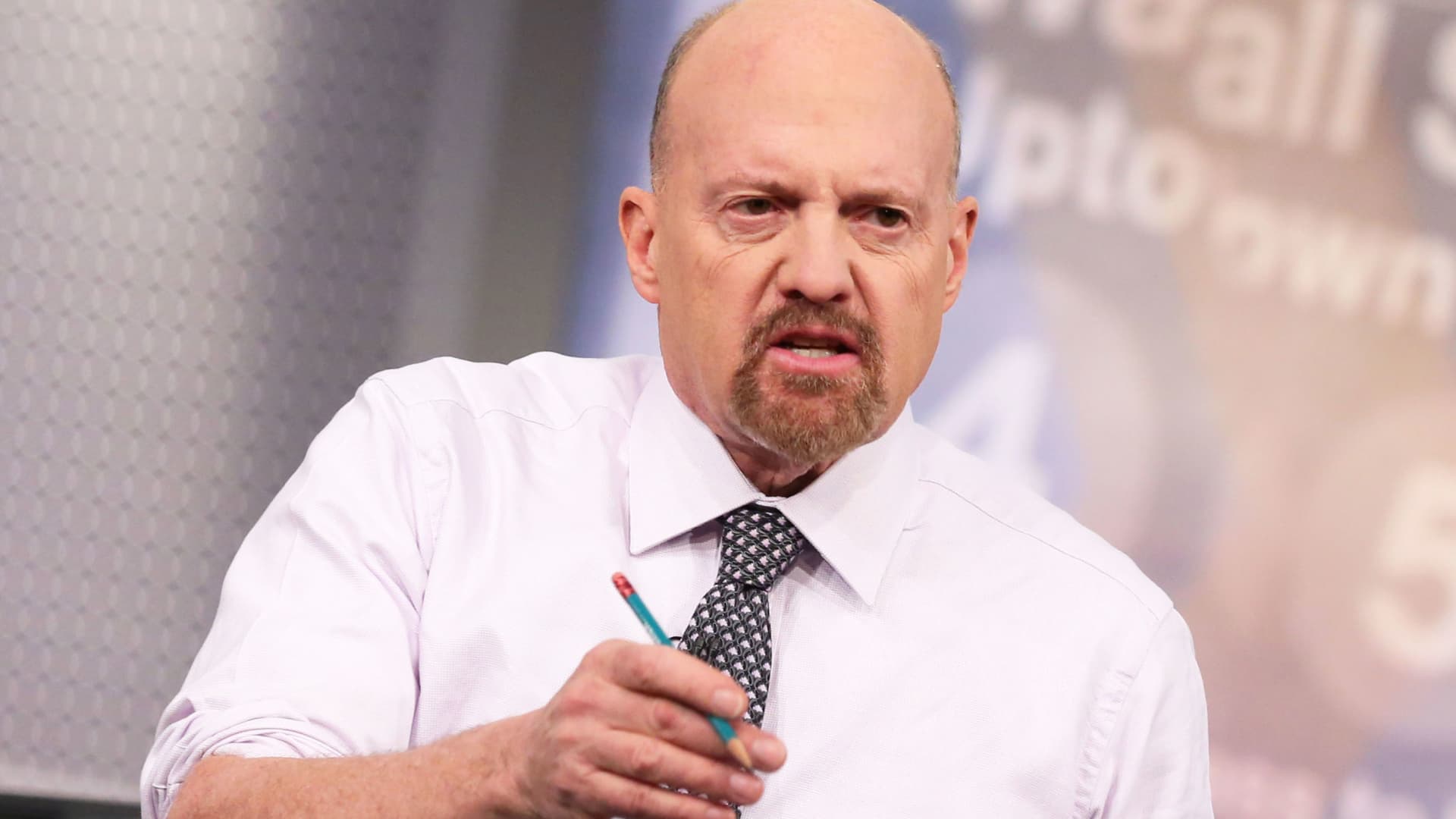
CNBC's Jim Cramer warns that some investors are making irrational decisions and buying poorly-performing stocks, leading to a potential "nasty hangover" in the market. While Wall Street initially evaluated equities in a sensible manner, the market broadened out as the mini banking crisis receded, and investors became more speculative. Cramer highlights the example of Estee Lauder, whose stock rose despite business slowdown and competition. He predicts that investors may turn to other struggling stocks like Moderna and Pfizer next. Cramer advises caution and suggests having designated brokers to avoid regrets in the morning.
Huge one-day stock rallies are more likely to occur during bear markets rather than major uptrends. Historical data shows that a significant proportion of the biggest one-day gains in stock markets have happened during bear markets, indicating a pattern. This can be attributed to investor sentiment, volatility, and compensation for risk. Therefore, investors should be cautious and not get carried away by a single day's rally, as it does not necessarily indicate a sustained uptrend.
The belief that stock prices fall when interest rates rise is widely held but rarely examined. However, historical data shows a strong correlation between interest rates and inflation. Higher inflation typically leads to faster nominal corporate earnings growth, but investors tend to focus more on the negative impact of a higher discount rate. This behavioral bias, known as "inflation illusion," causes investors to undervalue stocks during periods of high inflation. Conversely, when inflation and interest rates start to decline, investors are likely to make the opposite error, creating the foundation for a major buy signal in the stock market.
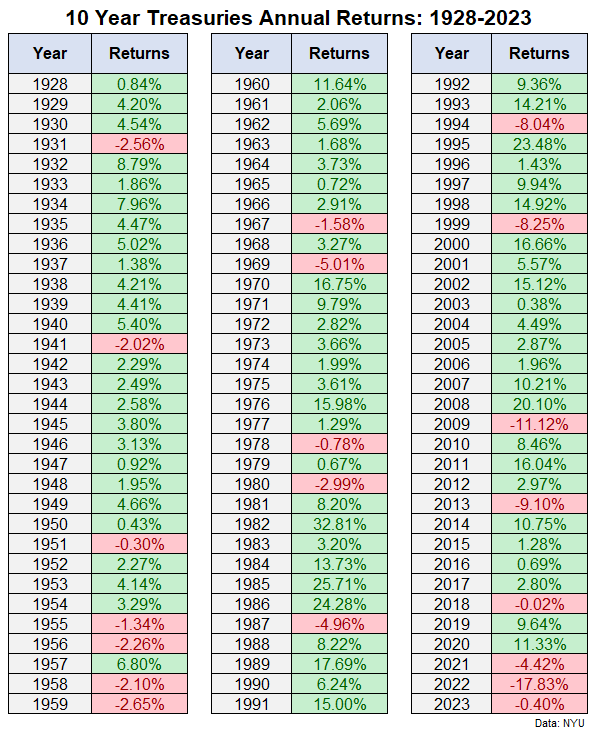
Despite bonds offering more attractive yields, investors are still allocating significant amounts of money to equities. This is because stocks have been performing well while bonds have experienced losses, particularly in the long-duration bond market. Investors have become conditioned to buying or holding stocks after they have fallen, as history has shown that stocks tend to recover. However, the bond market has not seen a similar pattern, and if interest rates continue to rise, there could be an unprecedented run of losses. Bond yields are currently at their highest levels in years, making them appealing for income-seeking investors, but the pain of bond losses may deter investors from shifting their portfolios from stocks to bonds.