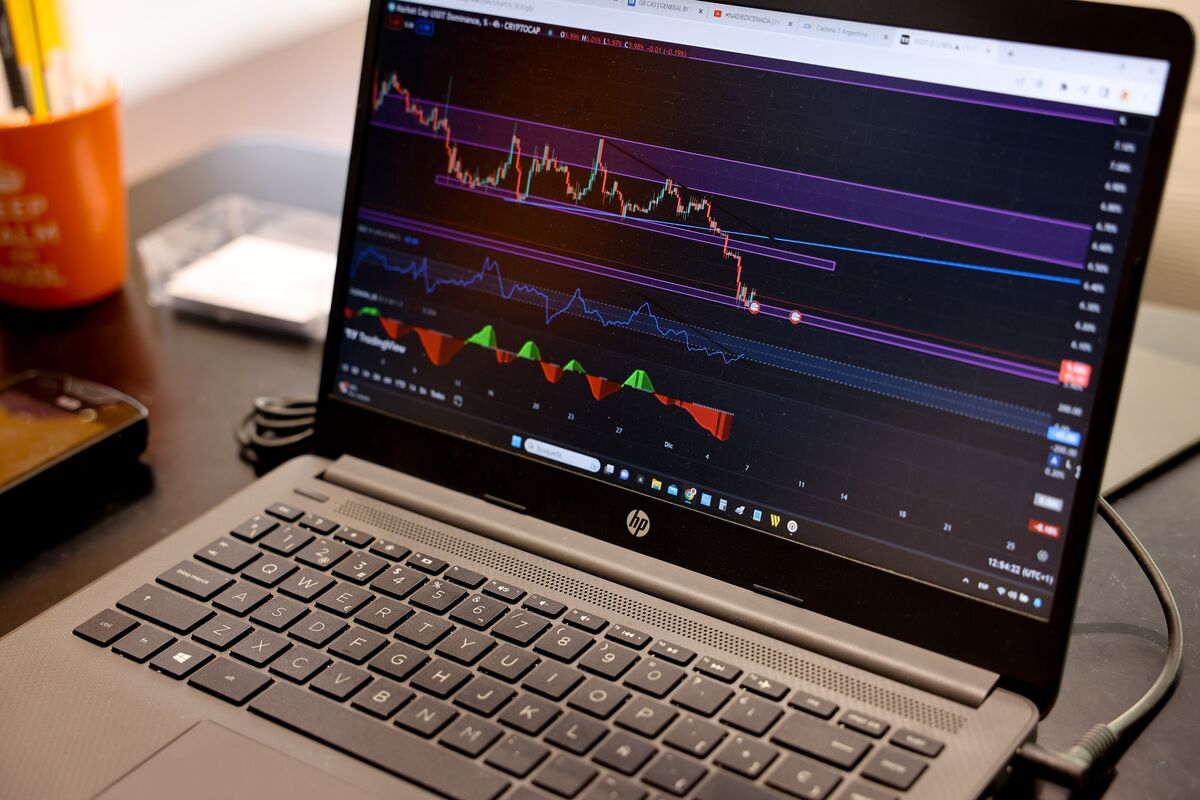
The crypto market is experiencing a significant downturn, with major promoters and digital-asset treasury firms facing losses as Bitcoin and other tokens decline in value, leading to a reevaluation of the crypto treasury model and its reliance on confidence and market sentiment.
Investor Michael Burry has taken a $1.1 billion short position against AI stocks like Nvidia and Palantir amid a global tech selloff, raising concerns about a potential market correction as major indices and tech stocks decline sharply.
A global selloff in semiconductor stocks has erased approximately $500 billion in market value due to concerns over high valuations and the sustainability of earnings growth amid rising interest rates, with major chipmakers and tech giants experiencing significant declines, signaling a potential correction after a rapid rally driven by AI demand.
Gold and silver experienced their steepest declines in years, with gold dropping over 6% and silver over 8%, driven by a combination of a strong dollar, technical overbought conditions, and market uncertainties amid US-China trade talks and a US government shutdown, signaling a potential end to their recent rally.
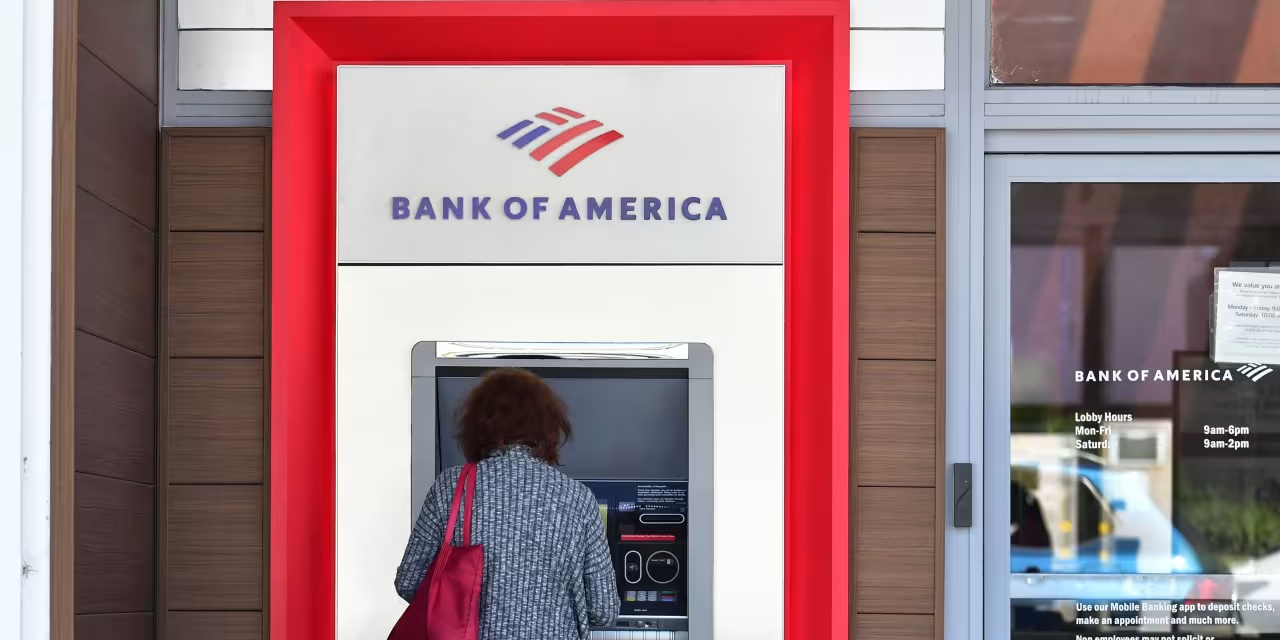
Despite JPMorgan CEO Jamie Dimon's 'cockroach' comment raising concerns about private credit risks, U.S. bank stocks, including Bank of America, are considered undervalued and poised for growth due to strong earnings, economic growth, and technological advancements, making it a good buying opportunity despite recent market declines.
On October 15, 2025, amid a significant stock market decline, retail traders aggressively bought the dip, with over 110 million options contracts traded—setting a new record and highlighting increased amateur investor activity in response to market volatility.
A sharp selloff on Wall Street was triggered by renewed U.S.-China trade tensions, with President Trump threatening to impose additional tariffs on China, leading to significant declines in major indices and raising concerns about a potential market downturn amid high valuations and AI-driven optimism.
Cryptocurrency markets, including Bitcoin, Ethereum, and Solana, declined further following a major deleveraging event, with investor fears heightened after last week's Federal Reserve rate cut and a continued risk-off sentiment impacting the crypto sector.
Cryptocurrency markets experienced a significant selloff with over $1.5 billion in bullish bets liquidated, leading to sharp declines in major tokens like Bitcoin and Ether, amid a broader market slowdown and profit-taking after recent highs.
AI stocks, including Nvidia and others, are falling as investors take profits and react to post-earnings and geopolitical news, with concerns about China's AI chip development and U.S.-China tech relations contributing to the decline amid low liquidity and seasonal trading patterns.
Global markets declined sharply following President Trump's threats to fire Fed governor Lisa Cook and impose steep tariffs on China, raising concerns about the dollar's role as a reserve currency and Fed independence. Despite some recovery hopes, fears of a weakened dollar and bond market instability persist, reflecting broader geopolitical and economic tensions.
New York Community Bancorp's stock plunged by 22% to its lowest level since 1997, extending a $4.5 billion market capitalization loss triggered by a surprise quarterly loss and dividend cut. Analysts and Moody's Investors Service have raised concerns about the bank's credit and regulatory pressures following asset-boosting deals. Interest in put options on the stock surged, and regional bank stocks have been affected, with the KBW Regional Banking Index down around 12% year-to-date.
Chinese stocks have plummeted, erasing over $6 trillion in market value since their 2021 peak, with the Hang Seng China Enterprises Index losing 11% in 2024 and the Nasdaq Golden Dragon China Index slipping for a fifth consecutive day. The market downturn is impacting the nation’s asset management industry, prompting mutual fund closures to reach a five-year high. Despite Beijing's efforts to reassure investors, including ruling out massive stimulus, uncertainties about the economy persist, leading to a loss of investor confidence and a significant underweight allocation to China by Asian fund managers.
The S&P 500 closed below its 50-day moving average for the first time since March, indicating potential further losses for U.S. stocks and suggesting that the recent stock-market selloff may not be over yet.
JPMorgan's US equity research team warns that US stocks could be headed for a selloff due to some murky, unseen catalyst, with the risk of another unknown unknown resurfacing appearing high. The team argues that equity valuations are too elevated once the economy starts to slow, and the long-anticipated recession could begin during the fourth quarter or first quarter of 2024. The team expects a more challenging macro backdrop for stocks in 2H23 with softening consumer trends at a time when equities have rerated sharply.