A groundbreaking international study found that a three-year exercise program significantly improved survival and reduced cancer spread in colon cancer patients, with benefits comparable to some medications, suggesting exercise should be a standard part of post-treatment care.
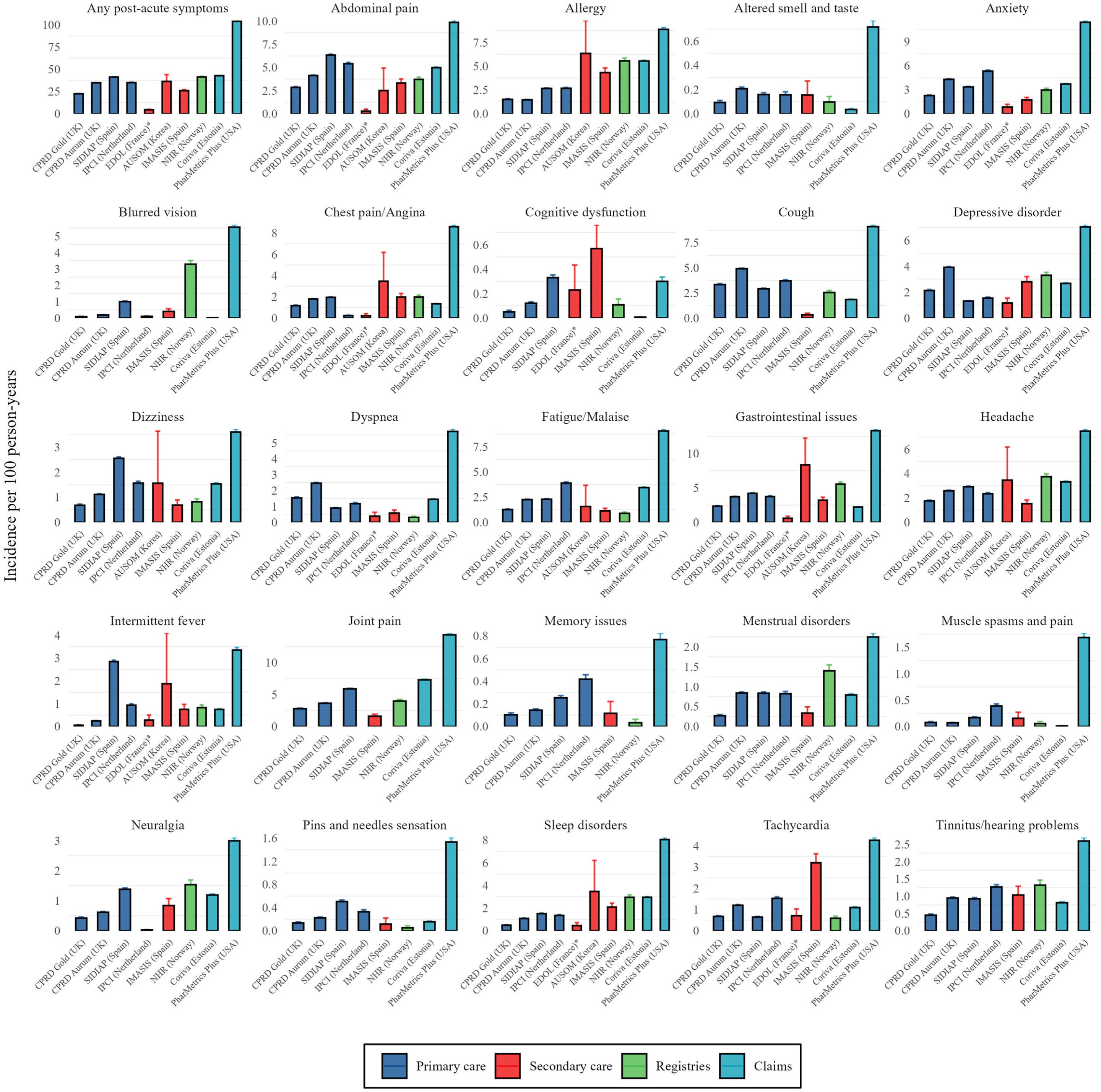
A new international study published in eClinicalMedicine analyzed data from 10 large healthcare databases across seven countries, revealing that post-acute COVID-19 symptoms are common among survivors, with joint pain, abdominal discomfort, and anxiety being the most frequently reported. The study found a 40% higher incidence of these symptoms in COVID-19 patients compared to the general population, with variations in symptom incidence based on age and gender. The research highlights the ongoing challenges in managing post-COVID conditions and underscores the need for enhanced treatment strategies and resource allocation.
A study published in the Nature Geoscience journal reveals that the 726 AD eruption of the Santorini volcano was larger than previously estimated, indicating an increased hazard potential. The findings challenge the belief that the volcano has been predominantly effusive since the Minoan eruption and suggest that it is capable of highly explosive eruptions. The study warns that a similar event today could have severe consequences for Santorini and its neighboring areas, including tsunamis, pumice rafts, and significant impacts on coastal communities, aviation, and maritime transportation.
A comprehensive international study involving tens of thousands of participants from dozens of countries suggests that problematic pornography use might have a prevalence rate as high as 16.6%. The research sheds light on how this issue affects people globally, across genders and sexual orientations. Despite increasing moral panic around pornography, the study emphasizes the need to better understand and provide appropriate care for individuals experiencing problematic pornography use. The findings also highlight a gap between the need for support and the actual utilization of treatment services, with only a small fraction of those with problematic pornography use seeking treatment. The study aims to pave the way for more effective interventions by identifying risk and protective factors that contribute to the development of problematic vs non-problematic pornography use.
A new international study examines problematic pornography use (PPU) across 42 countries, involving over 82,000 people of diverse genders and sexual orientations, highlighting that up to 94% of adults have engaged with pornography, with around 3% potentially experiencing PPU without significant differences across sexual orientations or gender identities. The research underscores the need for greater understanding and support for those struggling with PPU, challenging societal norms and stigmas surrounding pornography consumption. The study also validates measures to assess the severity of PPU across languages, countries, genders, and sexual orientations, emphasizing the importance of addressing this issue and providing resources for those affected.
Almost 5% of people worldwide may be at high risk of experiencing Compulsive Sexual Behavior Disorder (CSBD), according to a new international study conducted in 42 countries. However, only 14% of them have ever sought treatment for these behaviors. Men reported the highest levels of CSBD, followed by gender-diverse individuals, and then women. The high-risk CSBD group used pornography more frequently, masturbated more frequently, had more sexual partners in their life, had more casual sexual partners in the past year, and engaged in sexual activities with casual sexual partners more frequently than people in the low-risk CSBD group.