NASA faces a nearly 25% budget cut proposed for 2026, which could lead to mission cancellations, restructuring, and job losses, but also presents an opportunity for reform and increased reliance on commercial space capabilities.
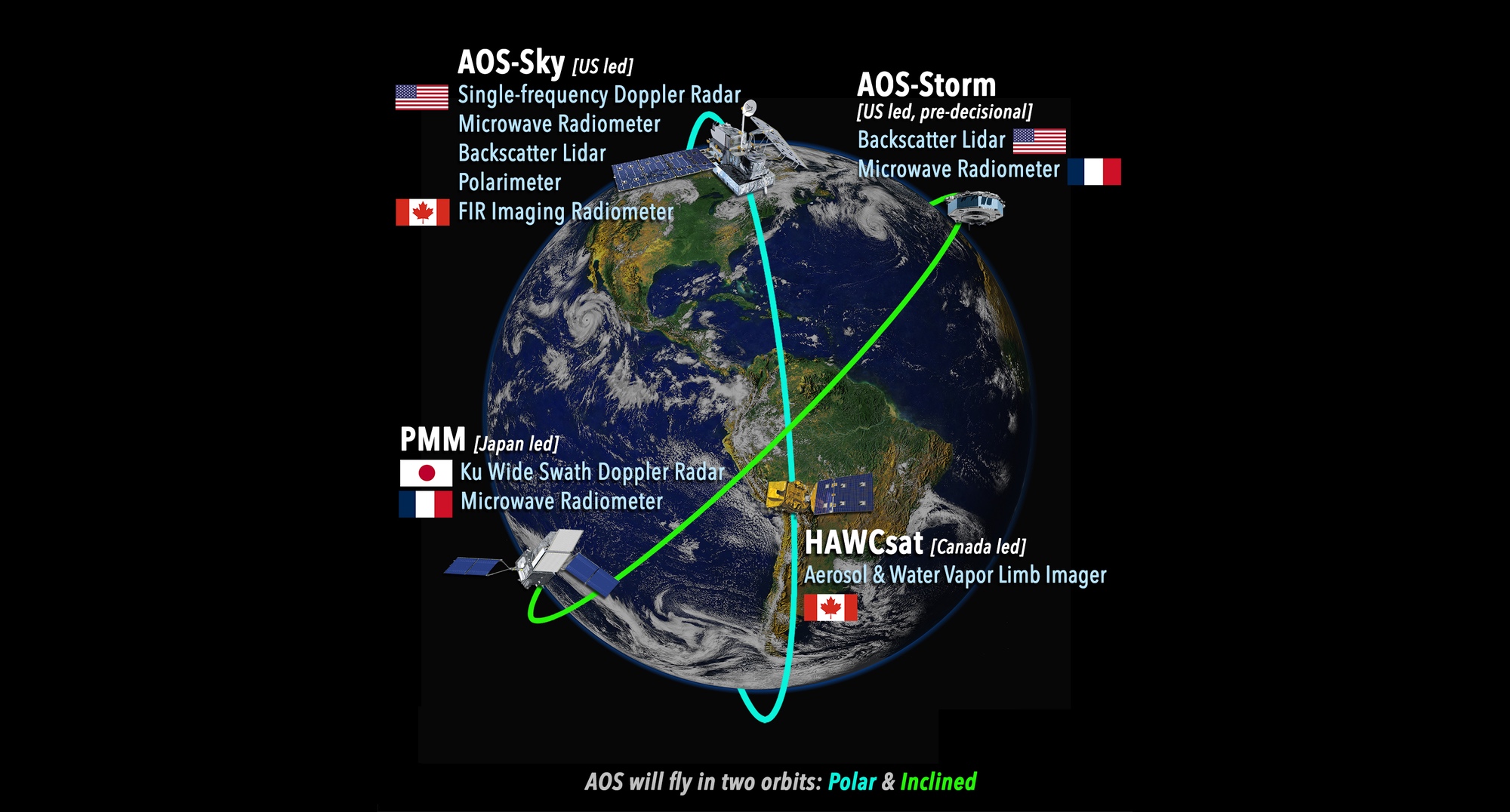
NASA is restructuring its Earth System Observatory missions to reduce costs, delaying some and relying more on international partners. The agency's fiscal year 2025 budget proposal projects spending about $12.25 billion on Earth science between fiscal years 2025 and 2029, nearly $1.2 billion less than the previous proposal. The strategy includes splitting large missions into smaller ones, making greater use of international partnerships, and opening some missions up to competition. This approach saves money through partnerships and by flying smaller missions when they are ready rather than waiting to complete a larger mission.
The French Space Agency CNES plans to establish virtual hubs in Denver and Houston for Connect by CNES, a government initiative to promote space-related innovation and collaboration between French and American aerospace companies. The goal is to create jobs in both countries and support the growing NewSpace ecosystem. France's NewSpace sector is thriving, with an average of one startup established per week, and the government has allocated 1.5 billion euros towards investment in space technologies over five years. The hubs will focus on areas such as human spaceflight, moon programs, military space, cybersecurity, space medicine, and educational exchanges.
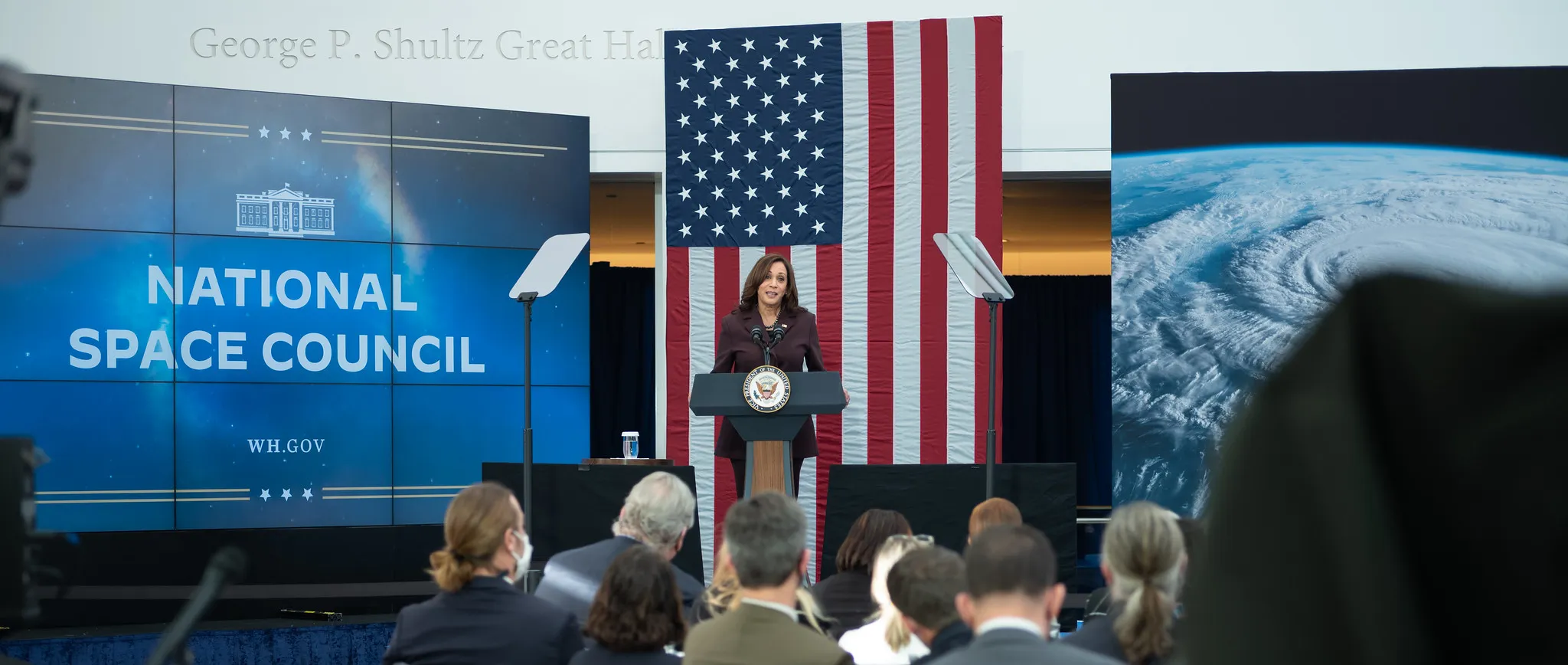
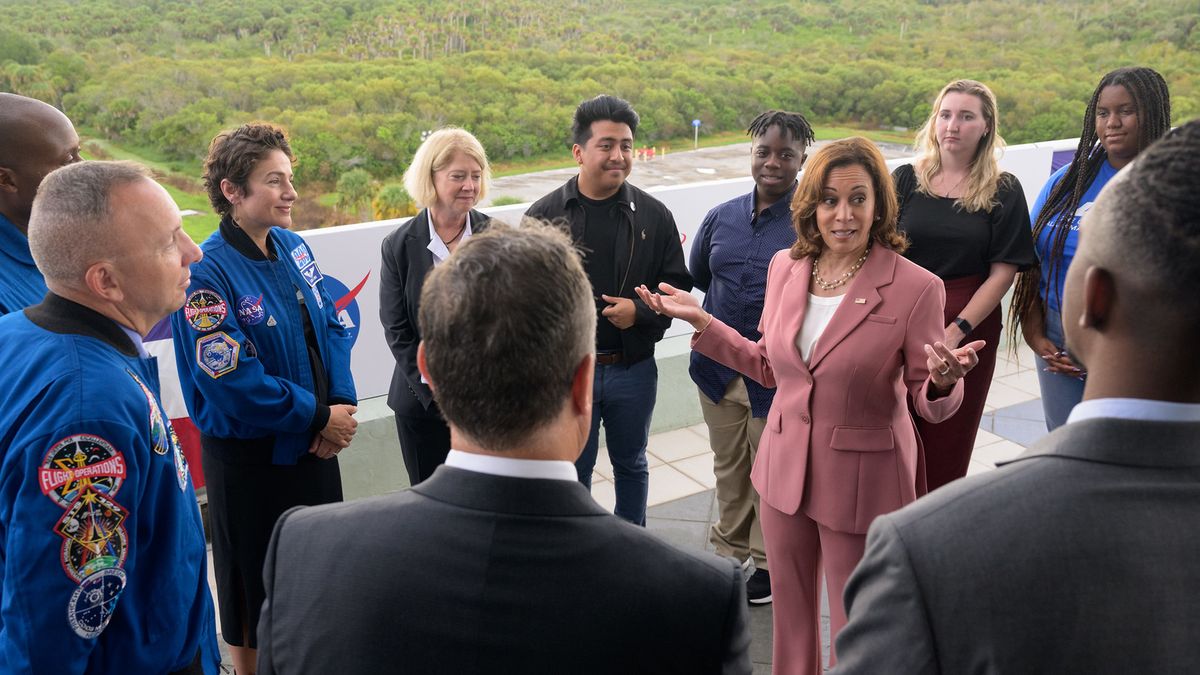
NASA will participate in a meeting of the National Space Council chaired by Vice President Kamala Harris, focusing on international partnerships. NASA Deputy Administrator Pam Melroy and astronaut Jeremy Hansen will represent the agency, and coverage of the meeting will be available on NASA+ streaming service, NASA Television, YouTube, and the agency's website. Deputy Administrator Melroy will discuss the societal benefits of NASA's space exploration and its Earth science missions, as well as collaboration with international partners for a sustainable human presence in space.
Vice President Kamala Harris will lead her third National Space Council (NSC) meeting, focusing on international partnerships. The meeting will include representatives from NASA and other federal government agencies. The Canadian Space Agency (CSA), a member of the NASA-led Artemis Accords, will be represented by CSA astronaut Jeremy Hansen. The NSC helps shape American space policy and is composed of high-ranking government officials. Harris previously highlighted space priorities such as studying climate change and addressing space debris.
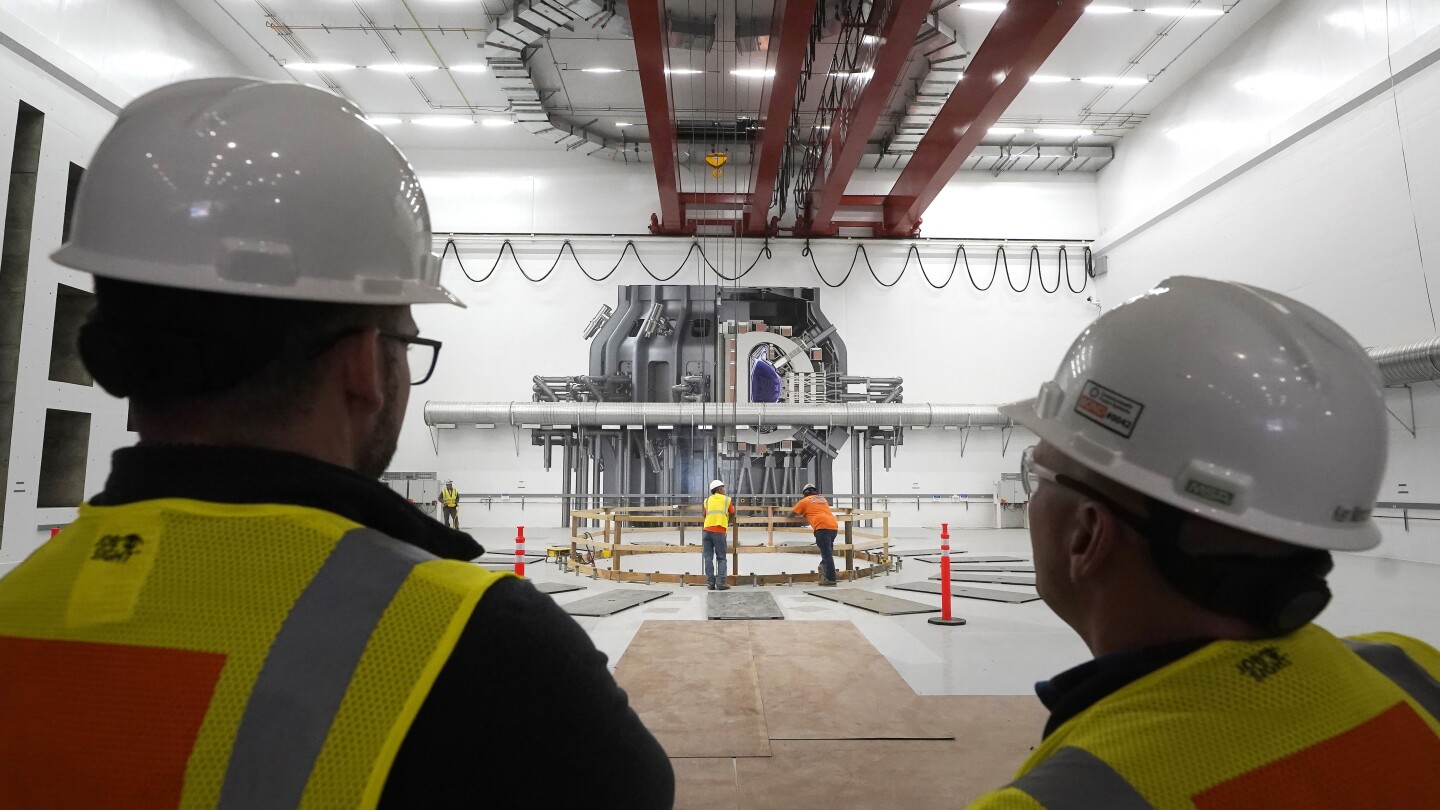
The United States has unveiled a global strategy to accelerate the commercialization of nuclear fusion as a clean energy source. Nuclear fusion, which combines hydrogen atoms to produce energy, has the potential to replace fossil fuels and combat climate change. The strategy focuses on international partnerships in areas such as research, supply chain, regulation, workforce, and public engagement. The United States and the United Kingdom have already partnered to accelerate fusion energy development, while other countries like China and Russia are also investing heavily in fusion research. Despite the challenges, fusion companies are optimistic about delivering power to the grid before 2035. Commonwealth Fusion Systems, a leading fusion company, aims to build a prototype tokamak by 2026 and a commercial power plant by the early 2030s.
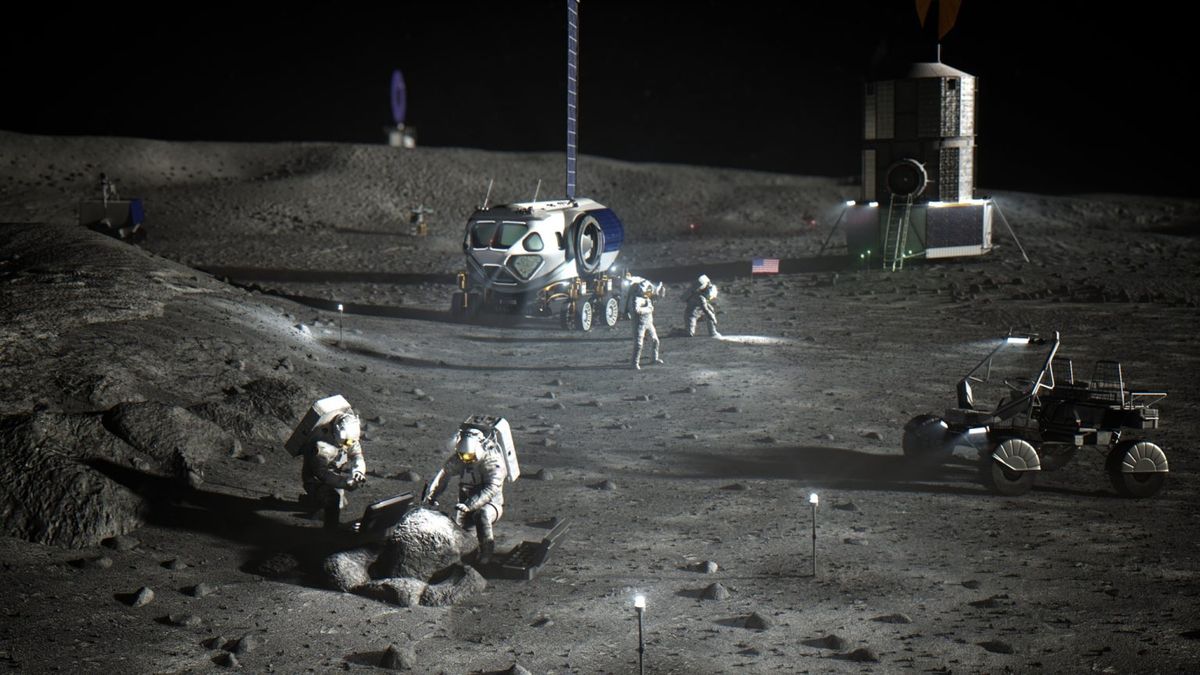
NASA's Artemis program may build multiple moon bases instead of a single Artemis Base Camp at the lunar south pole. The agency is studying whether it is a better idea to have a distributed approach with multiple moon bases, including some potentially contributed by international partners like the European Space Agency, Canada or Japan. Having multiple, smaller Artemis bases on the moon may yield better science and access to the lunar surface. NASA's next Artemis mission is Artemis 2, which will launch four astronauts around the moon no earlier than November 2024.