European nations Britain, France, and Germany have notified the UN of Iran's breach of the 2015 nuclear deal, initiating a 30-day consultation period to potentially reinstate sanctions, amid ongoing tensions over Iran's nuclear activities and negotiations.
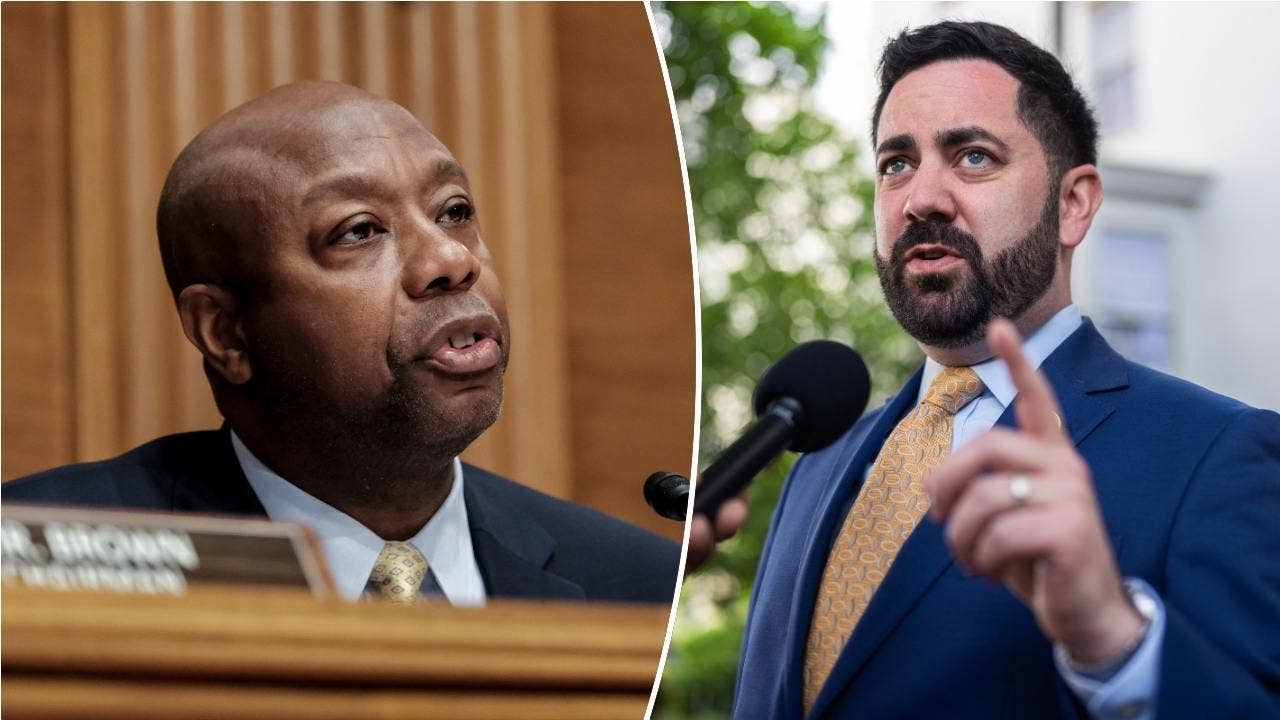
Republican lawmakers Sen. Tim Scott and Rep. Mike Lawler are urging the Biden administration to censure Iran at the next IAEA meeting and take steps to prevent Iran from acquiring nuclear weapons. They introduced a resolution calling for the issue to be referred to the U.N. Security Council and for sanctions on Iran's nuclear and missile programs. The resolution emphasizes the need for a coordinated international response to Iran's nuclear activities, which have intensified since the collapse of the 2015 nuclear deal. Critics argue that the Biden administration's strategy has failed to contain Iran's nuclear ambitions.
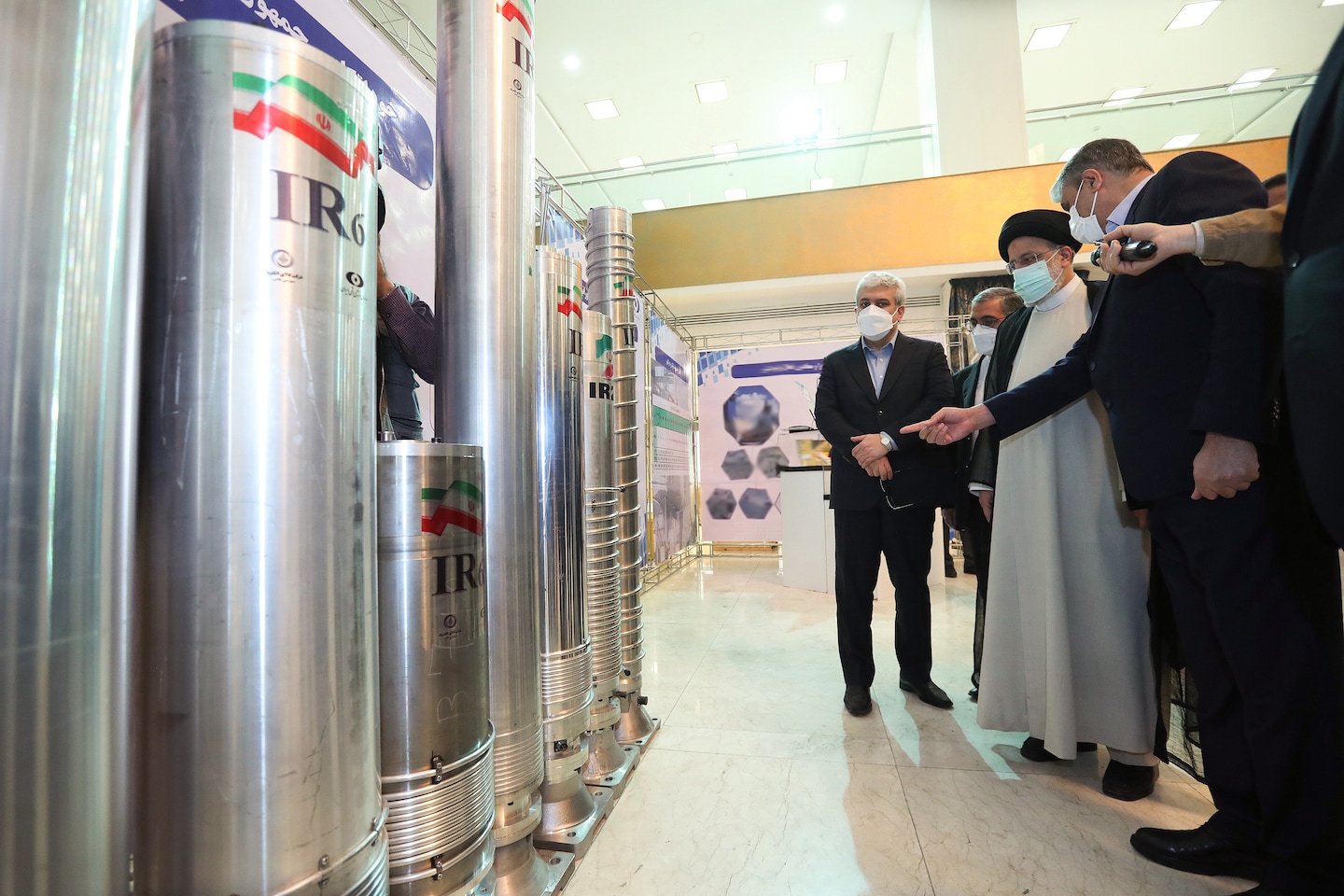
Iran has been steadily advancing towards nuclear weapons capability since the collapse of the 2015 nuclear deal, with its Fordow facility now producing highly enriched uranium at an alarming rate. Despite Iran's denial of intentions to build nuclear weapons, it currently possesses enough highly enriched uranium for at least three bombs and has the technological know-how to build a crude nuclear device. The collapse of the deal has limited the International Atomic Energy Agency's ability to monitor Iran's activities, and efforts to revive the deal have been futile, leaving Iran dancing on the edge of nuclear capability.
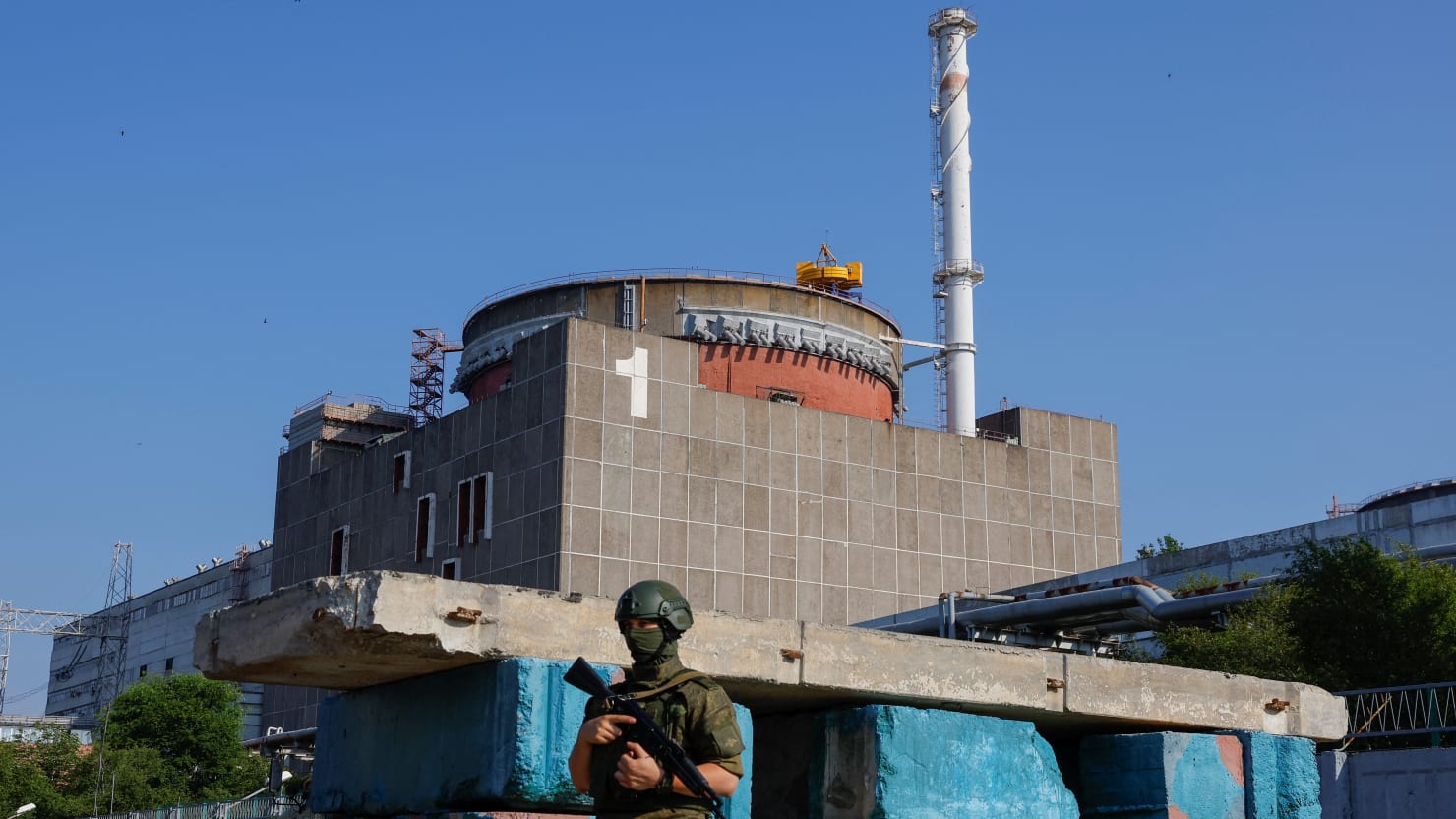
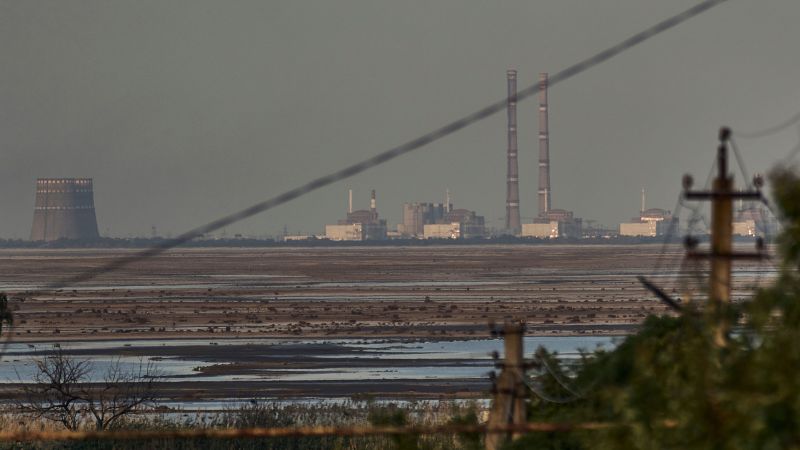
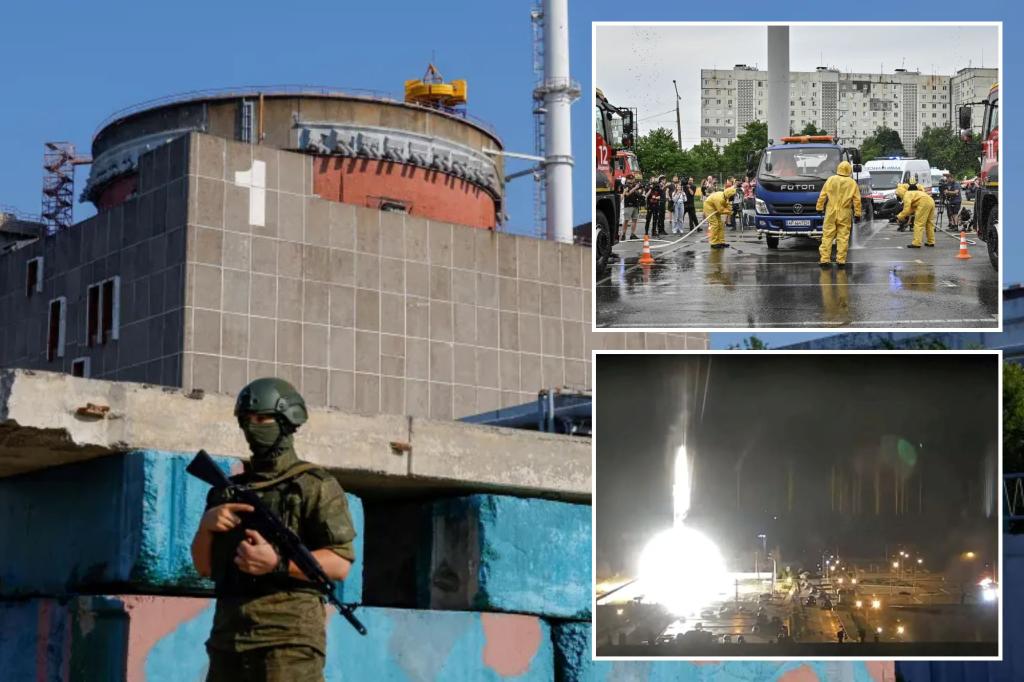
The Zaporizhzhia nuclear power plant in Ukraine was targeted by drone attacks, raising the risk of a major nuclear accident, according to the International Atomic Energy Agency (IAEA). Russia, which has occupied the plant, blamed Ukraine for the attacks, while Kyiv denied involvement. The IAEA condemned the attacks and called for their immediate cessation, with experts inspecting the affected sites. Despite the incidents, the IAEA assured that nuclear safety was not compromised and urged military decision makers to refrain from actions that violate the protection of nuclear facilities.
The Zaporizhzhia Nuclear Power Plant in Ukraine was damaged in a drone attack, with the International Atomic Energy Agency calling it a serious incident that has the potential to undermine the integrity of the reactor's containment system. The Russian-controlled facility sustained three direct hits against the main reactor containment, resulting in one fatality. Russian authorities accused the Ukrainian military of carrying out the attacks, while Ukraine denied any involvement. The IAEA emphasized that the damage has not compromised nuclear safety and urged military decision makers to abstain from actions violating the basic principles protecting nuclear facilities.
Ukrainian forces detonated a drone against the dome covering a shut-down nuclear reactor at the Russian-occupied Zaporizhzhia Nuclear Power Plant in southeast Ukraine. The International Atomic Energy Agency confirmed the attack, but Russian officials claimed there was no serious damage and radiation levels remained normal. The IAEA warned both Ukraine and Russia to avoid actions that could jeopardize nuclear safety at the plant, which has been the subject of ongoing conflict and accusations between the two countries.
Western officials are concerned by recent statements from Iranian leaders suggesting the country has the necessary components and fuel for nuclear weapons. Former Atomic Energy Organization head Ali Akbar Salehi's comments drew a rebuke from the head of the International Atomic Energy Agency, who has been in a standoff with Iran over access to suspected nuclear sites. The claims have increased since a Hamas attack on Israel, and the IAEA has warned of Iran's increased uranium production.
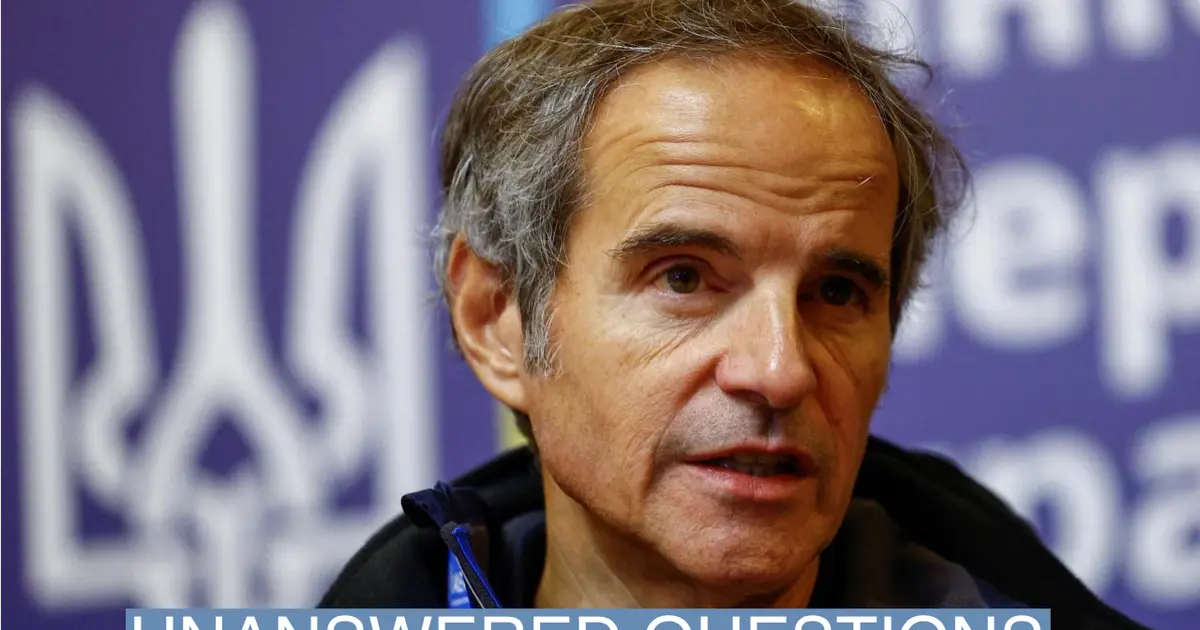
The head of the International Atomic Energy Agency, Rafael Mariano Grossi, warned that Iran is not entirely transparent about its nuclear activities, citing recent remarks by an Iranian official indicating that the country has all the components for a nuclear weapon. This comes amid heightened tensions in the Middle East, with Iran pursuing nuclear enrichment just below weapons-grade levels following the collapse of the 2015 nuclear deal. Grossi expressed concerns about loose talk regarding nuclear weapons and emphasized the need for transparency and oversight, as Iran is a signatory to the Treaty on the Non-Proliferation of Nuclear Weapons.
American physicist David Albright reported that Iran could produce enough uranium for a nuclear bomb in about a week, with the capability to produce enough for multiple weapons within months. He also warned that Western intelligence agencies may struggle to detect Iran's nuclear weaponization efforts and recommended a strategy to deter Iran from pursuing nuclear weapons, including bolstering military cooperation with Israel and regional partners. The head of the International Atomic Energy Agency confirmed that Iran is enriching uranium at a very high level, close to weapons grade.
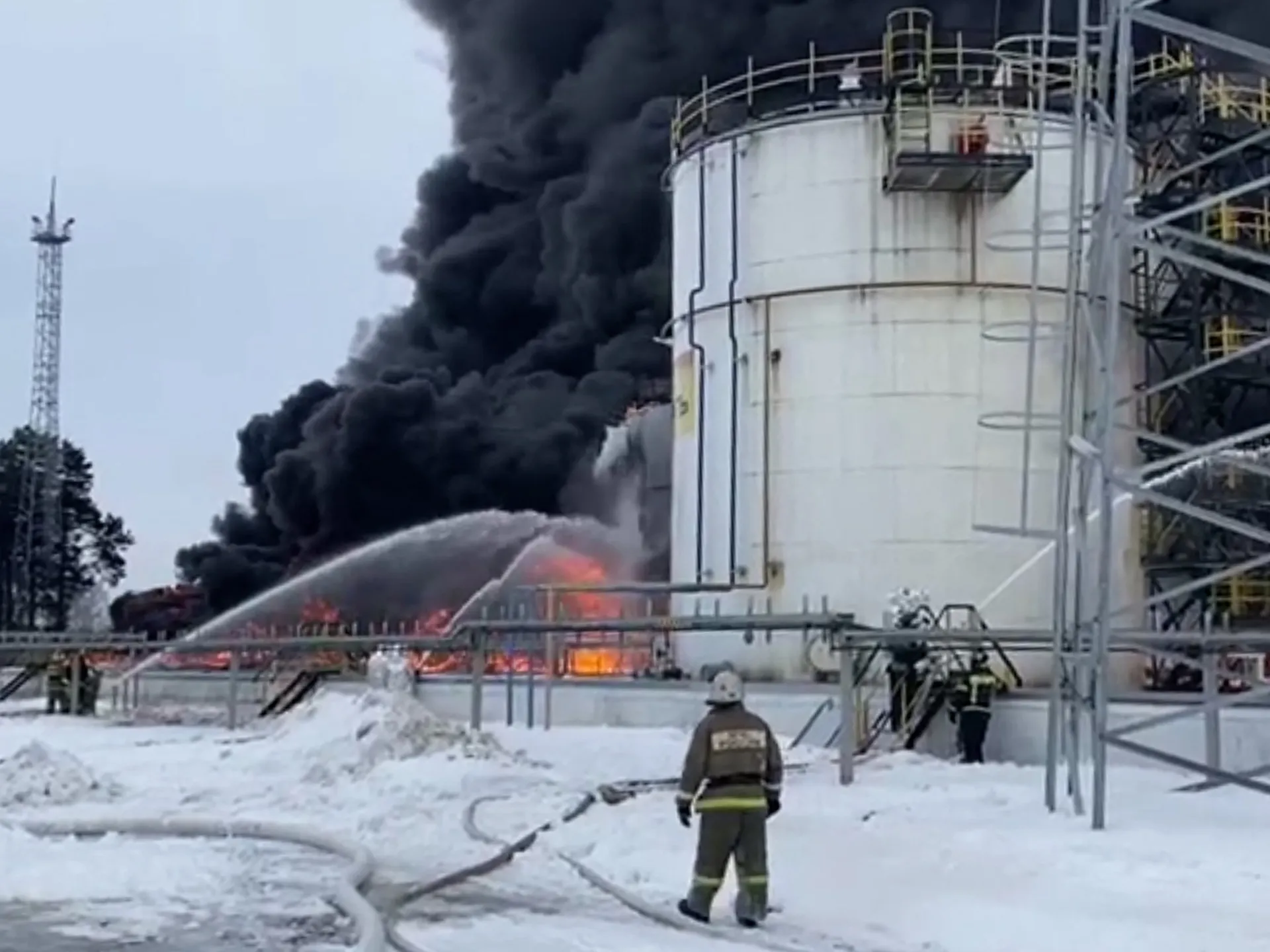
On the 696th day of the Russia-Ukraine war, key events include Ukraine's attack on an oil depot in western Russia, Russian shelling in Ukraine's Kharkiv region, and the International Atomic Energy Agency's report of landmines surrounding the Zaporizhzhia nuclear power plant. The European Union plans to increase ammunition production and impose new sanctions on Russia, while Finland downplays immediate military threat from Russia. Diplomatic tensions continue as Ukraine calls on Western nations to stop Russia from sourcing key weapon parts, and Russia denies the prospect of reviving the Black Sea grain deal. Additionally, a court in Siberia sentenced a truck driver for shooting a military officer, and prosecutors in Saint Petersburg seek a 28-year sentence for a woman charged in a bombing case.
The UN's International Atomic Energy Agency has warned that Iran has accumulated enough enriched uranium to potentially produce "several" nuclear warheads, with Iranian proxies increasing attacks and Tehran withdrawing experienced inspectors. The Biden administration's policy of sanctions relief has been criticized for emboldening Iran's support for terrorism, while the IAEA director general expressed frustration over Iran's lack of transparency. Despite Iran's denial of seeking nuclear weapons, concerns persist over its nuclear capabilities and intentions.
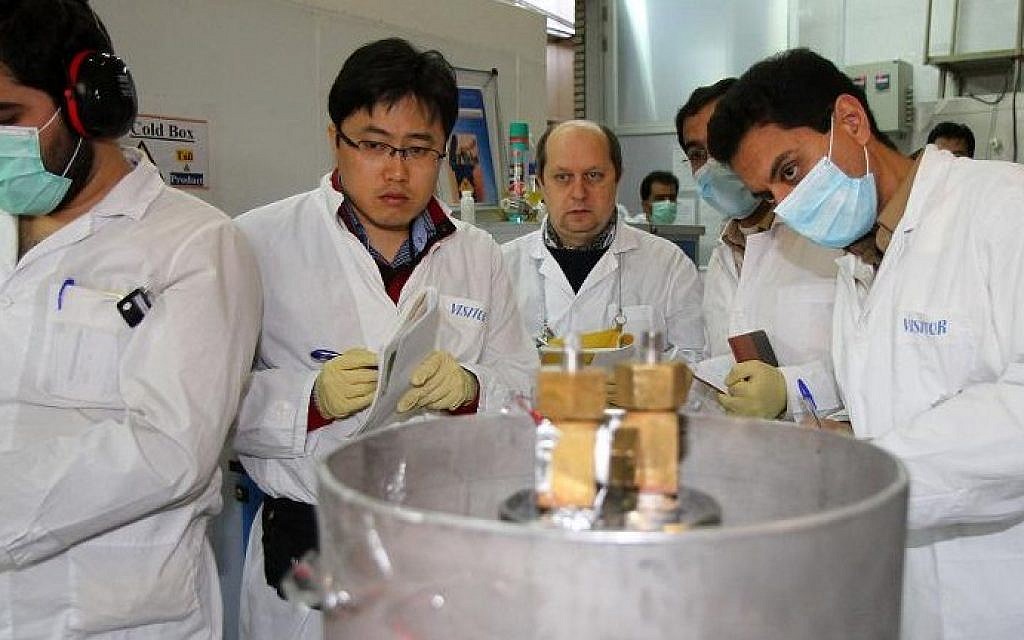
Iran is impeding international efforts to inspect its nuclear program while increasing its production of highly-enriched uranium, potentially enough to build several atomic warheads, according to International Atomic Energy Agency inspectors.
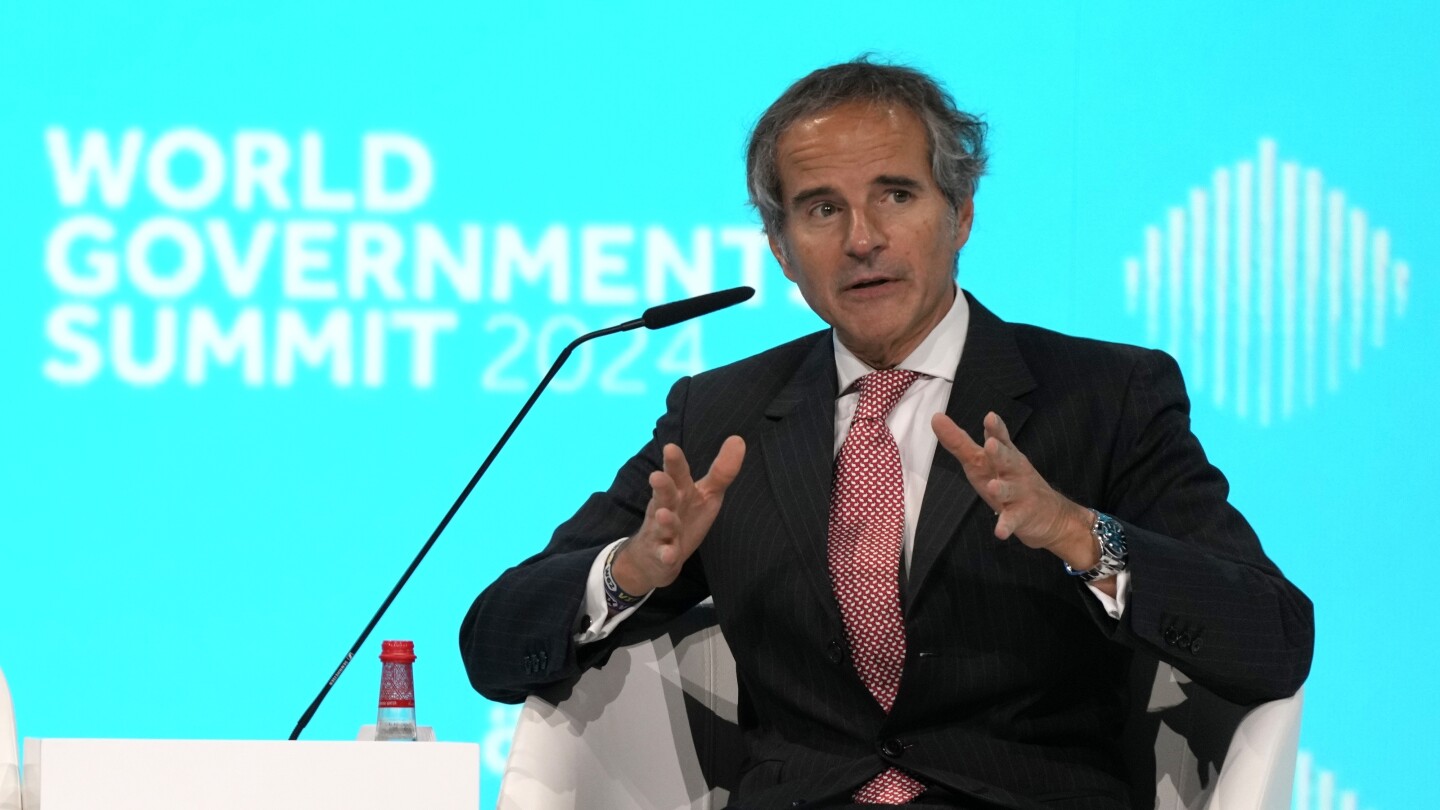
The head of the International Atomic Energy Agency, Rafael Mariano Grossi, expressed support for nuclear power as a solution to climate change and increasing electricity demand at the COP28 climate talks. He highlighted the shift in thinking on atomic power and the inclusion of nuclear energy at the summit, which was previously considered taboo. Grossi also acknowledged the challenges in monitoring nuclear programs, particularly in Iran after the collapse of the 2015 nuclear deal. He warned against the potential domino effect of more countries acquiring nuclear weapons and emphasized the importance of a widespread approach to prevent nuclear proliferation.
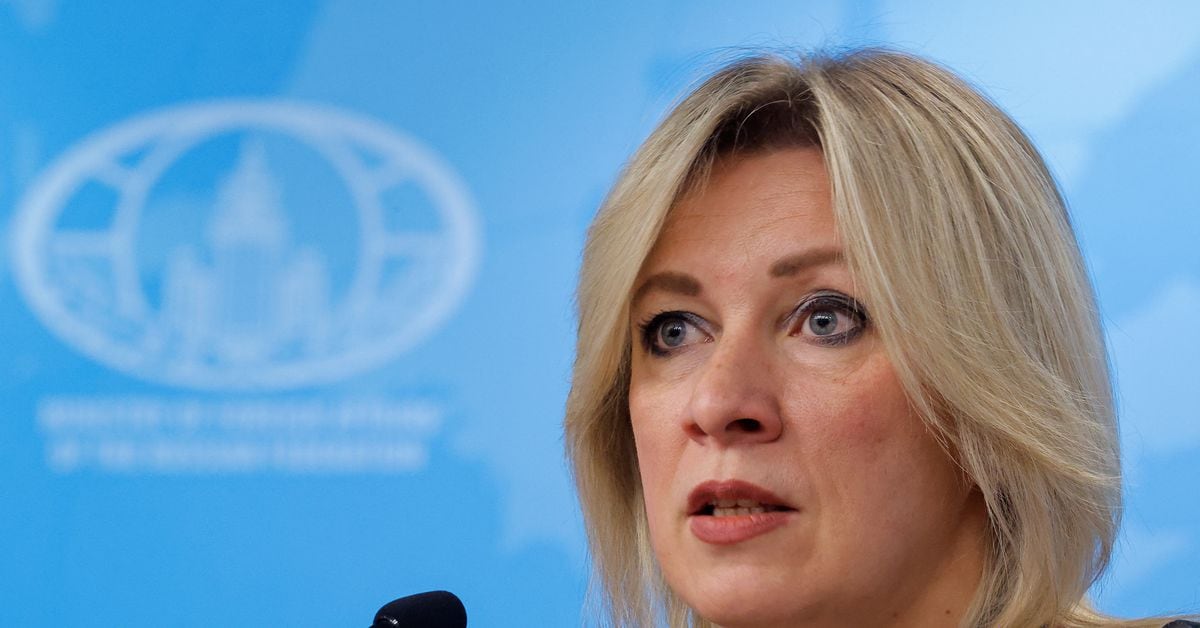
Russia's foreign ministry has expressed concern over a remark made by an Israeli junior minister, Amihay Eliyahu, who appeared to suggest openness to the idea of Israel carrying out a nuclear strike on Gaza. The ministry spokesperson, Maria Zakharova, stated that this statement raised numerous questions, particularly regarding Israel's admission of possessing nuclear weapons, which it does not publicly acknowledge. Zakharova called for the involvement of the International Atomic Energy Agency and international nuclear inspectors to address this issue. Eliyahu's remark has drawn condemnation from the Arab world, Israeli broadcasters, and Iran, which called for immediate international action to disarm Israel.
The European Union has expressed deep concern over Iran's decision to withdraw accreditation from several inspectors from the International Atomic Energy Agency (IAEA), warning that it will seriously hinder the agency's ability to monitor Iran's nuclear program. The move is seen as a retaliation against the US, France, Germany, and Britain for alleged political abuses. The EU has urged Iran to reconsider its decision without delay, as efforts to revive the 2015 nuclear deal have so far been unsuccessful.