Iran's Nuclear Developments and International Negotiations
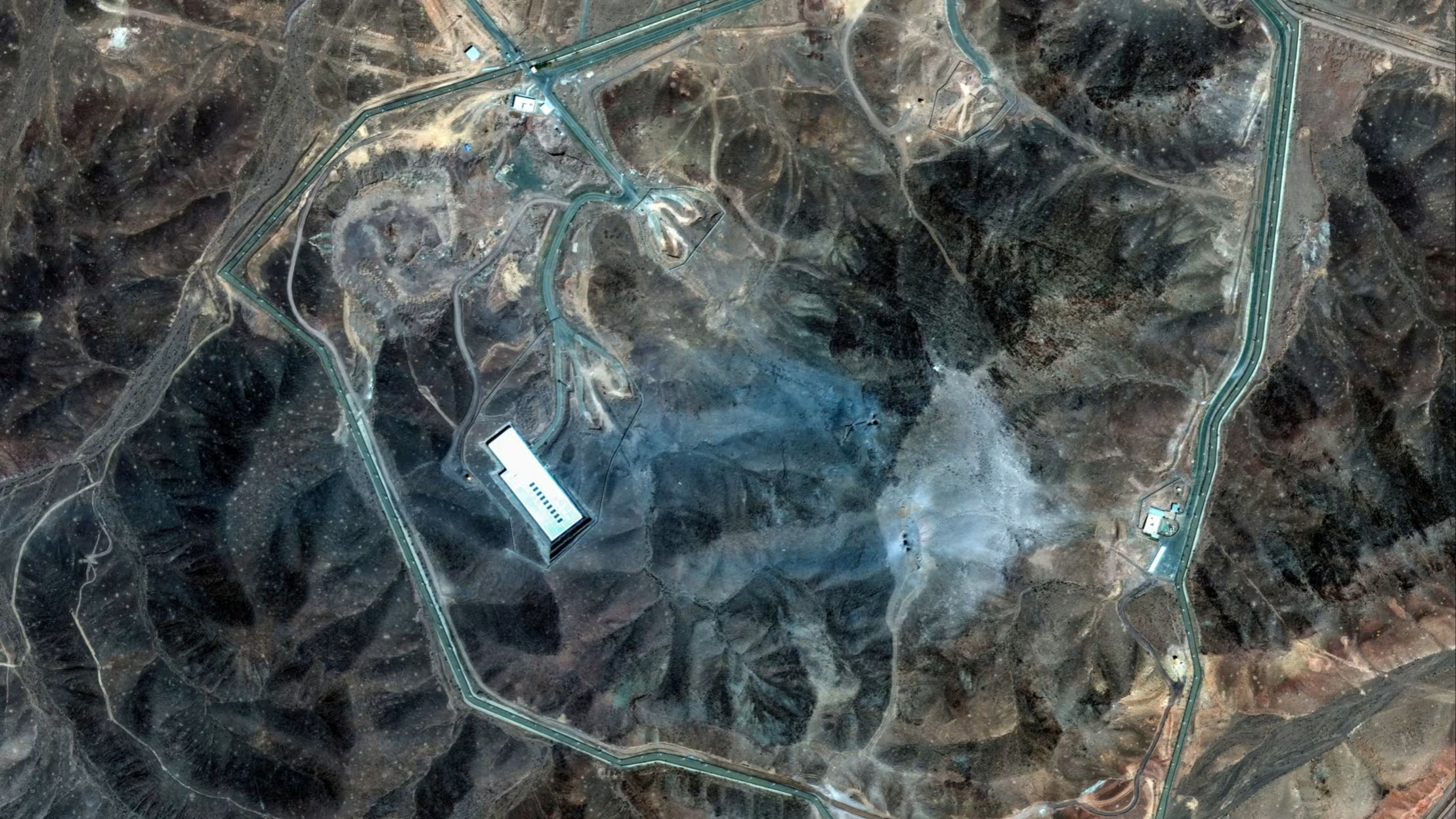
Iran claims to have buried its enriched uranium stockpile under sites that have been targeted by bombings, raising concerns about nuclear security and transparency.

All articles tagged with #enriched uranium
Iran claims to have buried its enriched uranium stockpile under sites that have been targeted by bombings, raising concerns about nuclear security and transparency.

The IAEA chief Rafael Grossi states Iran could produce enriched uranium within months despite recent damage to nuclear sites from US and Israeli strikes, raising concerns about Iran's nuclear capabilities and stockpile security amid ongoing tensions.
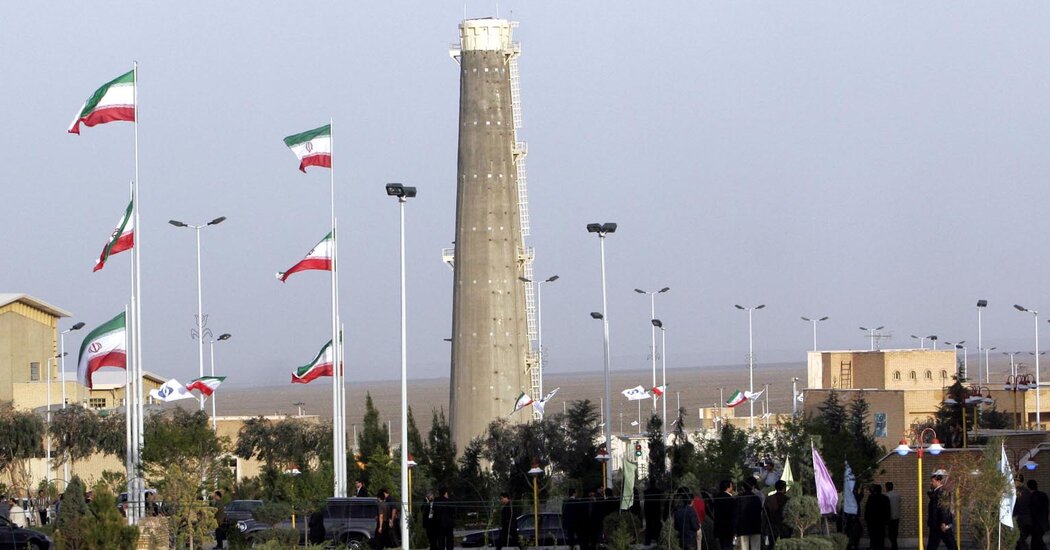
The fate of Iran's 880-pound stockpile of near-bomb-grade uranium remains uncertain after US and Israeli strikes damaged key nuclear sites, with conflicting intelligence on whether Iran has moved or destroyed the material, raising concerns about Iran's potential to quickly develop a nuclear weapon despite setbacks to its nuclear program.
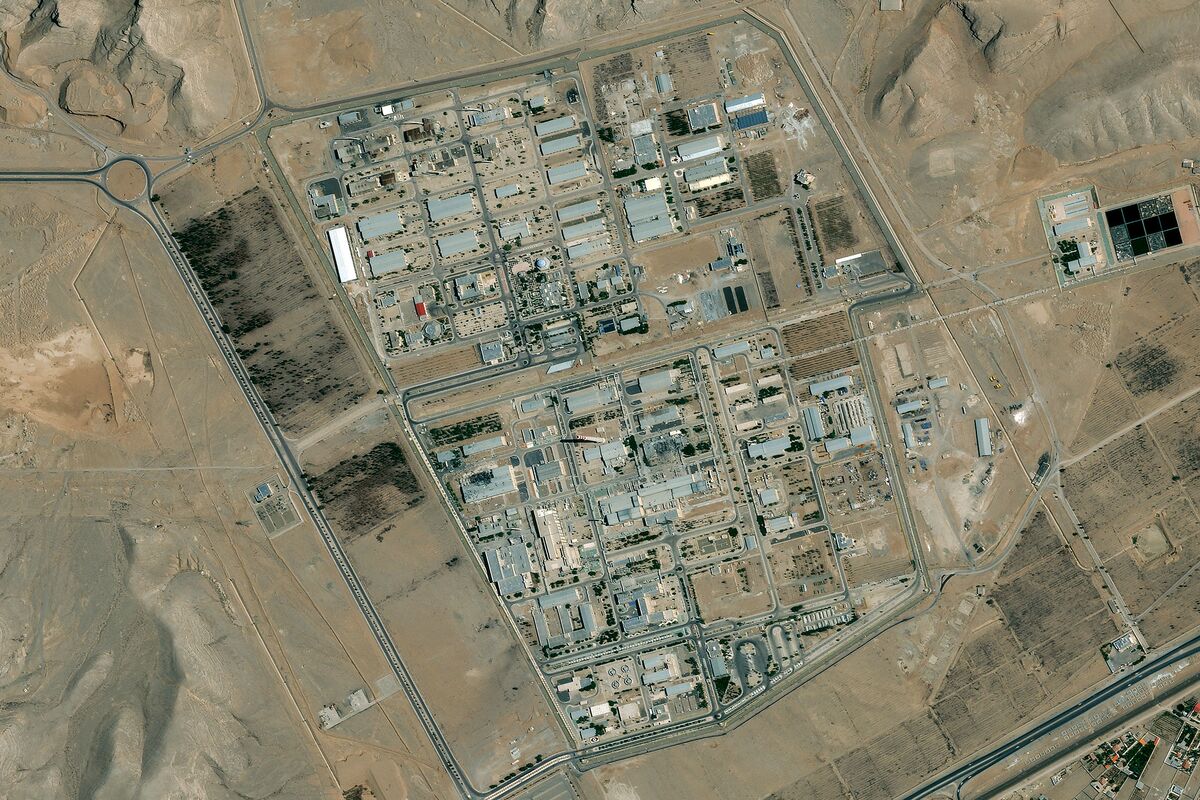
The UN nuclear watchdog reports that Iran's stockpile of near-bomb-grade enriched uranium is currently unverified due to Israeli military actions hindering inspections, raising concerns about the security and potential diversion of nuclear material amid ongoing conflict.

The US has proposed a new nuclear deal to Iran following a UN report indicating Iran's increased uranium enrichment, with ongoing negotiations and tensions over Iran's nuclear program and potential weapons development.
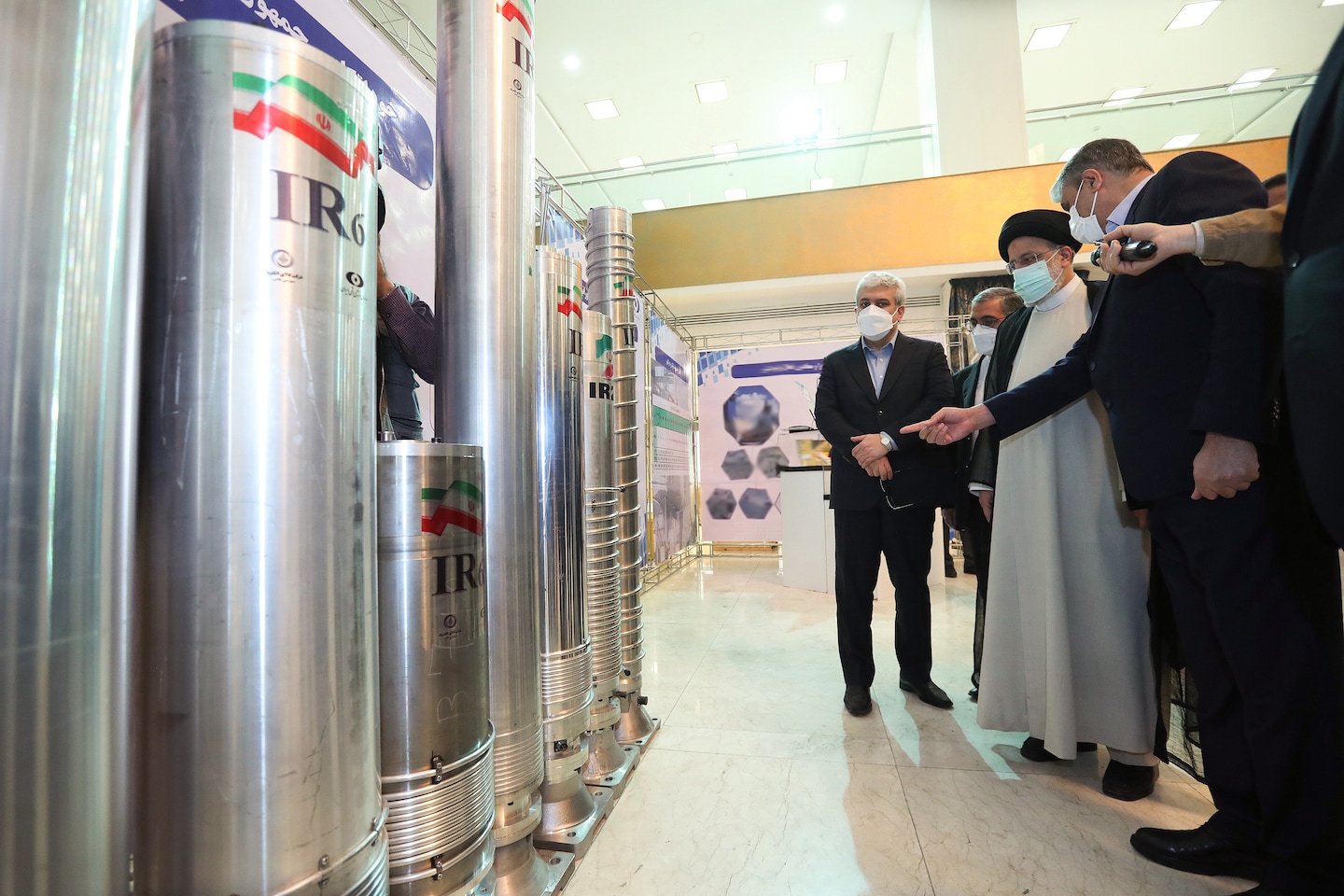
Iran has been steadily advancing towards nuclear weapons capability since the collapse of the 2015 nuclear deal, with its Fordow facility now producing highly enriched uranium at an alarming rate. Despite Iran's denial of intentions to build nuclear weapons, it currently possesses enough highly enriched uranium for at least three bombs and has the technological know-how to build a crude nuclear device. The collapse of the deal has limited the International Atomic Energy Agency's ability to monitor Iran's activities, and efforts to revive the deal have been futile, leaving Iran dancing on the edge of nuclear capability.
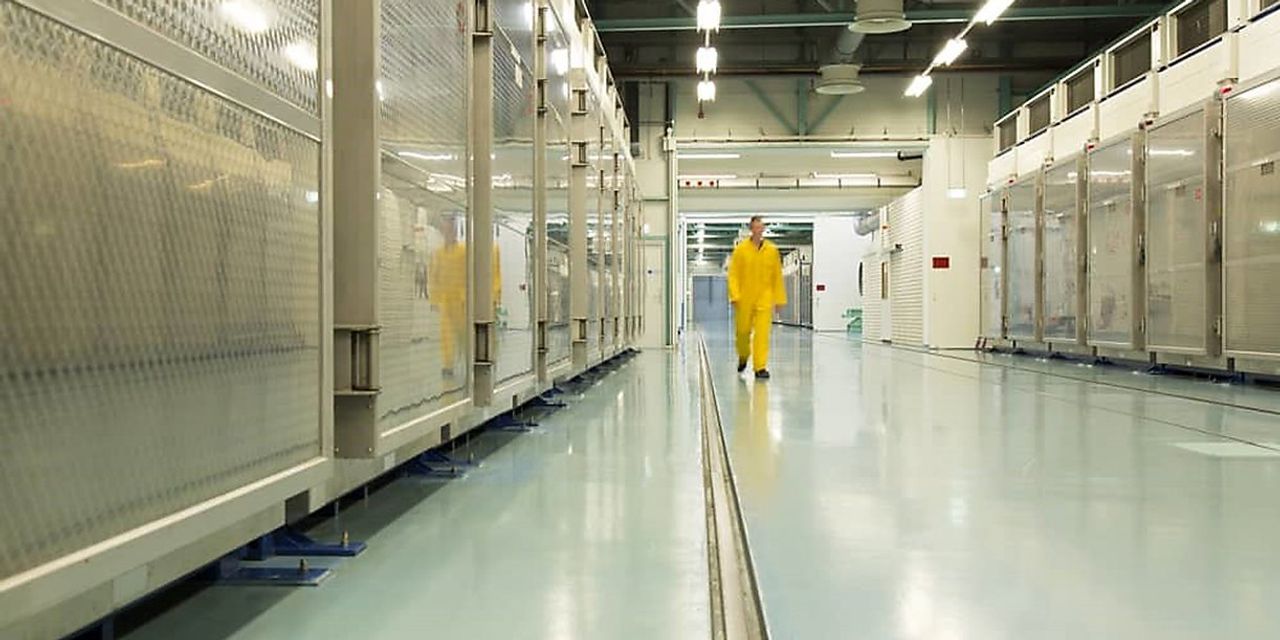
Iran has significantly slowed its accumulation of near-weapons-grade enriched uranium in recent months, according to the United Nations' atomic agency. This move is seen as an attempt to ease tensions with the United States and potentially pave the way for broader negotiations regarding Iran's nuclear program.
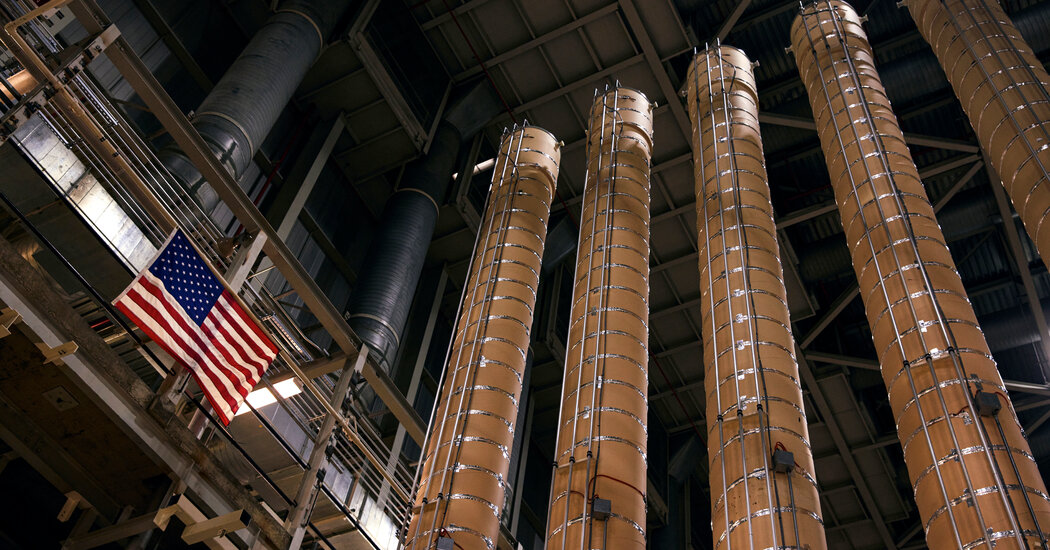
American companies are paying around $1 billion a year to Russia’s state-owned nuclear agency to buy the fuel that generates more than half of the United States’ emissions-free energy. The United States’ reliance on nuclear power is primed to grow as the country aims to decrease reliance on fossil fuels. But no American-owned company enriches uranium. Roughly a third of enriched uranium used in the United States is now imported from Russia, the world’s cheapest producer. The American Centrifuge Plant in Ohio will be key to producing another, more concentrated form of enriched uranium crucial to the development of smaller, safer and more efficient next-generation reactors.
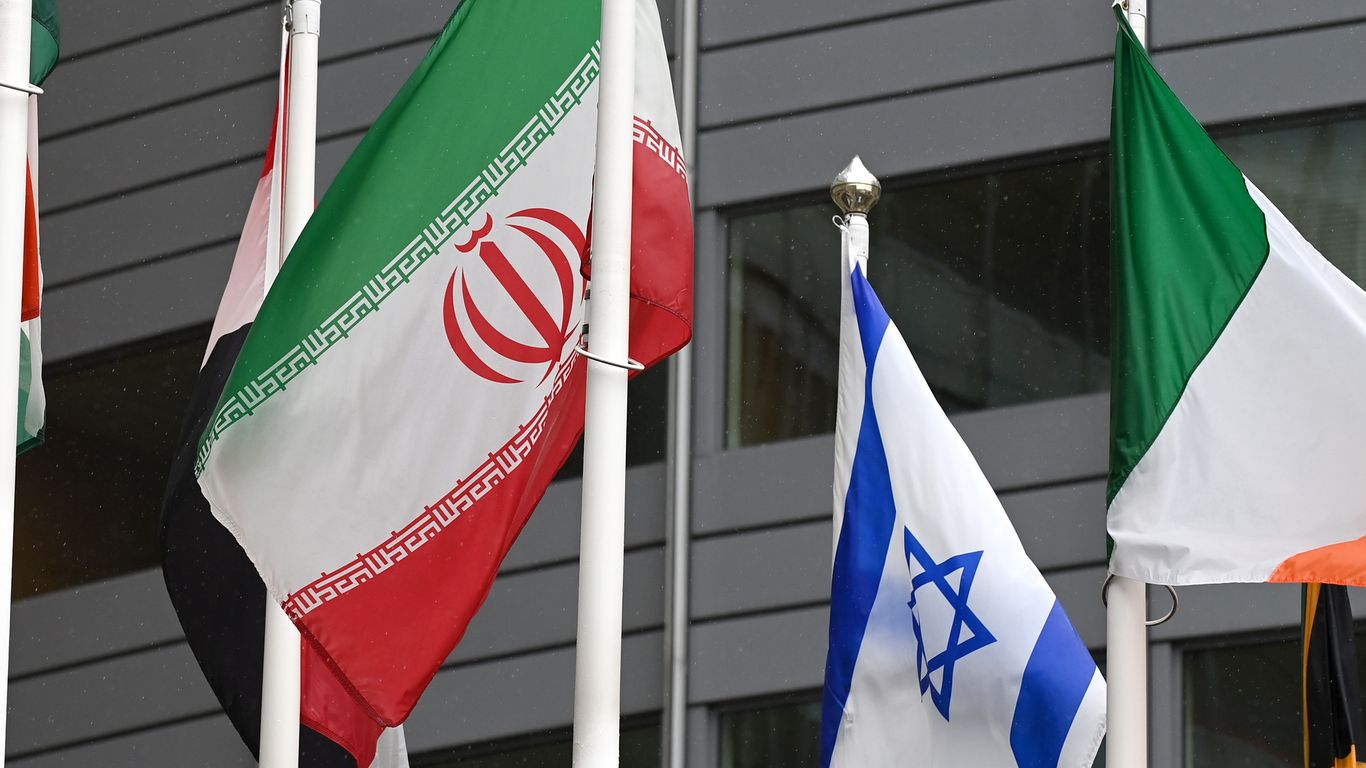
Israel has warned the US and European countries that Iran's enrichment of uranium above 60% could trigger a military strike, according to a senior Israeli official. Israel has increased its private and public threats of military action against Tehran in recent months to deter the country from escalating its nuclear program. Iran has amassed 87.5 kilograms of 60% enriched uranium, which experts say could produce at least one nuclear bomb if enriched to 90% weapons grade. The Israeli government is continuing to prepare for a possible military strike in Iran and has asked the US to expedite the delivery of four KC-46 tankers.