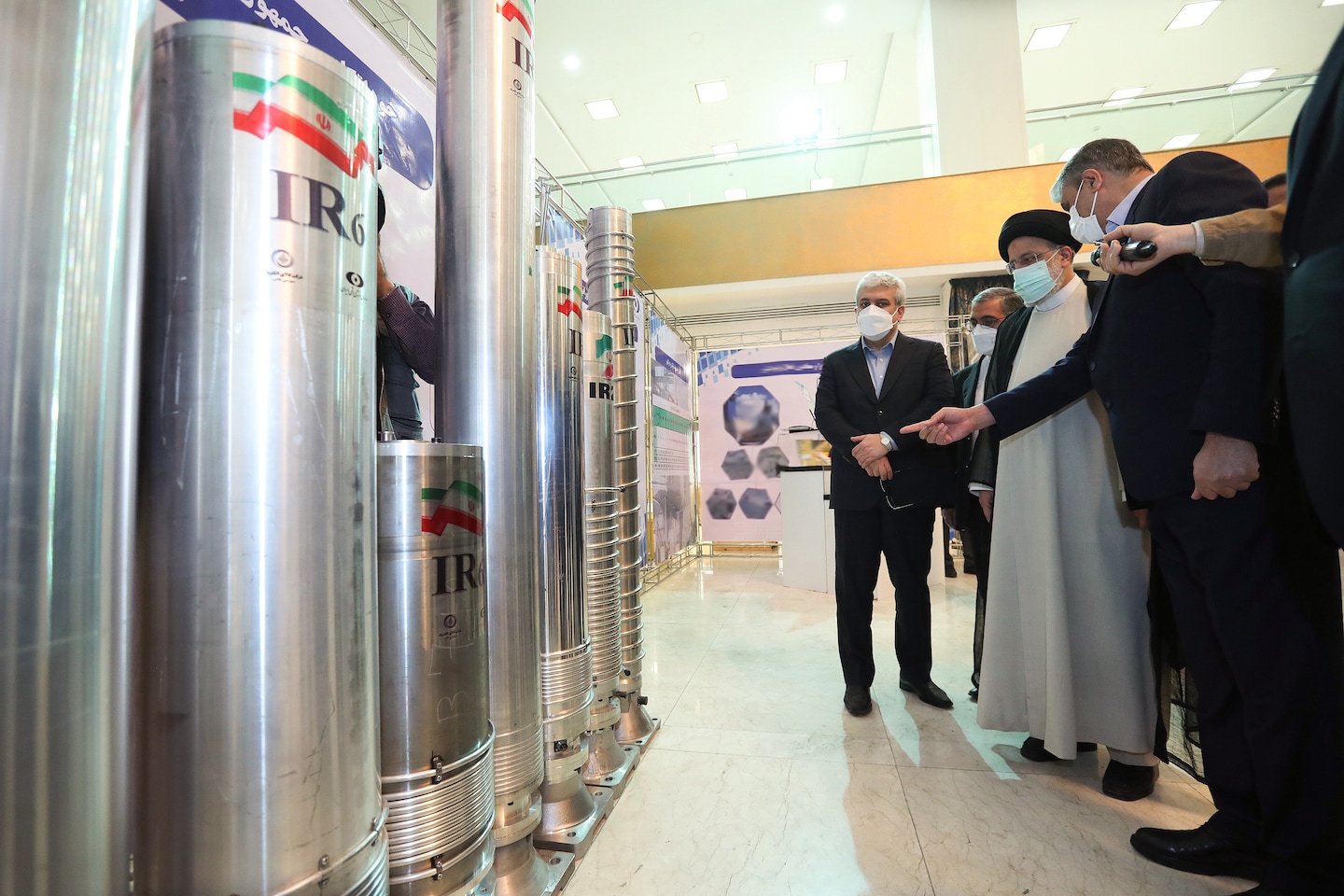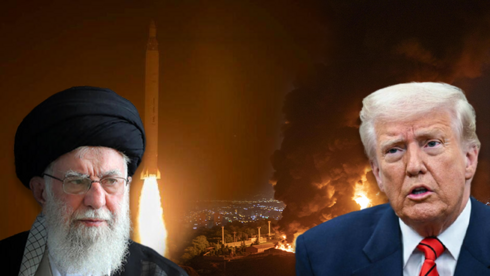
The Trump administration proposed offering Iran $20-30 billion in investments for a civilian nuclear program to bring Tehran to negotiations, demanding zero uranium enrichment, but Iran has refused to accept these terms. The US aims for Gulf allies to fund the program, with ongoing discussions and no set dates for talks, amid Iran's strong resistance and rejection of US conditions. The situation remains uncertain, with diplomatic efforts involving Qatar to prevent escalation.
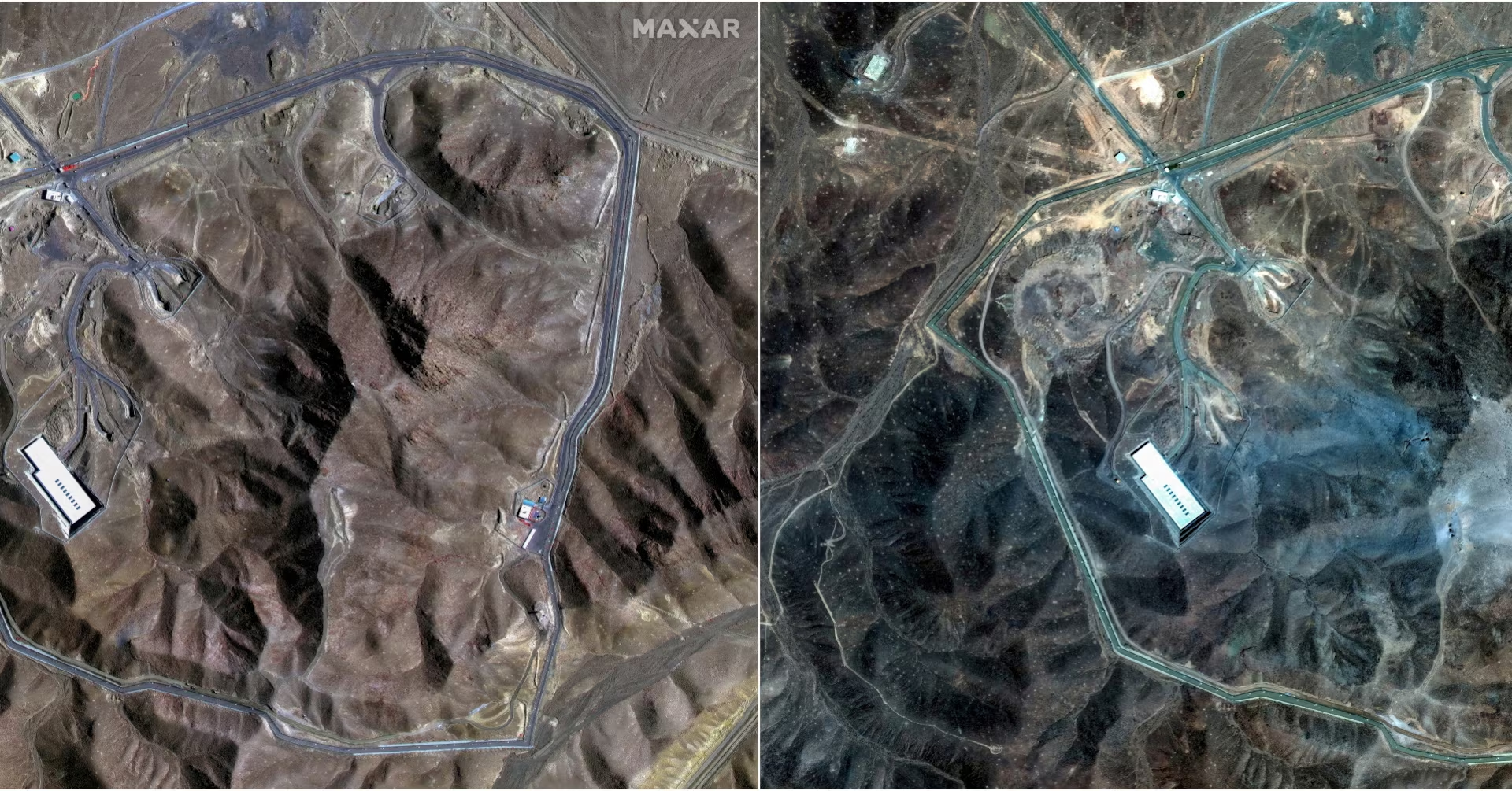
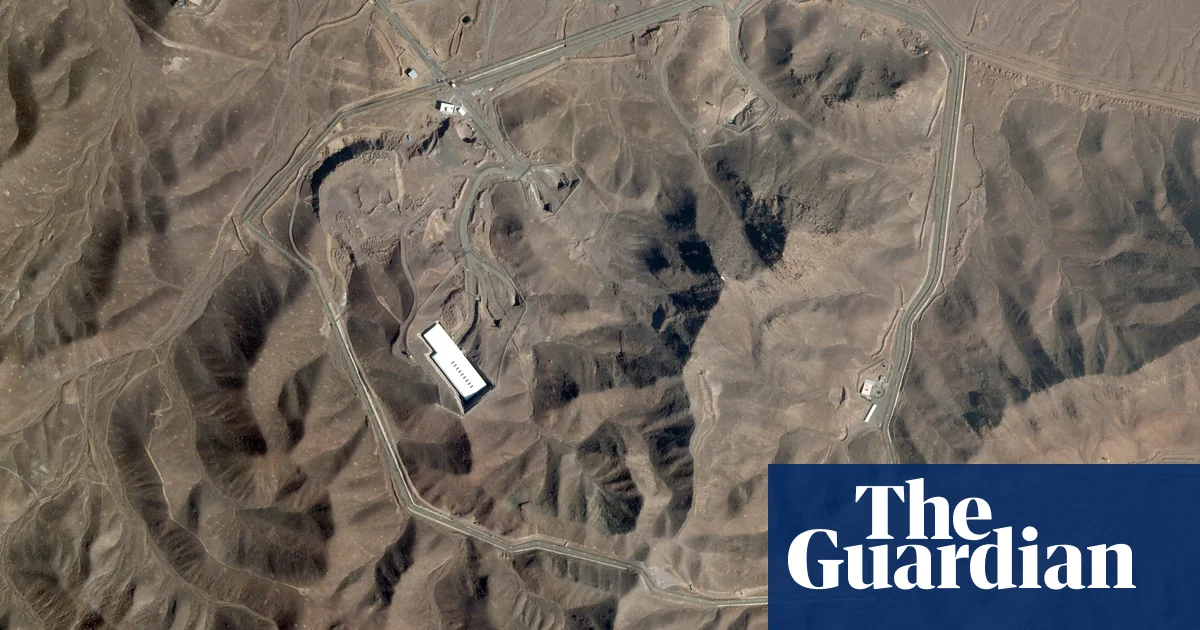
Satellite images suggest that the U.S. attack on Iran's Fordow nuclear plant caused severe damage, possibly destroying the underground facility, but confirmation is uncertain. Experts believe Iran may have moved nuclear material beforehand, and there are concerns about underground facilities and potential nuclear program continuation. The attack involved bunker-busting bombs and targeted other nuclear sites, raising international security concerns.
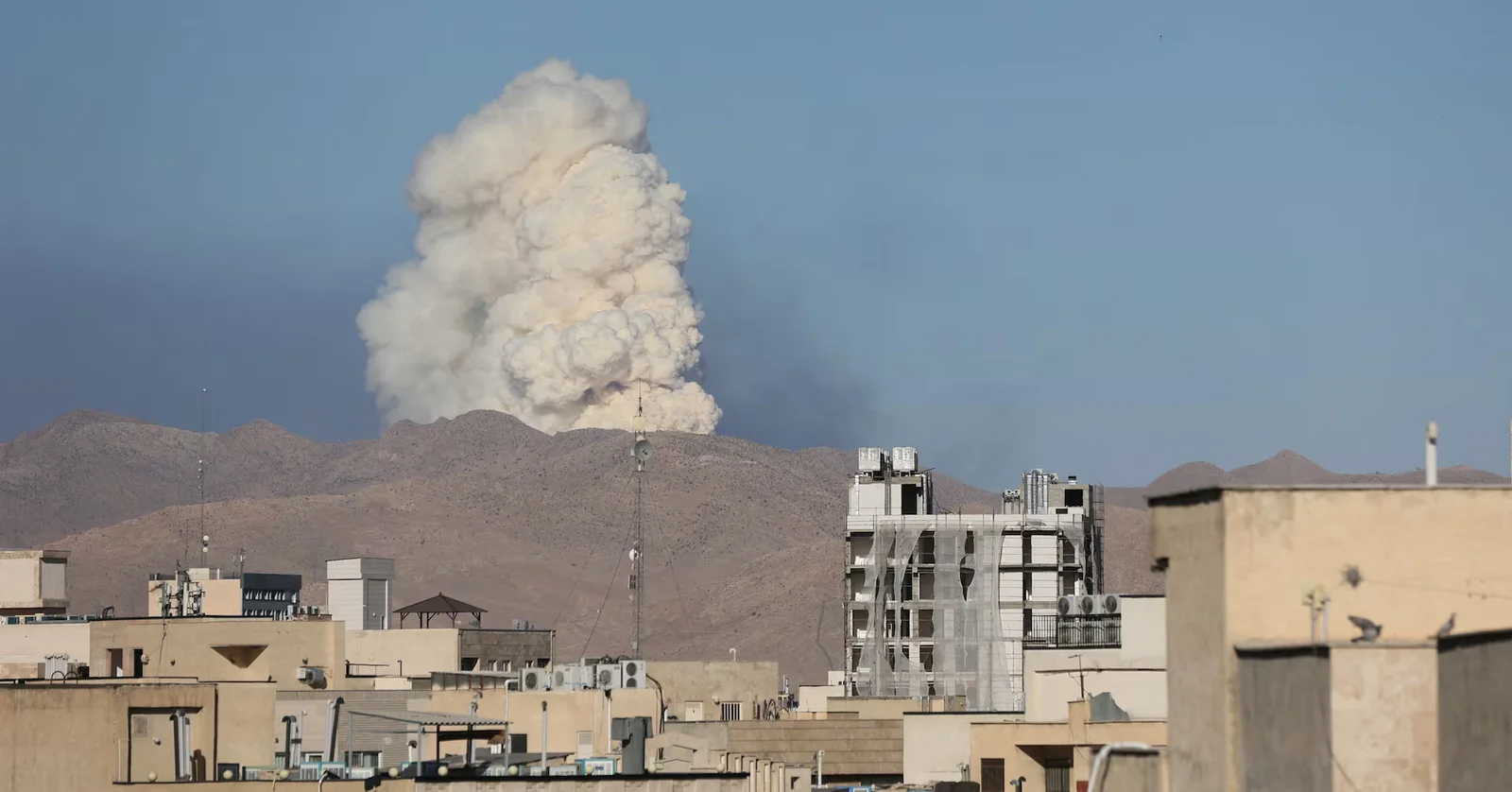
The US has reportedly struck three key Iranian nuclear sites—Fordow, Isfahan, and Natanz—causing varying degrees of damage, with Iran warning of consequences. Natanz is a major uranium enrichment facility, while Fordow is capable of producing weapon-grade uranium, and Isfahan hosts Iran's largest nuclear research complex. The strikes have heightened tensions amid ongoing Iran-Israel conflicts.
The article discusses the recent US and Israeli strikes on Iran's nuclear facilities, particularly the fortified Fordow site, which is believed to be close to developing nuclear weapons. The strikes involved advanced bunker-busting bombs and missile attacks, with US involvement confirmed. The goal is to prevent Iran from acquiring nuclear weapons, amid ongoing tensions and debates about the effectiveness and consequences of such military actions.
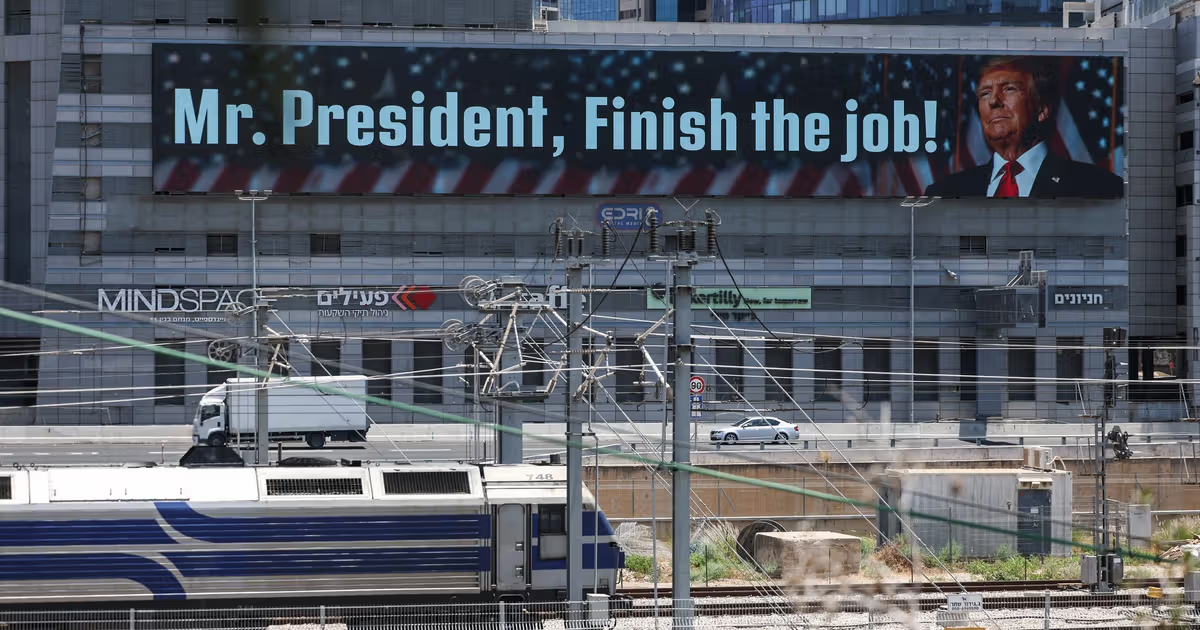
Israel is considering a preemptive strike on Iran's Fordow nuclear facility, expressing urgency and concern over a two-week U.S. deadline for Iran to dismantle parts of its nuclear program, amid divisions within the U.S. administration about involvement in potential military action.
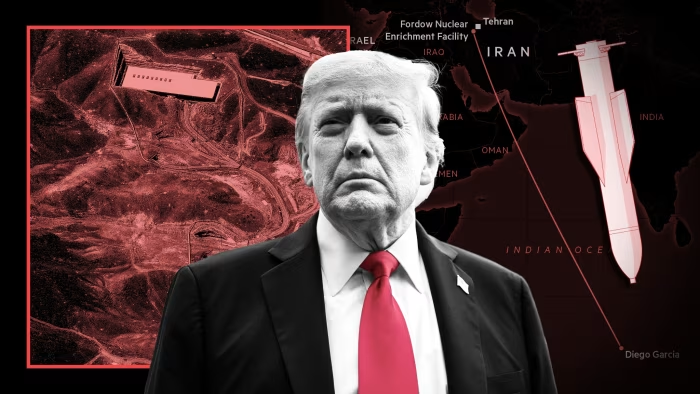
Open-source reports indicate that the US is deploying strategic bombers and refueling tankers to the Indian Ocean, possibly preparing for a strike on Iran's heavily fortified Fordow nuclear facility, with President Trump considering a military action within two weeks.
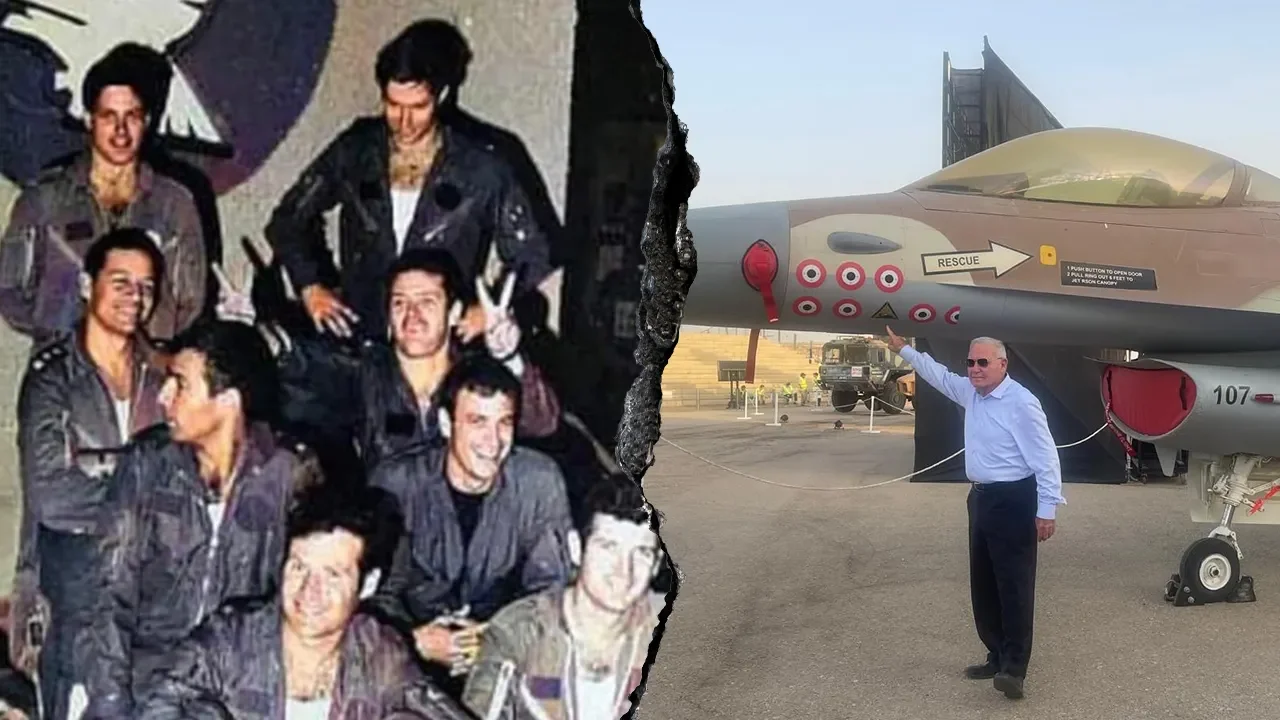
Israel is considering various options, including a potential solo military strike, to destroy Iran's underground Fordow nuclear facility if the US does not act, drawing on past daring missions and military capabilities to prevent Iran's nuclear development.
Israel is considering a preemptive strike on Iran's Fordow nuclear site within days, potentially alone or with US support, as the window for action narrows amid geopolitical and economic concerns, with the US possessing advanced military capabilities that could be decisive.
Donald Trump has expressed caution about launching a strike on Iran's Fordow nuclear facility, citing doubts about the effectiveness of the GBU-57 bunker buster bomb, and is not considering using tactical nuclear weapons, highlighting the complex challenges of targeting deeply buried underground sites.
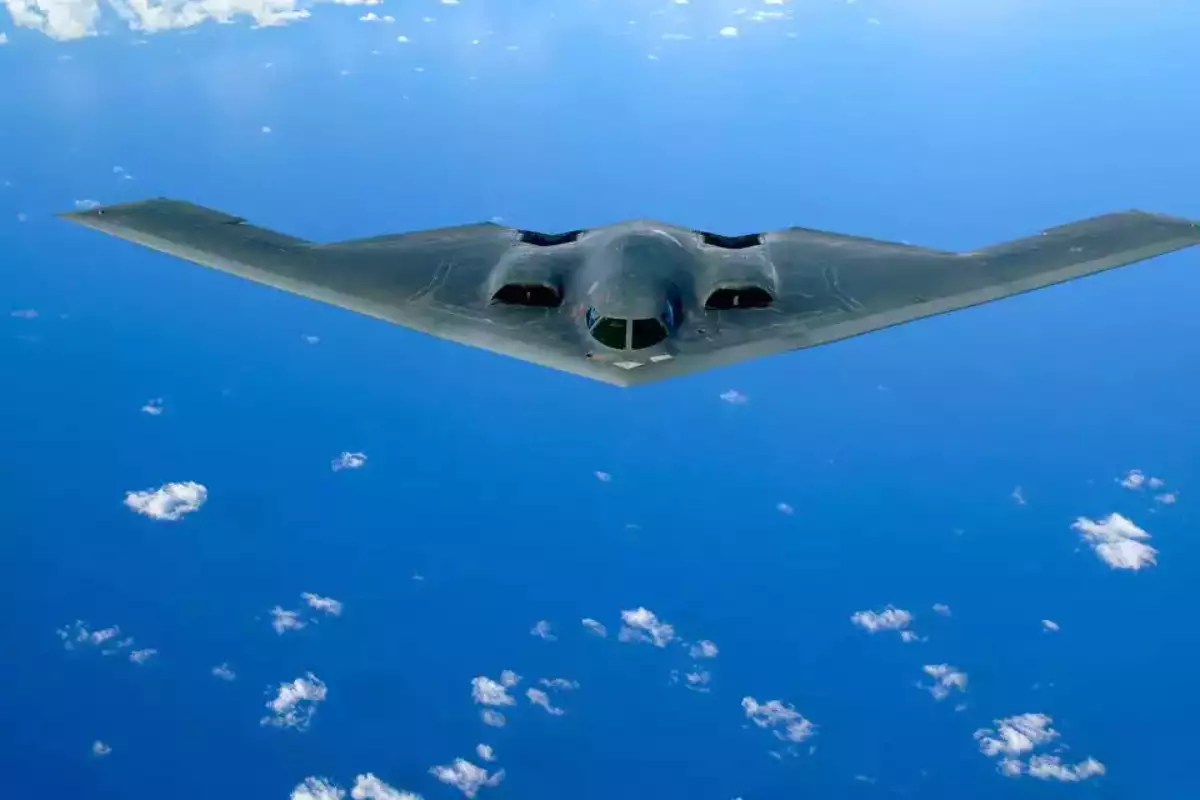
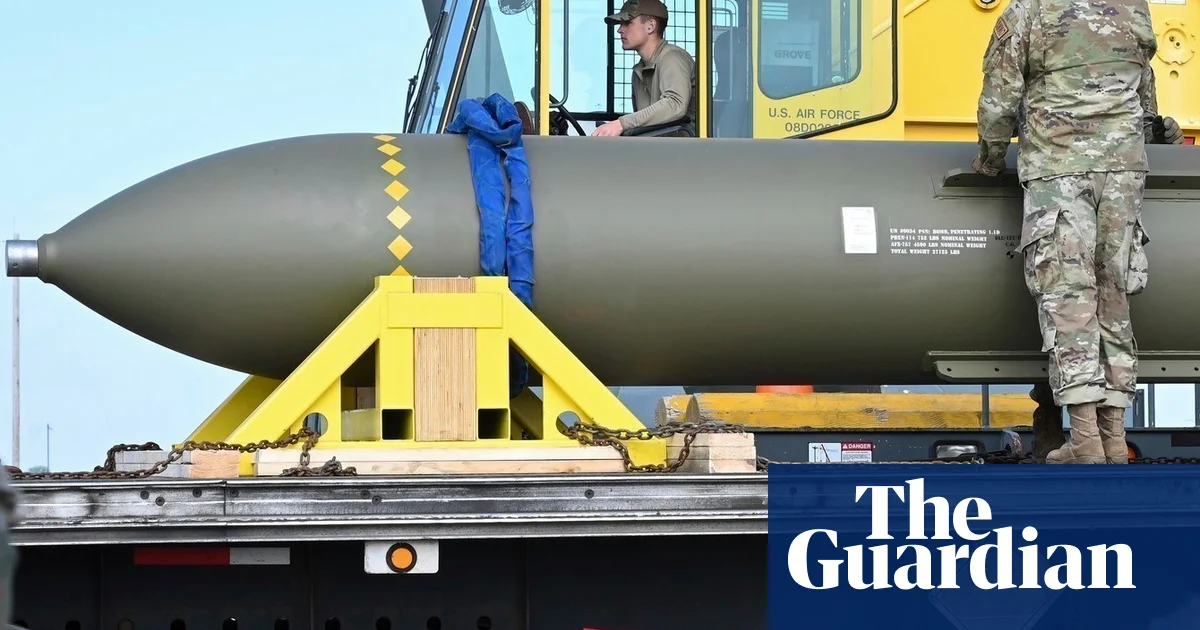
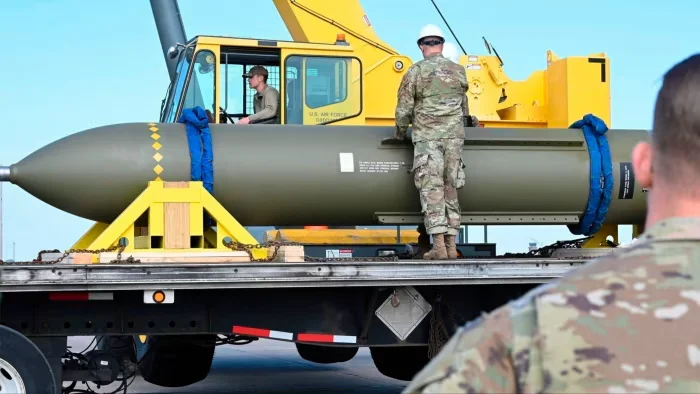
The US possesses a powerful 30,000-pound bunker-buster bomb, the GBU-57 MOP, which could be used to target Iran's heavily fortified Fordow nuclear facility, potentially in support of Israel's efforts to eliminate Iran's nuclear capabilities. The use of this weapon would be unprecedented and could escalate regional conflict, with the US possibly deploying B-2 stealth bombers to deliver the strikes. President Trump has indicated the possibility of strikes if diplomatic efforts fail, but such action could provoke retaliation from Iran.
The US is positioning military assets, including the USS Nimitz aircraft carrier and B-2 bombers, near Iran amid escalating tensions and potential plans for a strike on Iran's Fordow nuclear facility, with President Trump hinting at possible action within days.
The article discusses the potential use of the US's powerful GBU-57 MOP bunker-buster bomb, delivered by B2 stealth bombers, to destroy Iran's underground nuclear facilities, particularly the Natanz and Fordow sites. While the MOP could potentially destroy less protected facilities, the deeply buried Fordow site may be beyond its reach, and the operation would face significant tactical challenges, including the risk of failure and vulnerability of the bombers.
Israel's IDF has a ready plan to strike Iran's Fordow nuclear facility if ordered, highlighting ongoing tensions and military preparations, with Israel aiming to eliminate key Iranian nuclear sites amid broader regional conflicts.
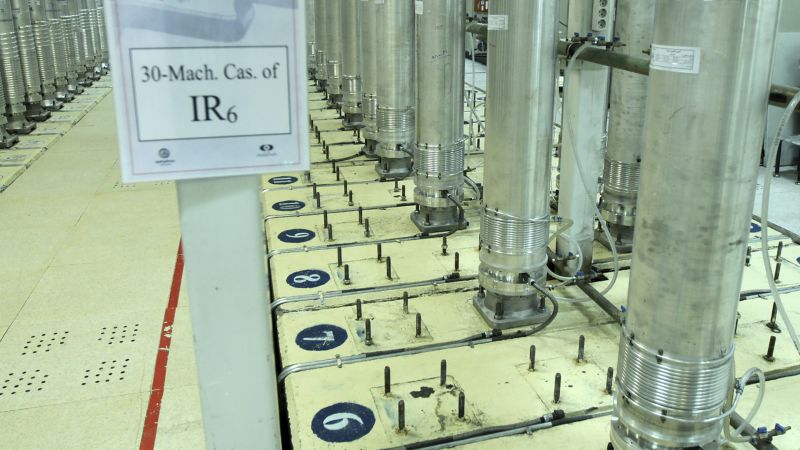
Iran has been steadily advancing towards nuclear weapons capability since the collapse of the 2015 nuclear deal, with its Fordow facility now producing highly enriched uranium at an alarming rate. Despite Iran's denial of intentions to build nuclear weapons, it currently possesses enough highly enriched uranium for at least three bombs and has the technological know-how to build a crude nuclear device. The collapse of the deal has limited the International Atomic Energy Agency's ability to monitor Iran's activities, and efforts to revive the deal have been futile, leaving Iran dancing on the edge of nuclear capability.