Regulatory efforts targeting gig work are impacting both companies and workers, with ongoing debates over whether gig workers should be classified as independent contractors or employees, affecting the future of gig economy regulation.
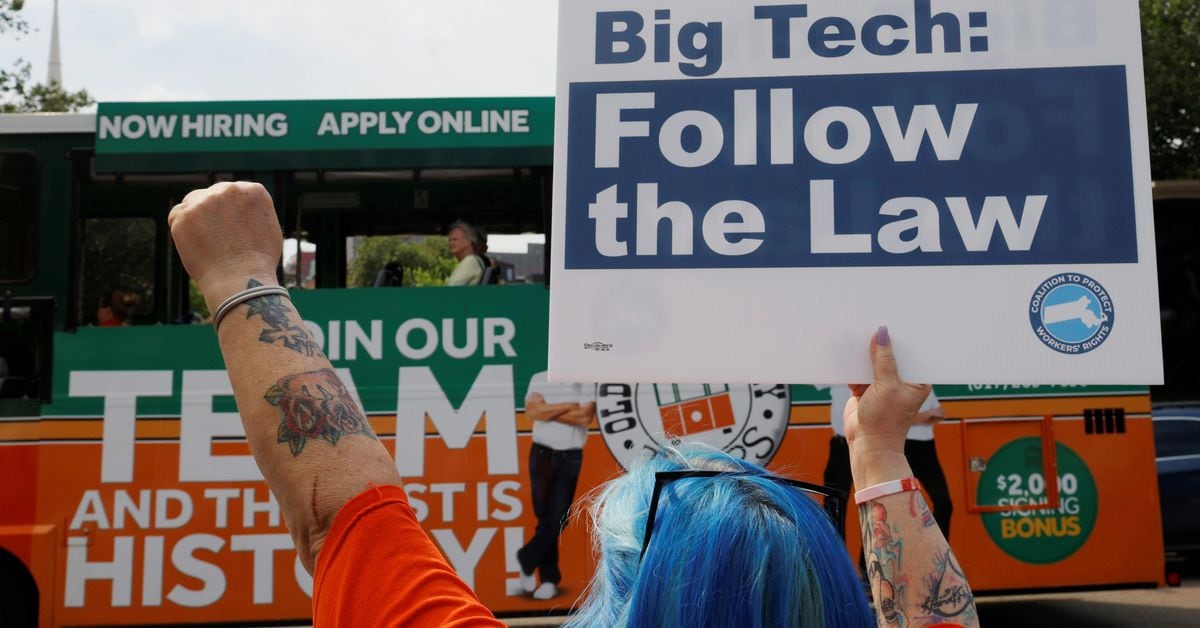
The Biden administration is facing backlash over a new Department of Labor rule that would re-classify millions of gig workers as employees, with trade groups, small business advocates, lawmakers, and independent workers themselves scrambling to stop the rule. Critics argue that the rule threatens the livelihoods of gig workers and could have major consequences for industries that heavily rely on independent contractors. Multiple lawsuits have been filed against the administration, and Republicans in Congress have introduced a resolution to overturn the rule, warning that it jeopardizes the gig economy and the ability of millions of Americans to work as independent contractors.
The Department of Labor's new rule change under the Fair Labor Standards Act, set to take effect on March 11, aims to curb misclassification of independent contractors. The rule uses an economic realities test with six metrics to determine worker classification, reverting to a pre-2021 emphasis. It applies to workers paid less than the federal minimum wage and overtime, allowing them to file claims if they believe they've been misclassified and denied proper wages.
The Biden administration's Labor Department has finalized a rule that will make it harder for small businesses to hire independent contractors, which are crucial for their growth and operations. This rule is likely to hurt small businesses and their employees, as well as create confusion and ambiguity. A proposed Congressional Review Act aims to repeal the rule, but a more comprehensive solution is needed to provide clarity and consistency in determining employee and independent contractor status across federal laws.
The House Committee on Small Business is urging the Department of Labor to reconsider its new rules for determining independent contractor status, warning that the regulations will disproportionately impact small businesses, particularly in the construction, trucking, and health care industries. The new rule makes it more difficult for businesses to classify workers as independent contractors, leading to concerns about the livelihoods of entrepreneurs and the ability to hire gig workers. Several trade groups and business organizations have also raised alarms over the rule, arguing that it fails to consider its impact on small businesses and could disrupt their partnerships with independent contractors.
The Biden administration's new labor rule reclassifies many independent contractors as company employees, entitling them to benefits like overtime pay and a minimum wage, which experts say will increase costs for employers and restrict workers' freedom to choose when and where they work. Proponents believe the change will curtail abuse from companies, but critics argue it will hamper the flexibility of freelancing positions and could push many current employees out of work entirely, potentially impacting the gig economy and leading to job losses.
The Biden administration has released a policy that mirrors California's "ABC test," which makes it difficult for businesses to prove their workers are independent contractors. This jeopardizes the livelihood of 27 million Americans who prefer the flexibility of working as independent contractors. The California experience with this policy has shown harmful effects on workers and businesses across industries. The Biden administration's push to eliminate independent contracting is seen as prioritizing unionization over individual freedom and opportunity, prompting a Congressional Review Act resolution to overturn the rule.
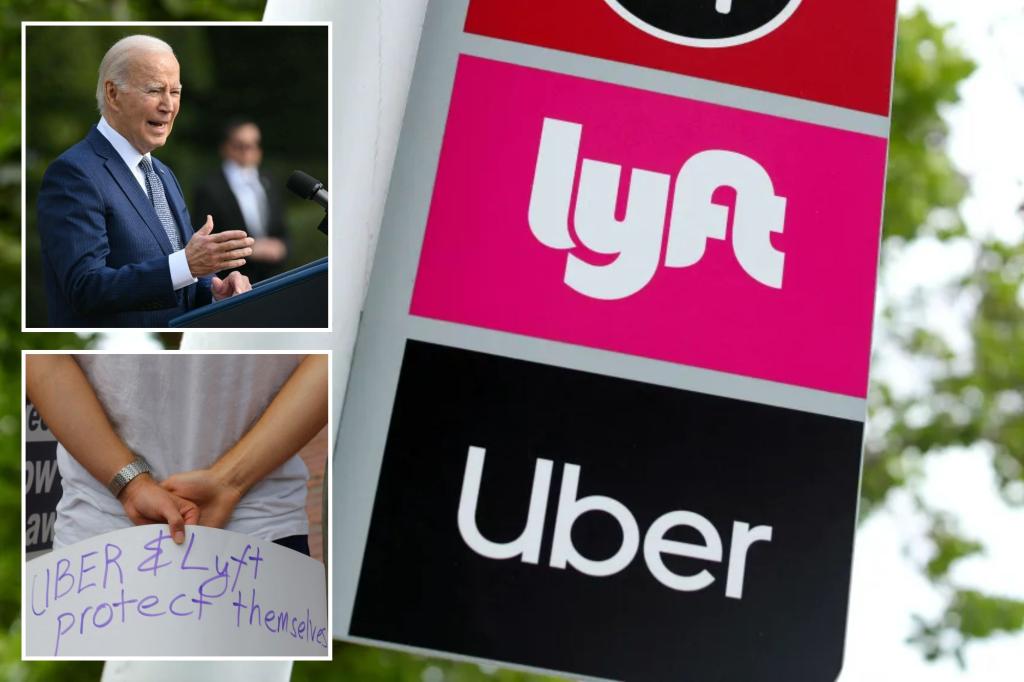
The Labor Department issued a final rule requiring some workers to be treated as employees rather than independent contractors, which has sparked criticism from business groups and Republican lawmakers. The rule is expected to increase labor costs for industries relying on contract labor, and it will likely prompt legal challenges. While worker advocates and some Democratic officials praised the rule for ensuring basic protections, business groups argue that it tips the scales too far in favor of finding workers as employees, depriving them of flexibility and opportunity. The rule's potential impact on app-based gig workers, such as those in delivery and ride-hailing services, has garnered attention, with companies like Uber and Lyft expressing concerns but stating they do not expect it to change the way they do business.
The US Department of Labor has announced a final rule to clarify the classification of workers as employees or independent contractors under the Fair Labor Standards Act, aiming to combat employee misclassification and protect workers' rights. The rule aligns with longstanding judicial precedent and restores a multifactor analysis to determine a worker's status, addressing factors such as opportunity for profit or loss, degree of control by the employer, and the worker's skill and initiative. The new rule will take effect on March 11, 2024, and rescinds the 2021 Independent Contractor Rule that the department believes is not consistent with the law and longstanding judicial precedent.
The Labor Department announced a new rule that could reclassify millions of gig workers, janitors, home-care workers, construction workers, and truckers as employees rather than independent contractors, expanding federal labor laws to provide benefits and protections such as minimum wage, overtime pay, and unemployment insurance. The rule, set to take effect on March 11, faces expected legal challenges from companies but is backed by labor advocates. The measure rescinds a Trump-era rule and revives an Obama-era test for determining worker status, aiming to protect vulnerable workers and ensure fair pay and benefits for a wider range of occupations.
The Biden administration issued a new rule from the U.S. Department of Labor that will require companies to treat some workers as employees rather than independent contractors, impacting industries such as trucking, healthcare, and app-based "gig" services. This move, which reverses a Trump-era rule, is expected to increase labor costs for businesses and has drawn criticism from business groups and Republican lawmakers. The rule is set to take effect on March 11 and is likely to face legal challenges.
The Biden administration has issued a new rule that will require some workers to be treated as employees rather than independent contractors, a move that is expected to increase labor costs for industries relying on contract labor and freelancers. The rule, set to take effect on March 11, aims to crack down on industries where worker misclassification is common, but has drawn criticism from business groups for potentially depriving workers of flexibility and opportunity. Companies like Uber and Lyft have expressed concerns about the rule's impact on their gig labor models, while the U.S. Chamber of Commerce is considering challenging the rule in court.
The Biden administration is implementing a new labor regulation to prevent employers from misclassifying workers as independent contractors to avoid minimum wage and overtime obligations. The rule, effective March 11, aims to crack down on employee misclassification, particularly in industries like transportation, construction, health care, and technology. The regulation outlines criteria for determining independent contractor status and is more restrictive for employers than the previous Trump-era rule. The move is seen as a return to Obama-era policies and is expected to face legal challenges from business groups.
The Biden administration is set to release a final rule that will make it harder for companies to classify workers as independent contractors, requiring them to be considered employees entitled to more benefits and legal protections. This rule, likely to face legal challenges, will impact a range of industries, particularly app-based services heavily reliant on contract workers. The new regulation replaces a Trump-era rule and is expected to increase labor costs for many sectors, potentially affecting nearly 40% of U.S. workers who engage in freelance work.
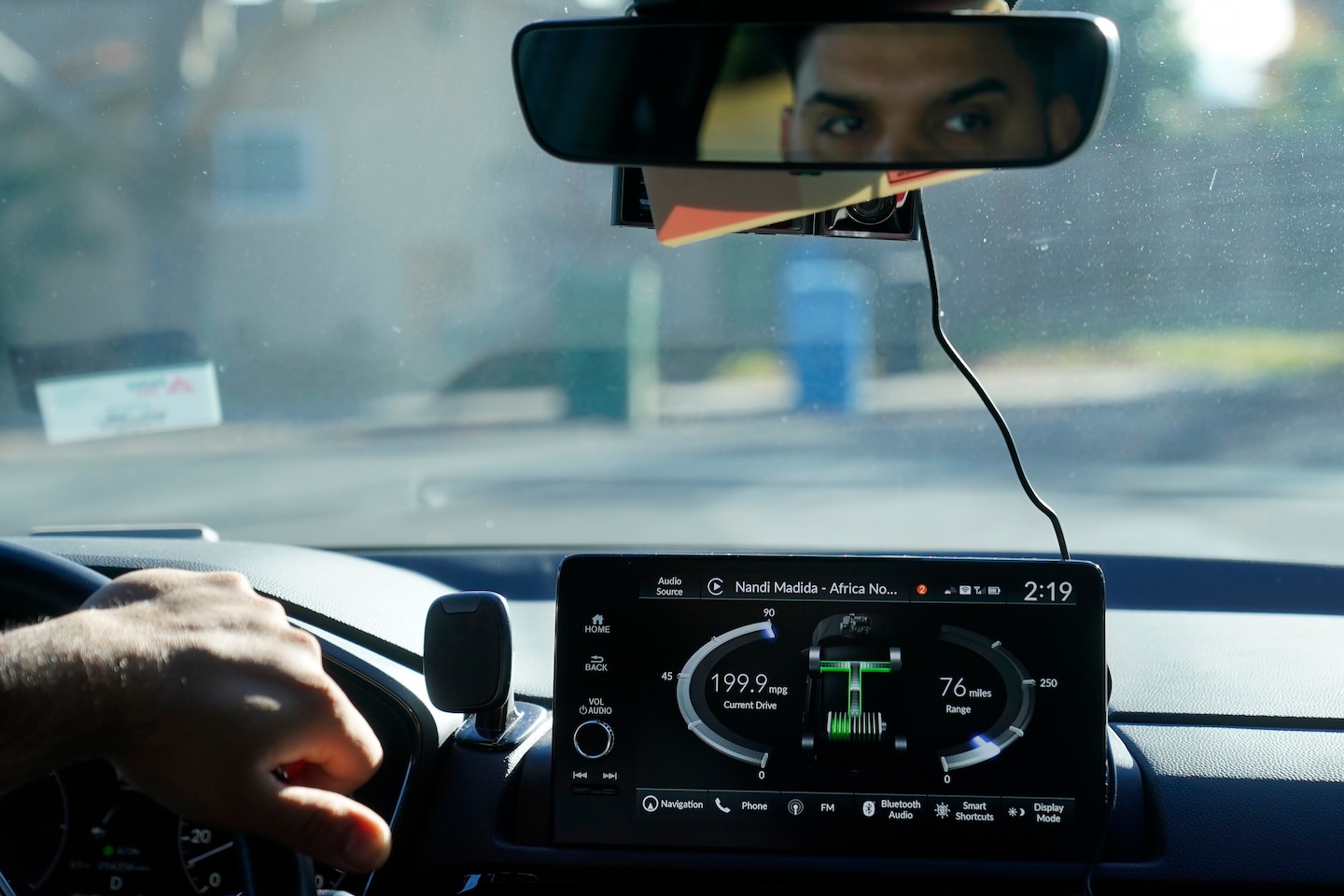
DoorDash is warning customers who don't tip that their food orders may take longer to be delivered. The company is testing a pop-up warning in its app, explaining that drivers have discretion on which orders to accept and are more likely to prioritize customers who offer a tip. DoorDash has seen a reduction in $0 tip orders since implementing the reminder screen. Delivery drivers, who are independent contractors, can accept or reject offers based on what they view as valuable. The company faced criticism in the past for not passing along customer tips to its workers.