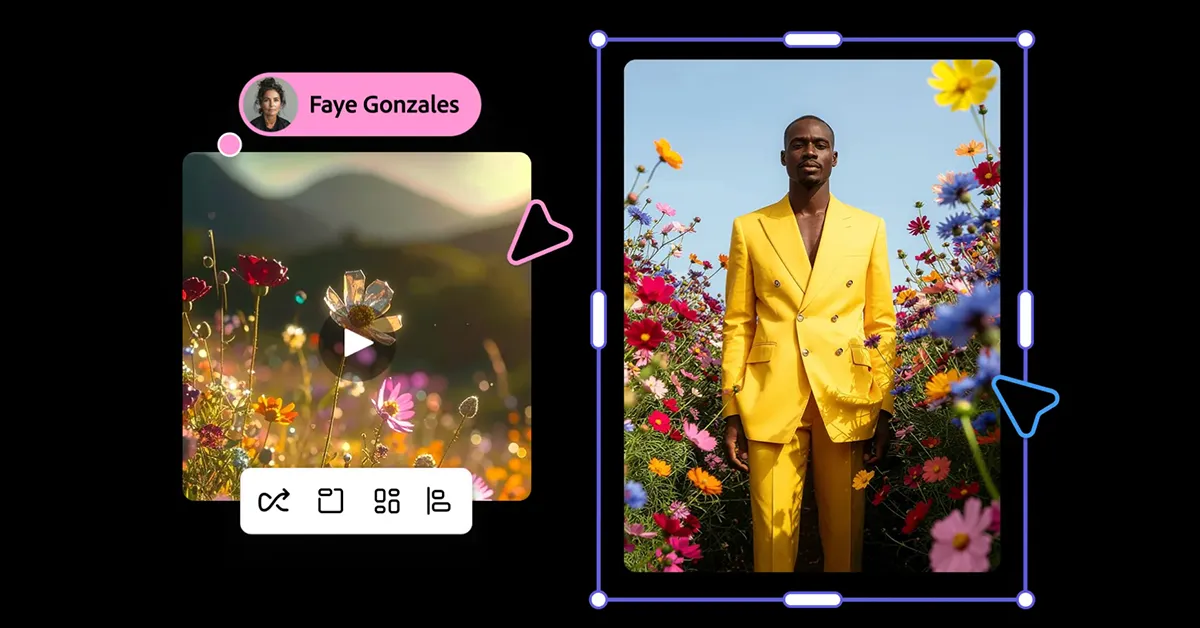
Adobe Firefly is a comprehensive suite of generative AI tools integrated into Adobe's ecosystem, allowing users to create and edit images, videos, and more through a web-based platform with various plans and credit-based usage, suitable for creative professionals and commercial applications.
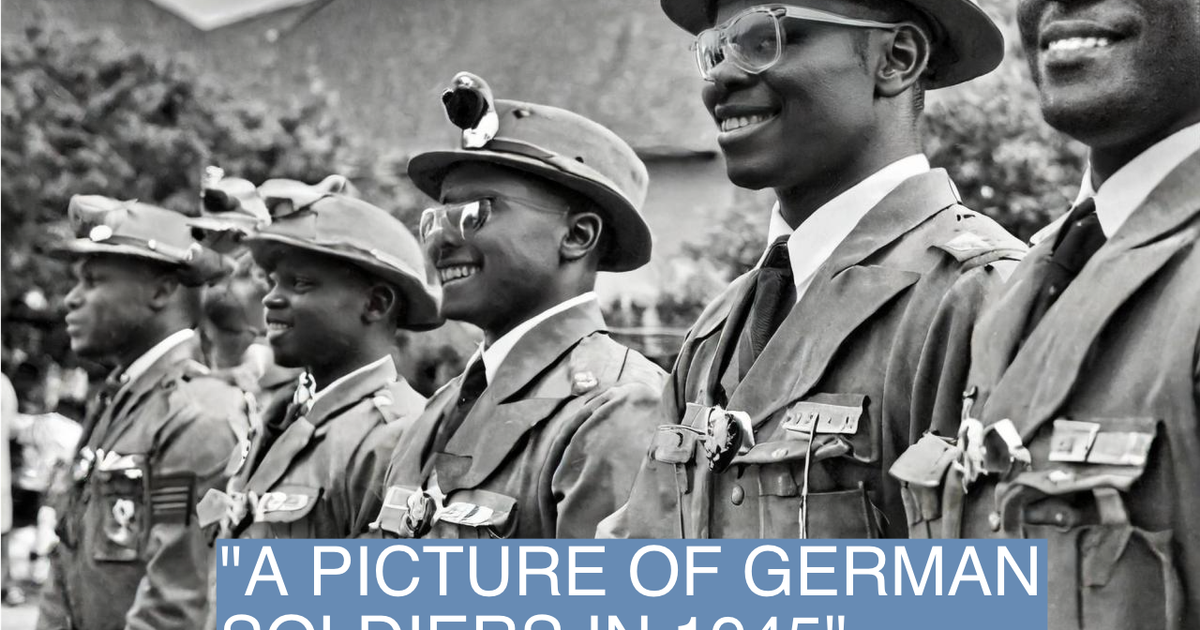
Adobe's AI image creation tool, Firefly, has been found to make similar controversial mistakes as Google's Gemini, inaccurately depicting racial and ethnic depictions in images. Despite being trained on different datasets and having different company cultures, both tools have produced historically inaccurate images, sparking criticism and concerns about the projection of efforts to avoid racist stereotypes into historical contexts. This issue highlights the challenges tech companies face in ensuring accurate and sensitive image generation using AI.
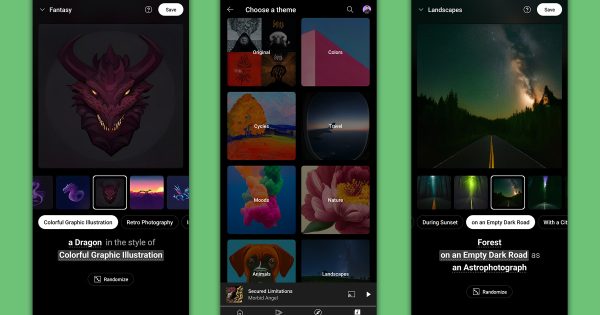
YouTube Music has introduced an AI-powered playlist cover generator feature that offers users a wide range of options for creating images, including categories like Animals, Fantasy, and Landscapes. The generator is considered better than Google's AI Wallpaper app, as it provides more choices and keywords for image creation. However, the generated artwork cannot be shared, limiting its practicality.
Adobe has updated its generative AI image creation service, Firefly, with the release of the Firefly Image 2 Model. The new model is better at rendering humans, including facial features, skin, body, and hands. Firefly users have generated three billion images since its launch, with one billion generated last month alone. The majority of users are new to Adobe's products, and the company has turned Firefly into a full-fledged Creative Cloud service. The new model is larger and trained on more recent images, giving it a better understanding of user requests. It will be available through the Firefly web app and will also come to Creative Cloud apps in the future. Adobe sees generative AI as more about generative editing than content creation, and the new model introduces additional controls for depth of field, motion blur, field of view, style matching, and auto-complete prompts.
OpenAI has announced Dall-E 3, the next version of its text-to-image AI tool, which will be integrated into its generative AI chatbot, ChatGPT. Dall-E 3 allows users to create and adjust generated images with the assistance of ChatGPT. Safeguards will be implemented to prevent the creation of violent, adult, or hateful content, and users can opt out of having their images used for training future AI tools. ChatGPT Plus and Enterprise customers will have access to Dall-E 3 in October, while Dall-E 2 is currently available for free to everyone else.
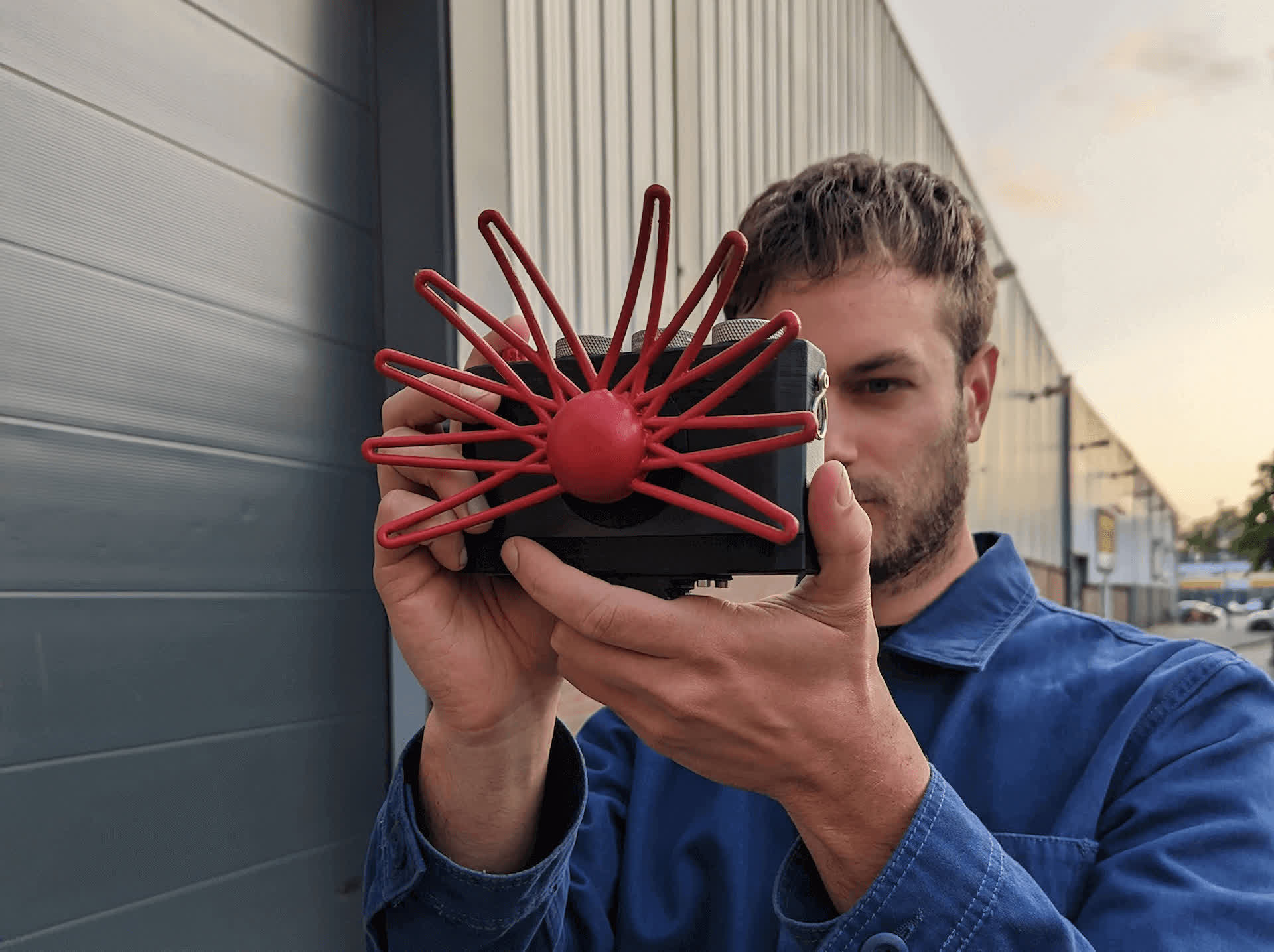
Paragraphica is a camera that uses location data and AI instead of traditional optics to generate images. It collects data about its location, crafts a descriptive paragraph of the scene, and uses three dials to adjust the image's sharpness, blurriness, and distance. It exists as both a physical prototype and a virtual camera. The physical version is based on a Raspberry Pi 4, a touchscreen display, a 3D printed housing, and other custom electronics. The web app that sits between the camera and the various APIs to gather location data was built using Noodl, and Stable Diffusion handles image creation.