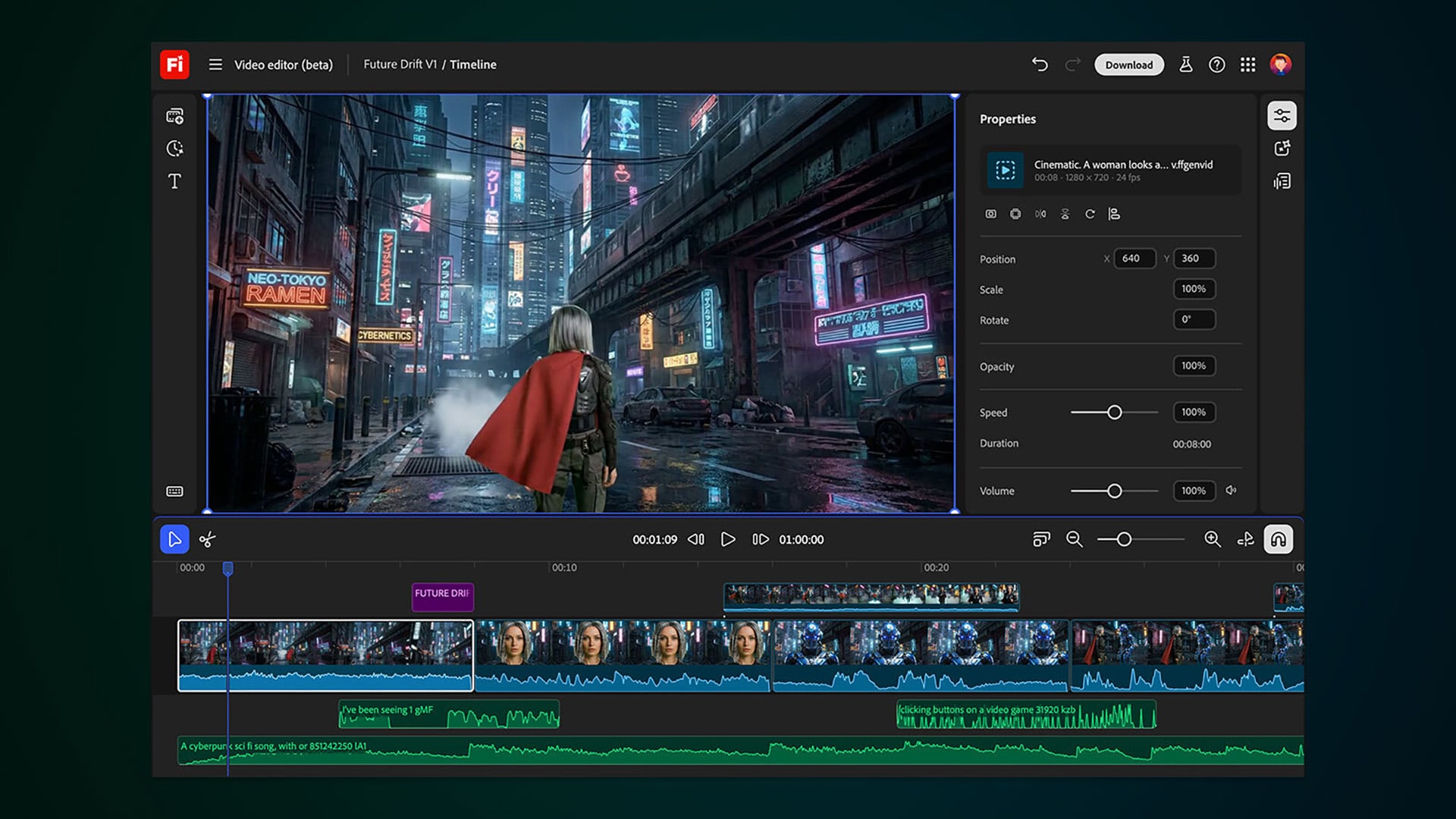
Adobe has expanded its Firefly AI platform with new video editing tools, third-party model integrations like Runway's Aleph, a browser-based editor, and upscaling capabilities via Topaz Astra, aiming to provide a comprehensive, flexible workflow for creators and professionals.
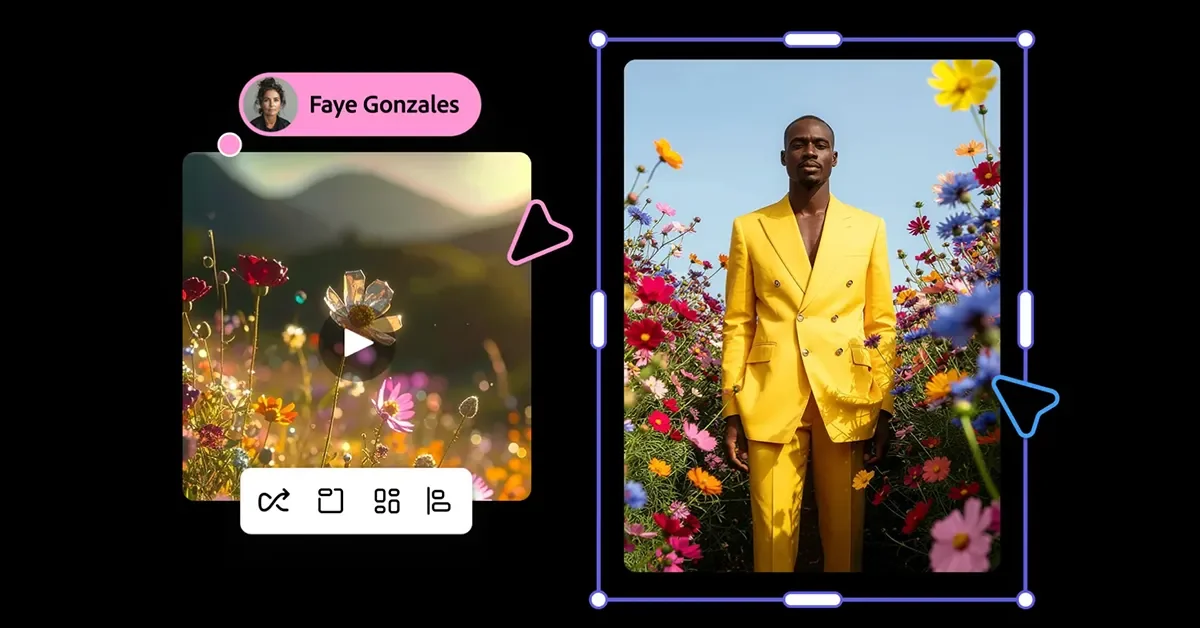
Adobe Firefly is a comprehensive suite of generative AI tools integrated into Adobe's ecosystem, allowing users to create and edit images, videos, and more through a web-based platform with various plans and credit-based usage, suitable for creative professionals and commercial applications.
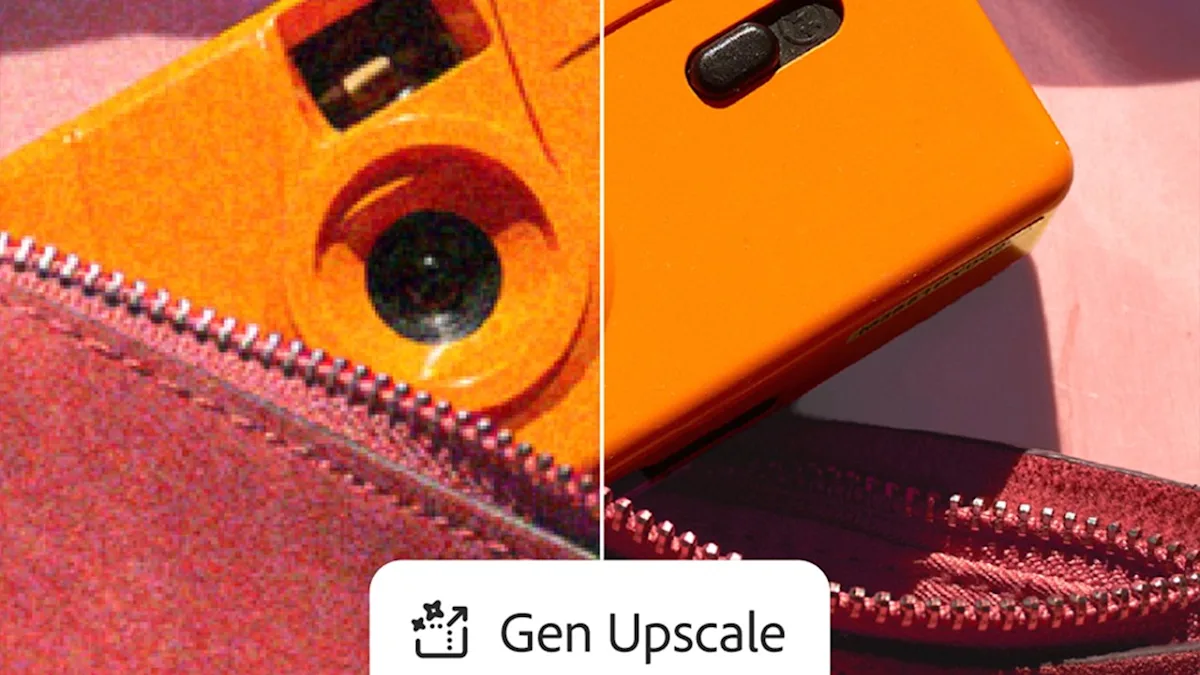
Adobe is launching new beta AI-powered tools in Photoshop, including Generative Upscale for enhancing old photos, an improved Remove tool for realistic erasing, Harmonize for seamless composites, and a Project management feature, all aimed at making photo editing faster and more intuitive.
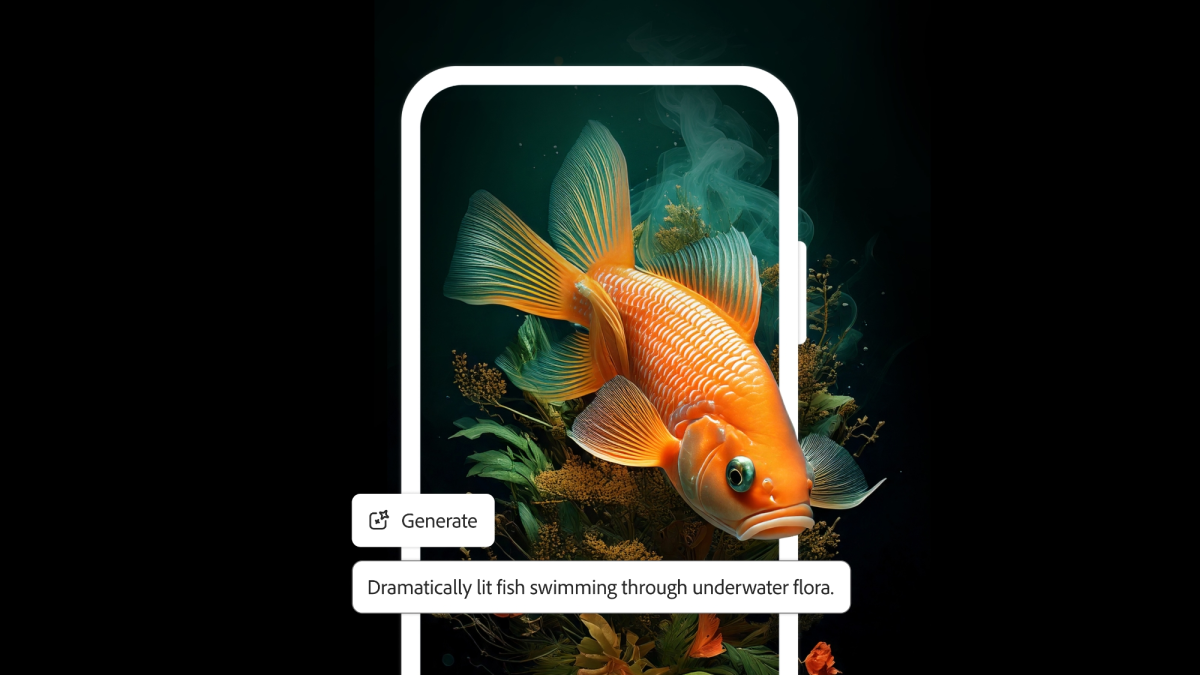
Adobe has launched Firefly as a cross-platform mobile app for iOS and Android, enabling users to generate images and videos from text prompts using Adobe's own and third-party AI models, with content syncing to Creative Cloud and a token-based credit system for certain features.
Adobe has launched Firefly apps on iOS and Android, enabling users to generate and edit images and videos using Adobe's AI models and third-party options, with integration into Creative Cloud for seamless project access, boosting user engagement and subscriptions.
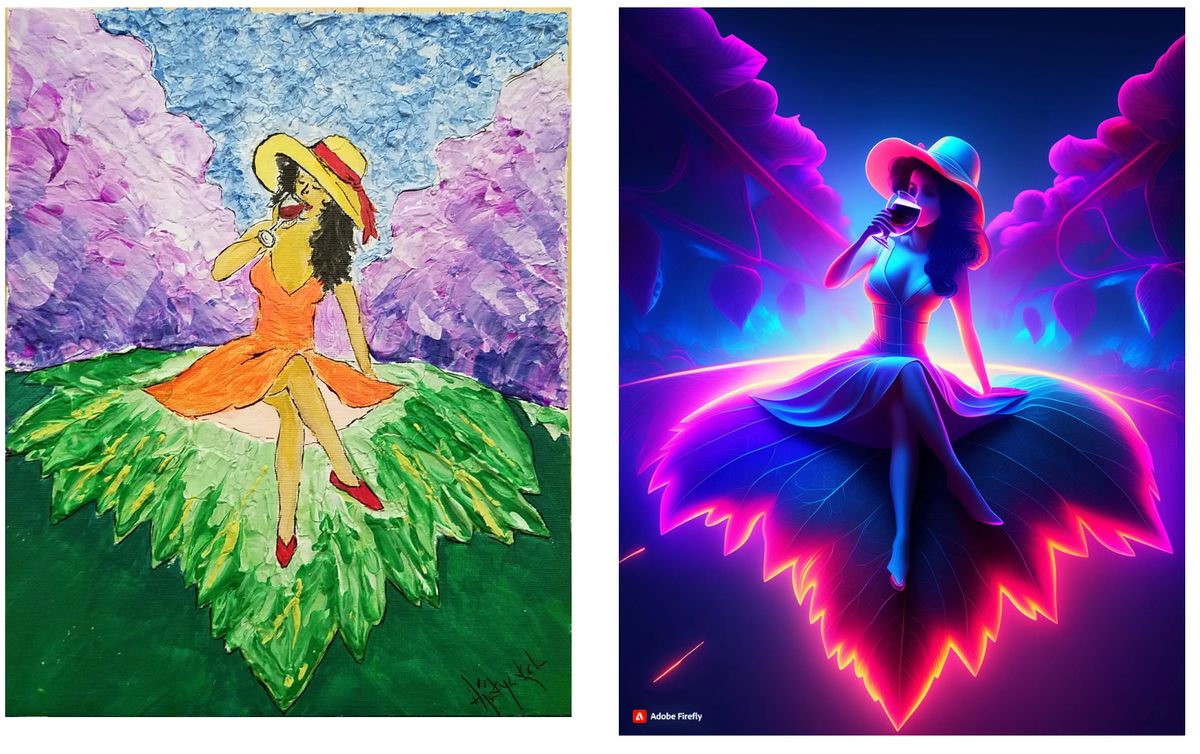
Adobe Firefly introduces Structure Reference, a new feature aimed at improving consistency in using generative AI for creating variations of reference images, making AI image generation more predictable and less random. This tool allows users to apply the structure of an existing image to new generations, further enhancing the practicality of generative AI for creatives in digital art.
AI image generators have become essential tools for creators in the digital art and design world. This article compares and analyzes leading AI image generators, including MidJourney, DALL-E 3, Stable Diffusion, Leonardo AI, Adobe Firefly, and Amazon Titan. Each tool has its own strengths and weaknesses, catering to different user preferences and needs. Factors such as image quality, ease of use, text generation capabilities, customization options, and cost are considered. Users are advised to choose the tool that aligns with their creative vision and workflow.
AI-powered photo editing tools are becoming more advanced and accessible, allowing users to enhance their photos with generative AI. Adobe Firefly, Canva, Facetune, Lensa, and Autoenhance.ai are some of the mobile apps that utilize AI to improve photos by adding or removing content, adjusting lighting and colors, and applying makeup effects. While these tools offer benefits, they also raise ethical and psychological concerns, as they can alter our perception of reality and memories. It is important to use these tools responsibly and consider their impact on our psychology and society.
Getty Images has reiterated its rejection of AI-generated content in an email to creators, specifically calling out Adobe's recently released Firefly-powered generative AI tools. The stock photography agency's submission policy remains unchanged, banning the use of AI generative models, including Adobe's Creative Cloud tools. Getty's stance contrasts with competitor Shutterstock, which allows AI-generated content and has even paid photographers from its AI contributor fund. Getty's method for identifying AI-generated images is unclear, but it may involve EXIF data or an internal algorithm.
Adobe Firefly, a text-to-image generator integrated with Adobe programs, has surpassed 1 billion generated images in just three and a half months since its launch. The tool allows users to edit and manipulate images by using simple text prompts, including erasing unwanted objects, adding scenery, changing expressions, and altering lighting. Firefly now supports over 100 languages and is considered one of Adobe's most successful beta launches.
Adobe Firefly's Generative Fill tool, integrated into Photoshop, is allowing users to generate new imagery using a text prompt. Users have been using the tool to expand iconic album covers, resulting in impressive and sometimes hilarious results. With Adobe promising to "do the right thing" in terms of ethics and copyright, Firefly could be the future of AI art.
Google has announced two new features to help users understand the origins of an image, including if it is AI-generated. The "About this image" feature will provide information about when the photo was first indexed by Google, where it first appeared online, and other websites it has appeared on. Google will also integrate Adobe Firefly into its conversational generative AI chatbot Bard to clearly label AI-generated images. The feature is expected to be rolled out in the coming months to improve visual literacy and help people assess whether an image is genuine or AI-generated.