Adobe is beta-launching Quick Cut for Firefly’s video editor, which automatically stitches uploaded footage or AI-generated clips into a structured first cut from text prompts and simple inputs. It offers a transcription timeline and controls over aspect ratio and length to speed creation, aiming to reduce tedious manual assembly—though the result still requires refinement before final polish.
ARC Raiders introduces two new top-side enemies: Firefly, a tenacious aerial threat, and Comet, a heavily armored rolling explosive. Tactics include using a Photoelectric Cloak or exploiting the Firefly’s fuel tank while staying in solid cover or indoors; lure grenades can help against Firefly, and aggressive, surgical shots are advised. For the Comet, aggro from a distance to make it expose its inner weak point, use high rate-of-fire or armor-piercing ammo, spread out your squad to minimize group damage, and target armor plating on the sides or the front when it reveals weak points. Quick thinking and coordinated play are key to surviving these predators.”,
Firefly Aerospace plans to acquire defense contractor SciTec for $855 million to expand into the defense sector, focusing on missile defense and space-based detection systems, with the deal expected to close by the end of 2025.
Adobe is enhancing Photoshop with new AI-powered features using Firefly models, including image upscaling, object blending, and improved object removal, aimed at saving time and improving workflow for creators. These features are available in beta for desktop, web, and iOS versions.
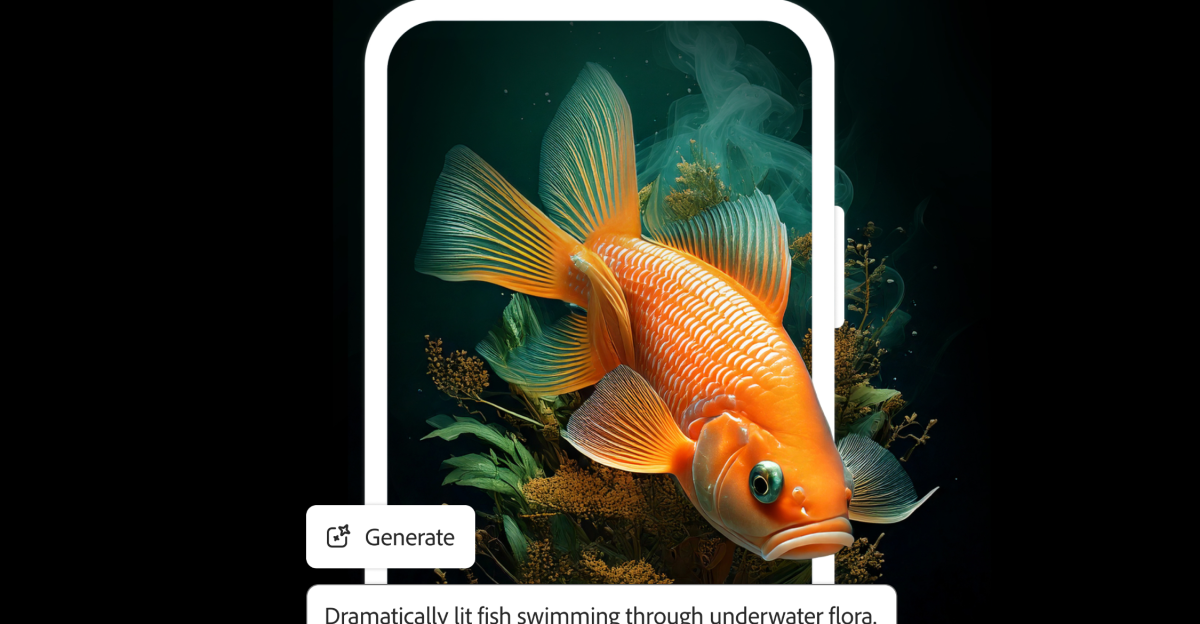
Adobe has launched a mobile app for its Firefly generative AI tools, enabling users to create images and videos via text on iPhone and Android devices, with seamless integration to Creative Cloud and support for third-party AI models and new video features on its Firefly Boards platform.
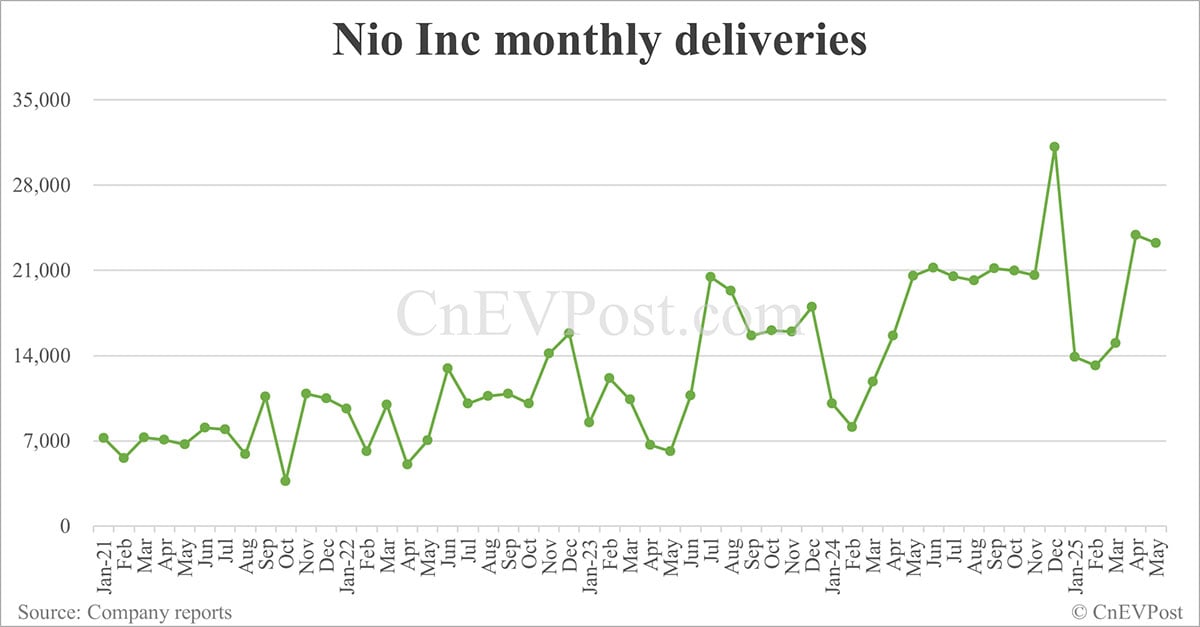
Nio delivered 23,231 vehicles in May, a 13% increase year-on-year, driven by its sub-brands Onvo and Firefly, with a total of 89,225 vehicles delivered from January to May, marking a 34.75% rise. The company is updating its models and launching new ones, including the flagship ES9 SUV planned for 2026.
Adobe has announced significant upgrades to its Firefly family of generative AI tools, including improvements to the engine that powers Photoshop's image generation and the introduction of generative AI to Adobe Illustrator designs and Adobe Express layouts. The upgraded AI model offers higher resolution, better detail, and the ability to steer generation with photography parameters. While the results are generally impressive, there are still some limitations and areas for improvement. Adobe customers have embraced AI rapidly, generating over 3 billion creations so far. Adobe is also using AI to suggest completions to text prompts in Photoshop and introducing AI-based lens blur effects in Lightroom.
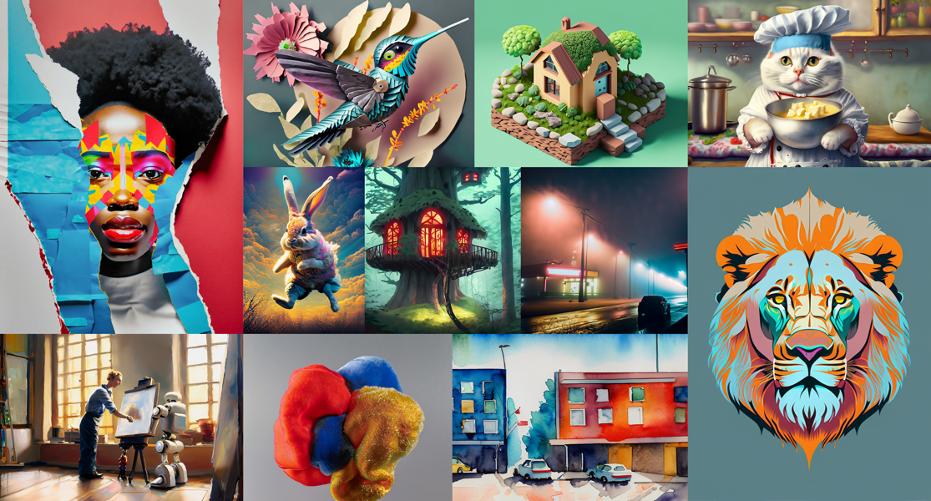
Adobe has updated its generative AI image creation service, Firefly, with the release of the Firefly Image 2 Model. The new model is better at rendering humans, including facial features, skin, body, and hands. Firefly users have generated three billion images since its launch, with one billion generated last month alone. The majority of users are new to Adobe's products, and the company has turned Firefly into a full-fledged Creative Cloud service. The new model is larger and trained on more recent images, giving it a better understanding of user requests. It will be available through the Firefly web app and will also come to Creative Cloud apps in the future. Adobe sees generative AI as more about generative editing than content creation, and the new model introduces additional controls for depth of field, motion blur, field of view, style matching, and auto-complete prompts.
Adobe has introduced the Firefly Vector Model, the world's first generative AI model focused on producing vector graphics, for its Illustrator tool. The model was trained on data from Adobe Stock and can create entire vector graphics from scratch. Users can now create scenes consisting of multiple objects through a text prompt and manipulate them individually. Additionally, new features include Mockup, which allows users to apply vector art to 3D scenes, and Retype, which converts static text in images to editable text. Illustrator is now available on the web as well.
Adobe has announced the commercial availability of its Firefly generative AI model across Adobe Creative Cloud, Adobe Express, and Adobe Experience Cloud. The Firefly-powered workflows, previously limited to beta versions of Adobe's apps, are now generally available to most users. Adobe is also launching a standalone Firefly web app and Firefly for Enterprise. The company is developing ways for customers to customize Firefly models with their own assets. All content generated using Firefly includes Content Credentials, a digital "nutrition label" that attaches attribution metadata. Adobe is introducing a credit-based system to manage compute demand and costs associated with generative AI. Additionally, Adobe plans to pay out an annual bonus to Adobe Stock contributors whose submissions are used to train Adobe's AI models.
The Outer Worlds, the spacefaring RPG developed by Obsidian Entertainment, was pitched as a more casual game with a sense of "Fallout meets Firefly." Director Tim Cain aimed to create a game that would be inviting to casual players while still offering complexity and interesting characters. The pitch resonated well with the final product, which features humor and a first-person perspective reminiscent of Obsidian's previous hit, Fallout: New Vegas.
Adobe has launched a beta version of its text-to-image model Firefly, which is built into Photoshop and allows users to slowly build an image with prompts and stock elements. Firefly is not limited by resolution restrictions and matches the quality and resolution of the image being worked on. Adobe hopes that Firefly, its copyright-safe generative AI model, can help the company get its groove back after its $20 billion Figma acquisition was imperiled.
Adobe has launched Generative Recolor, a generative AI tool that allows designers and marketers to change the colours, themes and fonts of graphics in Adobe Illustrator through text prompts. The tool is the latest addition to Adobe's cluster of generative AI tools and models under the umbrella of Firefly. Generative Recolor uses Firefly to generate a rendering of a scene or a theme based on textual prompts, then extracts the colour palettes from that image and applies it to the user's graphic, recolouring it based on the mood or theme a user requests.
Adobe is bringing its Firefly generative image generator to enterprise customers, allowing them to customize the model with their own branded assets. The company is also bringing its Adobe Express design app to enterprise users, who will be able to access Firefly from there as well. In addition, Adobe launched a number of other generative AI-powered services as part of its Sensei GenAI platform, including a generative AI-based marketing copy generator and natural language queries for analyzing data. Adobe is already working with hundreds of brands to help them adopt these AI-powered tools.
Adobe has launched Firefly for Enterprise, a platform for its generative AI model that allows every employee within a company to instantly generate images or copy from text-based descriptions, which can then be used in marketing campaigns, social media promotions, corporate presentations, and more. Businesses can also build Firefly into their own ecosystem by training the AI model with their own branded company assets, which will allow Firefly to replicate the brand’s style when generating images and copy. The pricing for Firefly for Enterprise is not yet confirmed, but licenses that can be deployed broadly to employees will be available to brands for a flat price, which will be based on the needs and size of the organization.