The U.S. death rate in 2024 declined to its lowest since 2020, with COVID-19 no longer among the top 10 causes of death; heart disease and cancer remain the leading causes, and overall mortality trends are shifting according to CDC data.
The US death rate decreased by 3.8% in 2024, primarily due to fewer COVID-19 deaths, with COVID falling out of the top 10 causes of death for the first time since 2020. Leading causes remain heart disease and cancer, with declines also linked to reduced drug overdose deaths. The report highlights ongoing health disparities and emphasizes lifestyle changes and prevention to further reduce mortality.
In 2024, the US death rate returned to pre-pandemic levels, with Covid-19 dropping out of the top 10 causes of death, while heart disease and cancer remained leading causes. Despite a significant decline, drug overdoses and suicides continue to be major contributors to mortality, with disparities persisting among racial groups and age categories.
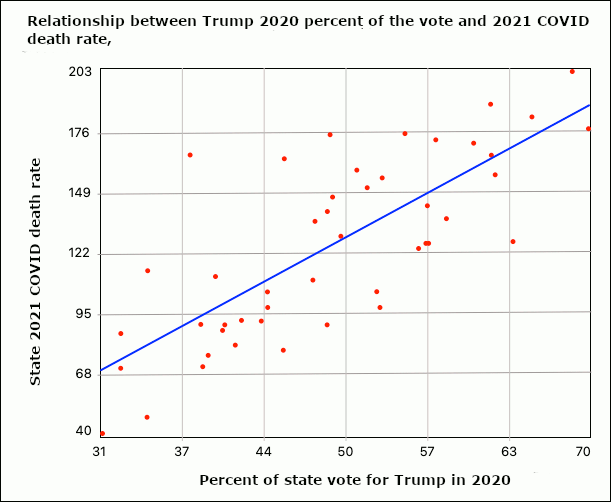
A study found that areas with higher support for Trump in the 2020 election also had higher COVID-19 death rates, suggesting a correlation between political beliefs and pandemic outcomes. The research, which analyzed data from over 3,000 U.S. counties, indicated that political polarization may have influenced public health behaviors and responses to the virus.
Kentucky has seen a 75 percent increase in Covid-19 deaths, with the virus causing 9.6 percent of overall deaths in the state last week. Similar rises in death rates are being observed in other states, prompting the CDC to urge vaccination against respiratory illnesses and cautioning that the first vaccines may not be effective against new virus strains. Hospitalizations from Covid and influenza are on the rise, leading to renewed attention to Covid guidelines, despite case levels remaining below the 2022 peak.
A Swedish study has found that individuals diagnosed with hypochondria, now known as illness anxiety disorder, have a higher death rate compared to those who do not excessively worry about their health. The study revealed that people with the disorder have an increased risk of death from both natural and unnatural causes, particularly suicide. The researchers suggest that chronic stress may contribute to this higher mortality rate. Treatment options for hypochondria include cognitive behavioral therapy, relaxation techniques, education, and sometimes antidepressant medication.
A large Swedish study has found that individuals diagnosed with hypochondria, now known as illness anxiety disorder, have a higher risk of death compared to those who do not excessively worry about their health. The study, published in JAMA Psychiatry, revealed that people with the disorder have an increased risk of death from both natural and unnatural causes, particularly suicide. The researchers suggest that chronic stress may contribute to this higher mortality rate. Treatment options for hypochondria include cognitive behavioral therapy, relaxation techniques, education, and sometimes antidepressant medication.
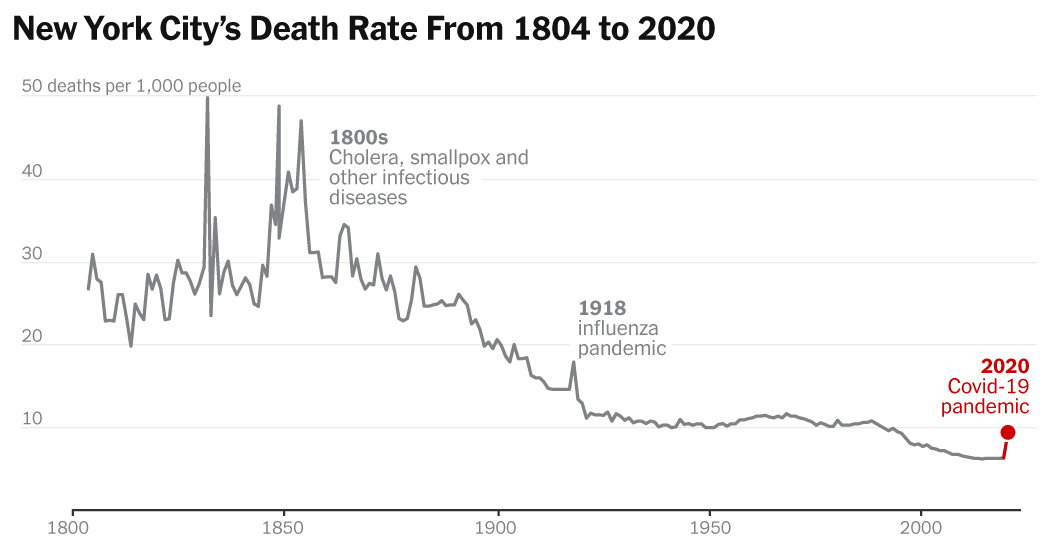
New York City's death rate increased by about 50% in 2020, the largest single-year percent increase since 1834, due to the Covid-19 pandemic. The city's life expectancy dropped by 4.6 years in 2020, and health officials say it may take years to recover. The pandemic has had a disproportionate impact on Black and Hispanic New Yorkers, with their life expectancy dropping by 5 and 6 years, respectively. The pandemic has also disrupted the trends of causes of death in modern New York, with diabetes and drug overdoses climbing in the rankings as causes of death.
Beijing's natural population growth has turned negative for the first time since 2003, with the death rate surpassing the birth rate in 2022. The decline is in line with national trends, with China's population falling last year for the first time in six decades due to rising living costs, weak economic growth, and changing attitudes towards raising a family. Beijing's birth rate is calculated based on permanent residents, not including migrant population, and is consistent with the national average figure. Political advisors to the government have come up with more than 20 recommendations to boost birth rates.
Oklahoma ranks second-highest in the US for COVID-19 death rate, with over 18,000 deaths reported by the CDC. The state's primarily rural population and limited access to healthcare are cited as contributing factors. However, healthcare systems are better equipped to handle the virus now than three years ago. Tulsans reflect on the impact of COVID-19 on their lives, with one calling it a "monumental colossal surprise." The future impact of the virus remains uncertain as it continues to evolve.