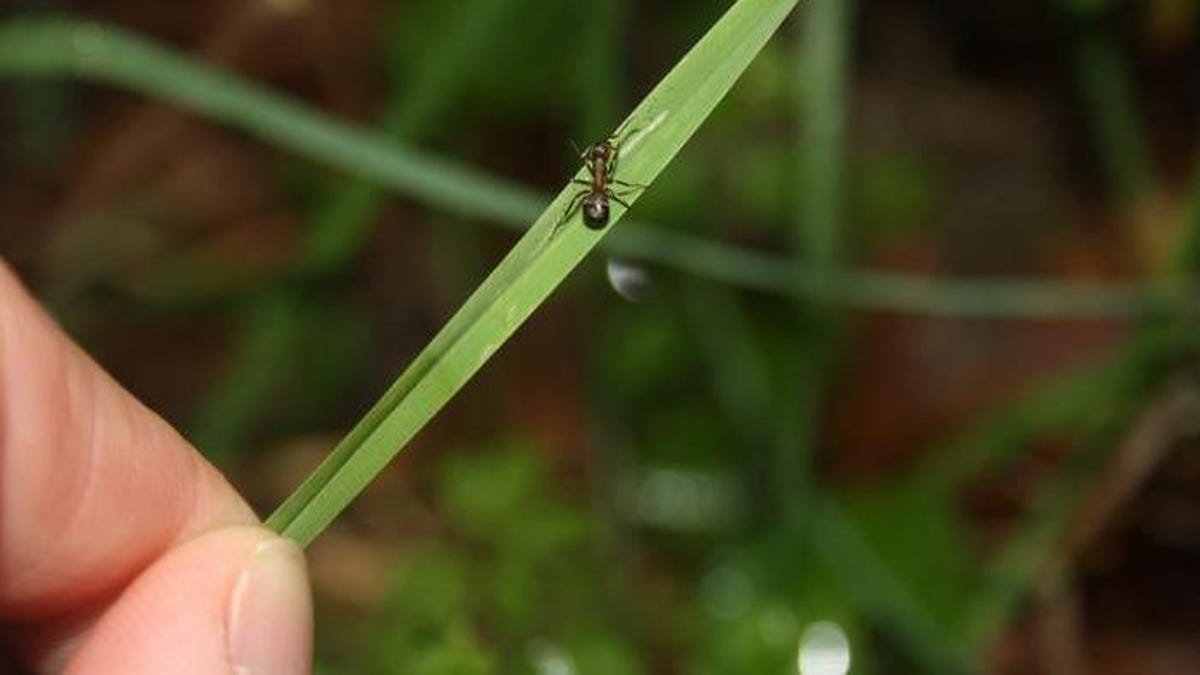
Researchers have studied the lancet liver fluke, a parasitic flatworm that turns ants into zombies, to understand how parasites manipulate host behavior. The fluke infects ants, migrates to their brain, and causes them to climb to the top of a blade of grass, where they are more likely to be eaten by grazing animals. The worms then settle in the animal's liver, lay eggs, and continue their life cycle. The study found that air temperature plays a role in the ants' behavior, with cooler temperatures triggering the ants to remain attached to the grass. Understanding parasite behavior could enhance knowledge about their sophistication and potential implications for human infections.
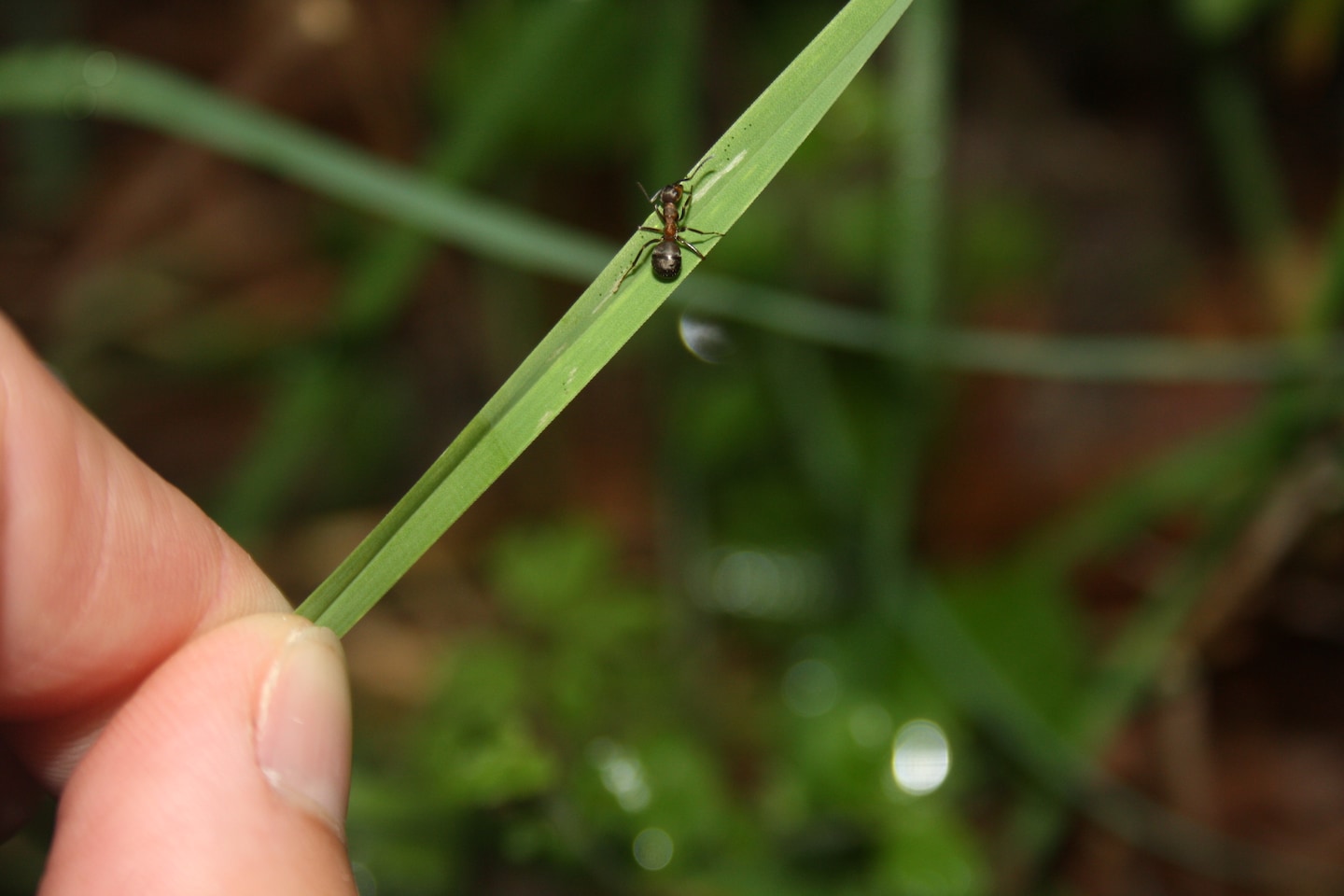
Scientists at the University of Copenhagen have discovered that the lancet liver fluke, a parasitic worm, "zombifies" ants by altering their behavior through a temperature-based on/off switch. When infected, ants are compelled to clamp their mandibles near the top of a blade of grass, making them more likely to be eaten by grazing animals. The liver flukes then work their way to the host's liver, while sacrificing the fluke attached to the ant's brain. The researchers observed that infected ants were more likely to exhibit this behavior in cooler temperatures, suggesting that the parasite waits for optimal conditions before activating "zombie mode." Further research is needed to understand the chemical substances used by the parasite to control the ants.
Scientists have discovered that lancet liver fluke parasites, which infect ants and manipulate their behavior, have a "zombie switch" that controls the ants' actions. The parasites compel the ants to climb up blades of grass to be eaten by larger animals, but when the weather gets too hot, the ants are coerced to climb back down. Temperature was found to be the most influential factor in the ants' behavior, with the worms puppeteering them mostly at night and in the morning. The study highlights the complexity of parasite behavior and the need for further research to understand the mechanisms behind the brain hijacking of ants.
Ants infected with the lancet liver fluke are manipulated by the parasite to attach to grass blades during cooler temperatures, increasing their chances of being consumed by grazers. Researchers have discovered that temperature serves as a trigger for the ant's behavior, with the infected ants climbing down when the temperature rises to protect themselves from lethal heat. Only one fluke controls the ant's brain, while the rest await transmission in the ant's abdomen. This study sheds light on the sophisticated manipulation tactics of parasites and their impact on host behavior in nature.