Tag

Healthcare Settings

All articles tagged with #healthcare settings

health1 year ago

"Emergence of Hypervirulent, Carbapenem-Resistant K. pneumoniae in European Hospitals"

The hypervirulent Klebsiella pneumoniae, a superbug endemic to Asia, has seen a 1,000% increase in infections in European hospitals since 2021, with cases rising from 12 to 143. This bacteria, resistant to last-line antibiotics, is causing concern due to its ability to infect healthy individuals and its association with hepatic abscesses, sepsis, meningitis, and pneumonia. The European Centre for Disease Control warns of its significant impact on morbidity and mortality, with clusters of cases reported in 10 European countries. This highlights the growing threat of antibiotic-resistant superbugs, which are projected to cause 10 million deaths annually by 2050.


health1 year ago

CDC to Revise COVID Isolation Guidelines, Shortening Duration

The Centers for Disease Control is reportedly set to change COVID-19 isolation guidelines, with new recommendations allowing people with mild or improving symptoms to end quarantine if they are fever-free for at least 24 hours, excluding hospitals and healthcare settings with vulnerable positions. The updated guidelines are expected to be released for public feedback in April, marking the first change since December 2021 when isolation time was reduced from 10 to 5 days.

health1 year ago

"Rapid Spread of Deadly Candida Auris Fungal Infection in Washington State"

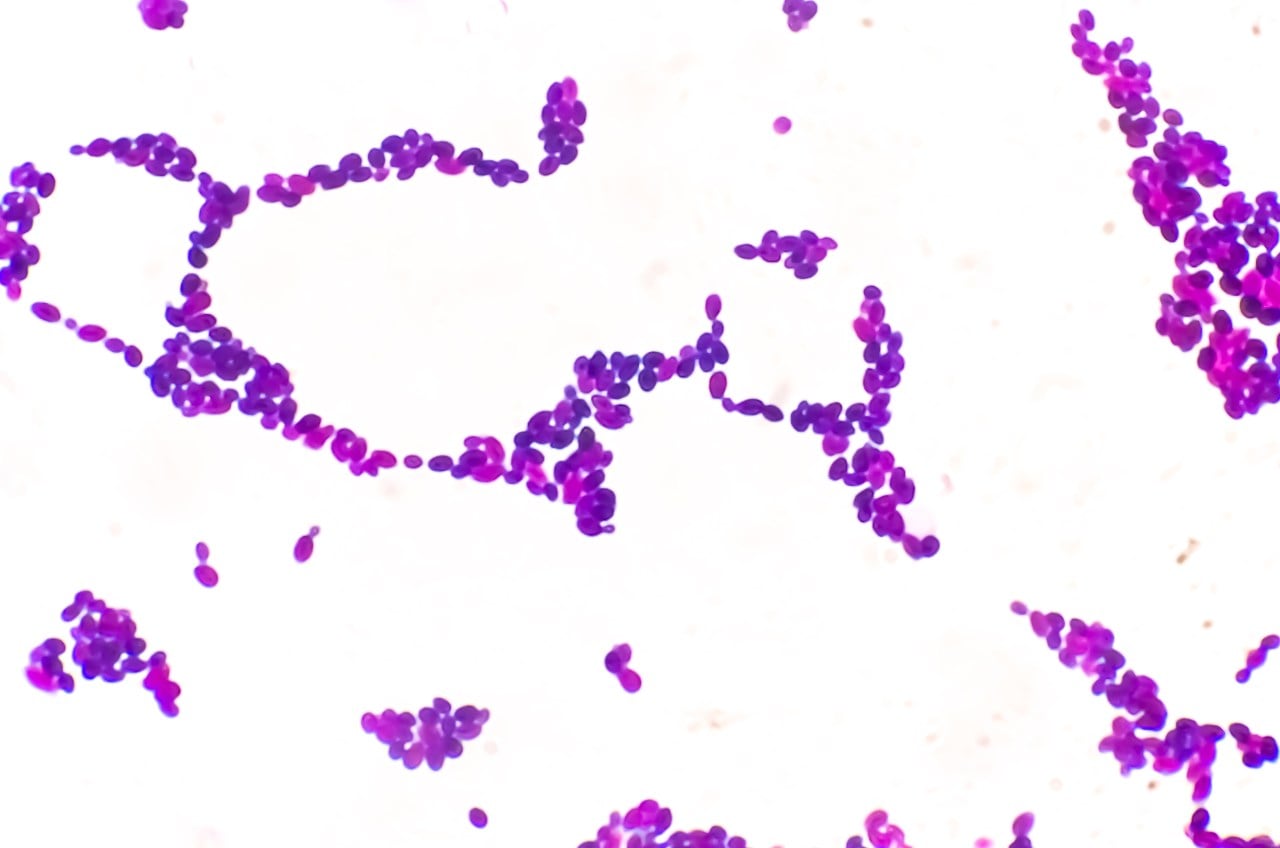
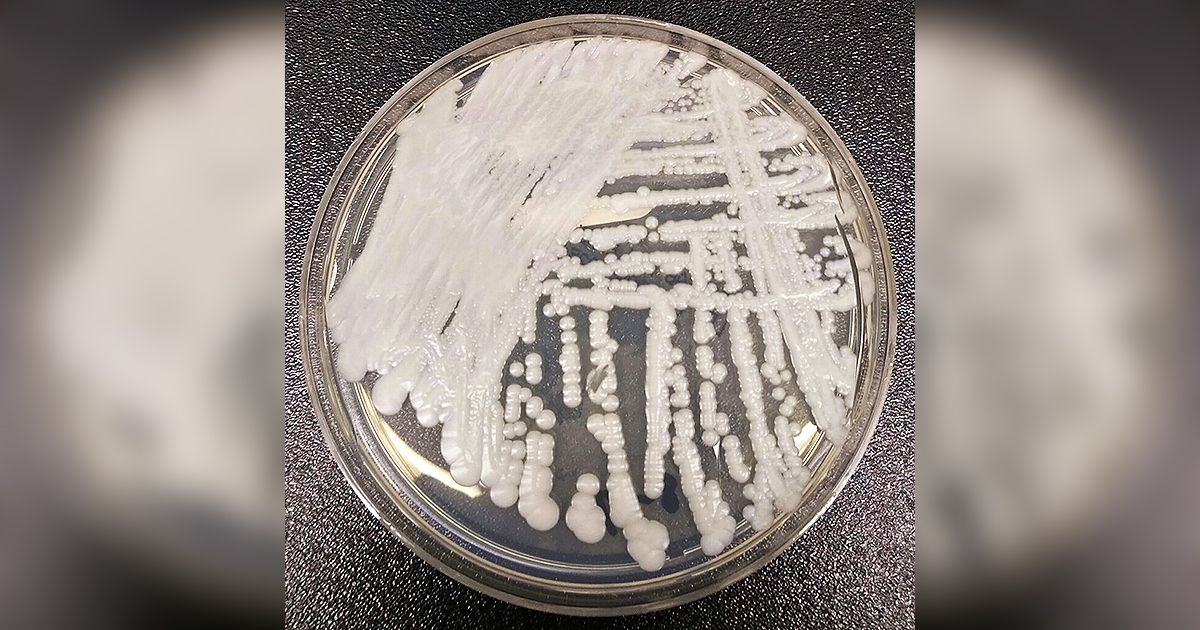
Candida auris, a deadly and drug-resistant fungal infection with a high fatality rate, is rapidly spreading across the US, particularly in healthcare settings. The infection, which can be asymptomatic and easily transmitted, has seen a significant increase in cases in recent years. While it primarily affects those with weakened immune systems, it poses a serious threat in medical facilities due to its resistance to common antifungal drugs and potential for misidentification, leading to incorrect treatment. Experts warn of a potential "nightmare scenario" if the spread of Candida auris is not effectively controlled.

health2 years ago

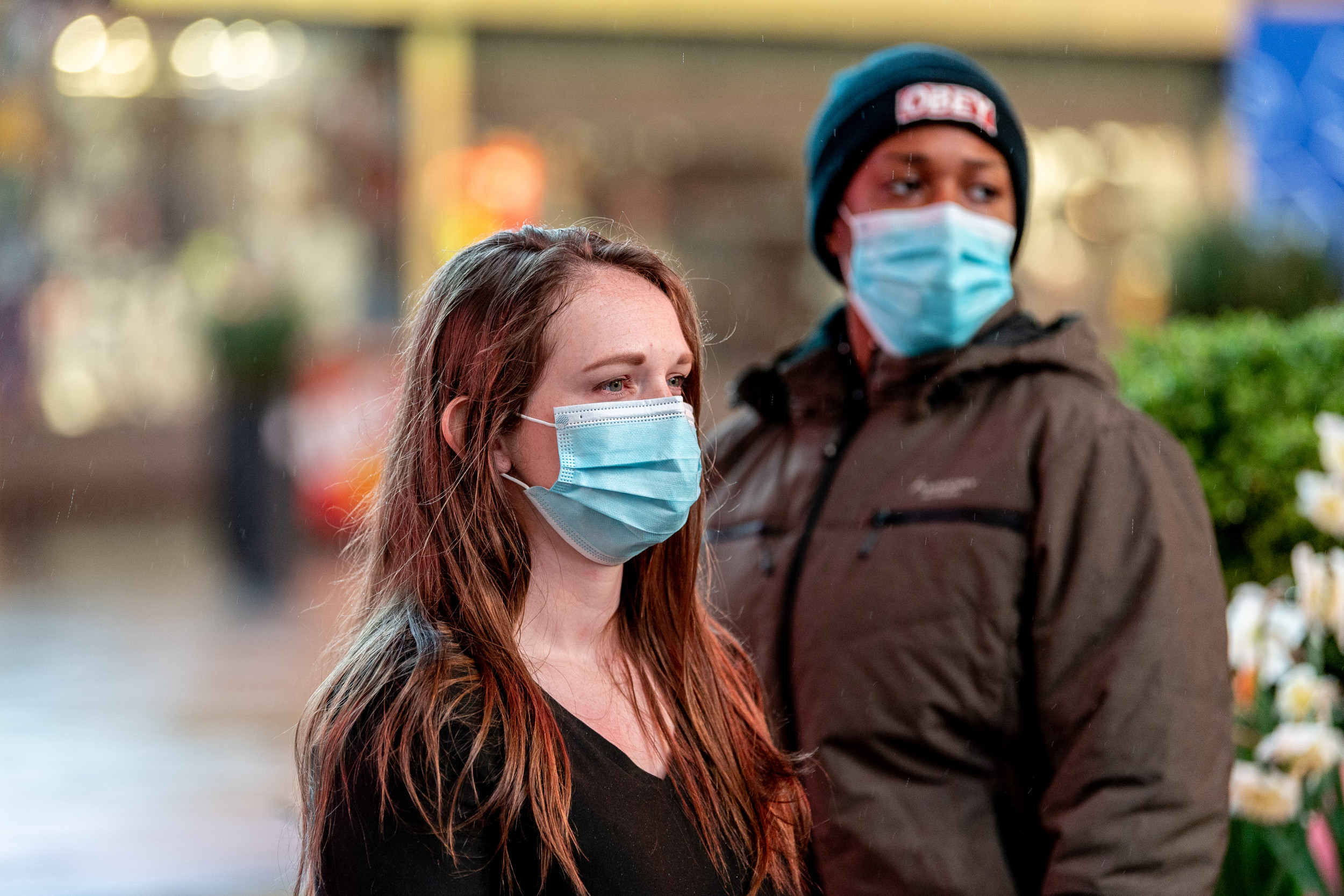
"Marin County Implements Extended Mask Mandate to Combat COVID-19 Surge"

Marin County in California has reinstated a face mask mandate until March 2024, requiring anyone entering a hospital to wear a mask, regardless of vaccination status. The move aims to prevent the spread of diseases, including COVID-19. While hospitalizations and positive cases of COVID-19 in the US have risen over the summer, they appeared to reach a peak at the end of September. The Royal Society in the UK has concluded that face masks "unequivocally" reduce COVID-19 infections. However, mask mandates have faced opposition from top Republicans, with some states, like Texas, banning government agencies from enforcing them. Marin County's mandate can impose penalties, including misdemeanor charges or jail time, for non-compliance.

health2 years ago

Rising Climate Change Linked to Increasingly Dangerous Fungus

Candida auris, a dangerous and potentially multi-drug resistant fungal infection, is becoming more prevalent globally, with the highest number of cases recorded in New York City. Scientists believe that climate change may be a contributing factor, as rising temperatures can allow fungi to develop tolerance to warmer environments, potentially compromising human resistance. The fungus poses a significant threat to human health, particularly for immunocompromised patients in healthcare settings. Candida auris is challenging to treat and diagnose, and its resistance to traditional antifungal medications is a cause for concern. Public health agencies are urgently working to mitigate transmission in healthcare settings, but the increasing number of cases reflects a true increase in infections.

health2 years ago

Rising Climate Change Linked to Increasingly Dangerous Fungus

Candida auris, a dangerous and potentially deadly fungal infection, is becoming more prevalent globally, with New York City being a major hotspot. The rise of this infection, which was first identified in the United States in 2016, is believed to be linked to climate change. Rising temperatures may allow fungi to develop tolerance to warmer environments, potentially compromising human resistance. Candida auris is resistant to common antifungal treatments and can spread rapidly in healthcare settings. The infection poses a significant threat to immunocompromised patients and is challenging to diagnose and treat. Researchers are investigating the emergence of Candida auris, with climate change being a widely accepted theory. Urgent efforts are underway to mitigate transmission in healthcare settings.

health2 years ago

Rising Climate Change Linked to Increasingly Dangerous Fungus

Candida auris, a dangerous and potentially deadly fungal infection, is becoming more prevalent globally, with New York City being a major hotspot. The rise of this infection, which was first identified in the United States in 2016, is believed to be linked to climate change. Rising temperatures may allow fungi to develop tolerance to warmer environments, potentially compromising human resistance. Candida auris is resistant to common antifungal treatments and can spread rapidly in healthcare settings. The infection poses a significant threat to immunocompromised patients and is challenging to diagnose and treat. Researchers are investigating the emergence of Candida auris, with climate change being a widely accepted theory. Urgent efforts are underway to mitigate transmission in healthcare settings.

health2 years ago

Rising Climate Change Linked to Increasingly Dangerous Fungus

Candida auris, a dangerous and potentially multi-drug resistant fungal infection, is becoming more prevalent globally, with the highest number of cases recorded in New York City. Scientists believe that climate change may be a contributing factor, as rising temperatures can allow fungi to develop tolerance to warmer environments, potentially compromising human resistance. The infection poses a significant threat to human health, particularly for immunocompromised patients in healthcare settings. Candida auris is challenging to treat and diagnose, and its resistance to traditional antifungal medications is a cause for concern. Public health agencies are urgently working to mitigate transmission in healthcare settings, while researchers investigate the emergence of the fungus and its potential links to climate change.

health2 years ago

Seattle Hospital Hit by Bacterial Outbreak with 31 Infections.

Virginia Mason Medical Center in Seattle has reported 31 confirmed cases of Klebsiella pneumoniae bacterial infection since October 2022. The medical center is investigating the source of transmission and taking precautions to prevent additional cases. Klebsiella is a type of bacteria that can lead to illnesses in healthcare settings such as pneumonia and meningitis as well as bloodstream, wound or surgical site infections. The Seattle and King County public health department is working closely with the medical center to manage the outbreak.

health2 years ago

Overcoming Drug Resistance in Candida Auris.

Candida auris, a deadly fungus spreading in more than half of U.S. states, has evolved to be resistant to both antimicrobial cleaning products and anti-fungal drugs, making it hard to treat. Patients being treated for a Candida auris infection need to be closely monitored for signs the infection is drug resistant. If drugs aren’t working, it’s up to the patient’s immune system to fight off the infection. The pathogen is most likely to spread to people who have compromised immune systems because it often enters the body through invasive medical devices like catheters or PICC lines.

health2 years ago

Emerging Fungus Causing Deadly Infections in Hospitals and Nursing Homes Across the US

The CDC warns of an emerging and potentially deadly fungus, Candida auris (C. auris), that is spreading in healthcare settings like ICUs and nursing homes, infecting patients who are already battling severe health problems. C. auris is multi-drug resistant and hard to detect without specialized lab equipment. It can live on a person's skin without causing symptoms, allowing it to be transmitted from one person to another or to get into a patient's body through contaminated surfaces or medical equipment. The CDC reports 2,377 clinical C. auris cases in the US in 2022, and 30% to 60% of patients infected die.

health2 years ago

Rapidly Spreading Deadly Fungus Detected in Multiple US States.

The Centers for Disease Control and Prevention has issued a warning about Candida auris, a deadly fungus that has been detected in more than half of U.S. states. Public Health – Dayton and Montgomery County has reported one case of the fungus in the county in 2023, and three cases in 2022. Candida auris is often resistant to anti-fungal drugs and can be difficult to identify with standard lab tests, making it a significant threat in healthcare settings where it can cause severe or even deadly infections. The CDC suggests that the spread of the fungus may have worsened due to strain on healthcare and public health systems during the COVID-19 pandemic.