Google's AI Overviews appear selectively based on user engagement and usefulness, with the system learning when to show them and expanding search queries under the hood to provide relevant information. The feature is designed to assist with complex questions and is gradually incorporating limited personalization, but overall, it prioritizes consistency across users. Fluctuations in AI Overviews' presence may reflect user behavior rather than algorithm changes.
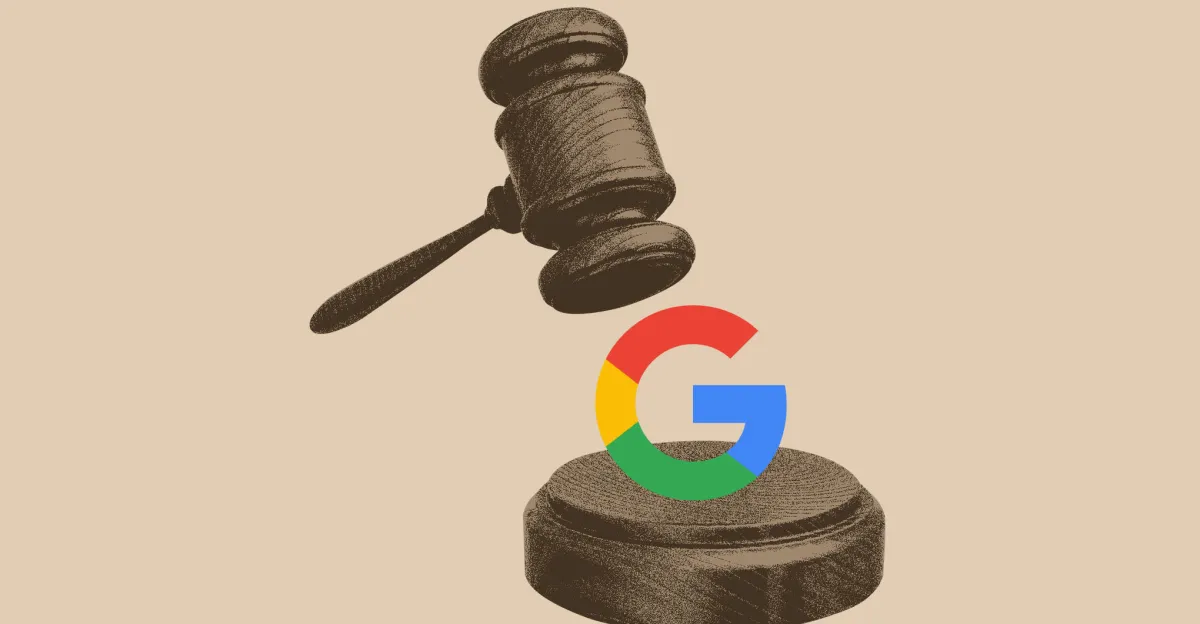
WikiHow CEO Elizabeth Douglas testified in a court case that Google, while contributing to their revenue through ad tools and licensing, is also a major factor in the decline of web traffic due to AI features like AI Overviews, which reduce users clicking through to publisher sites. She expressed concern that breaking up Google's ad business could disrupt her revenue streams, despite the company's monopolistic practices being under legal scrutiny. The case highlights the complex relationship between publishers and Google's dominant ad and search tools amid ongoing antitrust investigations.
Penske Media, publisher of Rolling Stone, has sued Google over its AI Overviews feature, claiming it reduces traffic and revenue by providing summaries that discourage users from clicking through to original content, and argues this practice benefits Google illegally. The case highlights ongoing conflicts between content creators and AI-powered search features, with other publishers also taking legal action against similar practices.
Penske Media Corporation has sued Google, accusing the tech giant of illegally using news publisher content to create AI summaries that harm their business, and of coercing publishers into allowing content republishing and training AI models, which has led to declines in traffic and revenue for publishers like Rolling Stone.
Penske Media has sued Google, alleging that AI-generated summaries using their content reduce traffic and revenue, and that Google ties search visibility to the use of publisher content without proper compensation, raising concerns over market dominance and the future of digital media.
Google's AI Overviews has been struggling with a simple question about the year 1995, often giving incorrect answers such as 29 years ago instead of 30, highlighting ongoing issues with AI accuracy and reliability.
The rise of AI-powered search summaries like Google's AI Overviews could significantly reduce traffic to traditional websites, threatening the revenue models of many publishers that rely on site visits for ad revenue, potentially leading to business closures and a major shift in how information is consumed online.
A study from Pew Research Center indicates that AI Overviews in Google Search lead to fewer clicked links and reduced further searches, raising concerns about their impact on web traffic and publishers. Google disputes the findings, claiming their data shows no significant decline in outbound clicks, and highlights that users find AI features helpful. The debate continues over how AI integration affects user engagement and web traffic.
A Pew Research Center study shows that Google's AI Overviews in search results reduce user clicks on traditional links and increase the likelihood of ending browsing sessions, raising concerns about the impact on website traffic and revenue, despite Google's dispute of the findings.
The article discusses methods to remove or avoid AI-generated answers in Google search results, including using the 'Web' search filter, adding '-ai' to queries, and installing extensions like 'Hide Gemini' to block AI features, helping users focus on traditional web results.
The Independent Publishers Alliance has filed an antitrust complaint with the European Commission against Google, accusing it of misusing web content for AI Overviews in search results, which has negatively impacted publishers' traffic and revenue. The complaint highlights concerns over publishers' lack of opt-out options and the ongoing expansion of AI summaries causing traffic declines, despite Google's defense that the feature creates new opportunities and traffic fluctuations are normal.
Google's AI Overviews feature has significantly increased 'zero click' searches, leading to a sharp decline in traffic to news websites, with organic visits dropping from over 2.3 billion to under 1.7 billion in a year, and many publishers experiencing substantial traffic losses, despite Google's claims of new opportunities for content discovery.
Major US news websites have experienced significant traffic declines, up to 40%, since Google introduced its AI search features like AI Overviews and AI Mode, which provide direct answers and reduce the need for users to visit external sites, raising concerns about the impact on journalism and publisher revenue.
YouTube is testing an AI-powered search results carousel for Premium members in the US, featuring a large video, thumbnails, and AI-generated responses, initially available on iOS and Android for English videos until July 30. Additionally, the platform is expanding its conversational AI tool to some non-Premium US users.
YouTube is introducing AI-powered features, including a search results carousel for Premium users in the US that suggests videos and provides AI-generated descriptions, and is testing a conversational AI tool that offers content summaries and recommendations, aiming to enhance user experience but raising concerns about creator engagement.