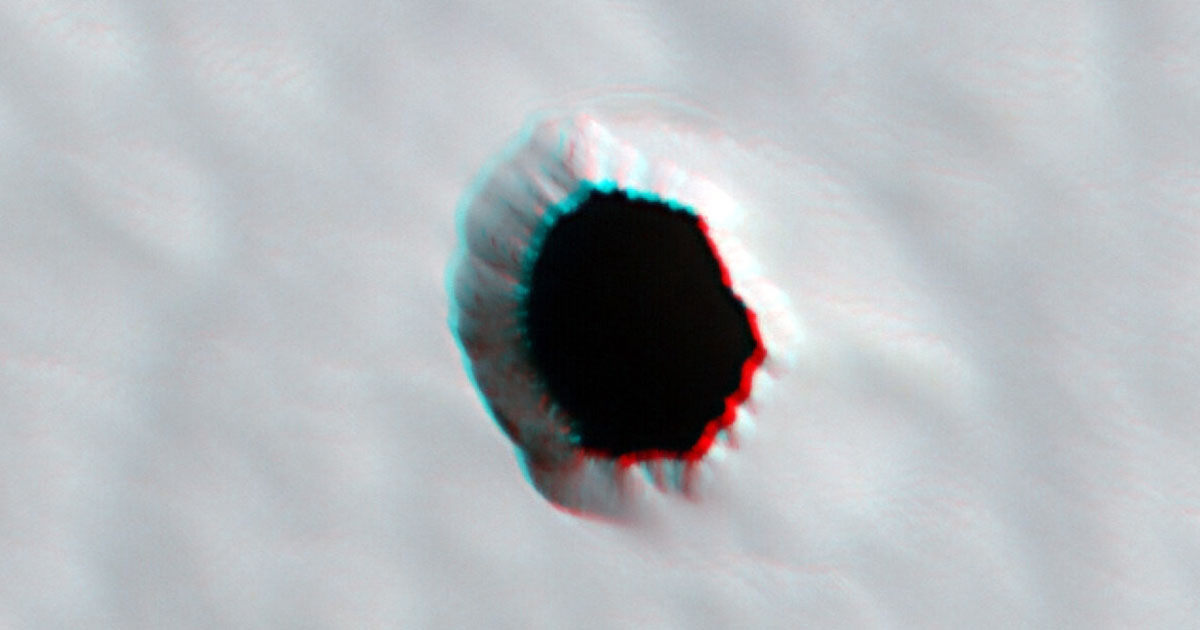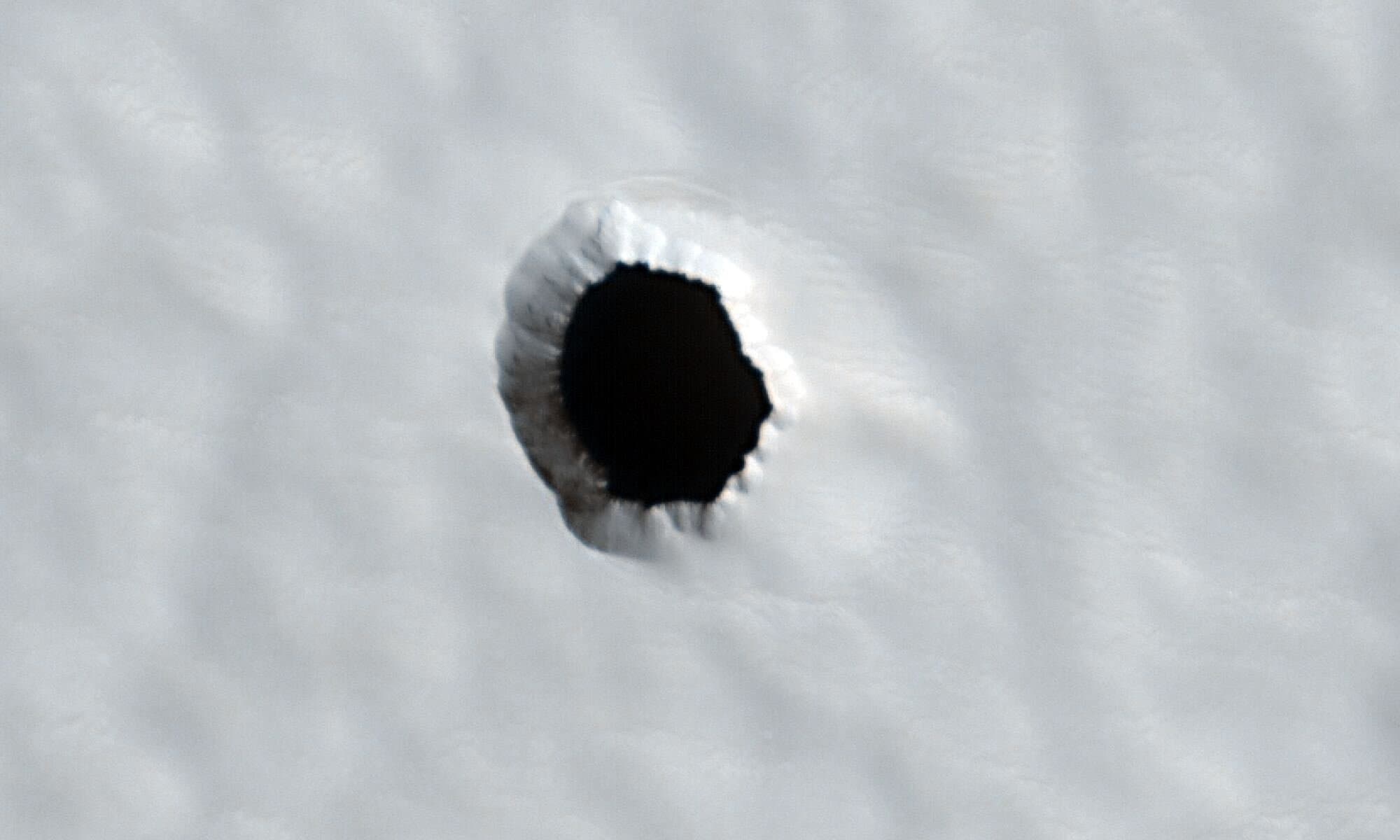
Scientists have discovered a mysterious hole on Mars that could be a skylight leading to lava tubes, which may serve as protective habitats for future human explorers by shielding them from radiation and harsh environmental conditions. The hole's exact nature is still under investigation, but it represents a promising avenue for exploring underground refuges on Mars, similar to lunar lava tubes, and could be crucial for sustainable colonization.
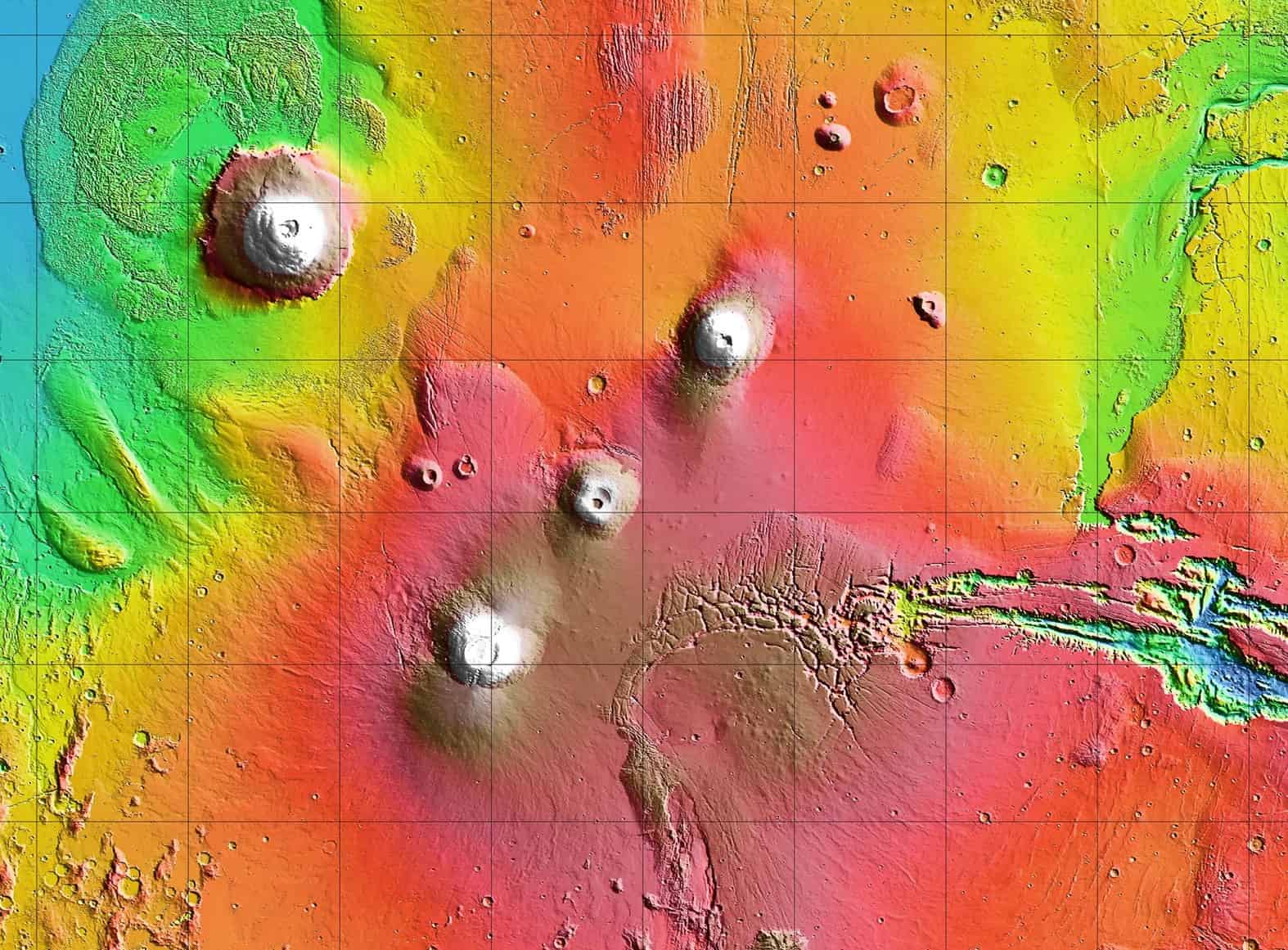
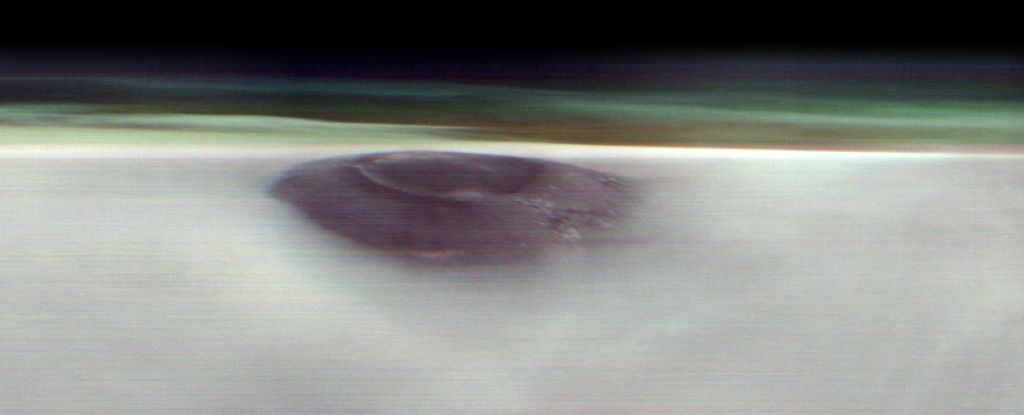
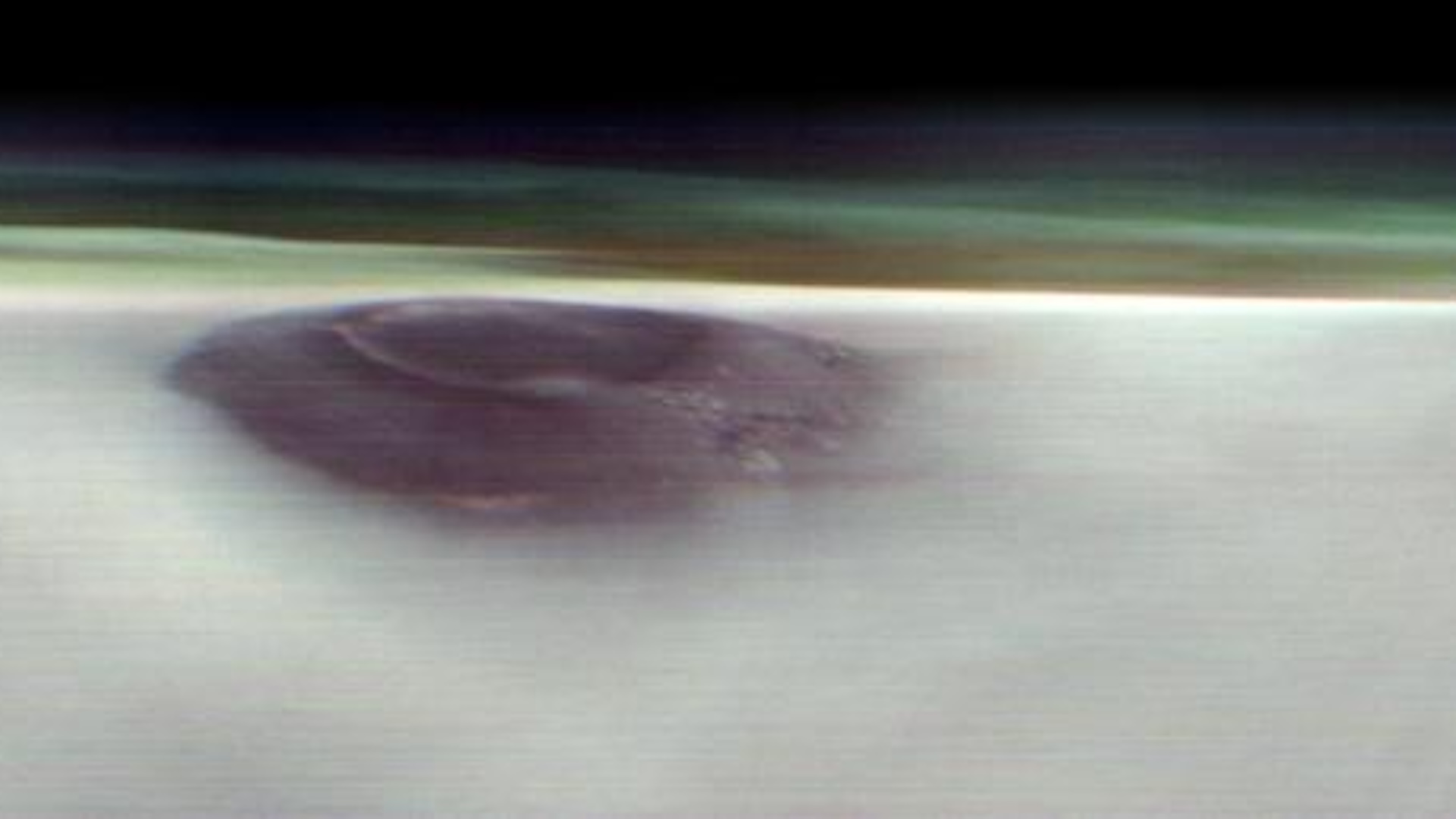
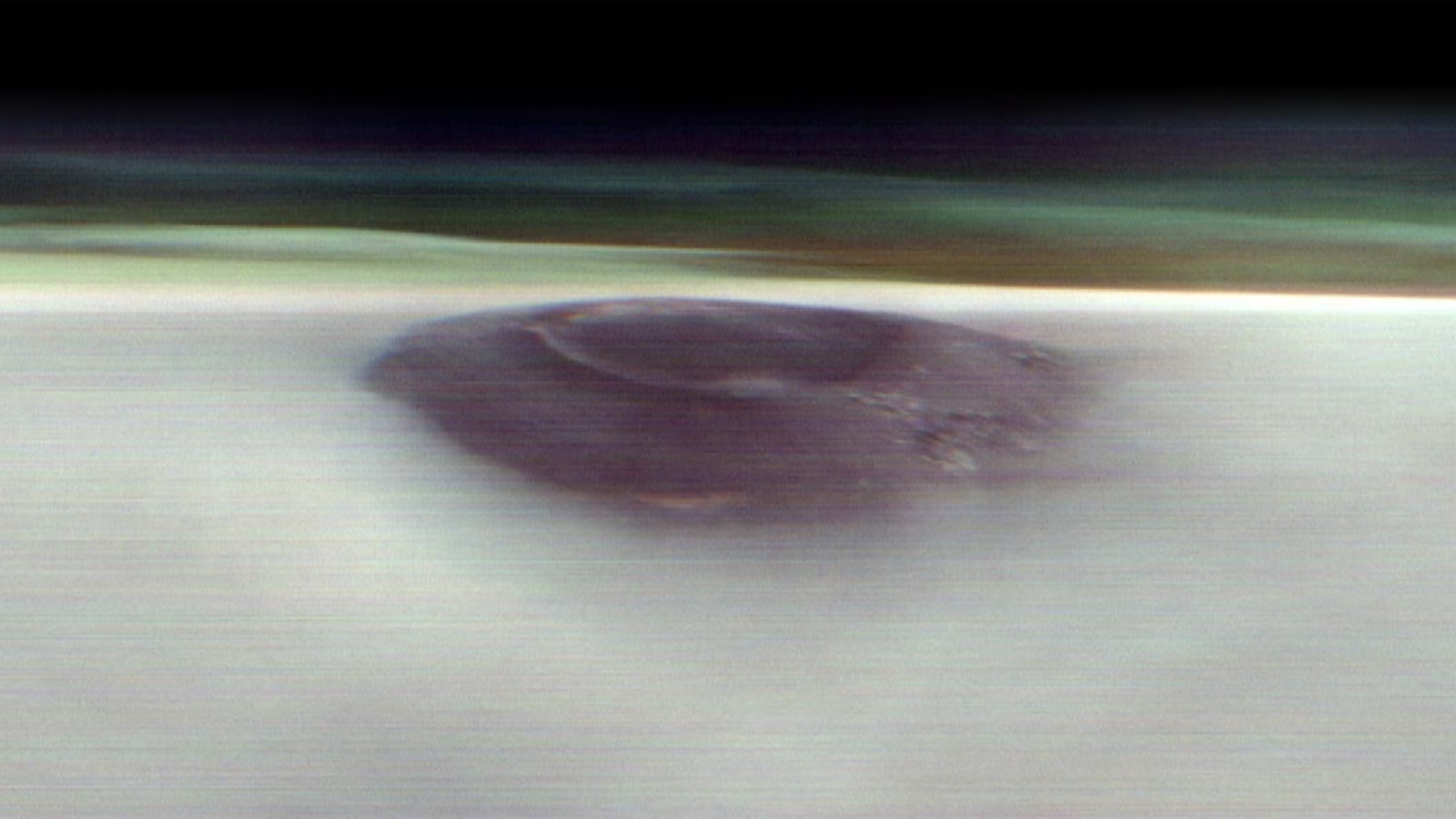
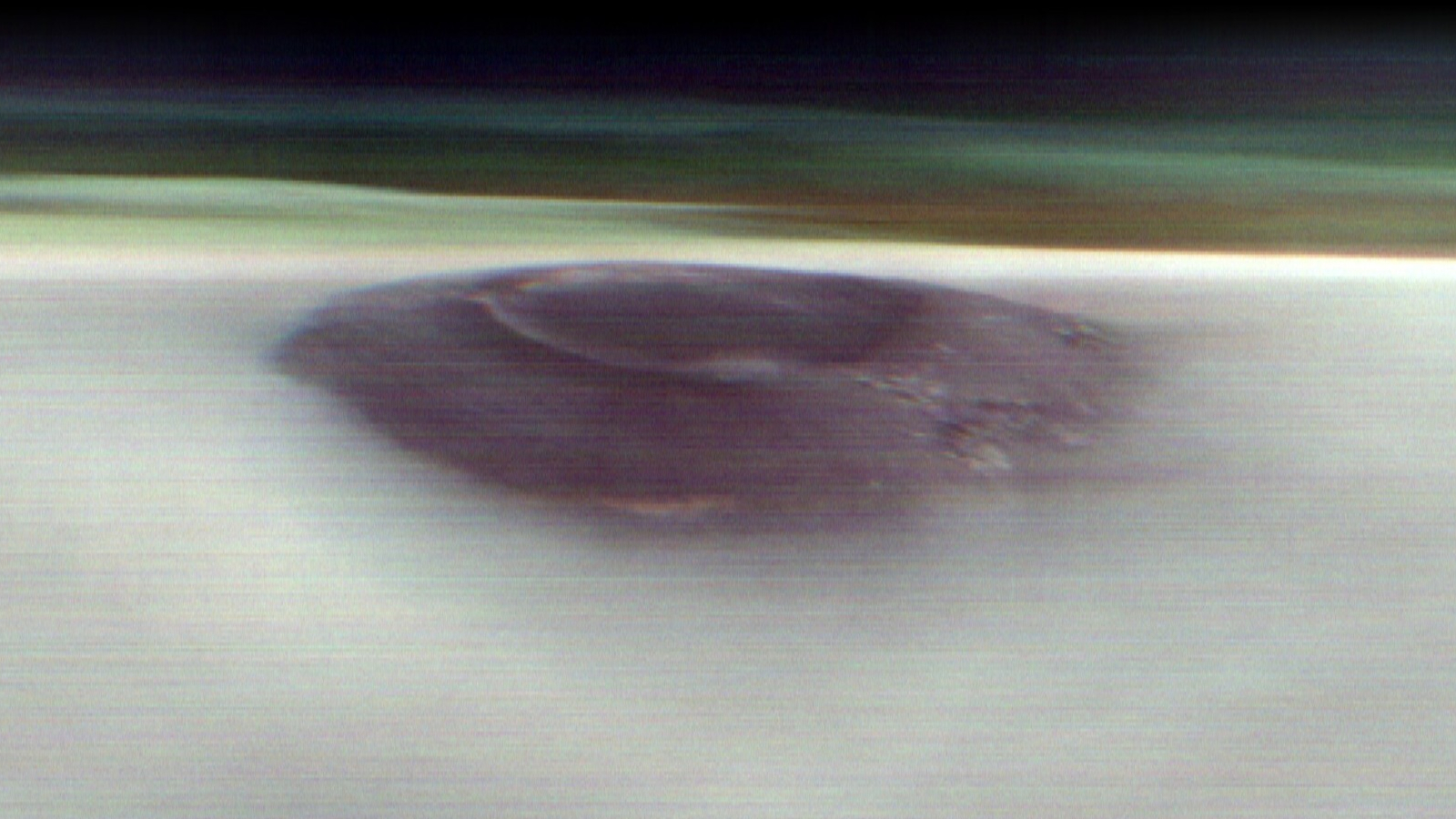
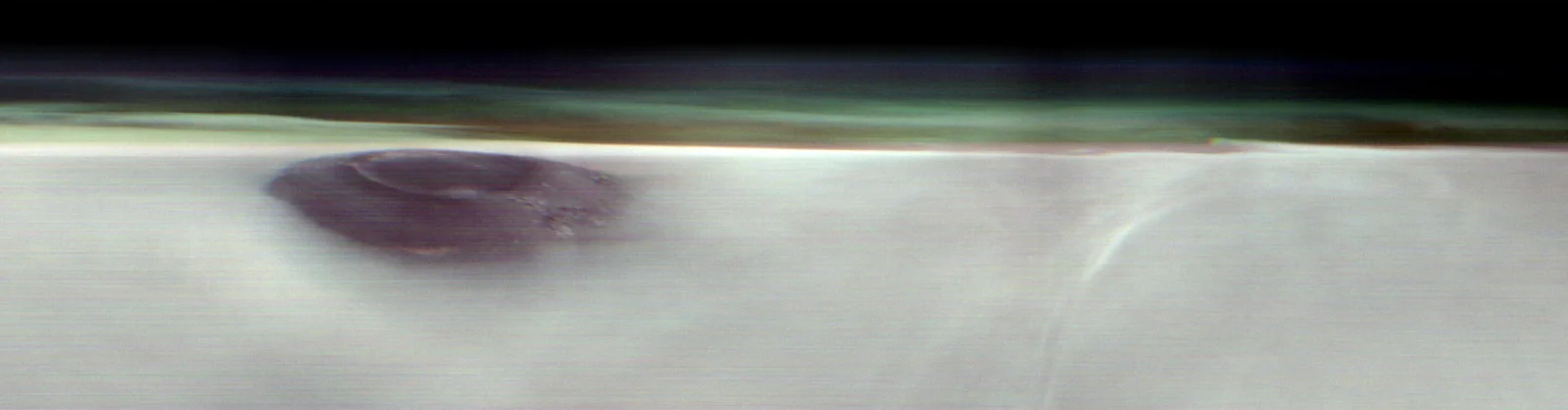
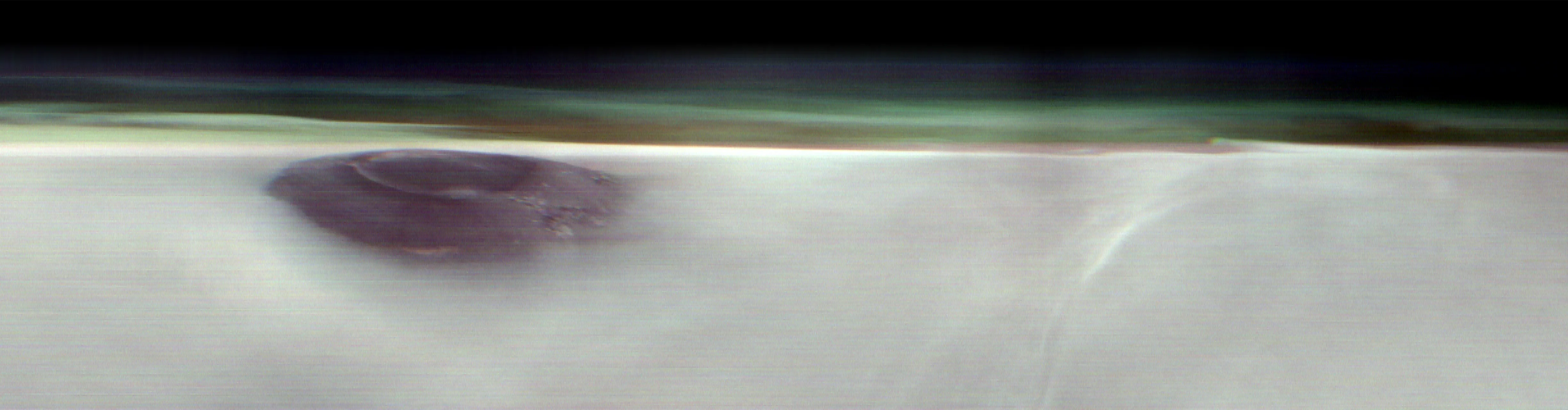
NASA's Mars Odyssey orbiter captured a groundbreaking image of Arsia Mons, a massive volcano on Mars, rising above water ice clouds during a rare atmospheric phase, providing new insights into Martian weather and geological features.
NASA's Odyssey orbiter captured a groundbreaking panoramic view of Arsia Mons, a massive volcano on Mars, peeking above the planet's morning clouds, providing new insights into Martian atmospheric dynamics and volcanic history.
NASA's Mars Odyssey orbiter captured a stunning image of Arsia Mons, a massive shield volcano on Mars, rising above morning clouds, highlighting its impressive height of 12 miles, more than twice Everest's height, and providing insights into Martian atmospheric conditions.
NASA's Mars Odyssey orbiter captured the first detailed image of Arsia Mons, a giant 12-mile-high volcano on Mars, peeking through morning clouds, providing new insights into the planet's atmospheric changes and seasonal variations.
NASA's Mars Odyssey orbiter captured a rare view of Arsia Mons, one of Mars' largest volcanoes, emerging from clouds near dawn, highlighting its impressive height and the unique water ice clouds that surround it, offering insights into Martian atmospheric phenomena.
NASA's Mars Odyssey orbiter captured a stunning image of Arsia Mons, a massive volcano on Mars, peeking above morning clouds, providing valuable insights into the planet's atmospheric and surface features, including seasonal cloud variations and water ice deposits.
NASA's Mars Odyssey spacecraft captured a panoramic image of Arsia Mons, one of the planet's largest volcanoes, peeking above morning clouds, providing new insights into Martian atmospheric conditions and surface features, and marking a significant achievement in planetary observation since its launch in 2001.
NASA's Mars Reconnaissance Orbiter has captured an image of a nearly perfectly circular pit on Mars, intriguing scientists about its formation and potential as a shelter for future astronauts. The pit, located near the Arsia Mons volcano, may lead to a network of lava tubes, which could offer protection from cosmic radiation and dust storms. However, current Martian rovers lack the capability to explore these underground formations, and further research is needed to determine their viability for human habitation.
A mysterious hole on Mars' Arsia Mons, captured by NASA's Mars Reconnaissance Orbiter, could potentially lead to underground lava tubes that might serve as shelters for future astronauts. However, its true nature remains uncertain, as it could also be just a pit or shaft without any connection to larger subterranean structures. Further exploration, possibly by robotic missions, is needed to determine its significance.