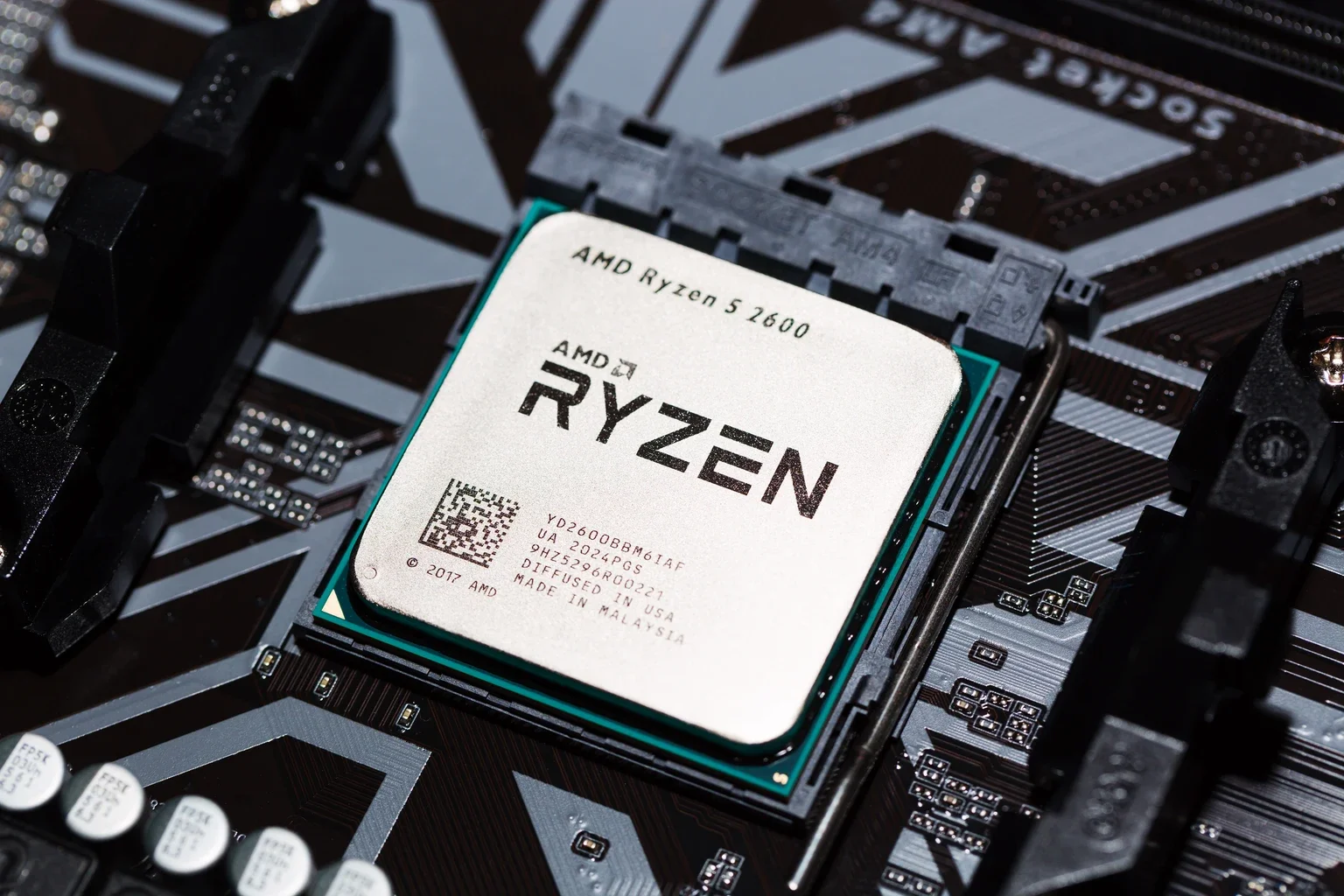
Advanced Micro Devices (AMD) shares have fallen nearly 20% since late October due to sentiment rather than fundamentals, despite strong Q3 results and positive revenue growth revisions. With a forward P/E below 15 for FY2028 and accelerating AI industry tailwinds, AMD stock is viewed as a highly attractive buying opportunity.
Applied Digital has experienced significant growth by shifting from blockchain to AI data centers, riding the AI investment boom, but its high valuation, substantial debt, and cash burn pose risks for investors considering buying the stock now.
Netflix's recent stock decline is driven by short-term profit and growth concerns, but the company's underlying strengths, such as new revenue streams from advertising and merchandise, suggest these fears may be overblown. Despite a high valuation, Netflix remains a strong long-term business, though current stock prices may not present an ideal entry point for investors.
Alibaba's shares surged nearly 50% this month as analysts highlighted strong growth potential in its cloud and AI businesses, boosted by increased investments, strategic partnerships, and positive quarterly results, making it the top gainer on the Hang Seng Tech Index.
Palantir Technologies has experienced significant growth and high valuation, with its stock soaring 370% in the past year, but many investors advise caution due to its overvaluation and dependence on macroeconomic trends, suggesting a wait for potential pullbacks before investing more.
Adobe's stock is declining due to concerns over AI disruption threatening its core creative software business, with analysts cautious about its slow growth and future competitiveness, despite some optimism from a minority of analysts.
Marvell Technology's stock declined after its strong second-quarter results were overshadowed by cautious third-quarter guidance, leading Wall Street to revise down its near-term growth forecasts amid mixed signals of ongoing demand in AI and enterprise markets.
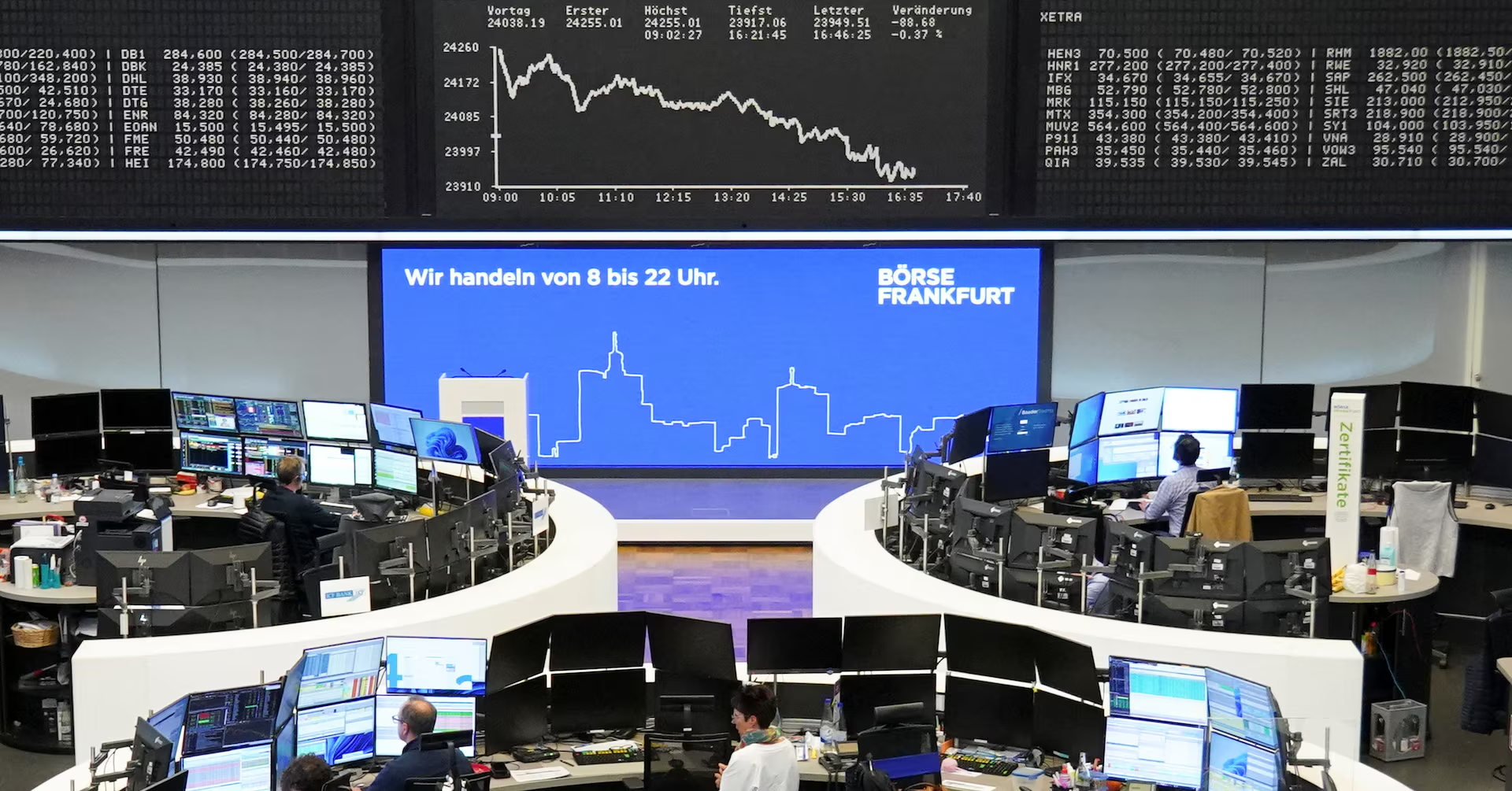
Global ex-U.S. equity funds experienced their largest inflows in over four years in July, driven by concerns over the U.S. economy, high stock valuations, and a weakening dollar, leading investors to diversify into Europe and emerging markets with better growth prospects and easier monetary conditions.
Investors are mixed on Alphabet's stock due to concerns about AI disrupting its core search engine business, which impacts its valuation. While some see potential in its other segments like Cloud, YouTube, and Waymo, the overall sentiment reflects uncertainty about future growth, though the stock remains undervalued compared to peers.
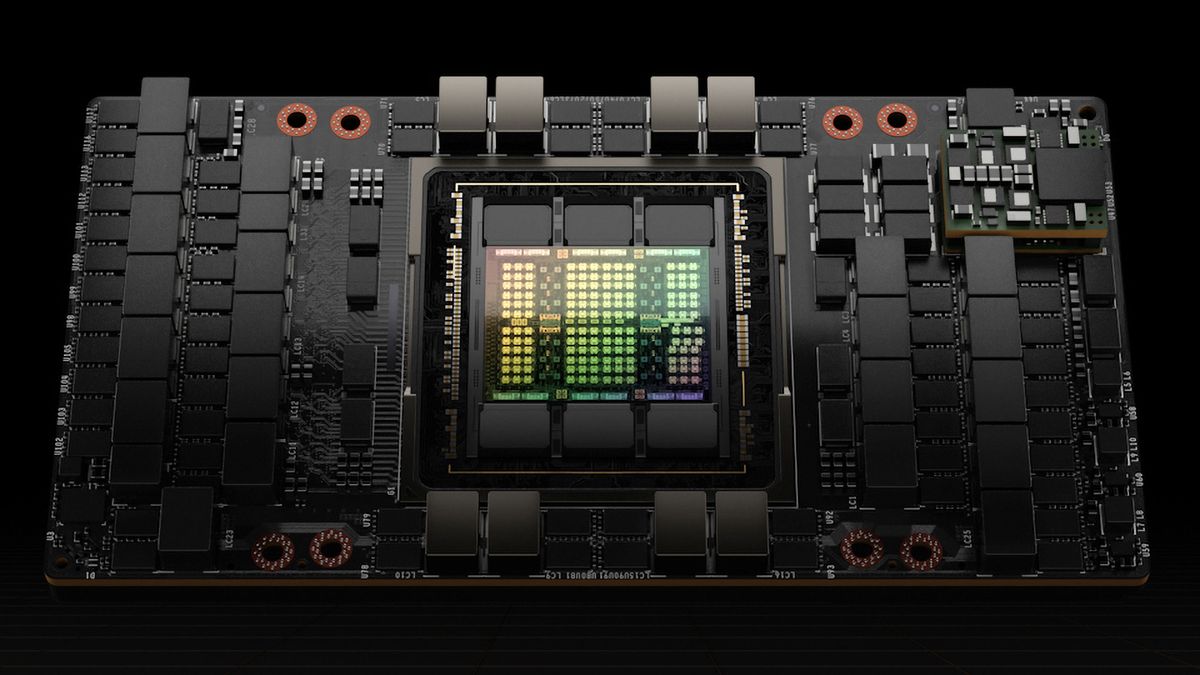
Nvidia's stock has faced challenges due to trade tensions and export restrictions but continues to show strong growth driven by its data center, gaming, and automotive segments. With increasing global investment in AI infrastructure and Nvidia's strategic positioning, the company's prospects over the next five years appear promising, potentially leading to significant stock price gains.
Teladoc Health's stock plummeted after posting weaker-than-expected financial results and underwhelming guidance, marking a 95% drop from its all-time high three years ago. The company's revenue growth has decelerated for 11 consecutive quarters, with a decline in telemedicine visits in 2023. While its losses continue to narrow and free cash flow is expected to increase, the outlook for revenue growth remains modest. The stock's enterprise value is currently reasonable, but investors are looking for signs of usage growth before feeling comfortable about forward metrics.
Analyst firm UBS reports that the wait time for Nvidia's H100 80GB GPU for AI applications has decreased from 8-11 months to 3-4 months, indicating potential near-term growth peak but also potential trouble for future growth prospects. This reduction in lead times suggests improved production capacity and quicker order fulfillment, leading to short-term revenue boosts, but could also signal a decline in revenue as backlogs are fulfilled and new orders decrease. The market anticipates continued growth for Nvidia, but the rapid decrease in lead times suggests a potential cooling off of growth within the next two or three quarters, not reflected in the stock's current valuation. Despite potential challenges for Nvidia's sequential growth, the broader AI industry is expected to continue advancing.
Apple's stock is expected to rise as investors recognize the company's potential for long-term growth in China and the positive impact of its upcoming mixed-reality headset.
The head of the International Monetary Fund (IMF), Kristalina Georgieva, has warned that the fight against inflation could have negative consequences for financial markets, potentially leading to high interest rates until 2025. Georgieva highlighted the risk of prolonged borrowing costs and tighter financial conditions, which could impact asset prices. She emphasized the need for structural reforms to stimulate growth and called for increased IMF resources to support vulnerable countries in a more shock-prone world. Georgieva also discussed the scarring effects of the COVID-19 pandemic and Russia's invasion of Ukraine on global economic recovery.
The stock market prioritizes a company's profitability and growth prospects over the political affiliation of its executives. This is important to keep in mind when considering ETFs that cater to investors with specific political beliefs.