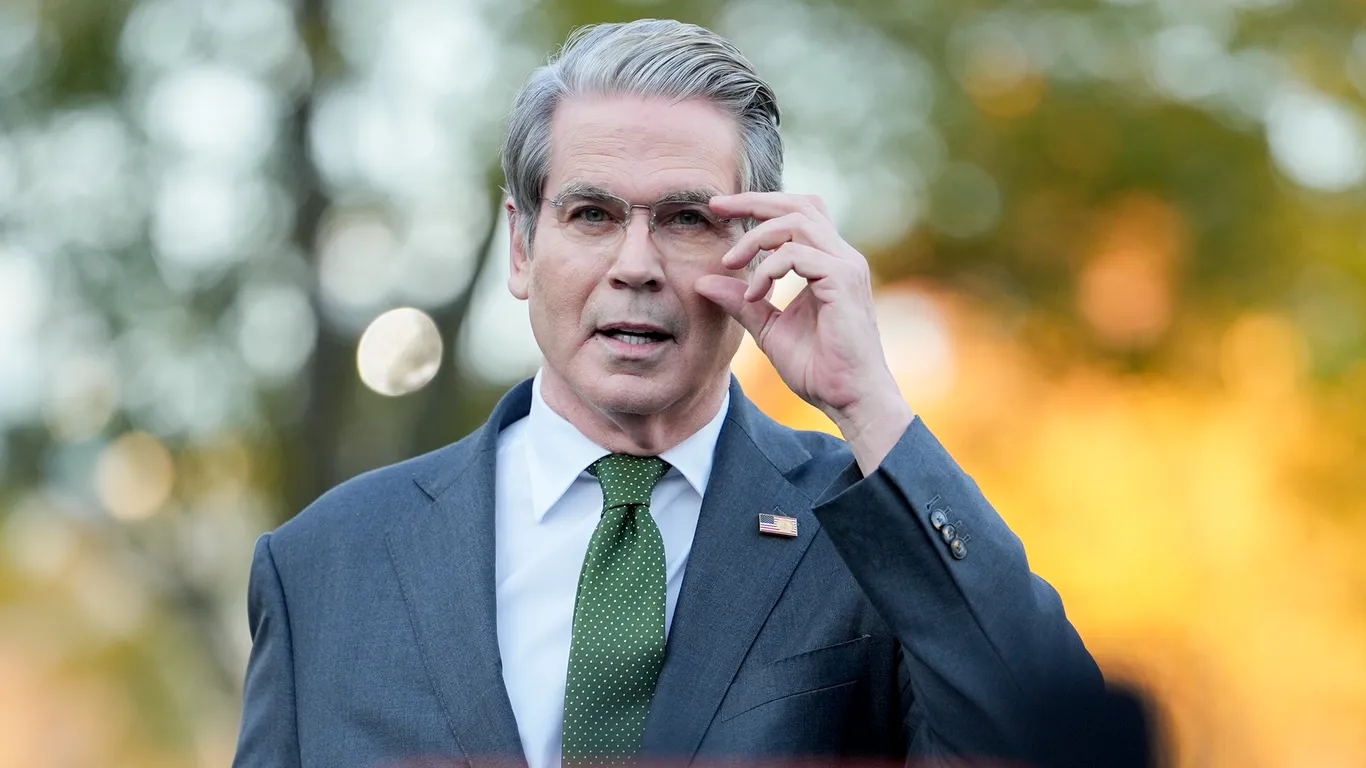
Treasury Secretary Scott Bessent announced that substantial measures are expected soon to lower the prices of coffee and some fruits, amid ongoing efforts to address rising grocery costs and inflation, though specifics of the methods remain unclear.
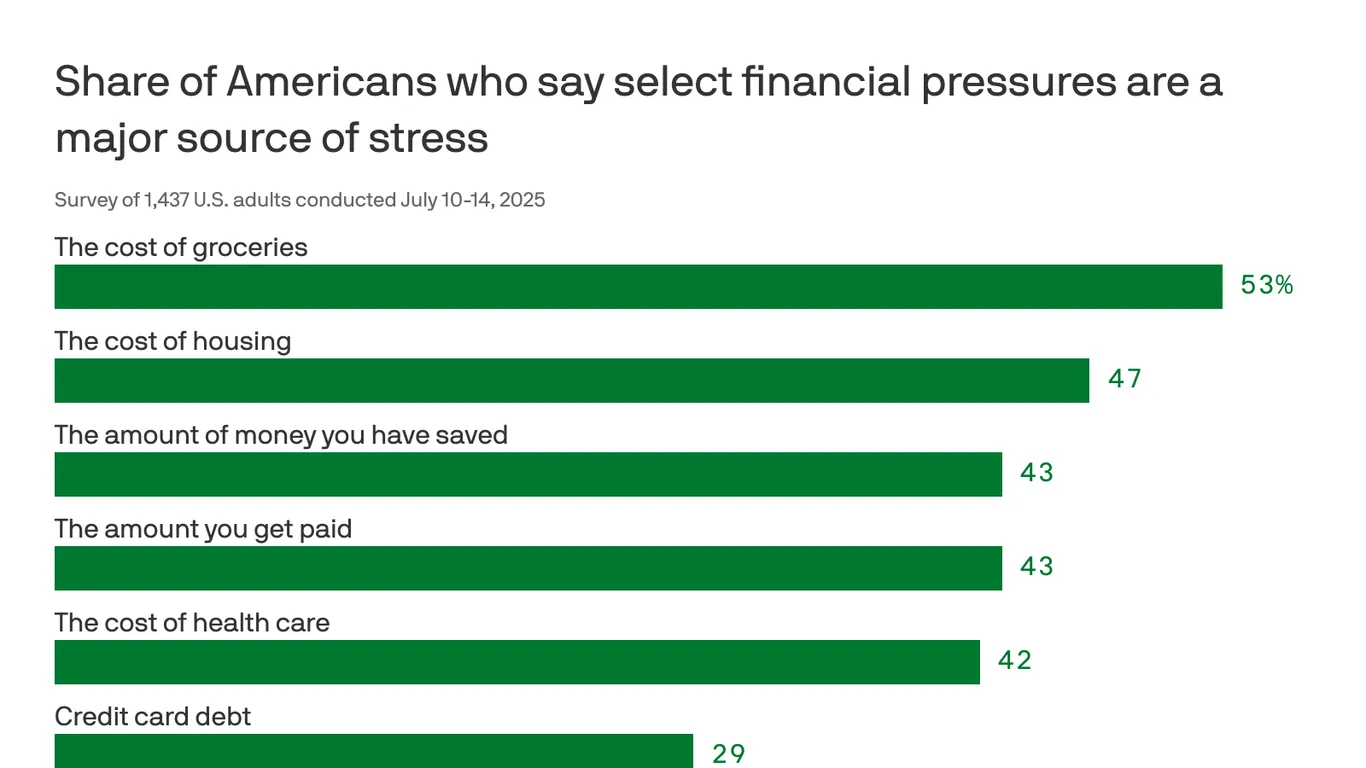
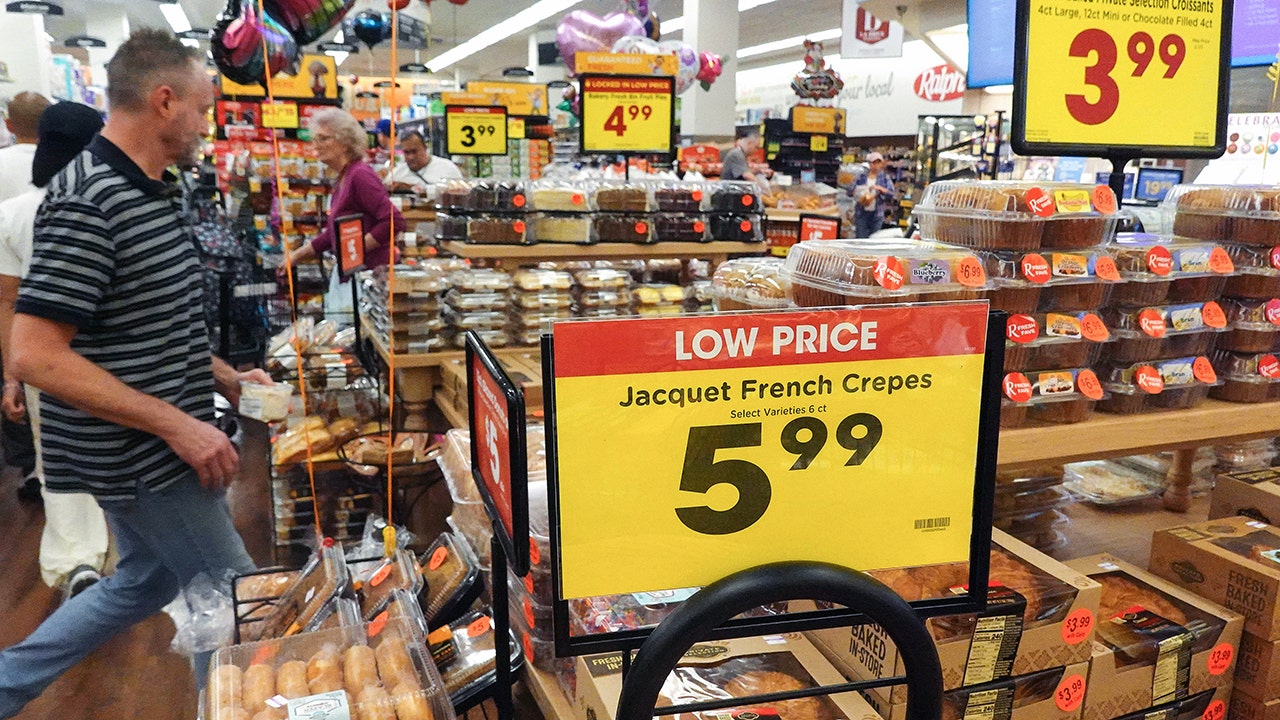
More than half of Americans are stressed about grocery costs, surpassing concerns about credit card debt or healthcare, with food prices rising due to supply chain issues, inflation, and climate change, despite political promises to lower prices.
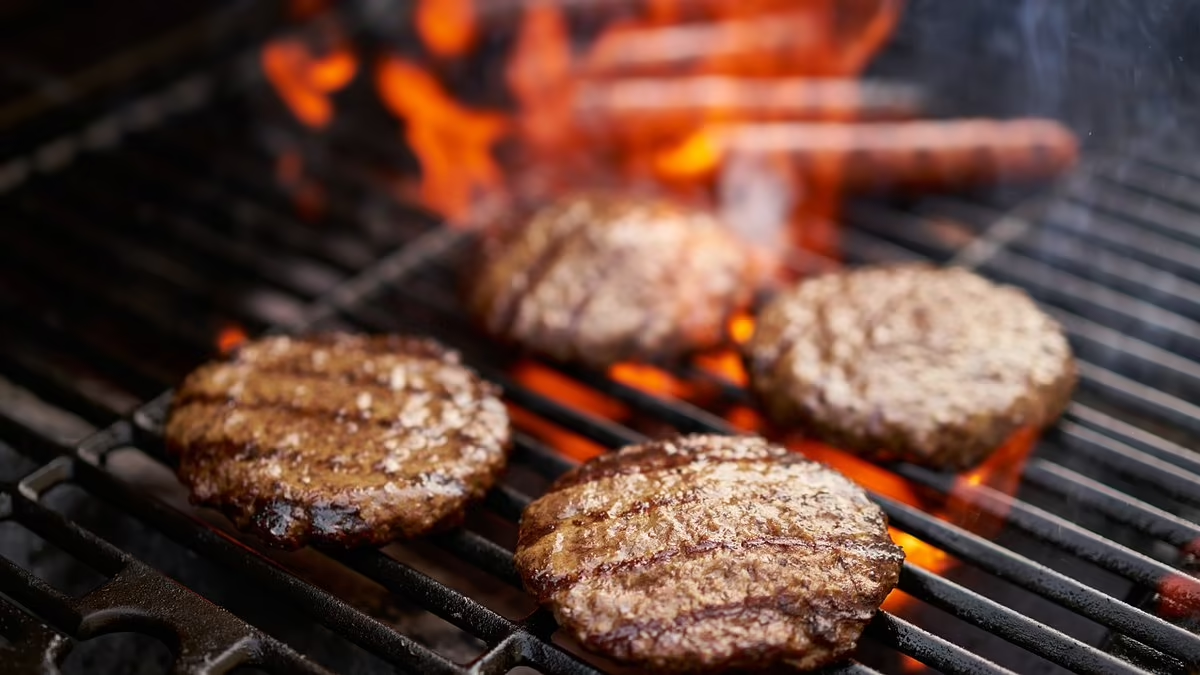
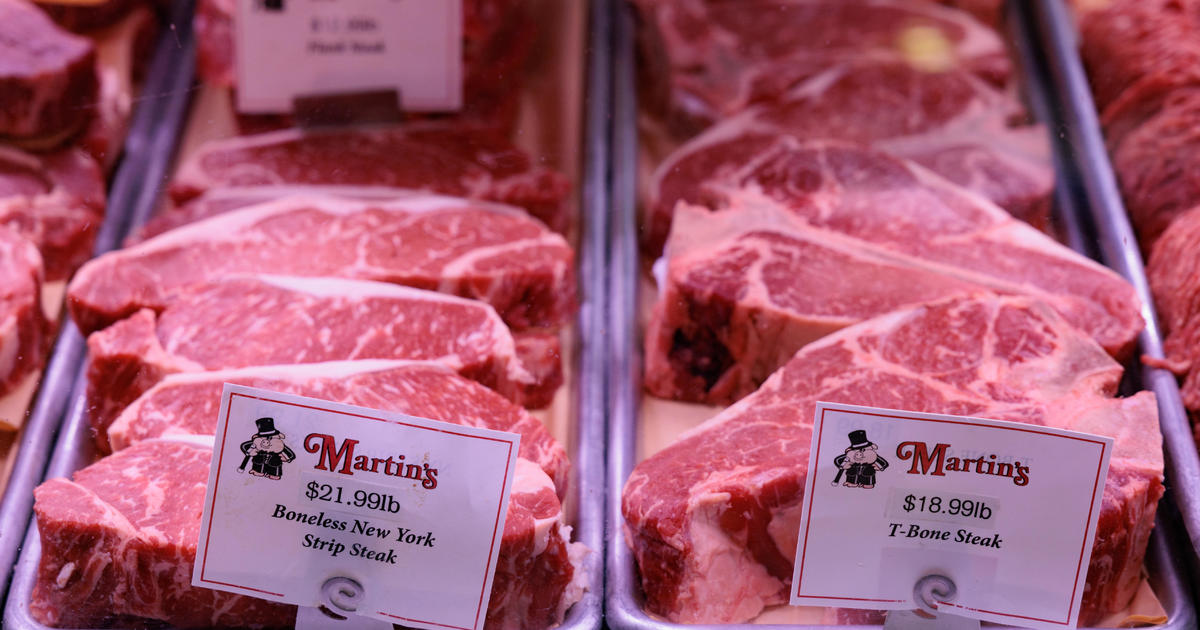
Memorial Day cookouts will cost Americans an average of 10 percent more this year due to inflation, with items like burgers, buns, and condiments seeing significant price increases. Despite the rising costs, millions are still expected to participate in holiday barbecues, with meat prices driving much of the overall hike.
McDonald's stock is down as CFO Ian Borden noted that lower-income consumers are opting to eat at home due to rising grocery costs, which have decelerated more than dining costs according to the latest Consumer Price Index (CPI) reading. This shift in consumer behavior reflects a trend of increased frugality and value-seeking amidst inflation, impacting fast food giants like McDonald's.
Despite falling inflation, grocery prices in the US have surged over 21% since the start of 2021, outpacing the overall 18% pace of inflation. Experts predict that relief for consumers is unlikely to arrive soon, with low-income Americans being disproportionately affected. Rising food prices are attributed to ongoing supply chain issues, a small cattle inventory, an Avian flu outbreak, a worldwide grain deficit, and increased wages for food service workers. Federal Reserve Chair Jerome Powell has indicated that high prices could persist unless there is a severe recession, with prices remaining substantially higher than before the pandemic.
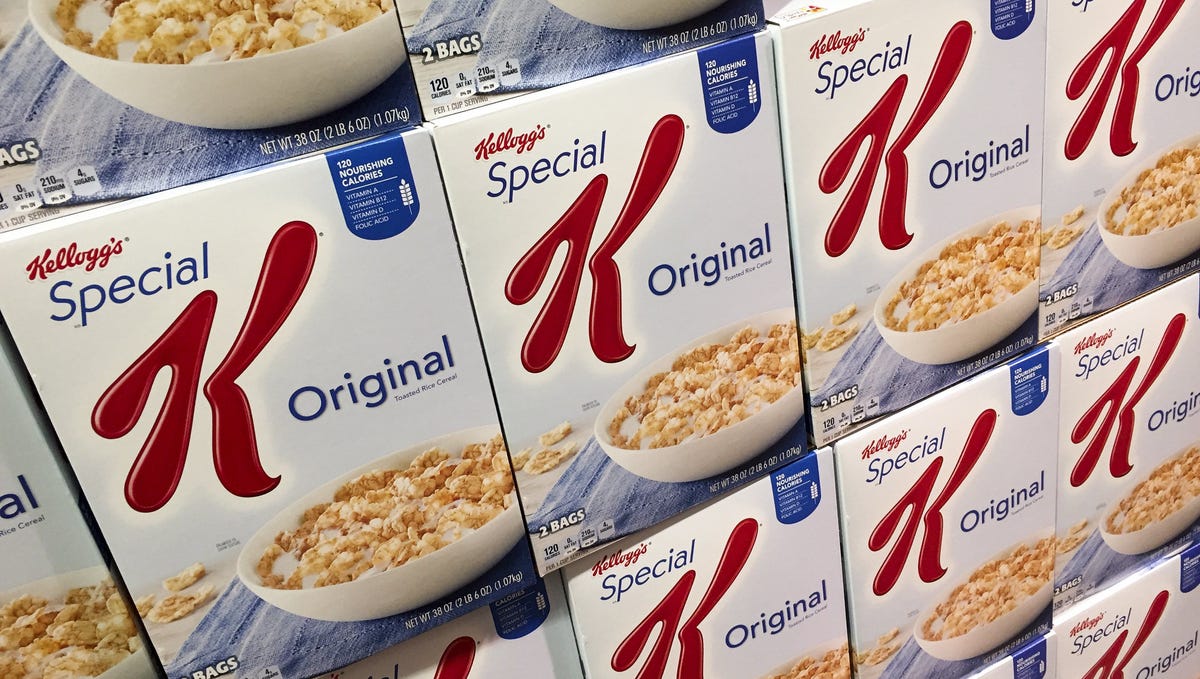
Kellogg's CEO, Gary Pilnick, faced backlash after promoting "cereal for dinner" as a cost-saving measure for struggling families amidst rising food prices, with some consumers criticizing the disconnect between his suggestion and the reality of expensive cereal prices. Pilnick's comments come as Americans are spending a significant portion of their income on groceries, and the internet's response to his remarks has been largely negative, highlighting the challenges of affording basic food items.
Despite overall inflation cooling, food prices continue to rise, with restaurant prices increasing at a faster pace than grocery costs. Factors contributing to the rise in food prices include higher labor costs, record-low cattle numbers driving up the cost of beef, and supply issues due to climate change. Fast-food prices have also surged, impacting low-income consumers disproportionately. While grocery prices are forecasted to moderate later this year, restaurant meals are expected to continue rising.