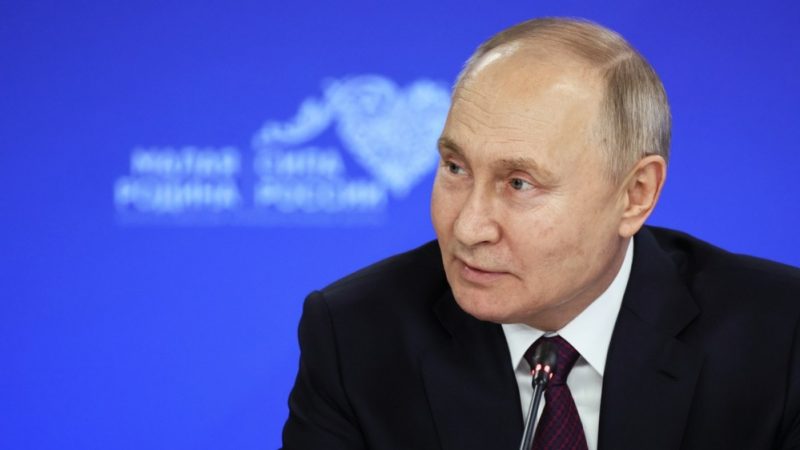
Russian President Vladimir Putin stated that Russia would not be forced to give up its gains in Ukraine, warning that Ukraine's statehood could suffer an "irreparable blow" if the war pattern continued. He dismissed peace formulas and prohibitive demands, emphasizing that Russia controls 17.5% of Ukrainian territory and any negotiation must consider the "new realities" created by its forces on the ground. Meanwhile, Ukrainian President Zelenskyy sought support for his peace plan at a global summit, but Russia was not invited, leading to differences in opinions and no increase in support for the proposals at the Davos meeting.
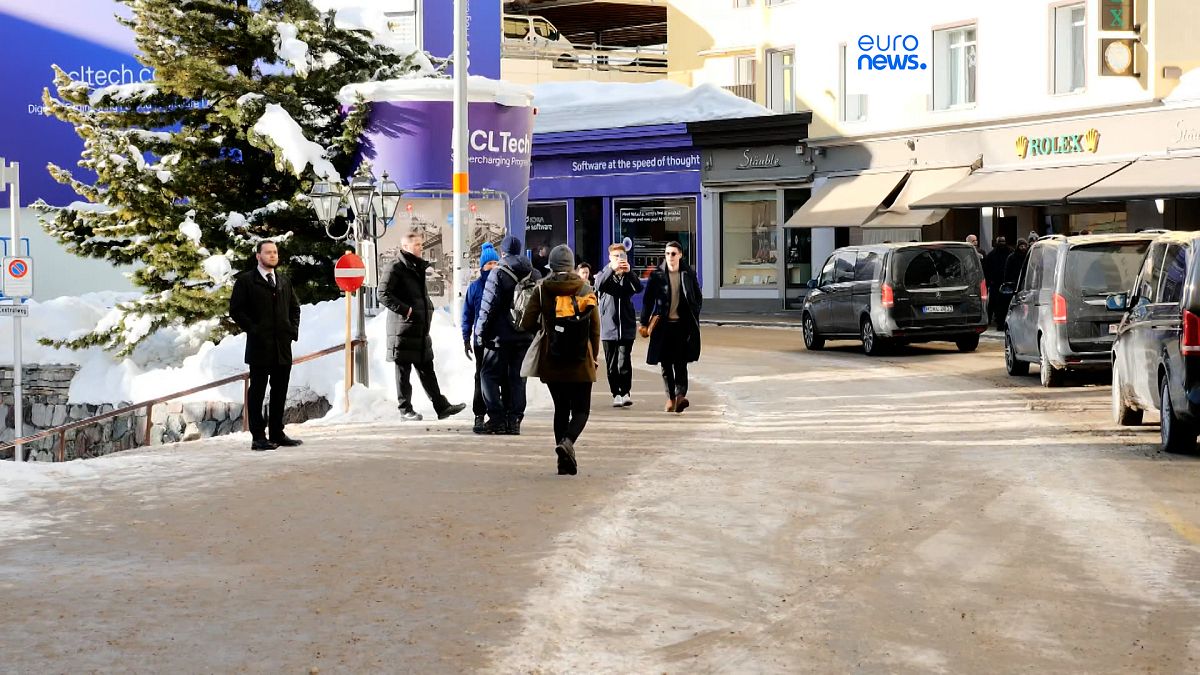
The 2024 World Economic Forum in Davos is focusing on geopolitics, the future of AI, and climate change under the motto 'rebuilding trust'. Over 60 heads of state and government, including US Secretary of State Antony Blinken and EU Commission President Ursula von der Leyen, will be in attendance for public appearances and closed-door talks, with a focus on addressing global challenges and fostering collaboration.
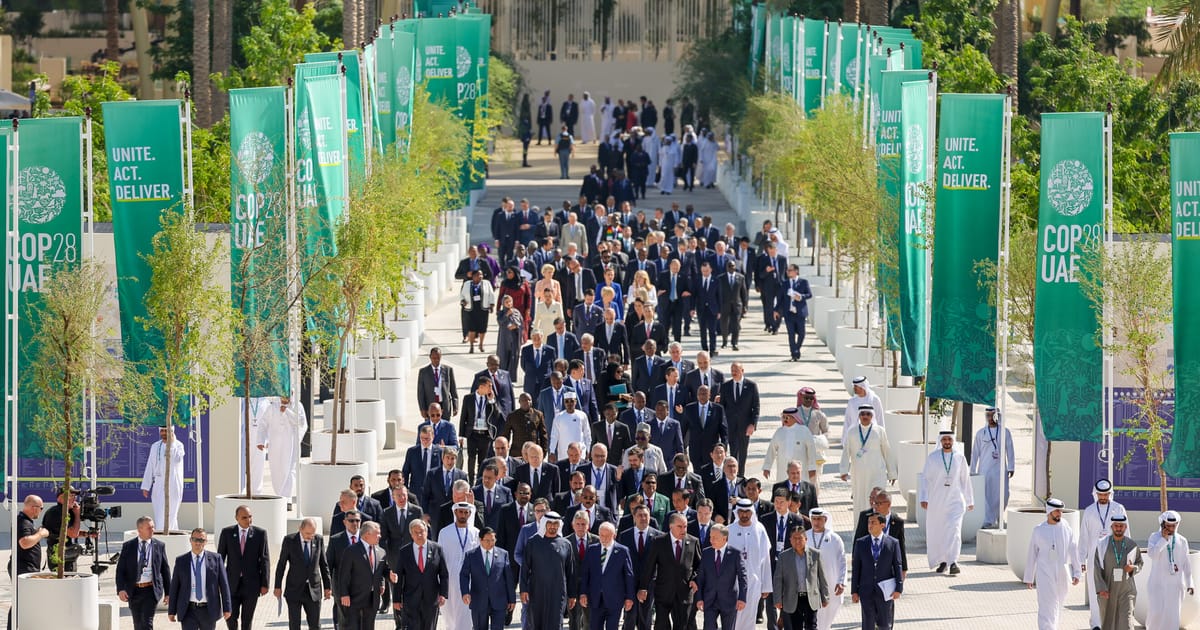
The war between Israel and Gaza overshadowed the United Nations climate summit, as leaders engaged in sideline diplomacy and the Iranian delegation boycotted the event due to the presence of Israel. The conflict disrupted the upbeat mood of the summit, with Israeli President Isaac Herzog skipping his scheduled speech and other leaders, including Saudi Arabian Crown Prince Mohammed bin Salman and Palestinian Authority leader Mahmoud Abbas, disappearing from the speakers' list. Despite the war's impact on the summit, leaders emphasized the interconnectedness of climate change and humanitarian crises, urging continued focus on both issues.
Vice President Kamala Harris announces a series of new U.S. initiatives to advance the safe and responsible use of artificial intelligence (AI), including the establishment of the United States AI Safety Institute, the release of draft policy guidance on U.S. government use of AI, the endorsement of a political declaration on responsible military use of AI, a new funders initiative to advance AI in the public interest, and efforts to detect and block AI-driven fraudulent phone calls. The Biden-Harris Administration aims to uphold democratic values and interests, ensure transparency, privacy, accountability, and consumer protections, and collaborate with international partners to establish rules and norms for AI.
The annual "Davos in the Desert" gathering in Saudi Arabia has avoided discussing the Israel-Hamas conflict, focusing instead on global economic and political issues. The event, which brings together global leaders and business executives, aims to promote dialogue and cooperation, but has steered clear of addressing the ongoing conflict in the Middle East.
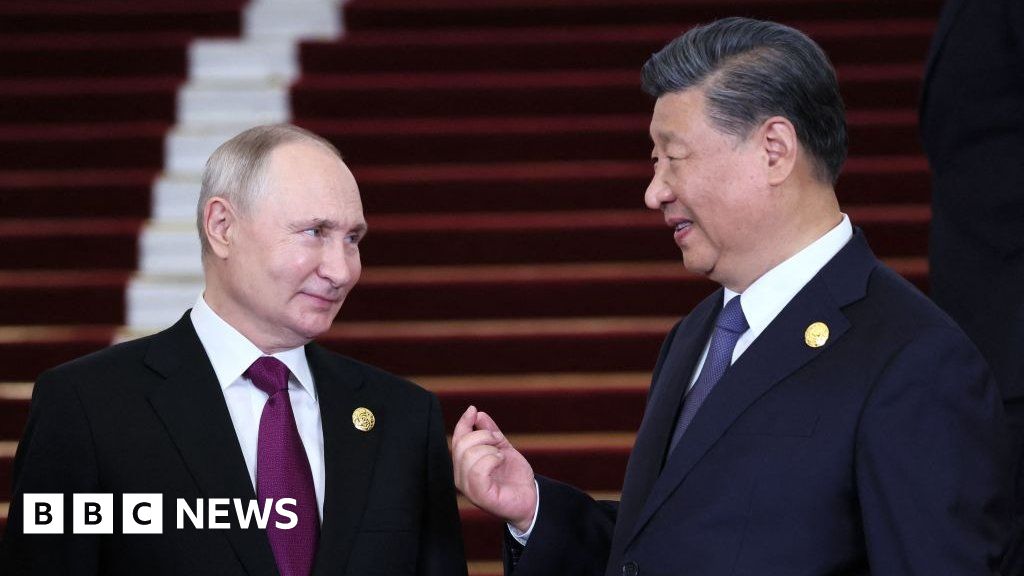
Russian President Vladimir Putin was honored at a global summit in Beijing hosted by Chinese President Xi Jinping, celebrating the 10th anniversary of the Belt and Road Initiative (BRI). Putin, who rarely leaves Russia due to diplomatic isolation and an ICC arrest warrant over alleged war crimes in Ukraine, was the guest of honor among leaders from over 130 countries. The summit highlighted the close relationship between Putin and Xi, with Putin pledging support for the BRI and praising China's achievements. The event raised concerns about China and Russia forming a bloc to rival the West, as both countries denounce US-led global hegemony and advocate for a multipolar world.
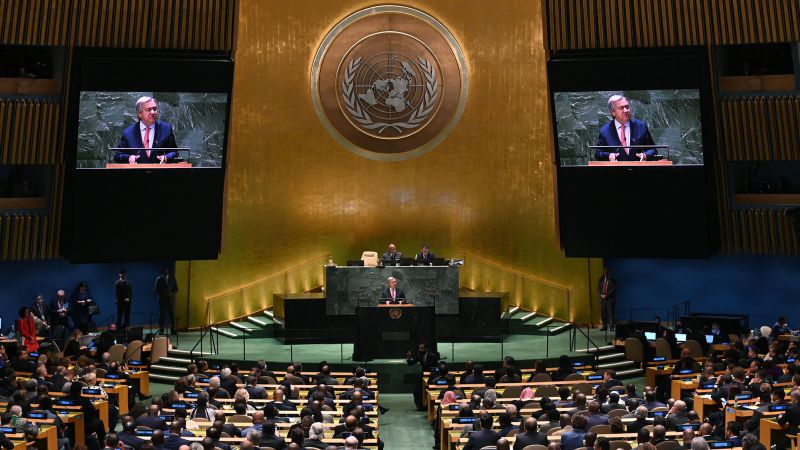
UN Secretary General António Guterres warned world leaders at the Climate Ambition Summit that "humanity has opened the gates to hell" due to the devastating effects of the climate crisis. The one-day conference aimed to build momentum towards reducing planet-heating pollution ahead of the UN's COP28 climate summit in December. Guterres called on developed countries to reach net-zero emissions by 2040, ten years earlier than current commitments, and urged countries to phase out fossil fuel emissions and increase finance for clean energy and climate resilience measures. Notably absent from the speaker list were major polluters China, India, and the United States.
President Vladimir Putin will participate in his first multilateral summit since the Wagner insurrection, joining leaders from China and India at the Shanghai Cooperation Organization (SCO) summit. The SCO, founded by Russia and China, focuses on security and economic cooperation, fighting terrorism and drug trafficking, and addressing climate change and the situation in Afghanistan. The summit provides an opportunity for Putin to project strength and credibility, while also showcasing Russia's continued support from SCO member countries. India, as the host, aims to balance its ties with the West and the East, emphasizing the need to combat cross-border terrorism and respect territorial integrity. China's growing dominance in the SCO poses challenges for Western capitals.
President Bola Tinubu has suspended his return to Nigeria and has instead traveled to London for a short private visit after concluding his official visit to Paris, France, where he participated in a summit for ‘A New Global Financing Pact’ hosted by French President Emmanuel Macron. Tinubu held high-profile sideline meetings with fellow heads of state and government, global business leaders, and chief executives of leading multilateral and development finance institutions from around the world.
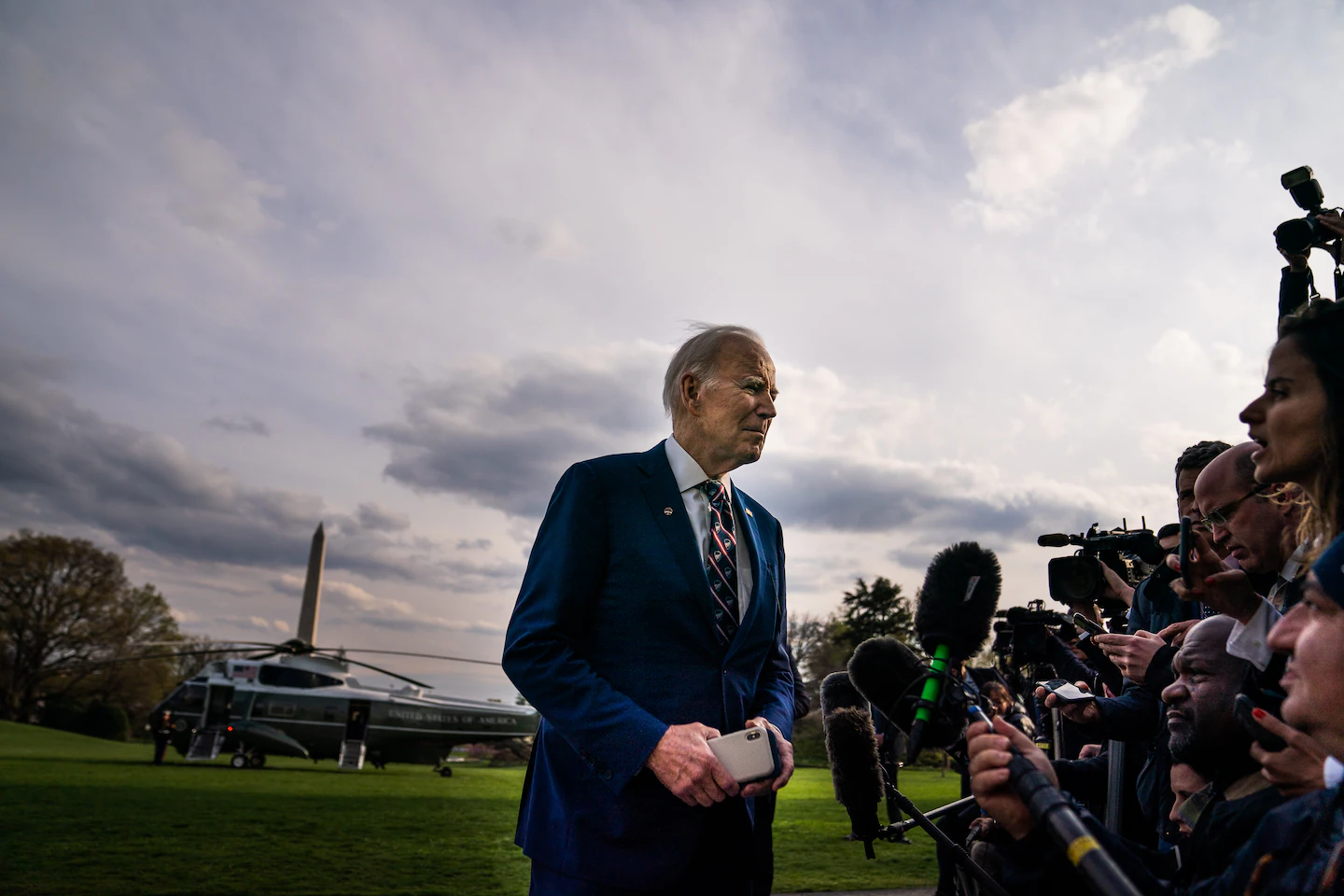
President Biden will address a global Summit for Democracy today and call for up to $690 million in new funding for his initiative for democratic renewal, which aims to support democracy and fight corruption worldwide. The United States did not invite Turkey or Hungary, but Israeli Prime Minister Benjamin Netanyahu is expected to participate. Meanwhile, a grand jury examining whether former president Donald Trump should be charged with violations of state law for hush-money payments made to an adult-film actress in 2016 is not expected to meet again on the investigation this week.