India's Maritime Strategy and the New Blue Economy in the Indian Ocean
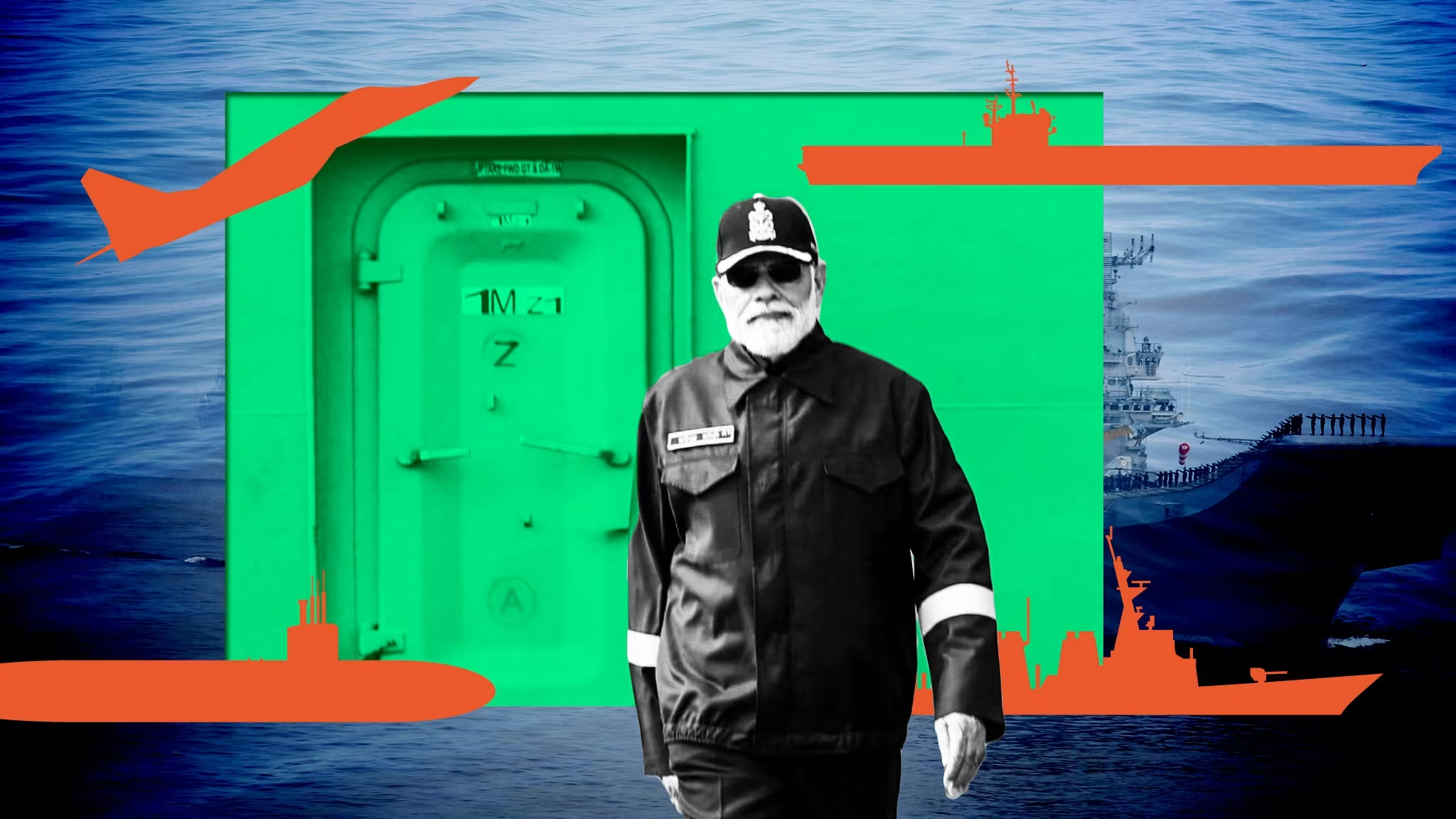
India is making efforts to enhance its naval capabilities to compete with China, aiming to strengthen its regional security and counterbalance China's growing maritime influence.

All articles tagged with #india china relations
India is making efforts to enhance its naval capabilities to compete with China, aiming to strengthen its regional security and counterbalance China's growing maritime influence.
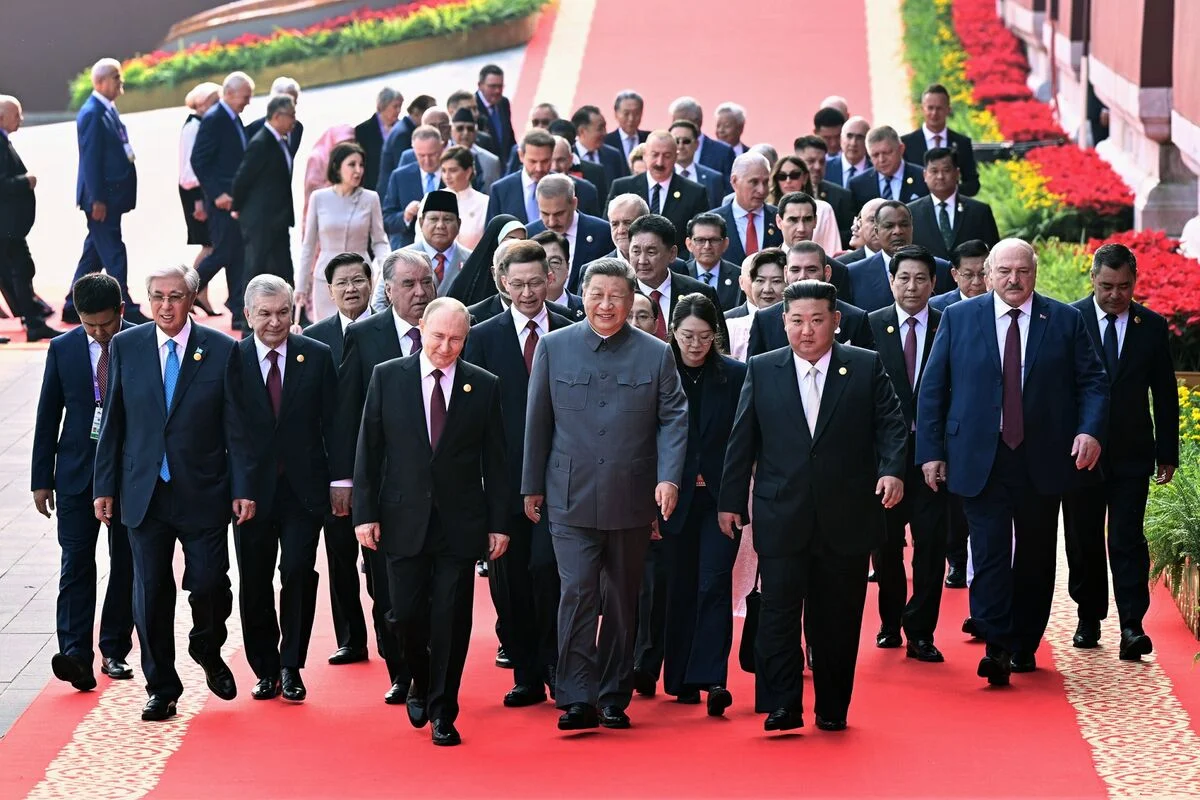
Chinese President Xi Jinping showcased a new alliance with Russia's Putin and India's Modi, signaling a potential shift in global power dynamics away from US influence, with a focus on energy cooperation, strategic partnerships, and regional stability.
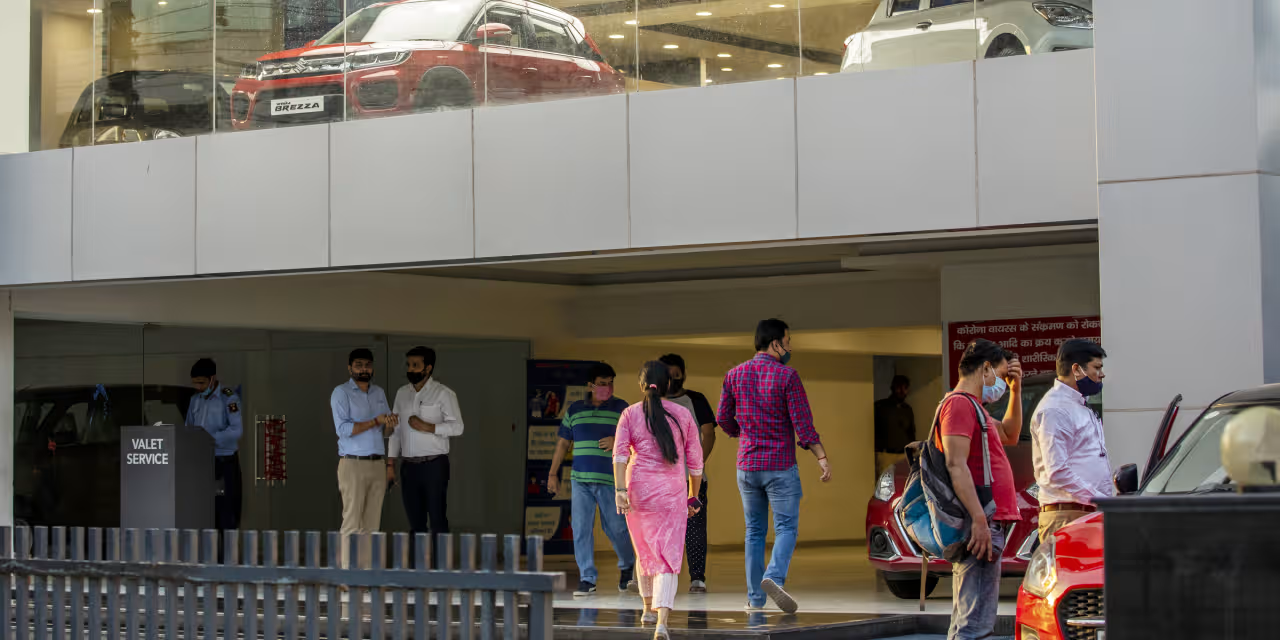
India is recalibrating its economic and foreign policy in response to rising U.S. tariffs, implementing significant tax reforms to boost domestic demand and seeking to repair its strained relationship with China, while also diversifying its international partnerships to enhance long-term growth prospects.
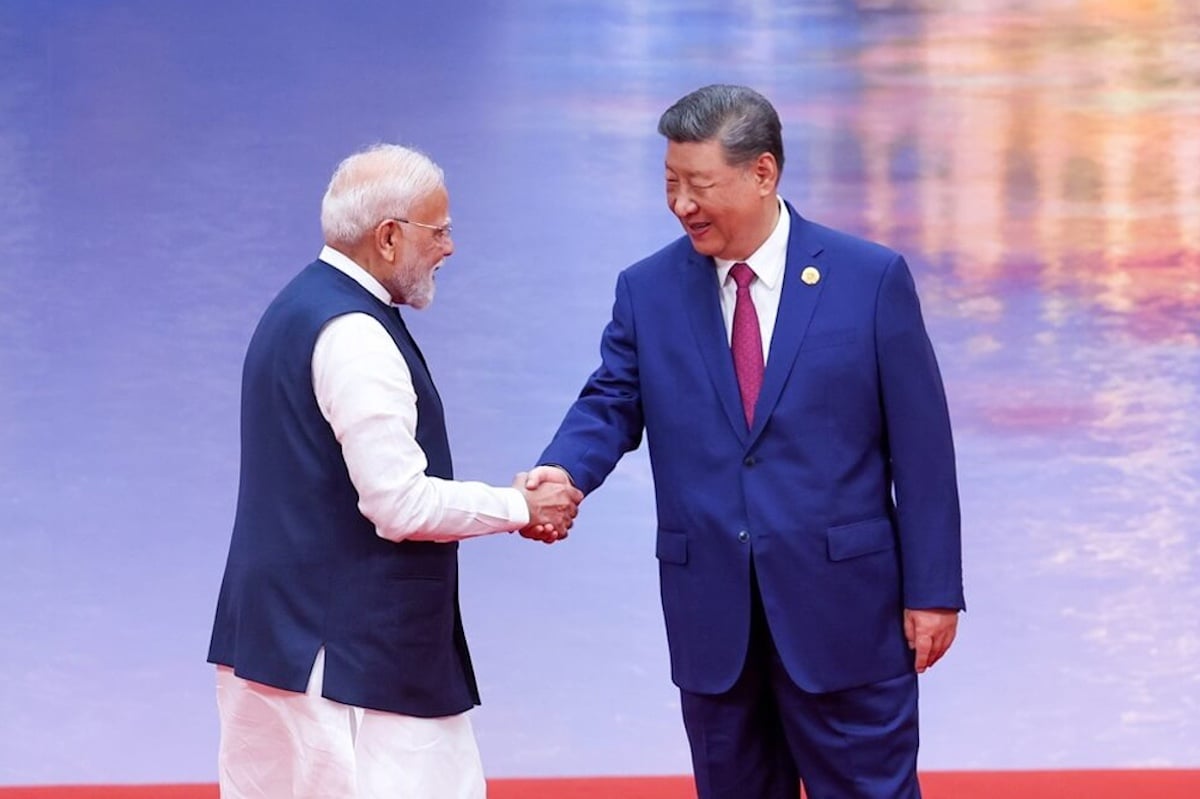
Indian Prime Minister Narendra Modi's visit to China for the SCO summit marks a significant shift towards a more active and balanced foreign policy, moving beyond border disputes to focus on trade, investment, and global multipolarity, signaling a new era of engagement between the two nations.
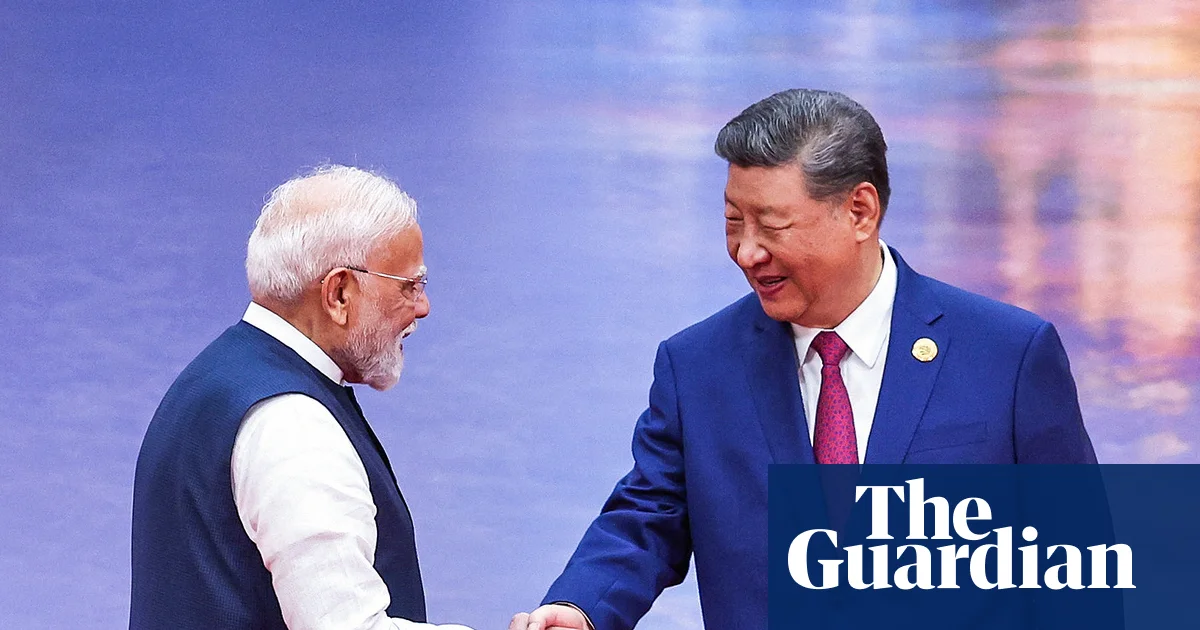
Indian Prime Minister Narendra Modi's recent meeting with Chinese President Xi Jinping, marked by warmth and a push for better relations, signals a strategic shift influenced by recent US tariffs and geopolitical tensions, aiming to stabilize India-China ties despite ongoing border and trust issues.
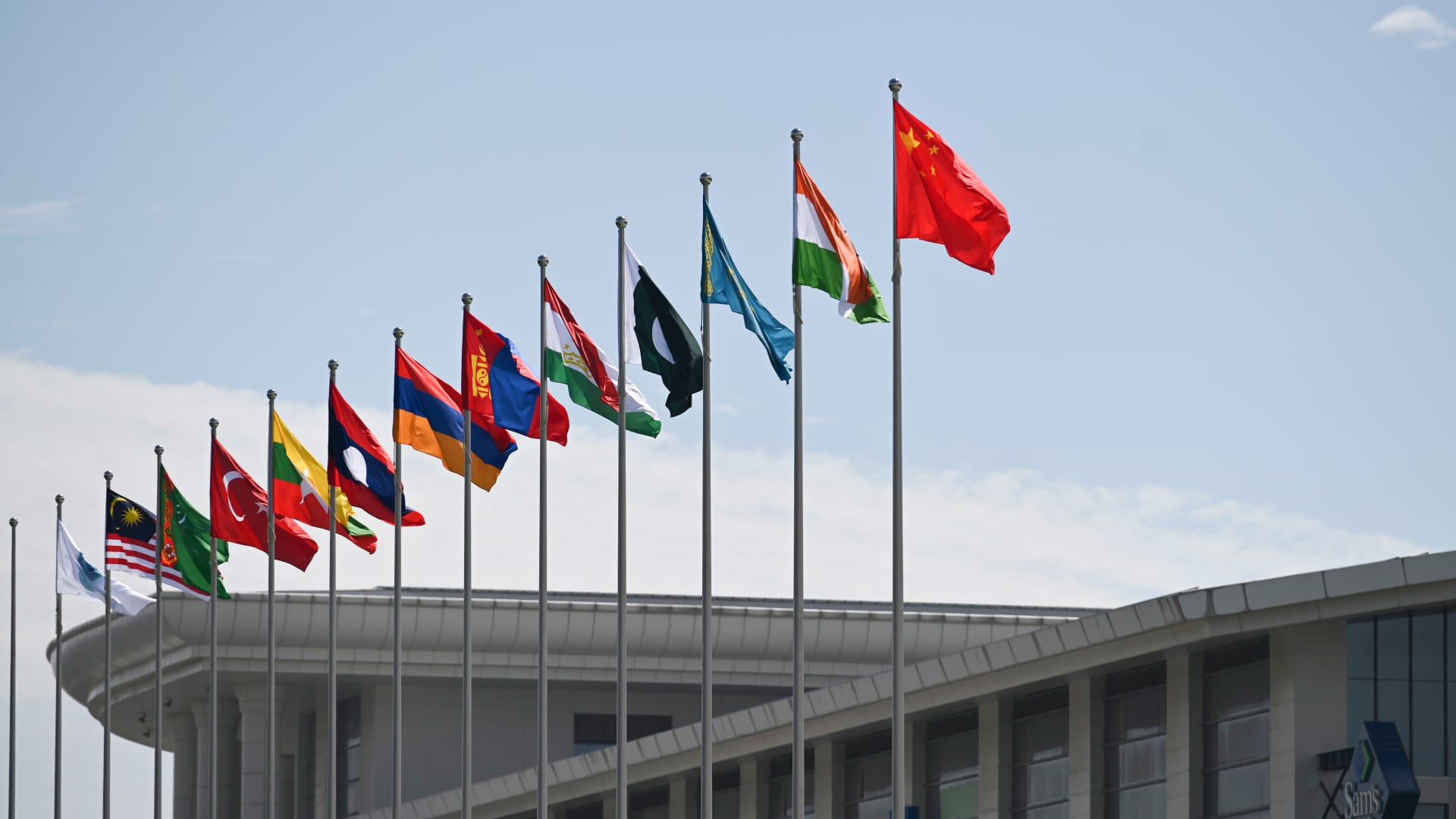
The 2025 SCO summit in Tianjin highlighted China's efforts to reshape global security and economic order, featuring improved India-China relations, a focus on AI collaboration, and the creation of a new development bank, signaling a challenge to U.S. influence amid geopolitical tensions.
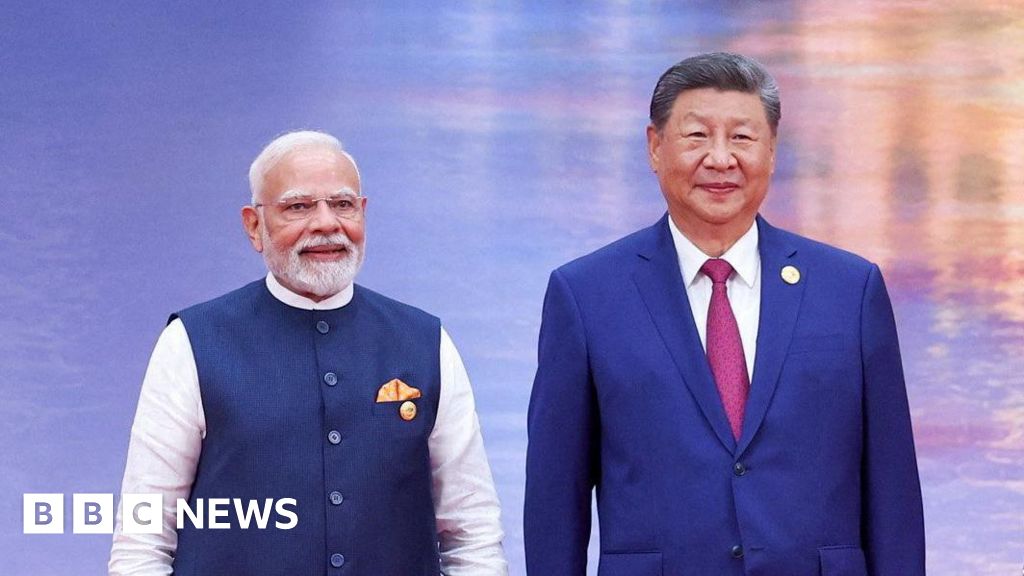
India and China are making efforts to improve their strained relationship, highlighted by Modi's recent meeting with Xi Jinping in Tianjin, which included promises to work through border issues and restart direct flights, amidst ongoing tensions from border disputes, trade deficits, and geopolitical challenges involving the US and other nations.
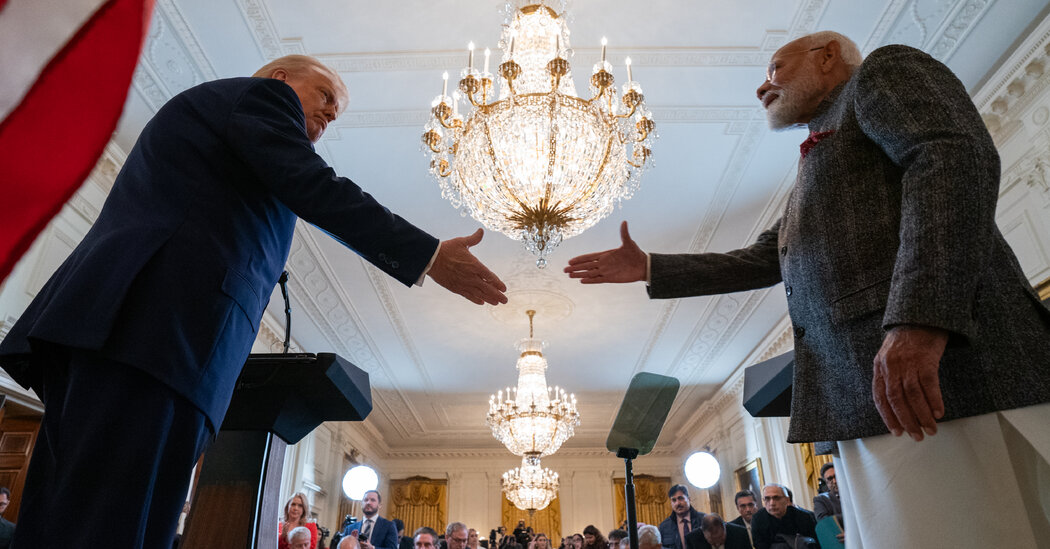
The article details the deterioration of the relationship between US President Trump and Indian Prime Minister Modi, driven by Trump's claims of resolving India-Pakistan conflicts, disagreements over diplomatic and trade issues, and the impact of tariffs, leading to a significant diplomatic rift and Modi shifting focus towards strengthening ties with China and Russia.
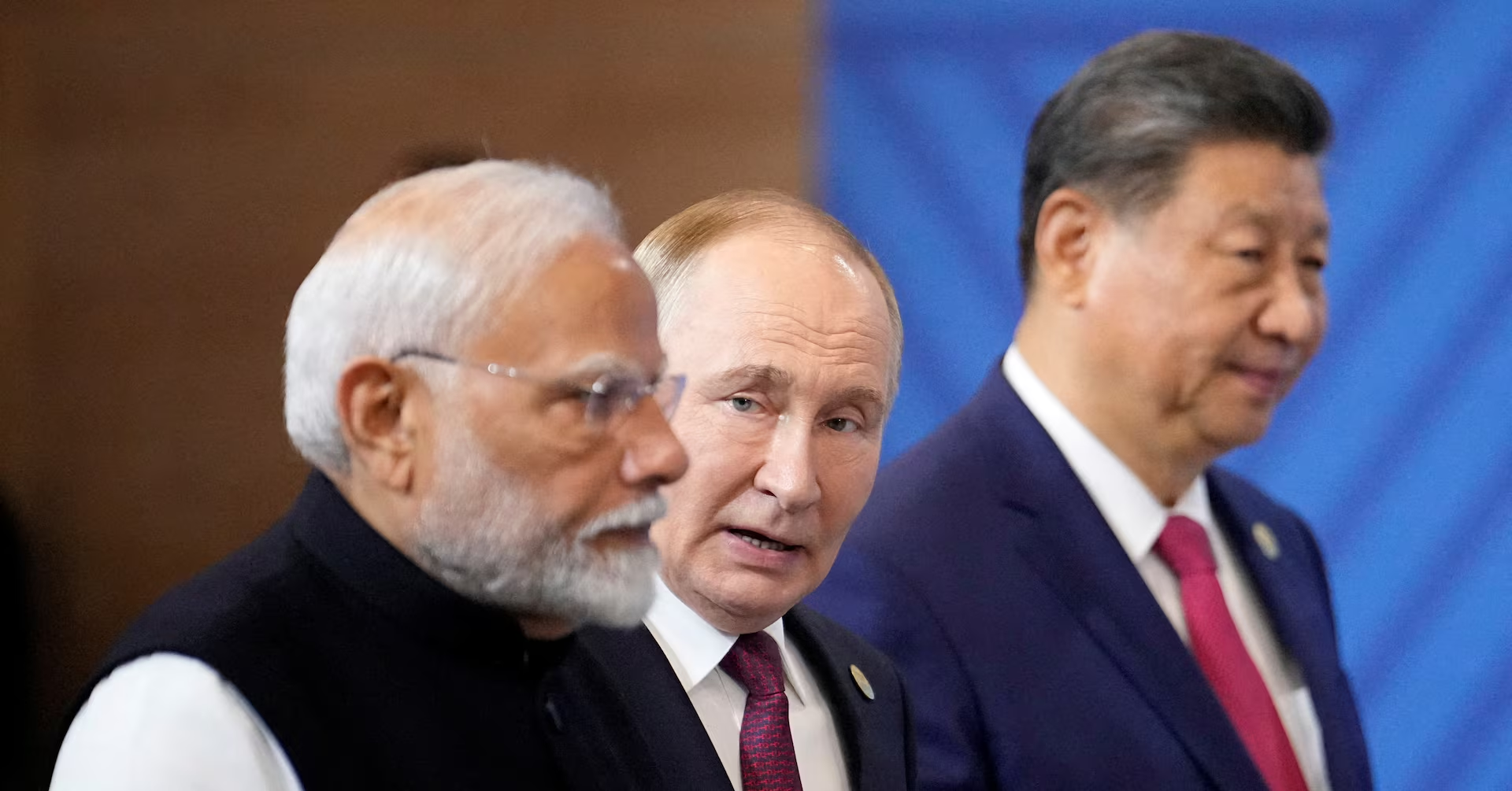
China's Xi Jinping is hosting a major regional security forum in Tianjin to showcase Global South solidarity, inviting over 20 leaders including Putin and Modi, amidst geopolitical flux and efforts to counter Western influence. The summit emphasizes optics over substantive cooperation, with key bilateral meetings expected between India and China, and Putin staying on for a military parade in Beijing.
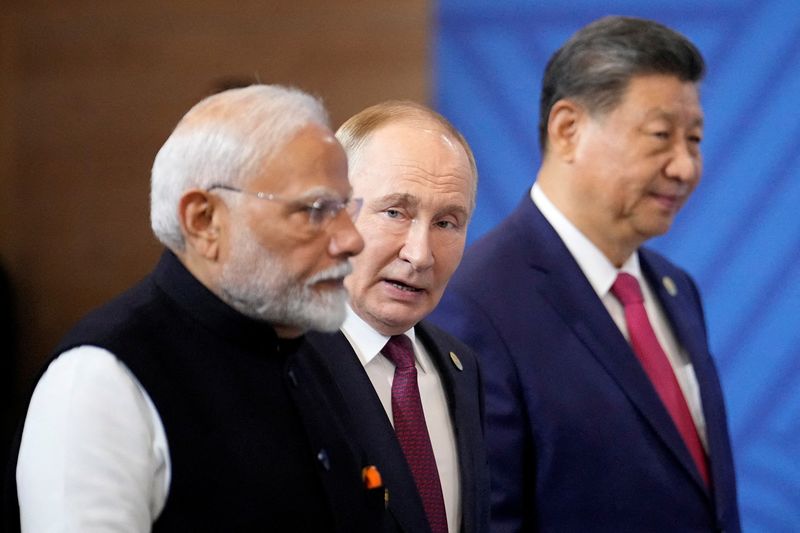
Chinese President Xi Jinping is hosting a major SCO summit in Tianjin with over 20 world leaders, including Putin and Modi, to showcase Global South solidarity and counter Western influence, amid efforts to improve India-China relations and expand the bloc's influence, despite limited cooperation outcomes.
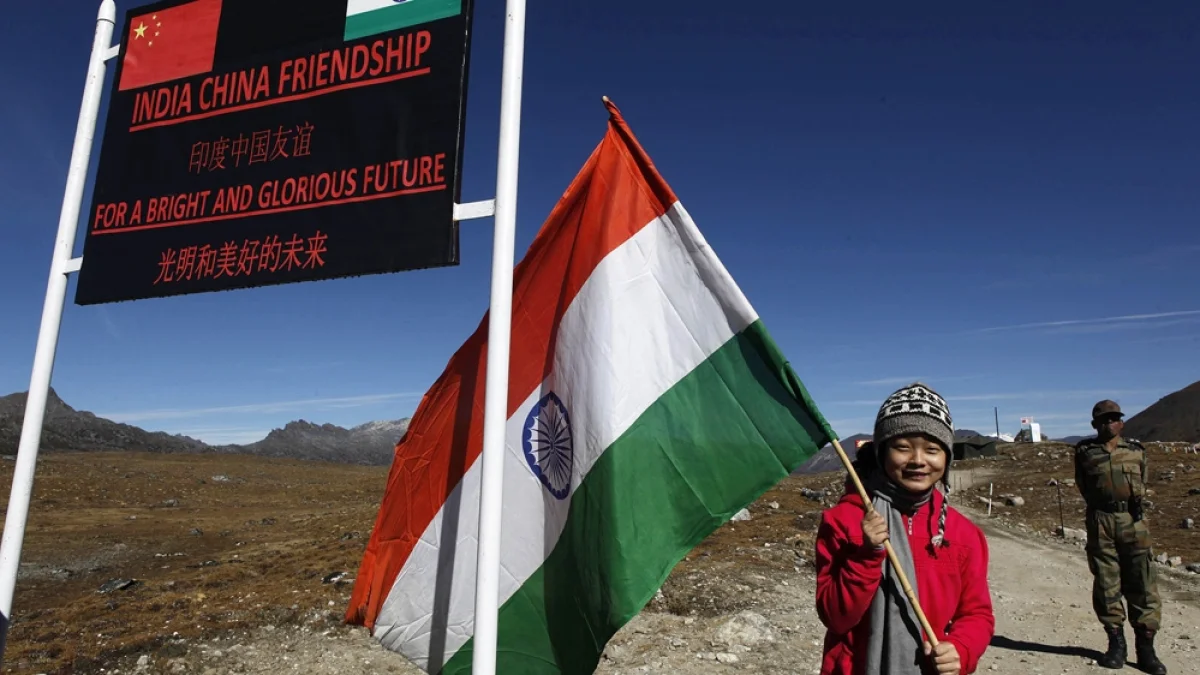
The article discusses the recent thaw in India-China relations amid shifting geopolitical dynamics, including India's efforts to balance its ties with China and the US, and the impact of US tariffs and policies under Trump. It highlights how improved India-China relations could influence regional trade, strategic alliances like the Quad, and US influence in Asia, while also noting ongoing challenges and the complex interplay of strategic autonomy and regional power plays.
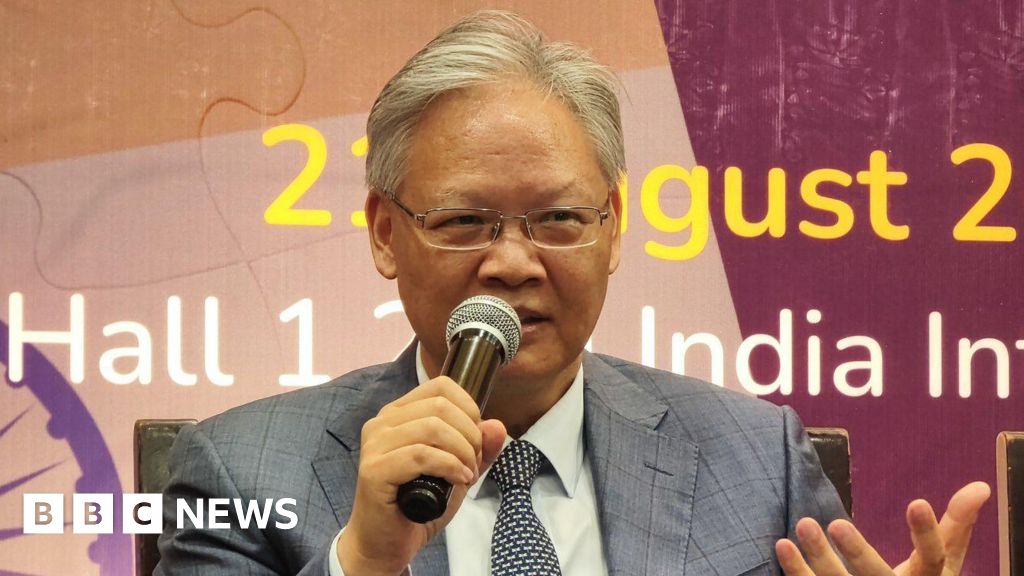
Chinese ambassador to India Xu Feihong criticized US tariffs on India, calling the US a 'bully' and urging greater cooperation between India and China, as both nations work towards normalizing their relations amidst global trade tensions and recent diplomatic efforts.
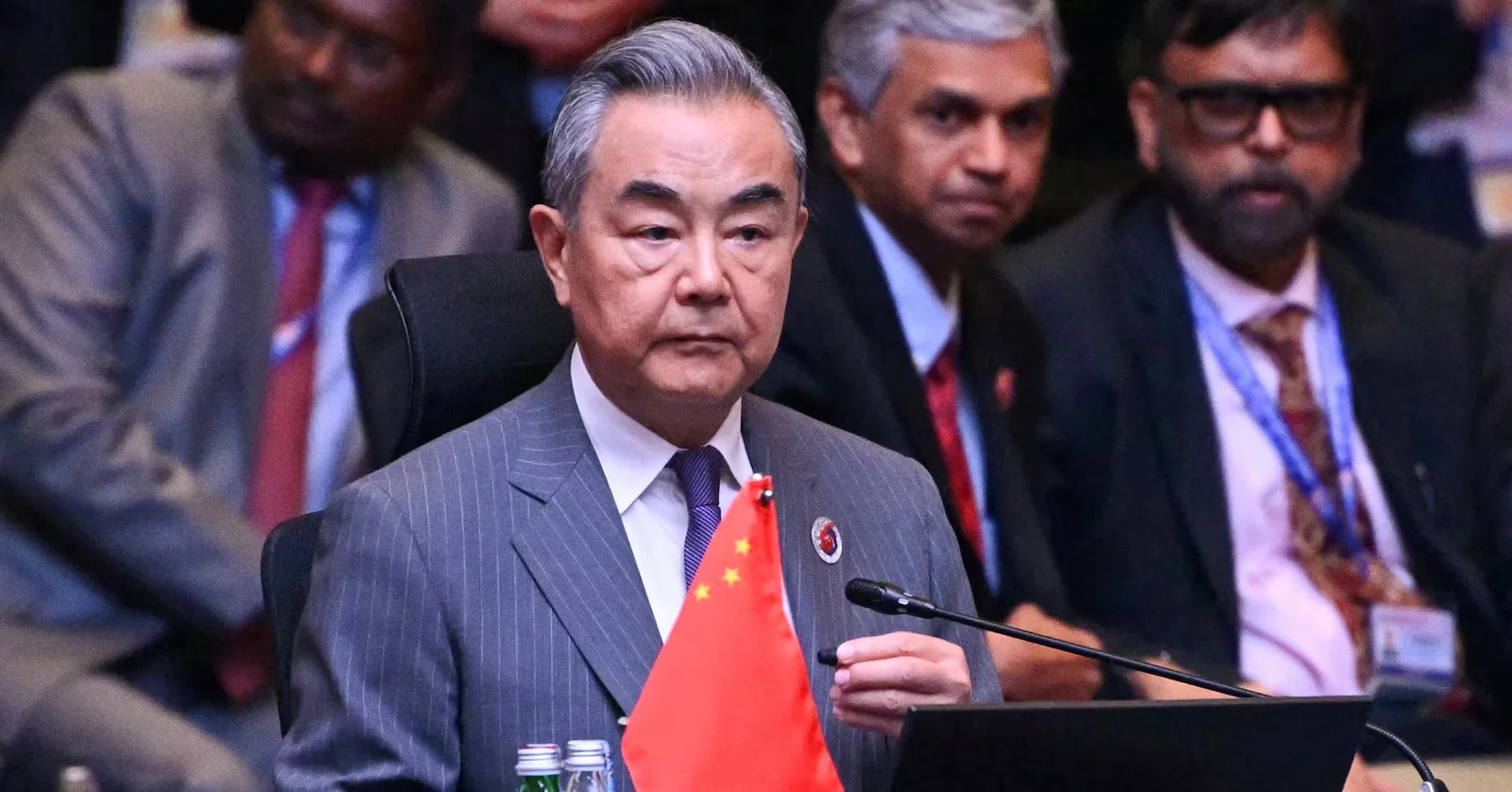
India and China have agreed to resume direct flights and enhance trade and investment ties as they work to rebuild their strained relationship following border disputes, with high-level talks focusing on troop pullback, border delimitation, and mutual trust, although no major breakthroughs were achieved on border issues.
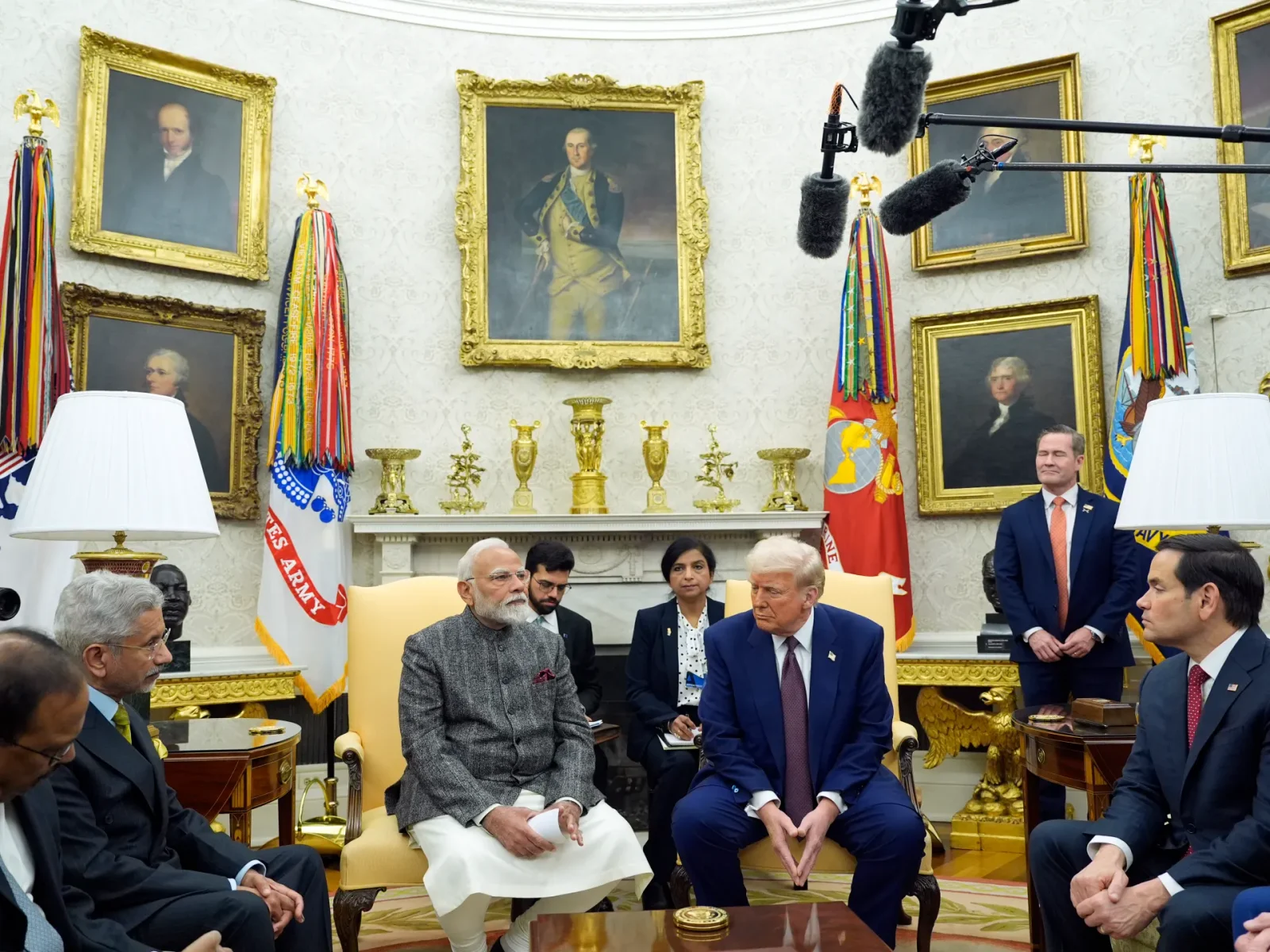
The article discusses the deterioration of India-US relations during Trump's presidency, highlighting tariffs and strategic disagreements, and explores how this shift impacts the US's broader pivot to Asia, with India balancing its relationships with Russia and China amid changing geopolitical dynamics.
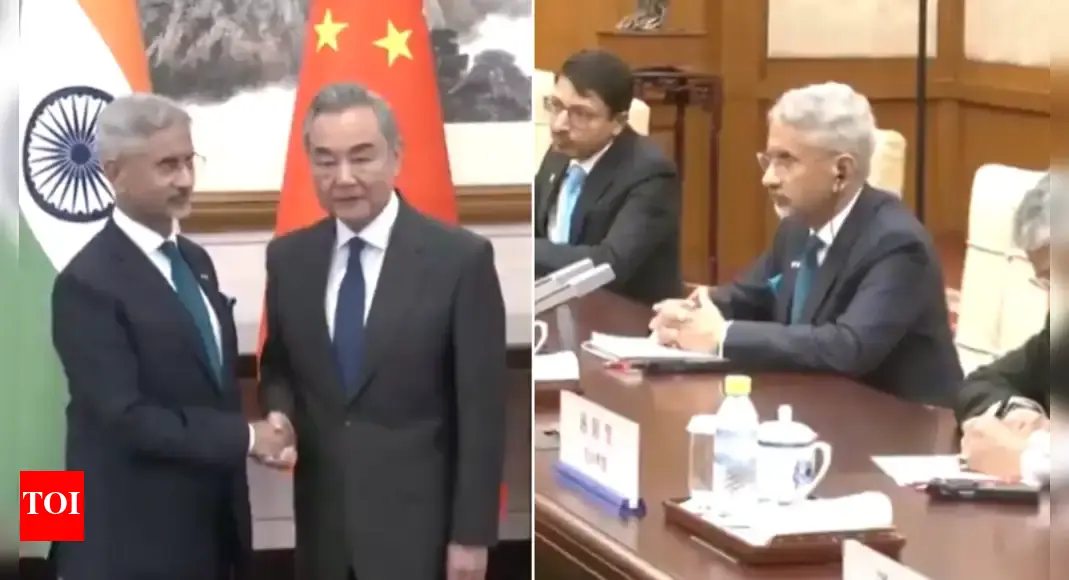
India's External Affairs Minister S Jaishankar announced that bilateral relations with China have improved over the past nine months, highlighting progress in border friction resolution and emphasizing the need for de-escalation and normalizing people-to-people exchanges, as they mark 75 years of diplomatic ties amidst ongoing border issues.