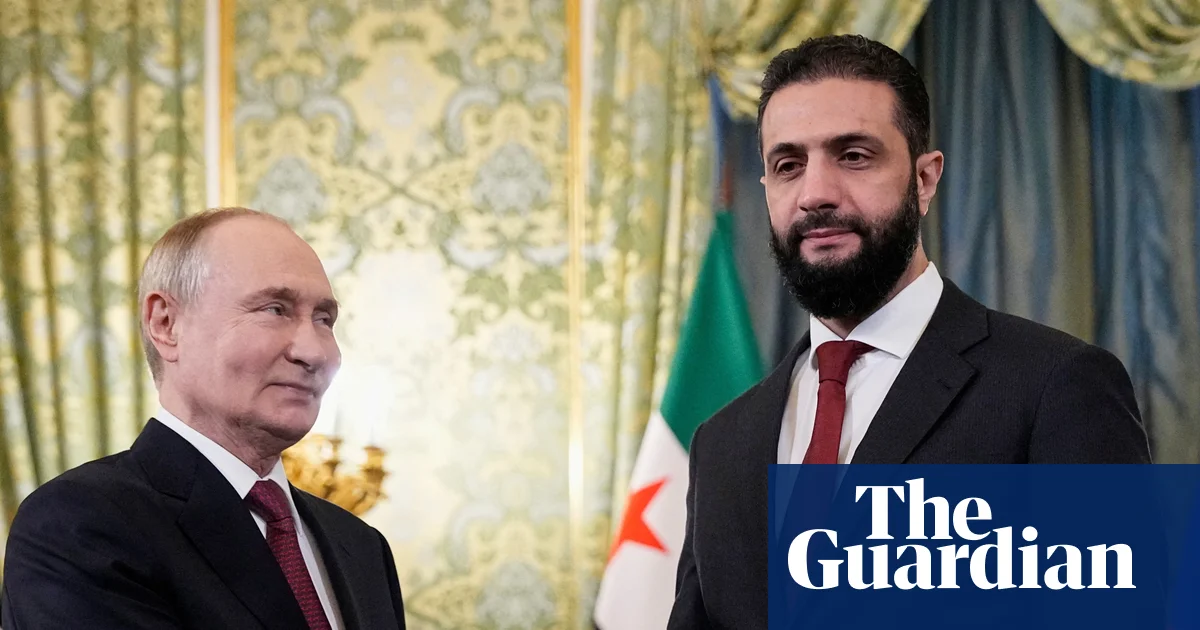
Syrian President Ahmed al-Sharaa visited Moscow for the first time since Bashar al-Assad's fall, signaling Russia's continued influence and strategic interests in Syria, including military bases and diplomatic relations, despite recent upheavals and Assad's exile.
The US has acknowledged direct contact with Hayat Tahrir al-Sham (HTS), an Islamist group that recently led an offensive to overthrow Syrian President Bashar al-Assad, despite HTS being designated a terrorist organization. US Secretary of State Antony Blinken stated that the US and its allies have agreed on principles for a Syrian-led political transition. The fall of Assad, who fled to Russia, has created both jubilation and uncertainty in Syria. The US, which has troops in Syria, is focusing on immediate humanitarian needs amid the country's economic collapse and diverse sectarian landscape.
Bashar al-Assad fled Syria for Moscow as his regime collapsed, deceiving aides and officials about his plans. Despite assurances of Russian military support, Assad secretly left Damascus, leaving his supporters to face the advancing rebels alone. His departure marked the end of his 24-year rule and the Assad family's half-century grip on power, as the 13-year civil war abruptly concluded. Russia and Iran declined military intervention, and Assad's attempts to seek refuge in the UAE were rebuffed, leading to a coordinated effort by Russia, Turkey, and Qatar to ensure his safe exit.
Human remains have been uncovered in the Tadamon district of Damascus, Syria, revealing evidence of mass killings under the rule of Bashar al-Assad. The area became notorious after a 2022 video showed military personnel executing blindfolded men. Residents and rights groups describe years of atrocities, with bones found scattered across the district. Following Assad's ouster, there are calls for the site to be secured and investigated to hold those responsible accountable. The mass grave's potential tampering by Assad's forces raises concerns about preserving evidence.
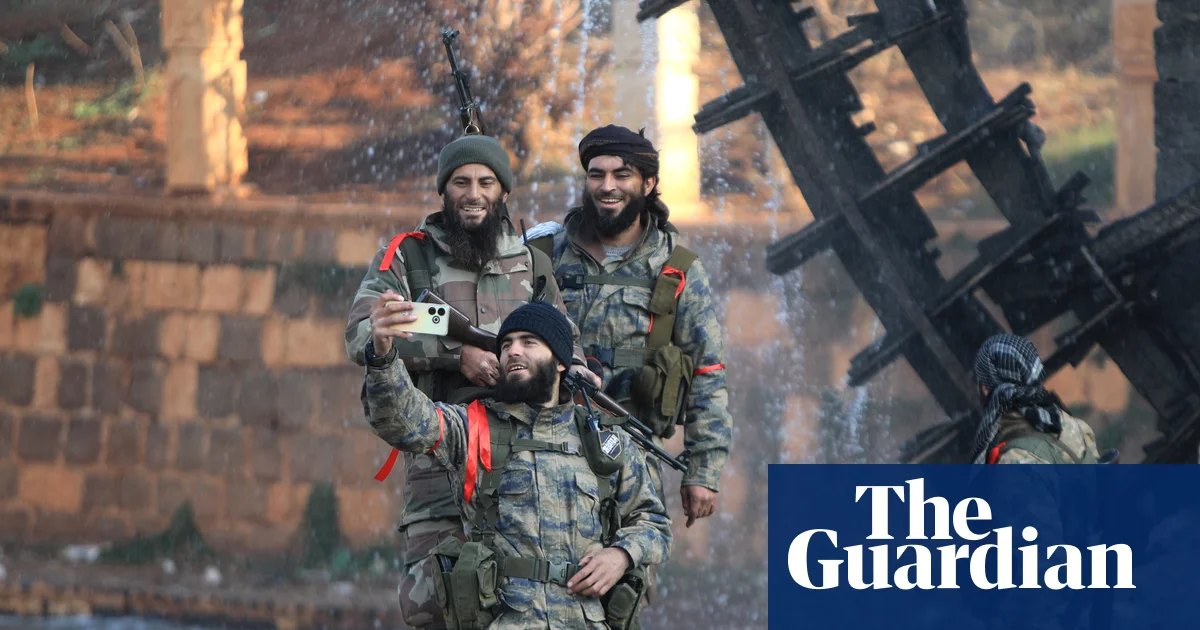
Bashar al-Assad's regime in Syria has collapsed after a significant rebel offensive led by Hayat Tahrir al-Sham (HTS) captured key cities, including Aleppo, Hama, and Homs, leading to the fall of Damascus. Assad fled the country, leaving the army leaderless and prompting mass defections. The victory marks the end of a 13-year conflict that claimed at least 350,000 lives. As Syrians celebrate newfound freedom, they face the challenge of addressing Assad's brutal legacy, including the fate of thousands of missing detainees.
Russia is reportedly dismantling military equipment at its Hmeimim airfield in Syria and loading it onto cargo planes, following the ouster of Bashar al-Assad. Satellite images captured by Maxar show two An-124 cargo planes being loaded with equipment, raising questions about the future of Russian military bases in Syria.
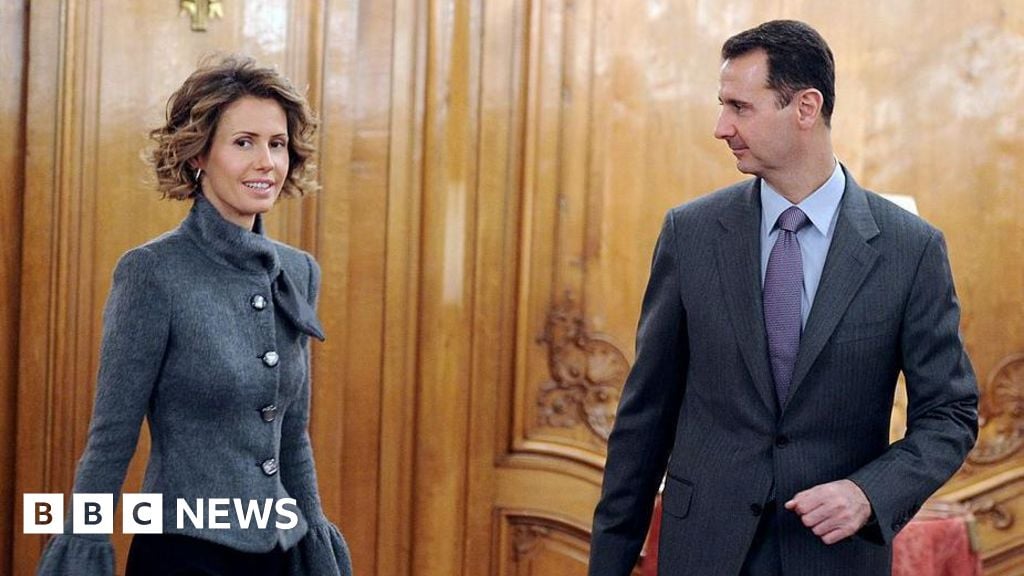
Following the overthrow of Bashar al-Assad's regime in Syria, the former president and his family have sought asylum in Russia, a long-time ally. With the Islamist militant group Hayat Tahrir-al Sham forming a transitional government, Assad's future remains uncertain amid calls for accountability for alleged war crimes. Assad's wife, Asma, holds a British passport but remains in Russia, where the family has significant financial ties. International efforts may seek to prosecute Assad for human rights violations, though Russia's stance on extradition complicates potential legal actions.
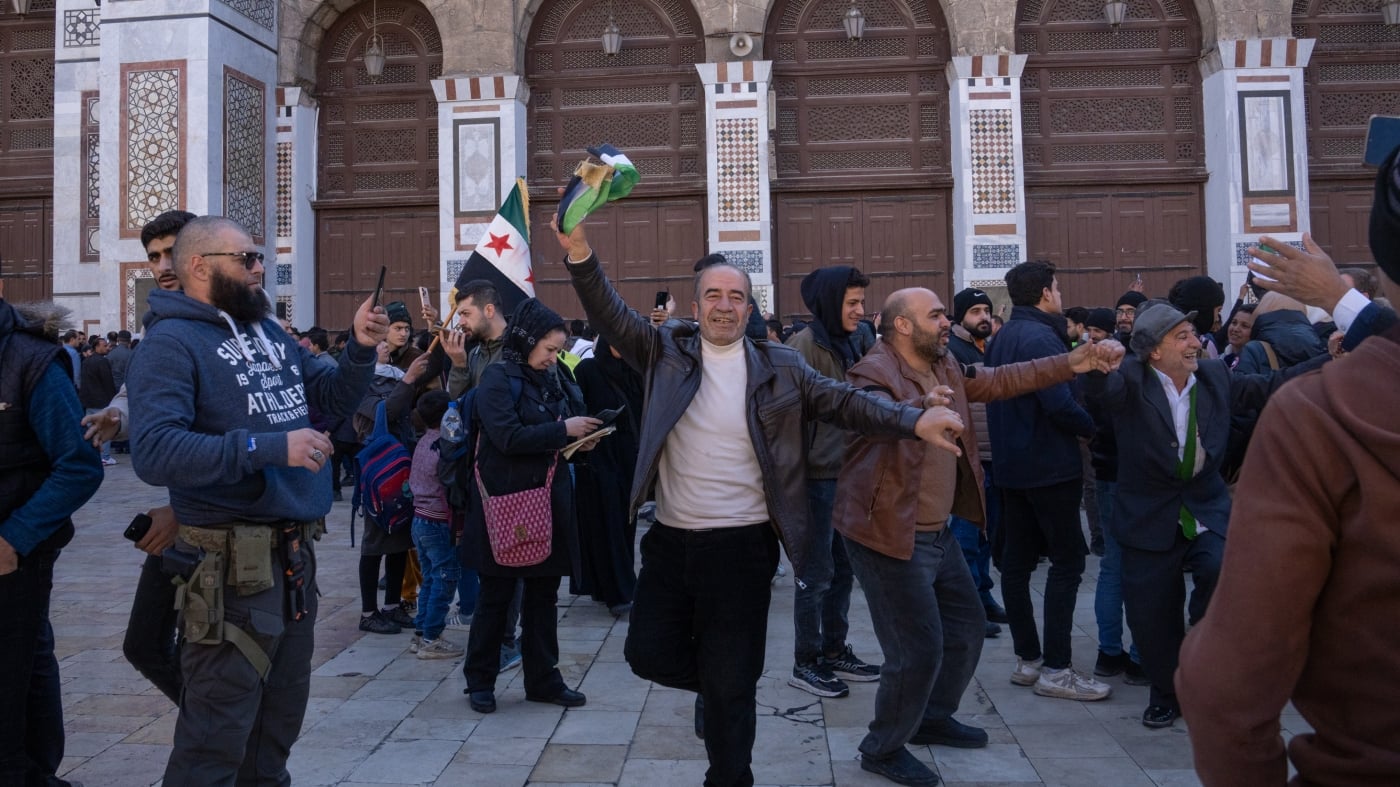
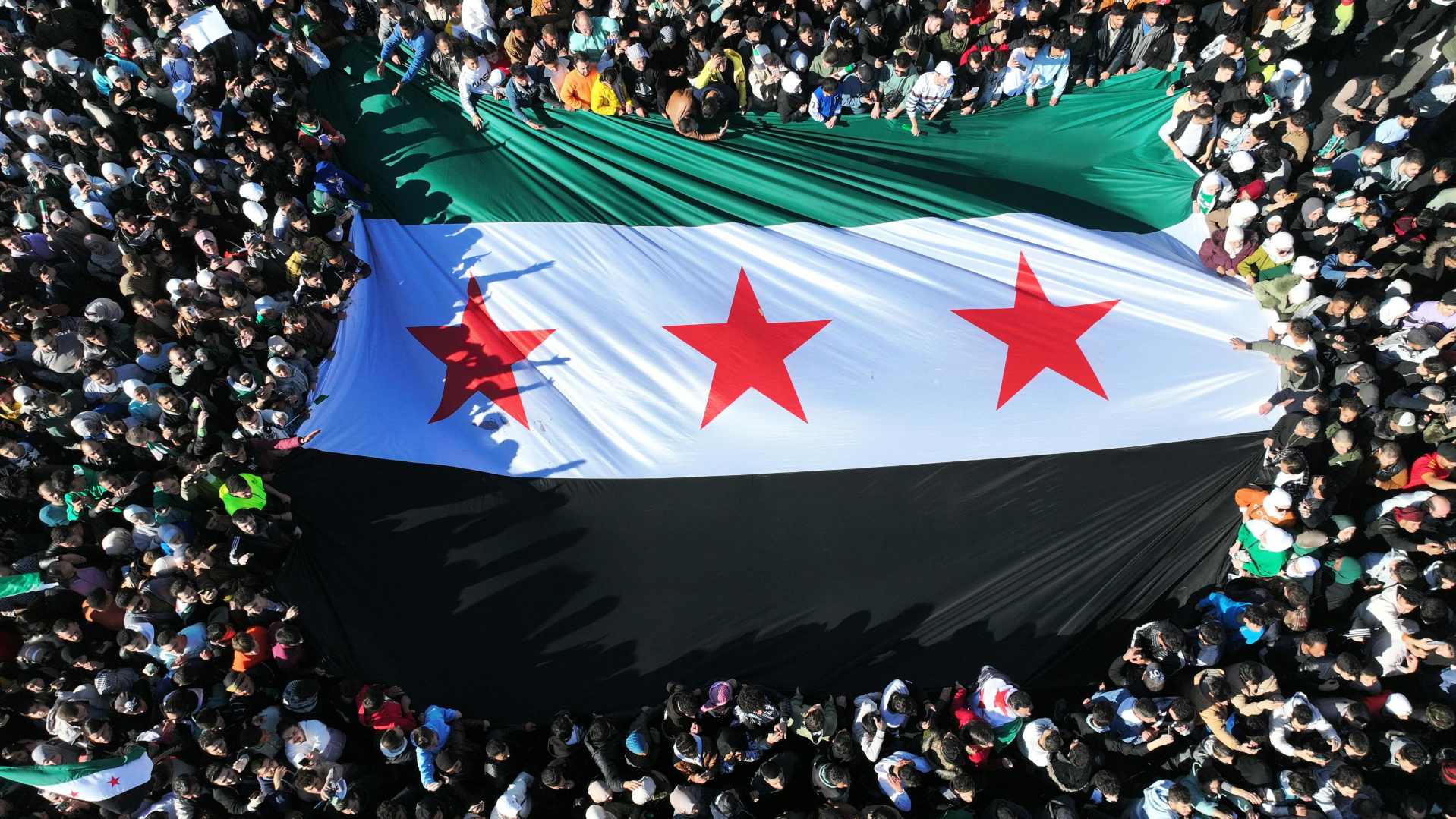
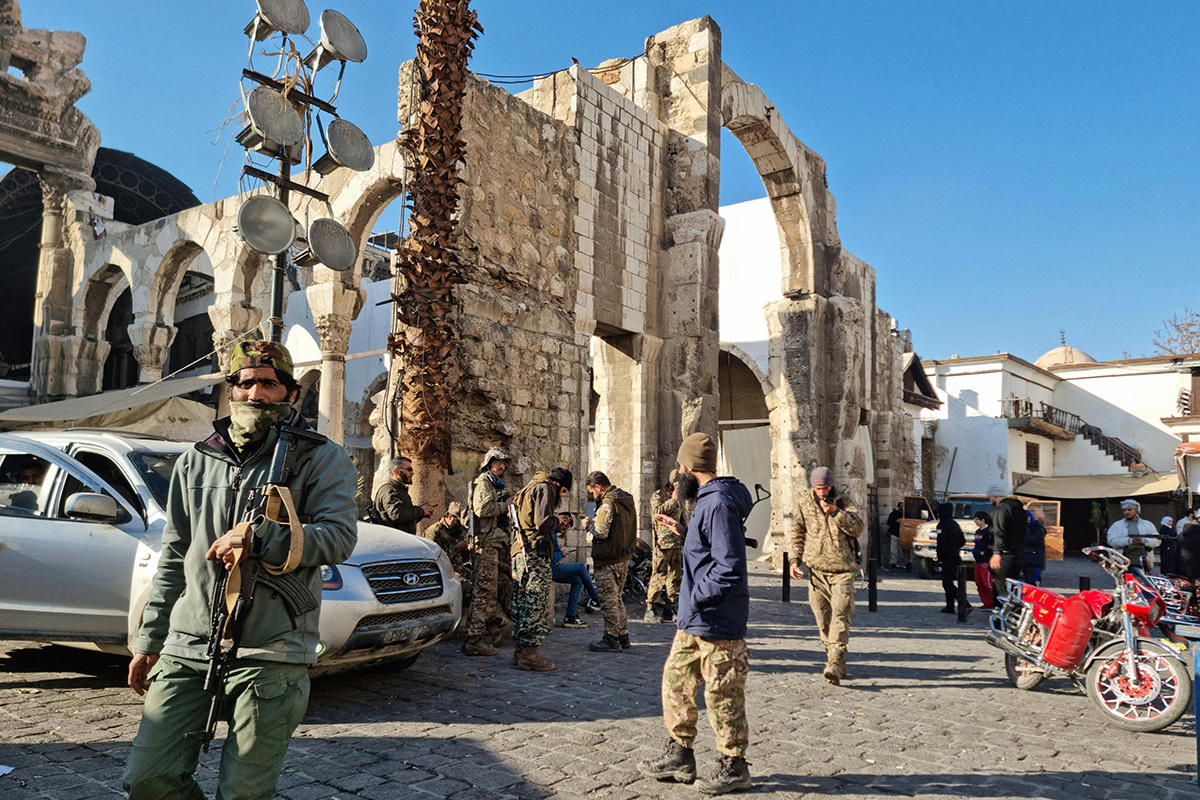
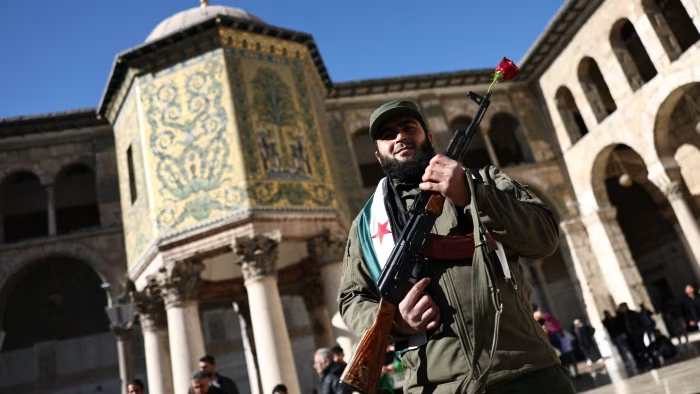
Syrians gathered joyfully for Friday prayers at the Umayyad Mosque in Damascus for the first time since the ousting of President Bashar al-Assad. The event marked a significant moment of celebration and hope for the future, as people filled the streets and mosques, expressing their happiness and taking selfies with the new Syrian flag. The prayers included calls for divine justice against Assad and his regime, reflecting a sense of liberation and national pride among the citizens.
Hayat Tahrir al Sham (HTS), a key rebel group in Syria, has appointed Mohammad al Bashir as interim prime minister following the ousting of President Bashar al-Assad. This development presents a complex challenge for the international community, as HTS is designated a terrorist organization by many countries, complicating diplomatic and financial engagements. The situation is further complicated by Syria's dire humanitarian and economic crises, and the presence of various armed factions. The international community faces a dilemma in balancing engagement with HTS while ensuring a transition that respects human rights and minority protections. Regional powers like Turkey and Russia also have vested interests, adding to the complexity of Syria's path forward.
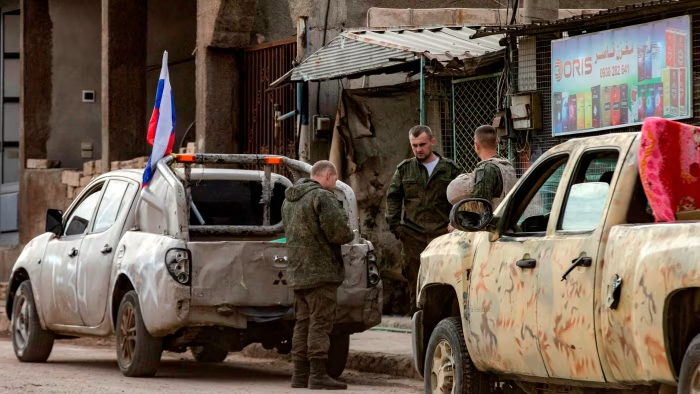
Russia appears to be withdrawing some of its military forces from Syria following the sudden fall of Bashar al-Assad's regime, as indicated by satellite imagery and Ukrainian intelligence. The images show increased activity at the Hmeimim air base, including the arrival of transport aircraft and the disassembly of air-defense systems, suggesting a potential drawdown. While the extent of the withdrawal is unclear, it could signal a complete exit. Russia's future presence in Syria will depend on negotiations with the new government in Damascus.
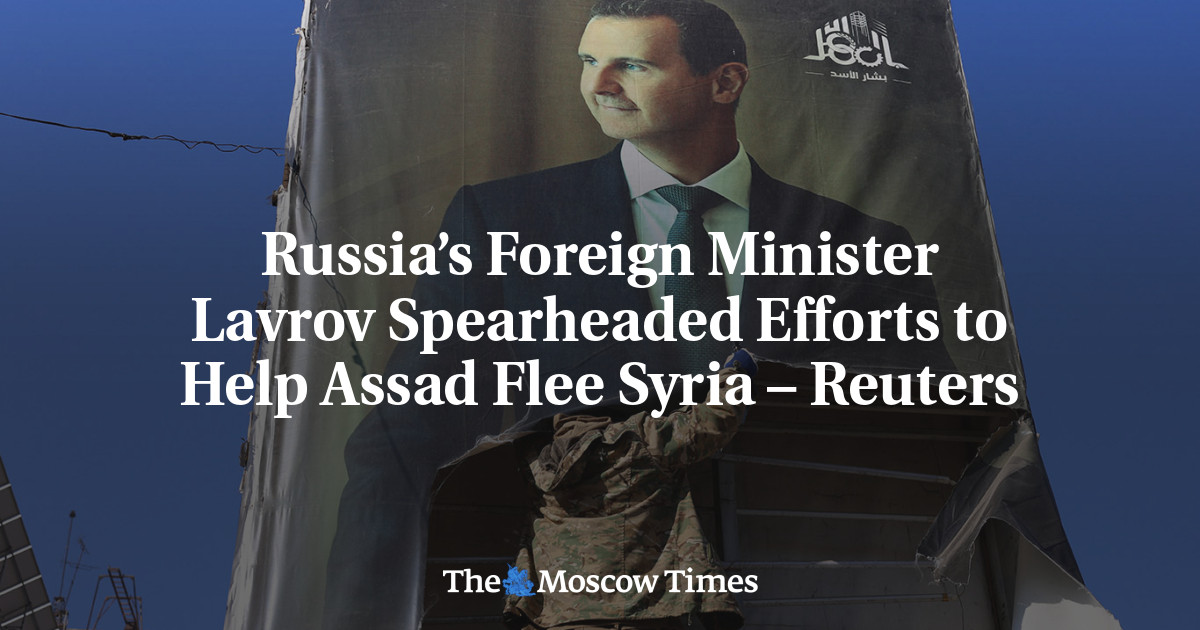
Russian Foreign Minister Sergei Lavrov led efforts to facilitate the safe escape of former Syrian President Bashar al-Assad from Syria as Damascus fell to Islamist rebels, according to Reuters. Lavrov coordinated with Turkey and Qatar to leverage their connections with rebel groups and ensured Assad's safe passage to Russia. Despite Russia's previous military support for Assad, Moscow refused further intervention, focusing instead on its ongoing conflict in Ukraine. Assad's appeals for more military aid were ignored, and Russian intelligence reportedly organized his escape, convincing him he could not win against the rebels.
Thousands of Syrians gathered at the Umayyad Mosque in Damascus for the first Friday prayers since the overthrow of Bashar al-Assad, marking a significant moment of celebration and freedom. Rebel leader Abu Mohammed Golani encouraged Syrians to stop work and join the prayers, which were led by interim Prime Minister Mohammed al-Bashir instead of a government-approved imam. The event symbolized a new era for Syria, with many attendees expressing hope for a brighter future. The day concluded with an impromptu street party in Ummayad Square.
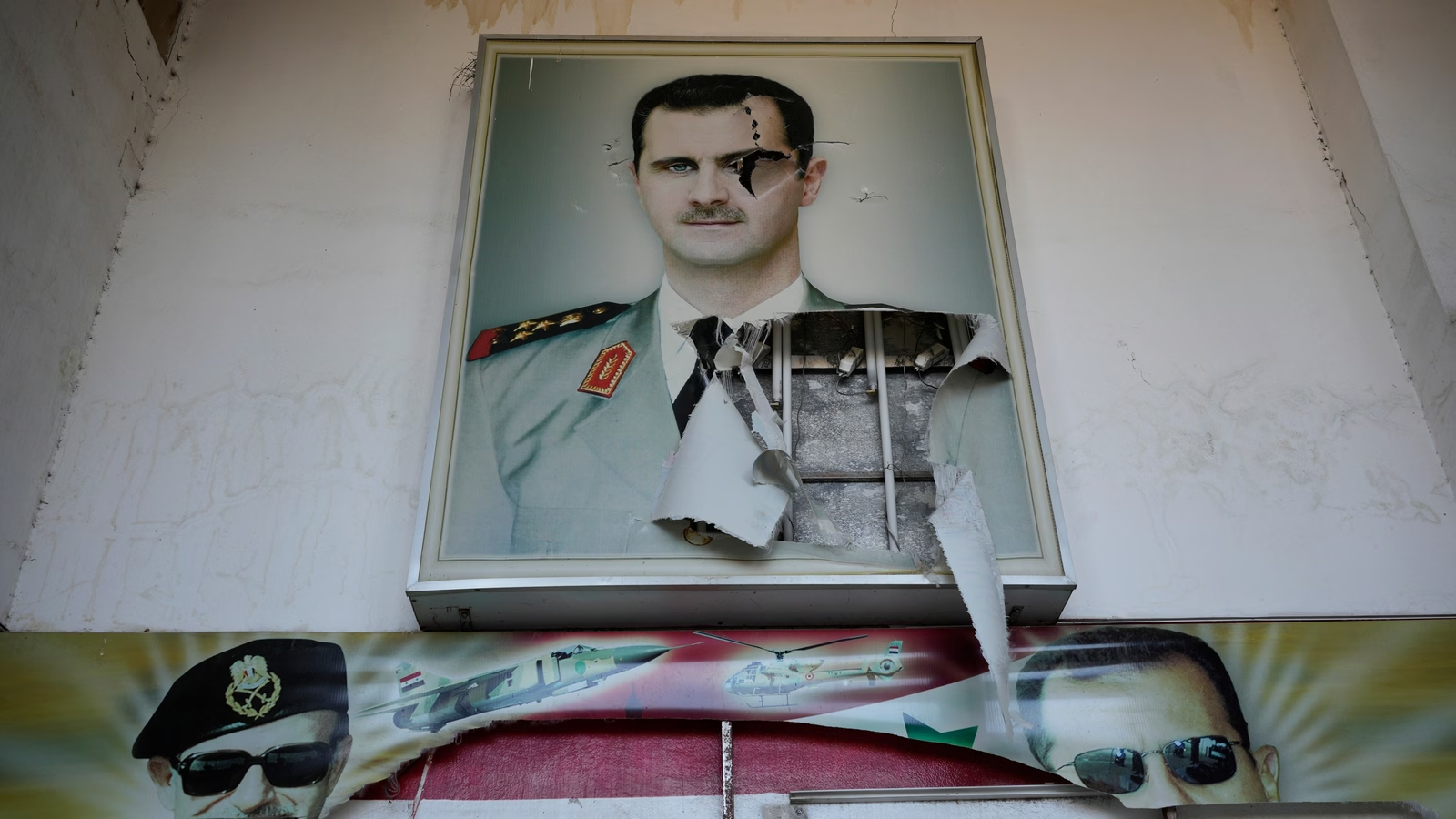
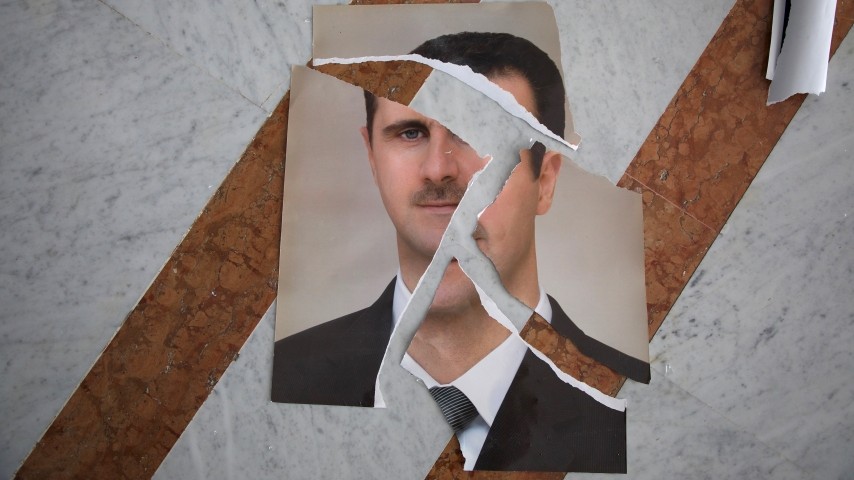
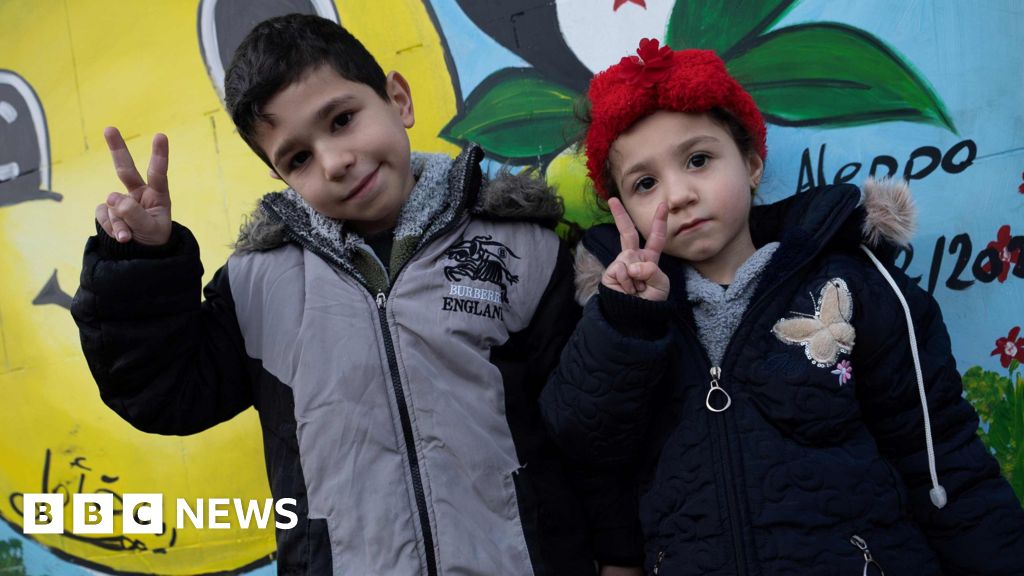
Aleppo, once a major commercial hub in Syria, has become the first major city to fall to Islamist-led rebels, marking a significant shift in the Syrian civil war. The city, which was heavily damaged during intense battles between opposition fighters and government forces, is now seeing the removal of symbols associated with the Assad regime. Residents, who had fled due to the conflict, are beginning to return, expressing cautious optimism about the newfound freedom but also concerns about the future under the new rebel authorities, particularly the group Hayat Tahrir al-Sham.
Following the takeover of Syria by Islamist-led rebels, Christian leaders met with the new forces to discuss concerns about potential persecution and the status of Christians as second-class citizens. Bishop Antoine Audo emphasized the historical contributions of Arab Christians and the need for equal status. Despite assurances from the rebels, watchdog groups remain concerned about the safety of Christians, citing incidents of aid theft and ethnic cleansing. The Christian population in Syria has significantly declined due to ongoing conflict and persecution.
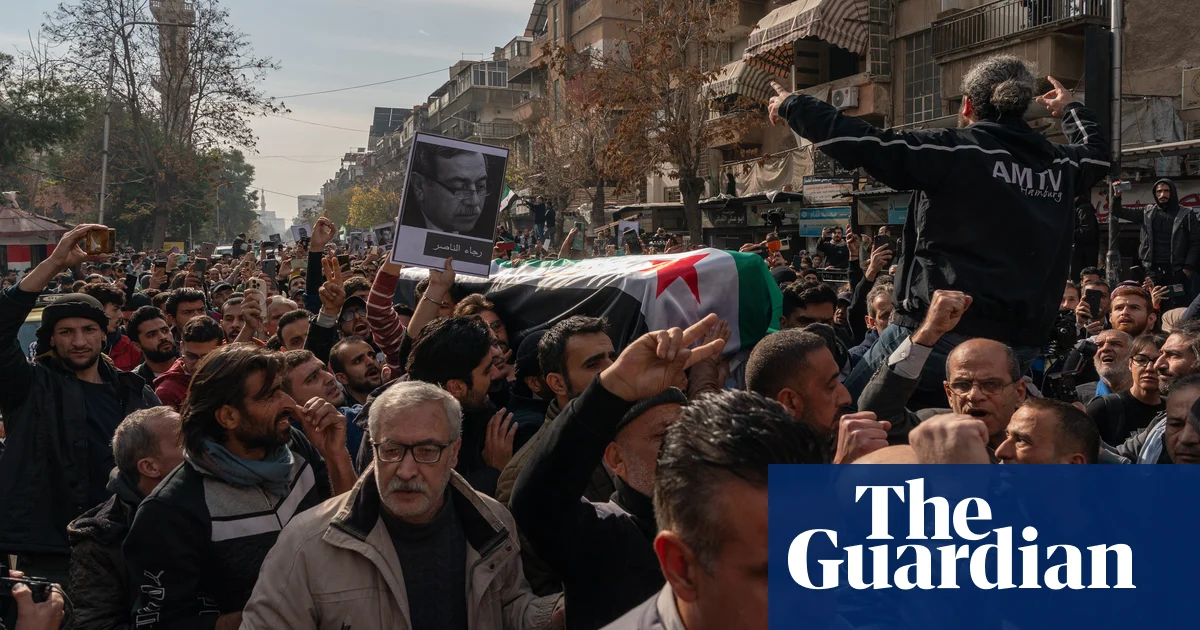
In Damascus, the initial joy over Bashar al-Assad's departure has turned to grief as Syria grapples with the fate of 130,000 missing people, many feared lost forever. The funeral of Mazen al-Hamadah, a torture survivor whose body was found in a morgue, highlighted the ongoing search for answers and closure. Families continue to search for their loved ones, with mass graves suspected across the country, as Syria transitions from a repressive regime to a new era.