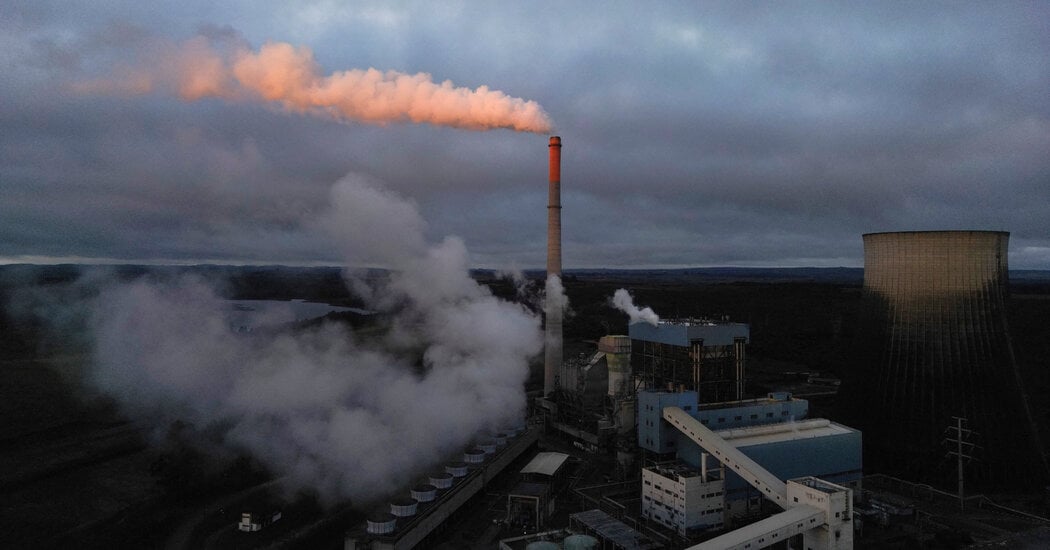
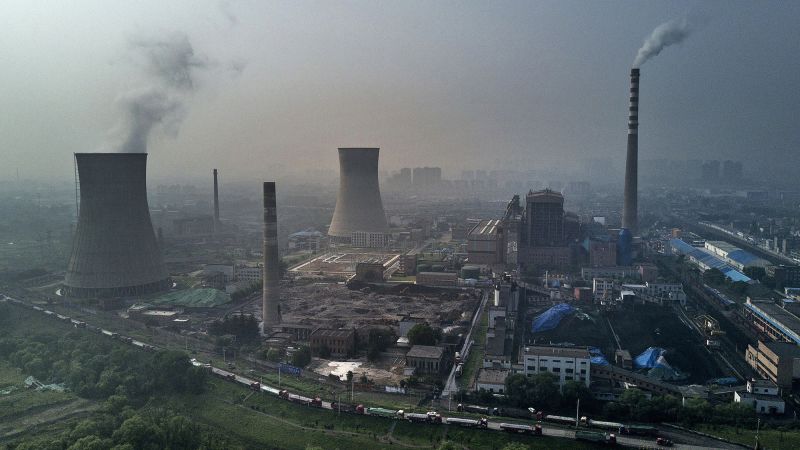
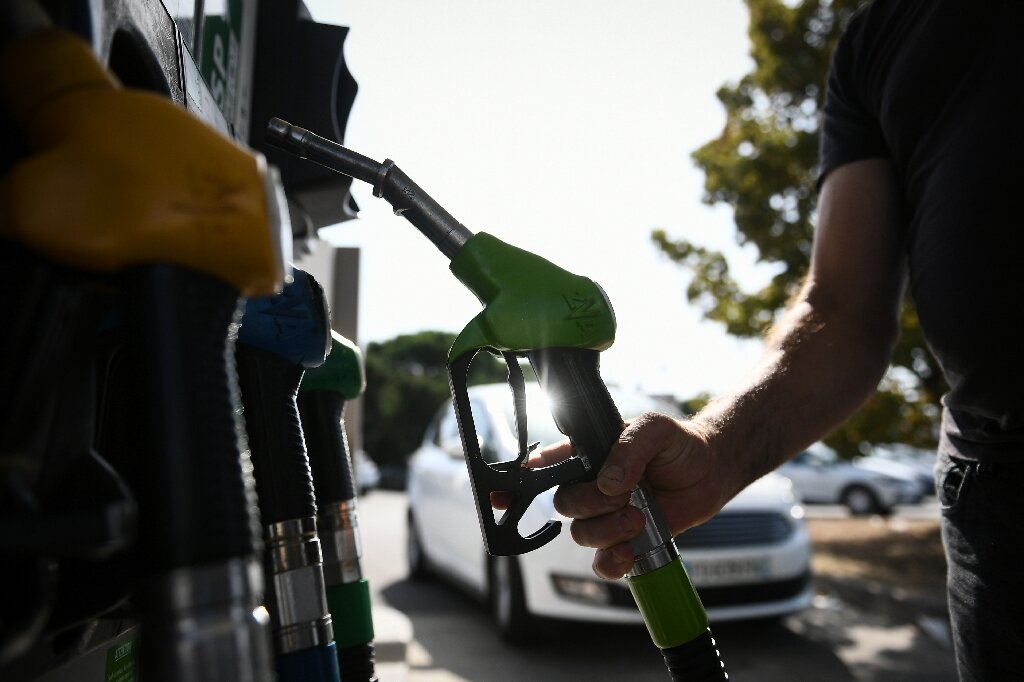
Global fossil fuel emissions are projected to reach a record high of 38.1 billion tons in 2025, with overall emissions increasing slightly from 2024, although China shows signs of slowing its emissions growth.
Global carbon pollution from energy hit a record high in 2023, driven by increased fossil fuel use in countries with low hydropower output due to droughts, according to an International Energy Agency report. Despite a surge in clean technology like wind, solar, and electric vehicles, global emissions rose by 1.1%, with China contributing around 60% of global additions of renewable energy and electric vehicles. Steep cuts in carbon emissions are needed to meet global climate goals, as energy-related emissions in the United States fell by 4.1% and in the European Union by almost 9%, while China's emissions rose by 5.2% due to post-COVID recovery.
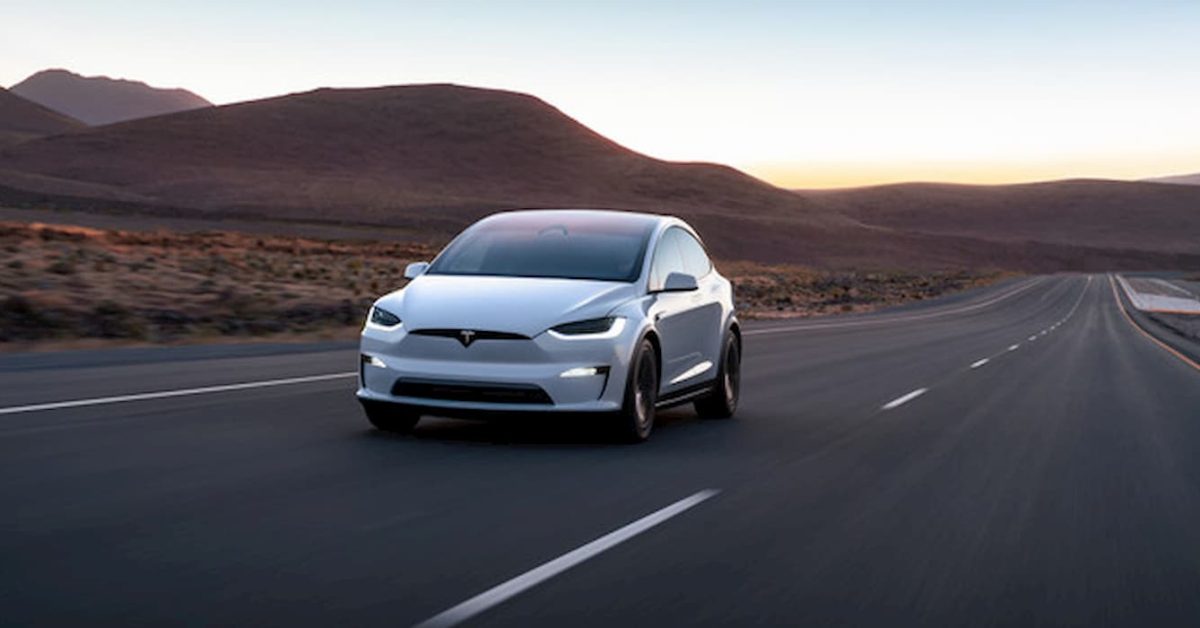
The International Energy Agency (IEA) predicts that global emissions will peak by 2025, as clean energy, particularly solar and electric vehicles (EVs), transform the global energy system by 2030. The IEA projects that by 2030, solar will generate more electricity than the entire US power system, renewables will account for nearly 50% of the global electricity mix, and three times more investment will go into offshore wind projects than into coal- and gas-fired power plants. The IEA also expects heat pumps and electric heating systems to outsell fossil fuel boilers globally. The report signals a major upgrade to the outlook for renewables, with the share of fossil fuels in global energy supply declining to 73% by 2030 and global energy-related CO2 emissions peaking by 2025. However, stronger measures are still needed to limit global warming to 1.5C.
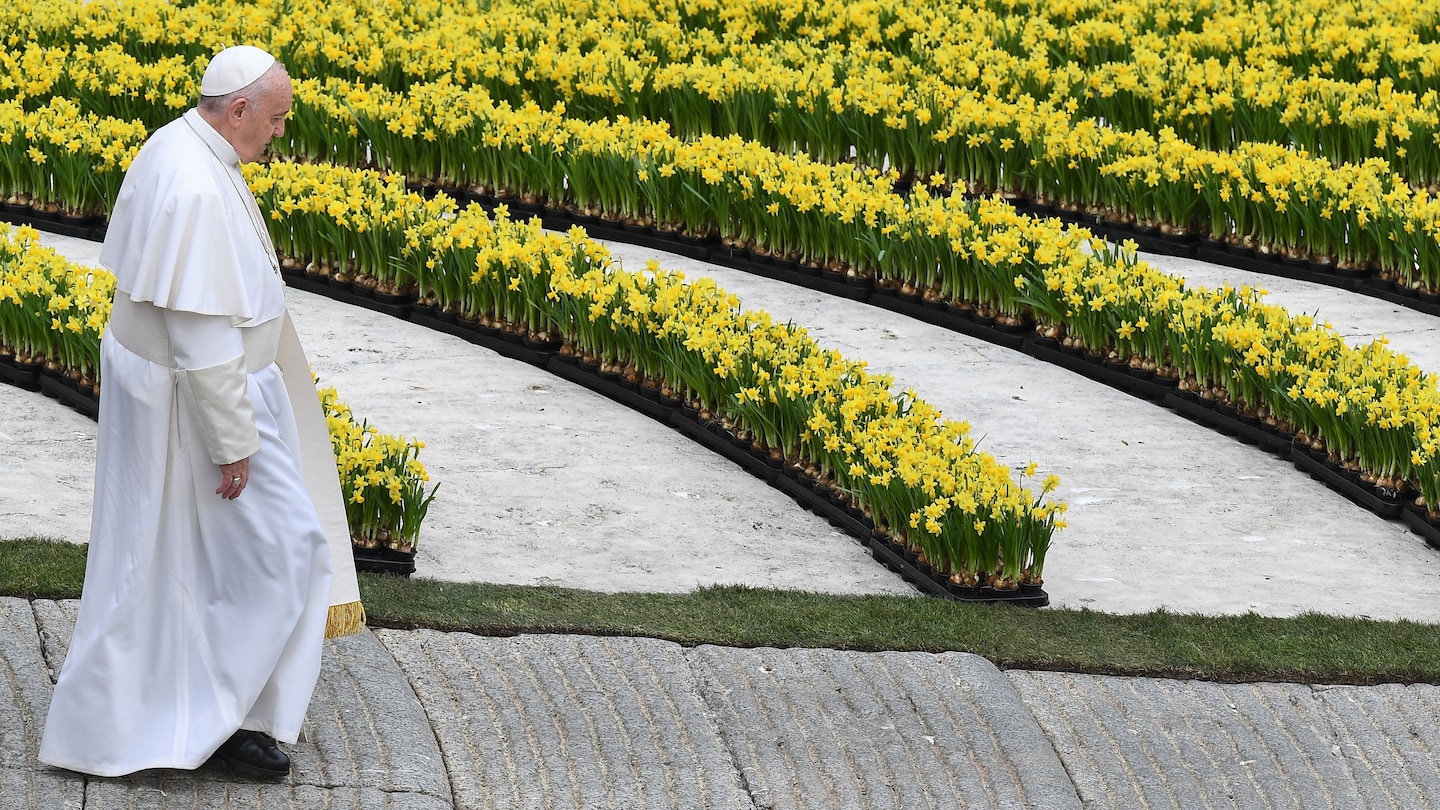
Pope Francis issued a renewed call for climate action, criticizing the United States for its "irresponsible" Western lifestyle and the weakness of world leaders in taking bold steps. In his apostolic exhortation, Francis denounced high-consumption cultures and argued that the world's poor were paying the price. He also expressed concern about the increasing power of artificial intelligence. While some conservatives criticize the pope for his environmental focus, Francis continues to push for environmentalism as a core part of the faith. However, his positions on climate change may not have as much impact as they did earlier in his papacy.
A coalition of countries, including EU economies and climate-vulnerable nations, has called for an urgent transition away from fossil fuels to tackle climate change. The coalition, known as the High Ambition Coalition, emphasized the need for greenhouse gas emissions to peak by 2025 and be cut by 43% by 2030 compared to 2019 levels. They stressed the importance of a rapid decline in fossil fuel production and use within this decade, along with systemic transformations across all sectors. The statement comes as global temperatures reach record highs and countries face extreme weather events, highlighting the urgency to meet climate goals.