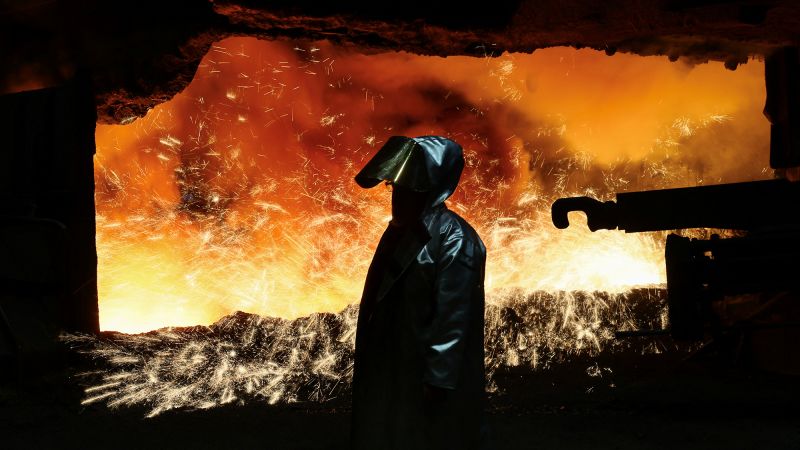
Thyssenkrupp Steel plans to cut 11,000 jobs by 2030, about 40% of its workforce, to improve competitiveness amid global overcapacity and cheap imports, particularly from Asia. This move reflects broader challenges in Germany's industrial sector, including high energy costs and competition from Chinese rivals. The German economy, already shrinking, faces significant transformation needs, with calls for substantial investment in infrastructure and green technologies.
Bosch, a major German automotive supplier, is reducing the workweek for 450 employees to four days due to economic challenges, including declining demand and competition from China. This move reflects broader struggles in Germany's economy, which is facing a second year of negative growth and a manufacturing recession. Bosch's decision follows similar actions by other European carmakers, like Volkswagen and Stellantis, as they grapple with cost-cutting measures and reduced demand.
The Bundesbank has warned that the German economy is expected to continue shrinking, citing the ongoing impact of the coronavirus pandemic. This warning comes as the central bank revised its growth forecast for 2021, projecting a contraction of 5.5% compared to its previous estimate of 3%. The Bundesbank also emphasized the uncertainty surrounding the economic outlook, particularly in light of the resurgence of COVID-19 cases and the potential impact of Brexit.
The German economy contracted by 0.3% in 2023, avoiding a recession but facing challenges from inflation, high energy prices, and weak foreign demand. Analysts predict zero GDP growth in 2024 due to unfavourable financing conditions, declining investment, and tightening fiscal policy. Despite a 0.7% increase in GDP compared to 2019, concerns arise over the economy's slow growth since the pandemic. Industry declined by 2.0% while construction saw modest growth of 0.2%. Household consumption and government expenditure fell, and foreign trade declined despite falling prices. The economy shrank by 0.3% in the final quarter of 2023, and the risk of another recession in 2024 remains high.
European markets closed higher despite geopolitical tensions, with London-listed shares opening 0.8% higher. German gross domestic product recorded a 0.1% quarterly fall, slightly better than expected. HSBC reported a 235% rise in profit but lower than expectations, announcing an additional share buyback. Siemens Energy shares rose after the chair clarified that talks with the German government were about supporting growth, not state aid. U.S. stocks opened higher, gold miners are heading for their best month since March, and the 10-year U.S. Treasury yield topped 4.9%. The German economy remains "stuck in stagnation," and the WTO chief warned that global growth will be impacted if the Israel-Hamas conflict spreads. Japan's 10-year bond yield edged closer to an 11-year high as the Bank of Japan's meeting kicked off. Chinese tech giants still have value despite regulatory clampdowns, and an under-the-radar networking stock is set for an AI boost. European markets are expected to open mixed.
European stocks dipped as the German economy stagnated in the second quarter, failing to show any growth, while Spain's economy grew in line with expectations. The Bank of Japan announced a policy shift, allowing greater flexibility in its target range for 10-year Japanese government bond yields, which rattled Asia-Pacific markets. Yields for 10-year Japanese government bonds reached their highest levels in almost nine years. Meanwhile, Goldman Sachs named Chinese stocks to buy after fiscal stimulus measures were announced, and Morgan Stanley revealed a cautious stance on the global office spaces sector.