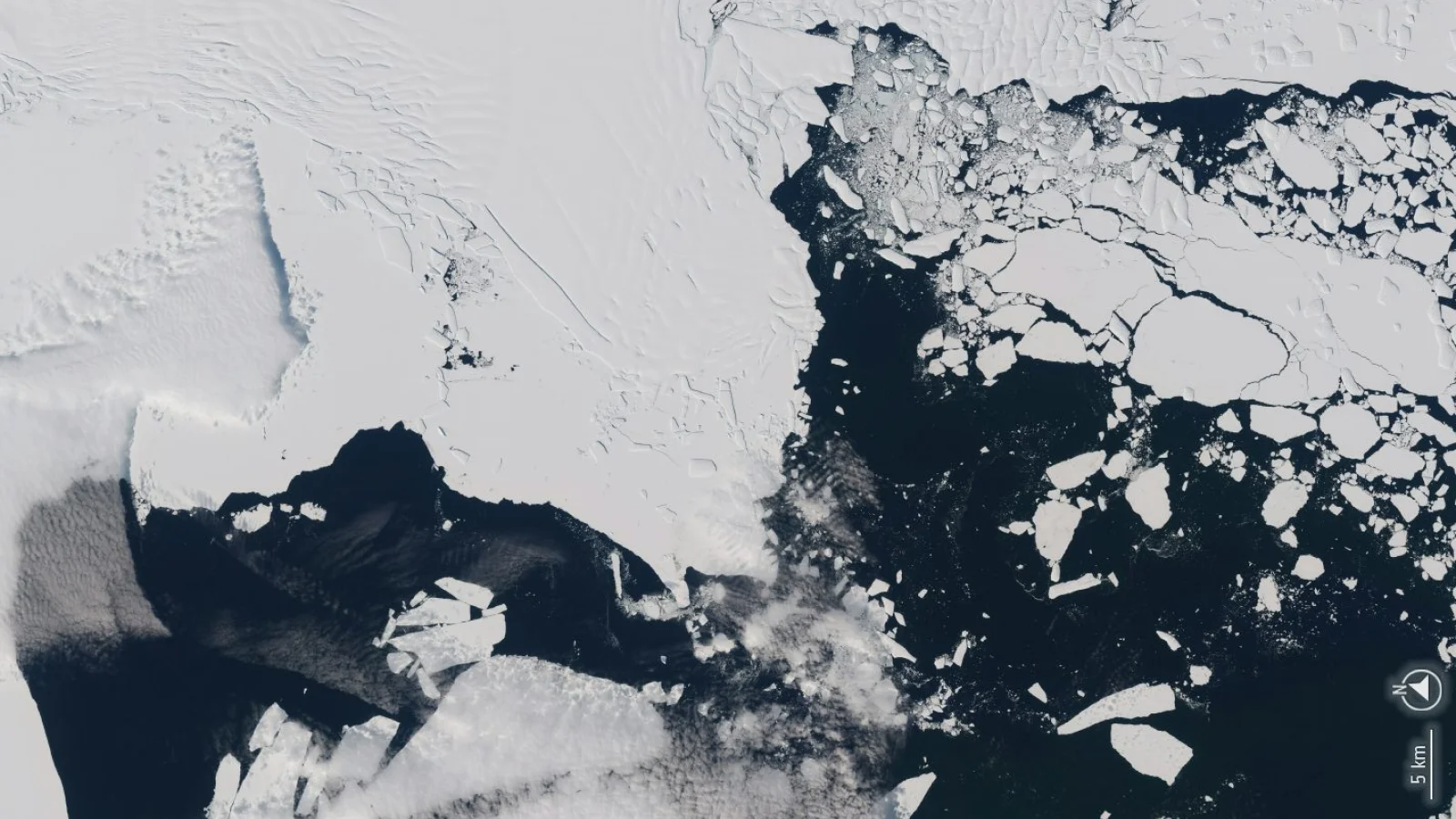
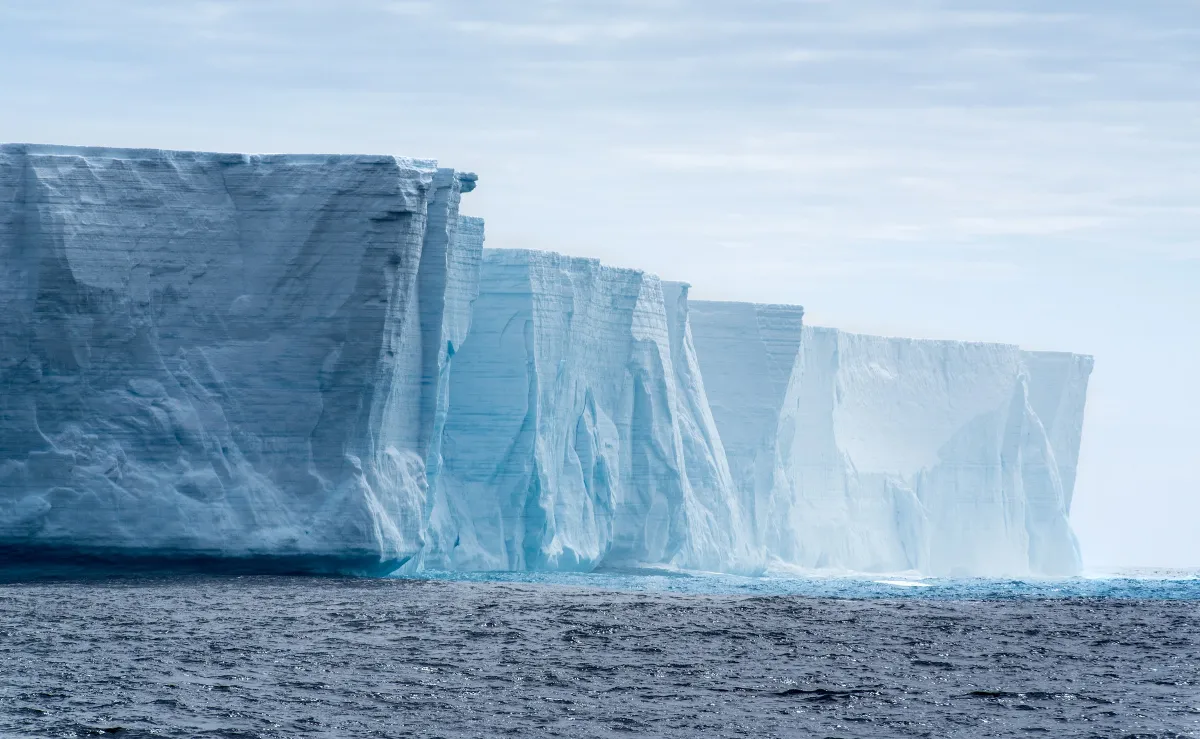
A new study reveals hundreds of glacial earthquakes in Antarctica, mainly near the Thwaites Glacier, caused by iceberg calving and possibly influenced by ocean conditions, highlighting potential risks for future sea level rise.
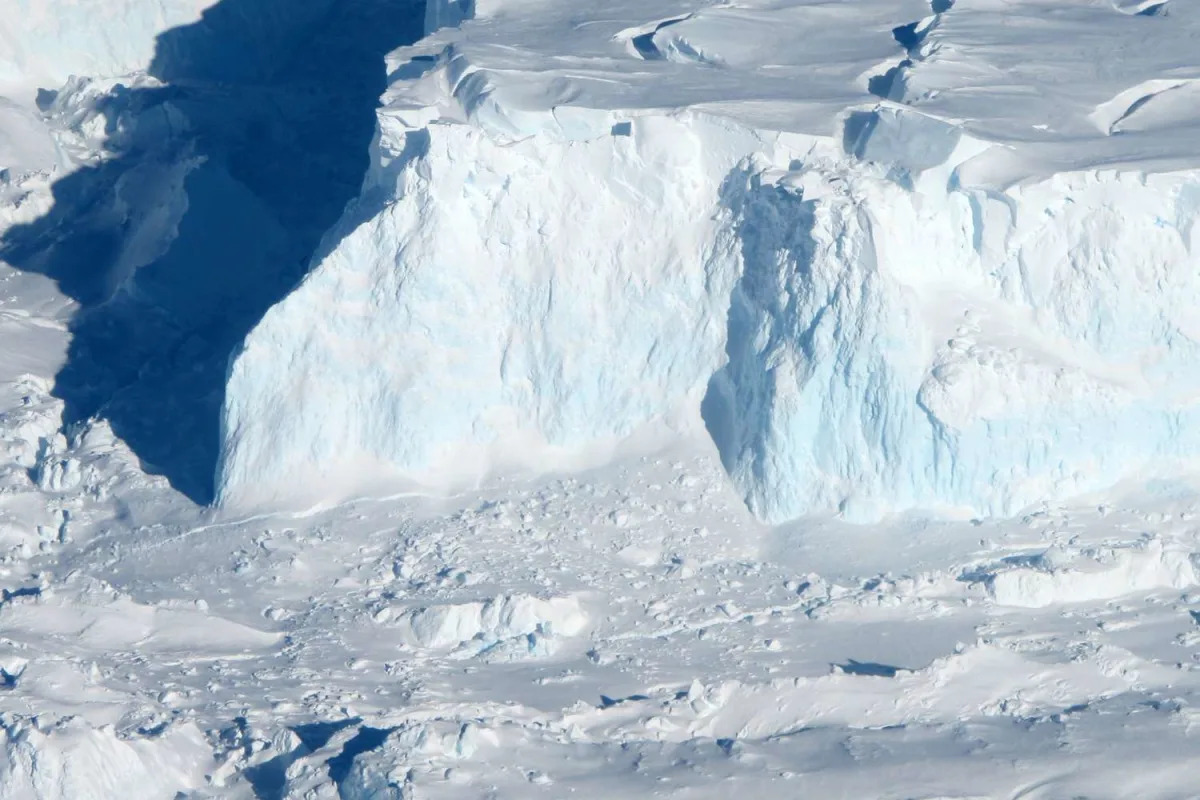
A team of nearly 40 scientists is heading to Antarctica to study the rapidly melting Thwaites Glacier, which poses a significant threat of causing global sea levels to rise by over two feet if it collapses, potentially triggering a catastrophic collapse of the West Antarctic ice sheet. The research involves innovative methods, including attaching sensors to seals to gather ocean data, to better understand the glacier's melting processes and future risks.
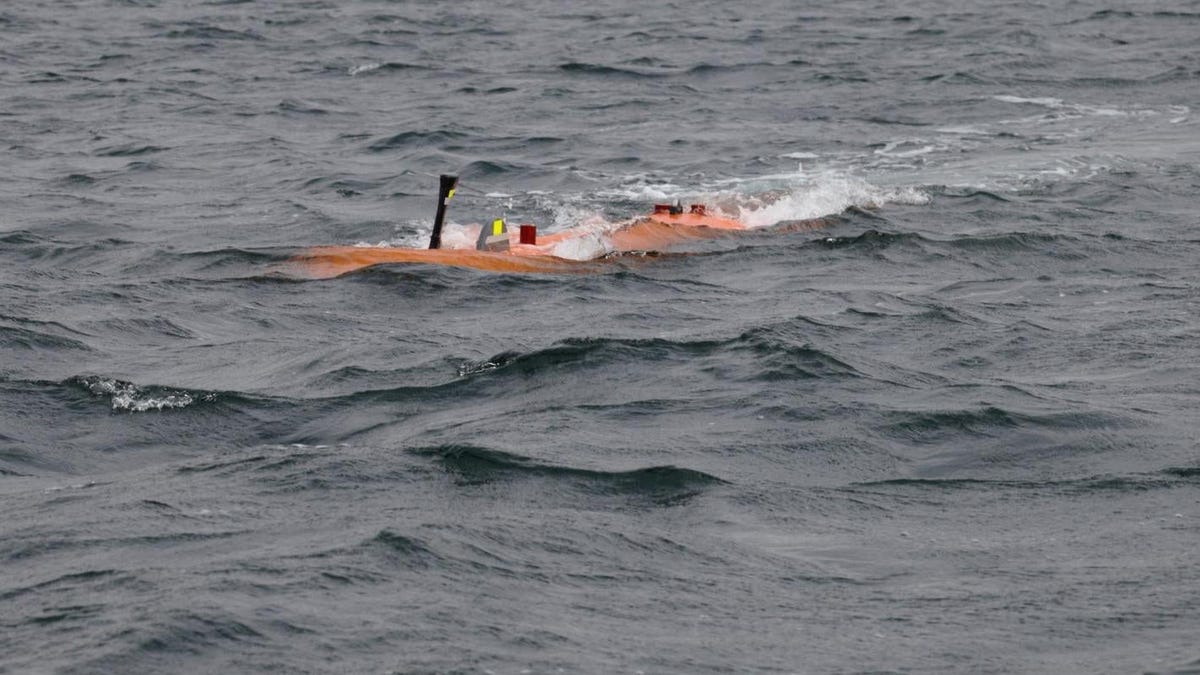
An uncrewed research vessel, Ran, owned by the University of Gothenburg in Sweden, has gone missing under Antarctica's "Doomsday Glacier" during an expedition in January. The 23-foot-long vehicle, which can travel to depths of 1,600 feet, was on its second visit to the Thwaites Glacier and has provided crucial data about the colossal glacier's climate implications. Despite extensive search efforts, the vessel has not been located, and its batteries are now dead. The Thwaites Glacier, roughly the size of Florida, has the potential to significantly raise global sea levels if it were to melt completely.
Sweden’s University of Gothenburg's robotic submersible, "Ran," went missing during its exploration beneath Antarctica's "Doomsday Glacier," prompting a recovery effort. The 23-foot-long vehicle, equipped with advanced technology, was conducting missions to document the area under the ice, but failed to resurface after its last planned dive. The research team suspects it encountered trouble under the ice, and efforts to locate it have been unsuccessful, likening the search to finding a needle in a haystack without knowing the haystack's location.