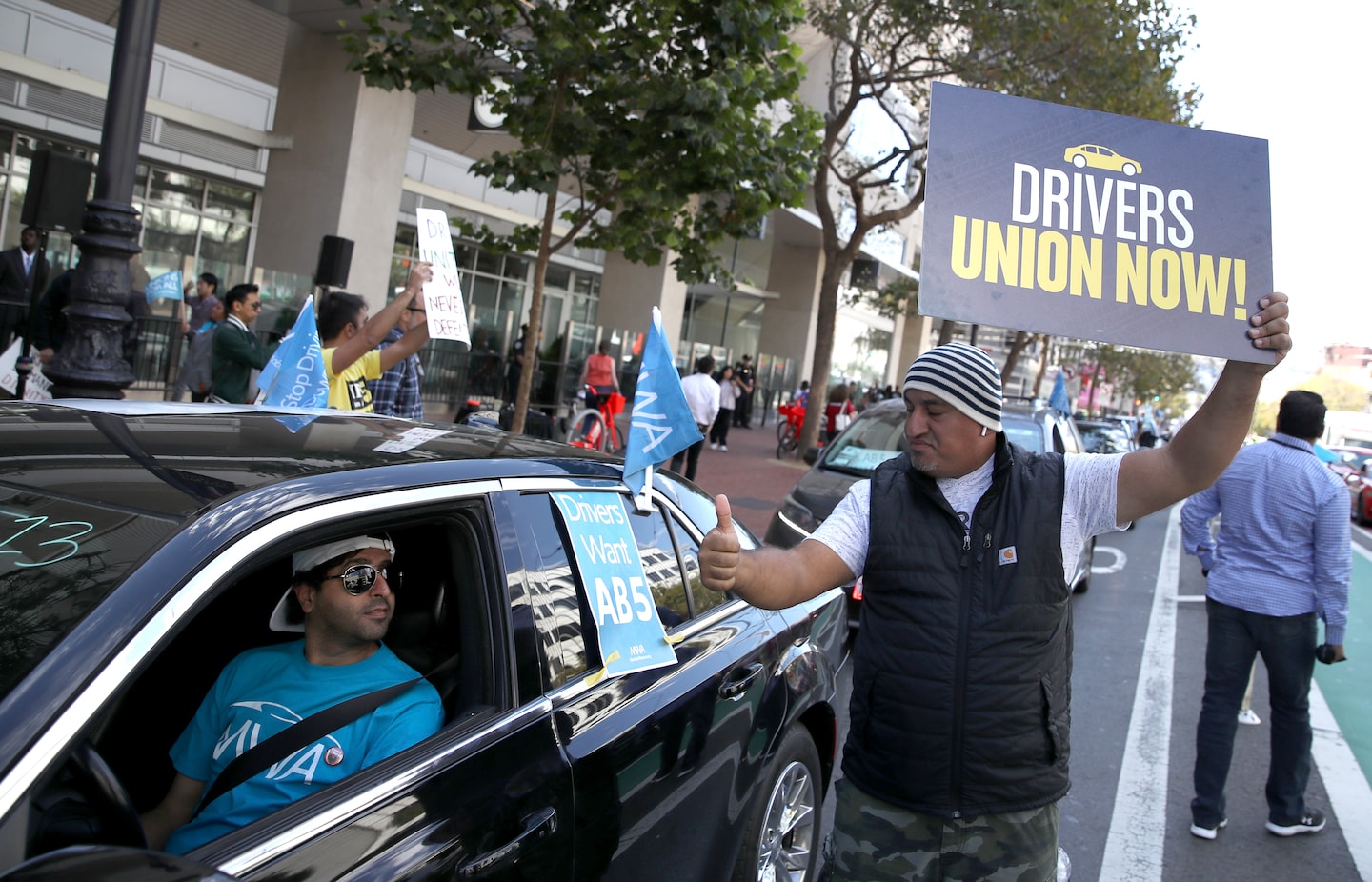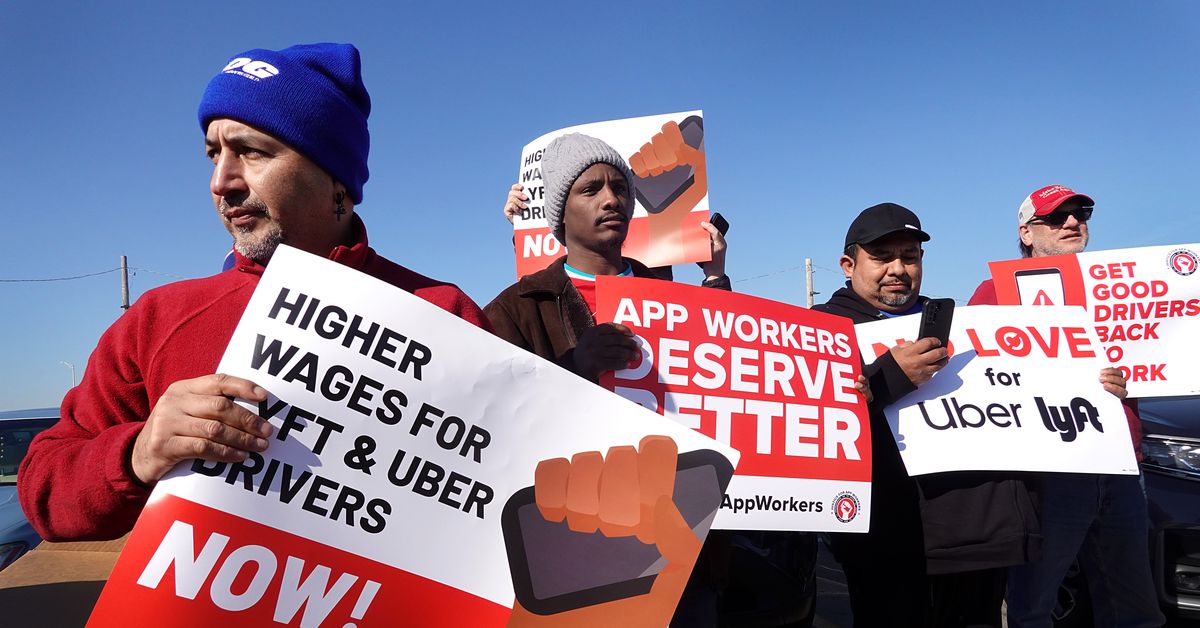
Lyft, Uber, and DoorDash drivers staged one of their largest strikes in 44 cities, protesting low wages, lack of transparency in pay calculations, and abrupt account deactivations. The strikes were organized by labor organizations advocating for app-based independent contractors. The companies have cited median and average pay figures above minimum wage, but reports suggest that companies are pocketing a greater share of customer fares. Gig workers lack the protections and rights that traditional employees have, and the strikes aim to pressure companies and lawmakers to improve safety protections and provide more stability. This is not the first time workers have mobilized for better treatment, and there are ongoing efforts to address these gaps in labor rights.
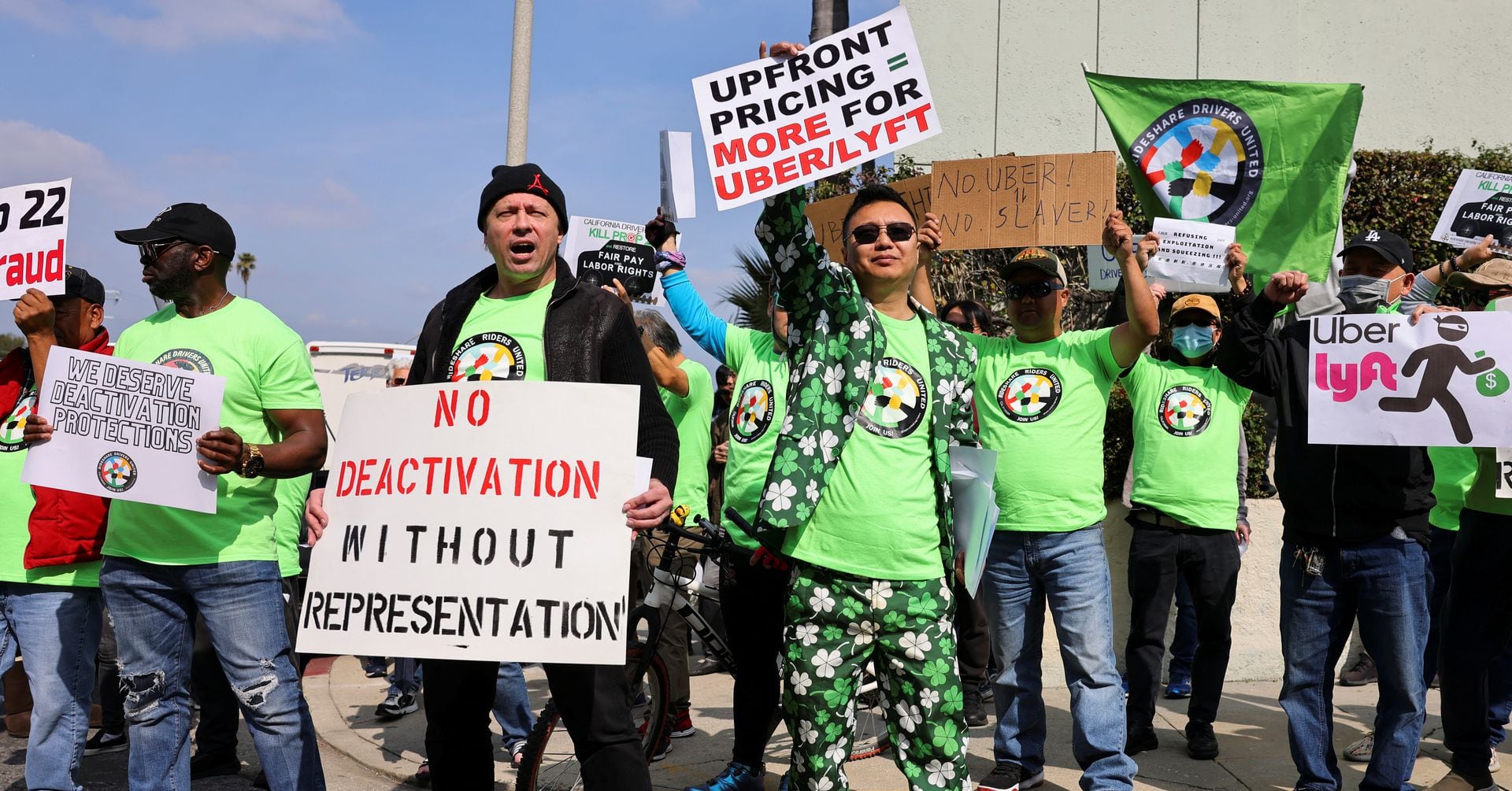
Uber, Lyft, and DoorDash drivers staged a strike across the US, demanding fair pay and better treatment, citing disproportionate fees taken from their fares as hurting their earnings. The protest coincided with Uber's record-high shares and saw drivers from various coalitions picketing at airports and company offices. The companies claimed no impact on operations, while labor strikes have also emerged in the UK and Canada. The US Department of Labor's recent rule change and increased worker activism reflect ongoing tensions in the gig economy.
Thousands of Uber, Lyft, and DoorDash drivers are set to strike on Valentine's Day in at least 17 U.S. cities, demanding better pay, transparency, and an end to unfair deactivations. Drivers argue that the companies are taking an increasingly large cut out of fares, forcing them to work longer hours to make ends meet. The strikes come amid declining pay for drivers, with Uber drivers' average monthly earnings before expenses falling 17.1 percent in 2023 compared to the previous year. Both Uber and Lyft have stated that they do not expect the strike to impact trip levels, prices, or driver availability.