Tag

Employee Classification

All articles tagged with #employee classification

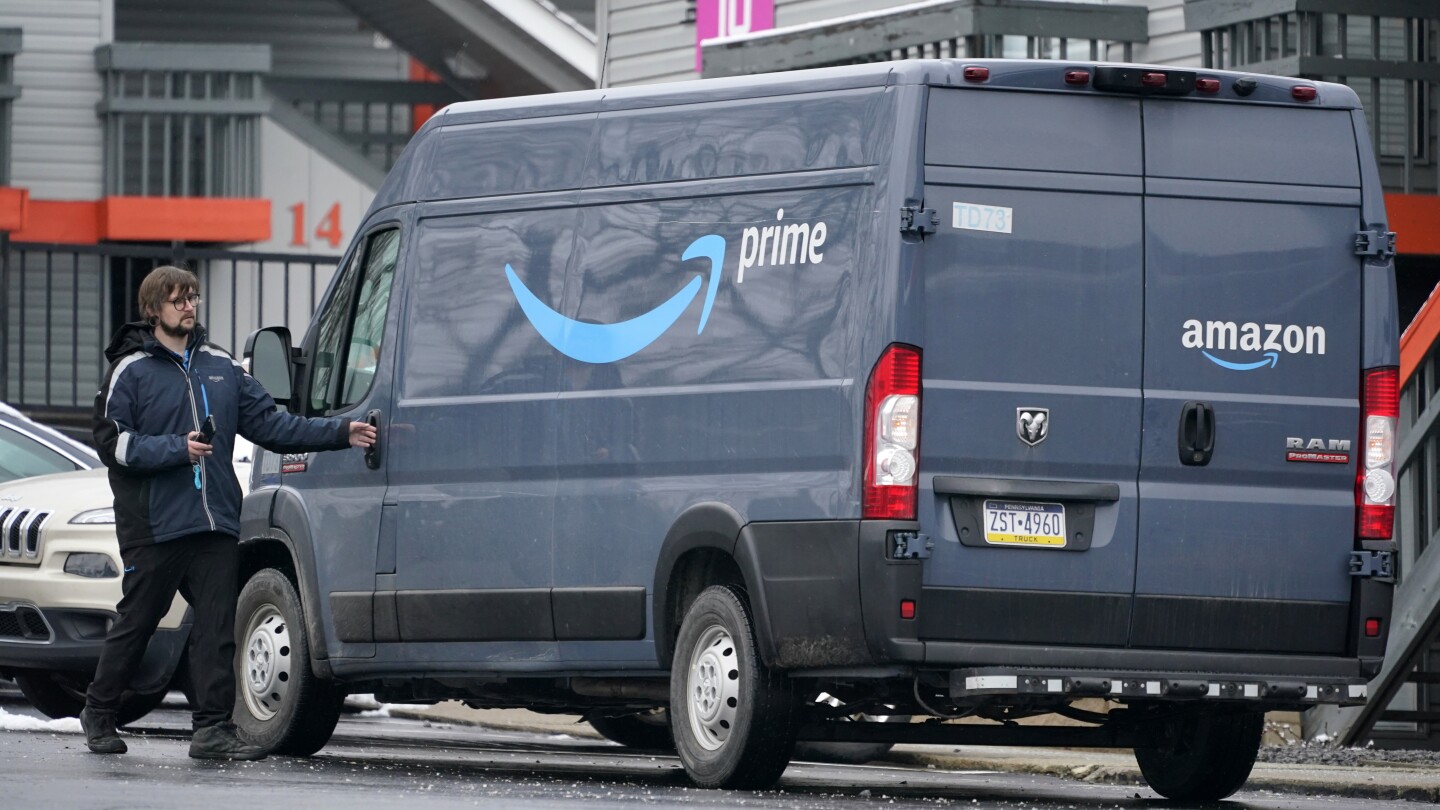
Wisconsin Supreme Court Affirms Amazon Drivers as Employees, Rejects Appeal

Originally Published 1 year ago — by The Associated Press

Featured image for Wisconsin Supreme Court Affirms Amazon Drivers as Employees, Rejects Appeal
Source: The Associated Press

The Wisconsin Supreme Court declined to review a lower court ruling that declared Amazon delivery drivers as employees, not independent contractors, leaving a 2023 appeals court decision against Amazon in place. This means Amazon Logistics may face a tax bill of over $200,000. Labor unions and the state Department of Workforce Development supported the classification of Amazon Flex workers as employees, while the gig economy's impact on worker classification continues to be a contentious issue in courts across the country.

"Biden Administration's Impact on Gig Worker Classification and Federal Labor Rules"

Originally Published 2 years ago — by Engadget

The US Department of Labor has published a new rule that would make it harder to classify workers as independent contractors, potentially reclassifying many gig workers as employees. The rule, set to take effect in March, aims to protect workers from exploitation by ensuring proper classification and fair wages. However, it faces opposition from business interests and is expected to lead to legal challenges. If implemented, the rule could impact companies like Uber and DoorDash, as well as sectors beyond the gig economy, such as healthcare and construction.

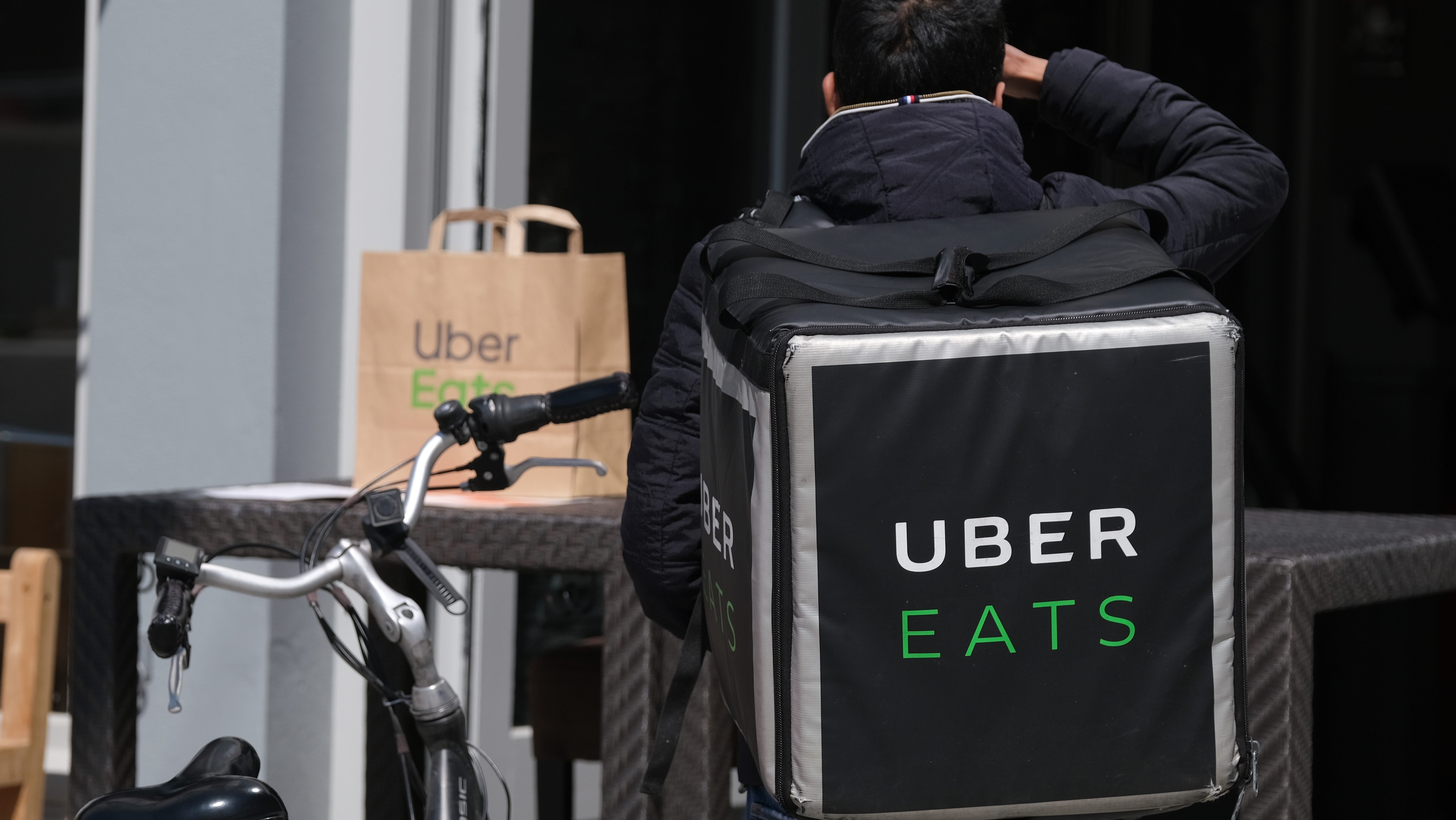
"Expanding Protections: US Implements New Gig Worker Classification Rules"

Originally Published 2 years ago — by Marketplace

Featured image for "Expanding Protections: US Implements New Gig Worker Classification Rules"
Source: Marketplace

The Department of Labor has reinstated old rules for determining employee classification, making it harder for companies to classify workers as independent contractors. This decision has been welcomed by labor rights proponents but has faced opposition from business leaders, especially in the tech sector. The new/old federal rules will consider the financial dependence of the worker on the company and whether their work is integral to its business model. Despite this, companies like Uber, Lyft, and DoorDash have stated that they won't change their operations based on the new standard, potentially leading to lawsuits from these big tech companies. This decision not only affects the gig economy but also other vulnerable workers who now stand a better chance of receiving fair pay and protections.