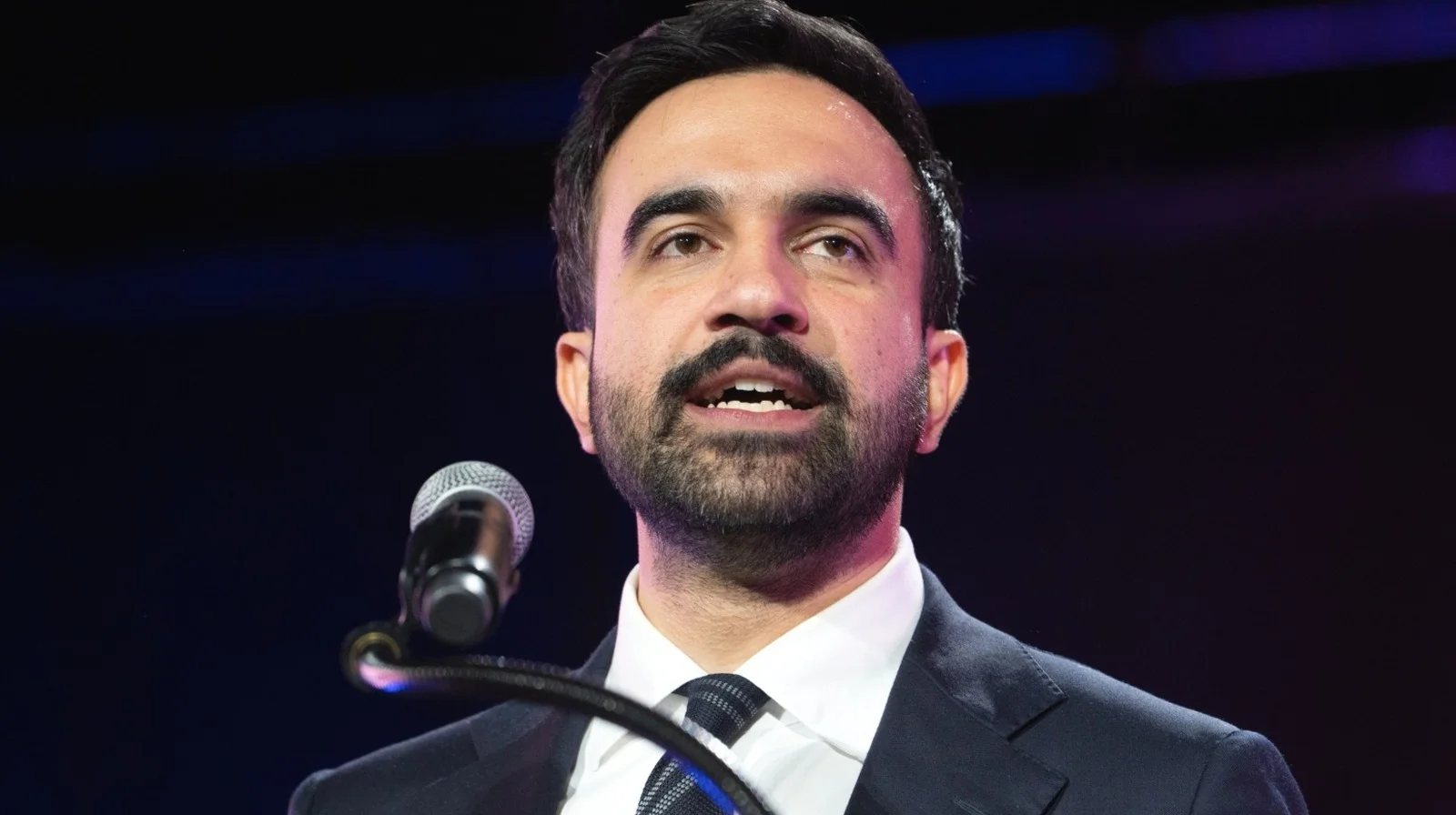
New York City Mayor Zohran Mamdani has sued Motoclick for alleged minimum-pay violations by delivery drivers on third-party apps and warned about lawsuits against 60 more platforms to enforce the city’s Delivery Worker Laws, signaling a broad crackdown on gig-economy labor practices in NYC.
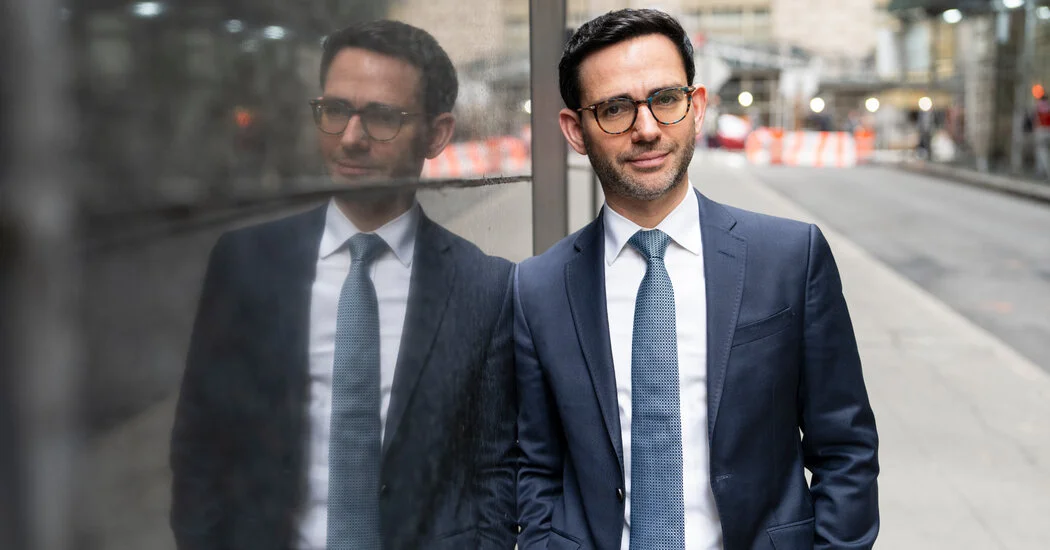
New York City's new Commissioner of the Department of Consumer and Worker Protection, Samuel Levine, pledges a tougher, more public enforcement stance, signaling aggressive action including a Motoclick lawsuit and a report accusing DoorDash and Uber Eats of engineering app tricks to drain workers’ tips, as Mayor Mamdani expands the department’s consumer-protection agenda and resources.
Tony Illes, a 30-year-old delivery driver, started his own delivery service, Tony Delivers, after experiencing a drop in demand due to increased fees from delivery apps following a minimum wage ordinance in Seattle. The ordinance aimed to protect gig workers but led to longer wait times for drivers and decreased business for restaurants. The city and app companies are at odds over the impact of the ordinance, while gig workers like Illes are finding ways to adapt and build their own businesses in response to the changing landscape of the gig economy.
Tony Illes, a 30-year-old delivery driver, started his own delivery service, Tony Delivers, in response to long wait times and decreased demand caused by a Seattle minimum wage ordinance for delivery-app drivers. The ordinance led to increased fees for customers, resulting in a drop in business for app-based companies and drivers. This has sparked a debate on the impact of minimum wage laws on gig workers and businesses, with some workers organizing strikes and cities like Seattle pushing for ordinances to protect workers.
Seattle's new App-Based Worker Minimum Payment Ordinance, which requires minimum payments to app-based workers, has led to higher delivery fees from services like DoorDash, Instacart, and Uber Eats. The ordinance guarantees workers a minimum payment based on time and distance traveled for each offer, resulting in increased costs for companies. In response, these delivery services are raising prices, curbing benefits, and warning of adverse effects on drivers, consumers, and merchants. Uber and Uber Eats anticipate a loss of orders for small businesses and diminished work opportunities for drivers, while Instacart is ending certain perks for its shoppers in Seattle.