
Neanderthal DNA Continues to Impact Modern Humans, UCLA Study Shows.
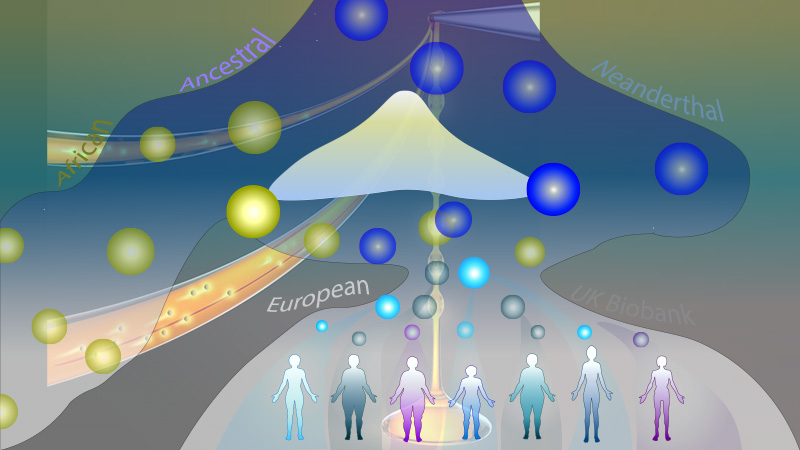
A UCLA-led team has developed a new suite of computational genetic tools to address the genetic effects of interbreeding between non-African humans and Neanderthals that took place some 50,000 years ago. The researchers discovered that some Neanderthal genes are responsible for certain traits in modern humans, including several with a significant influence on the immune system. However, the study shows that modern human genes are winning out over successive generations. The new computational methods developed by the team could offer a path forward in gleaning evolutionary insights from other large databases to delve deeper into archaic humans’ genetic influences on modern humans.
Reading Insights
0
1
3 min
vs 4 min read
83%
603 → 102 words
Want the full story? Read the original article
Read on UCLA Samueli School of Engineering Newsroom