Long-Term Presence of 'Superbugs' in the Body: Implications for Antibiotic Resistance
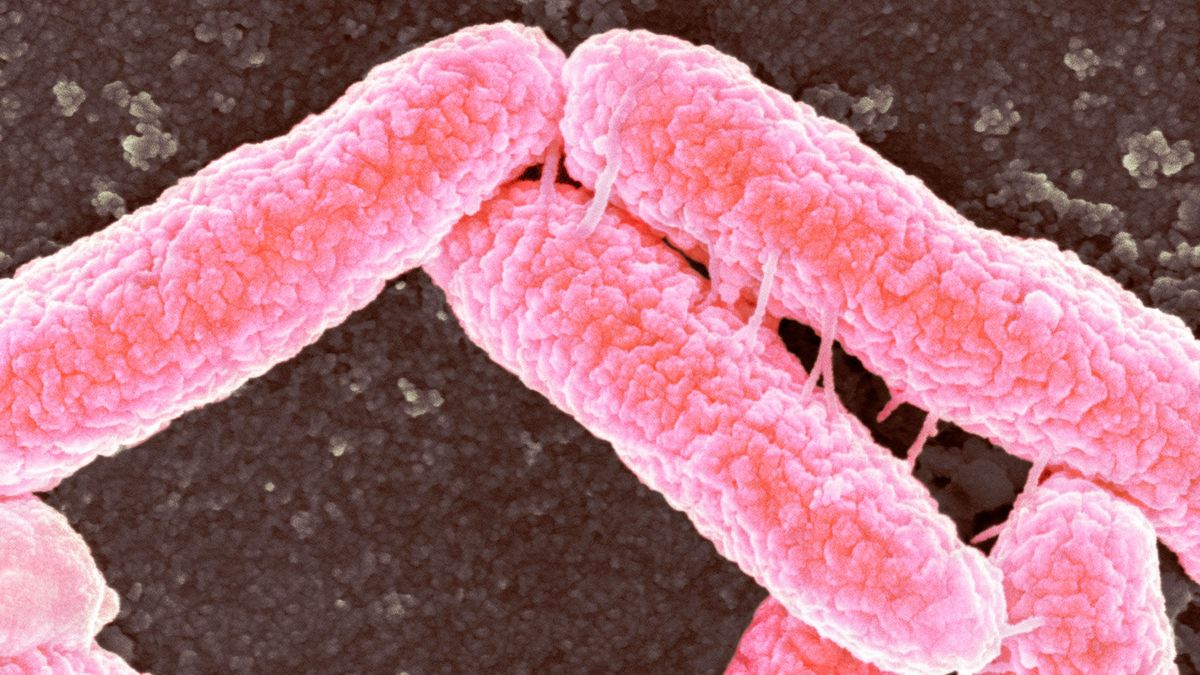
A new study reveals that antibiotic-resistant bacteria, such as Klebsiella pneumoniae and Escherichia coli, can persist in the human body for up to nine years, potentially leading to recurrent infections and serving as a source of infection for others. The research found that these bacteria can remain in a patient's body without causing harm and may trigger full-blown infections under certain circumstances. The study also suggests that the bacteria are passing antibiotic resistance genes to each other, contributing to the transmission of antibiotic resistance. These findings lay the groundwork for future research to understand why these resistant bacteria persist in the body and what triggers them to cause infections.