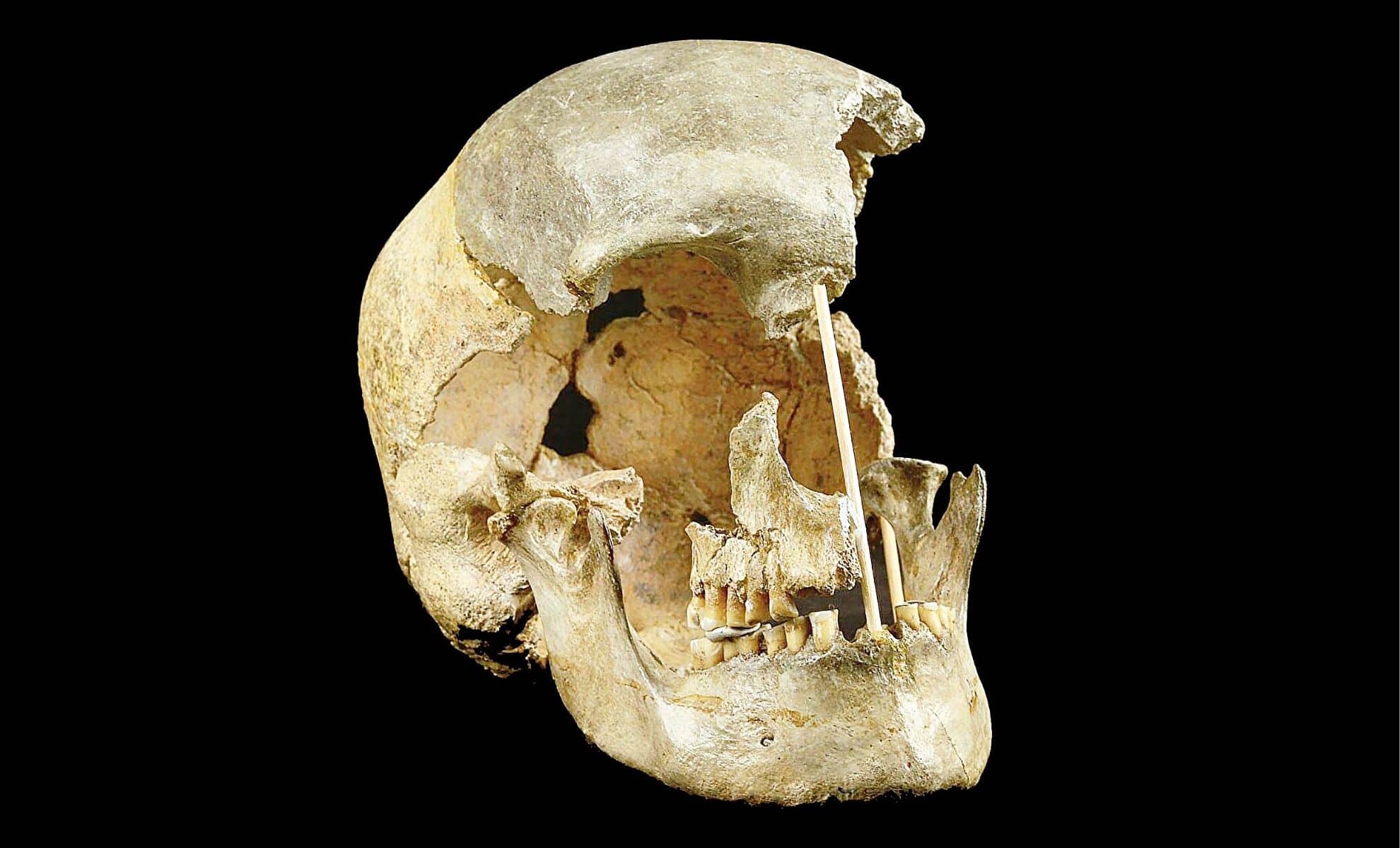
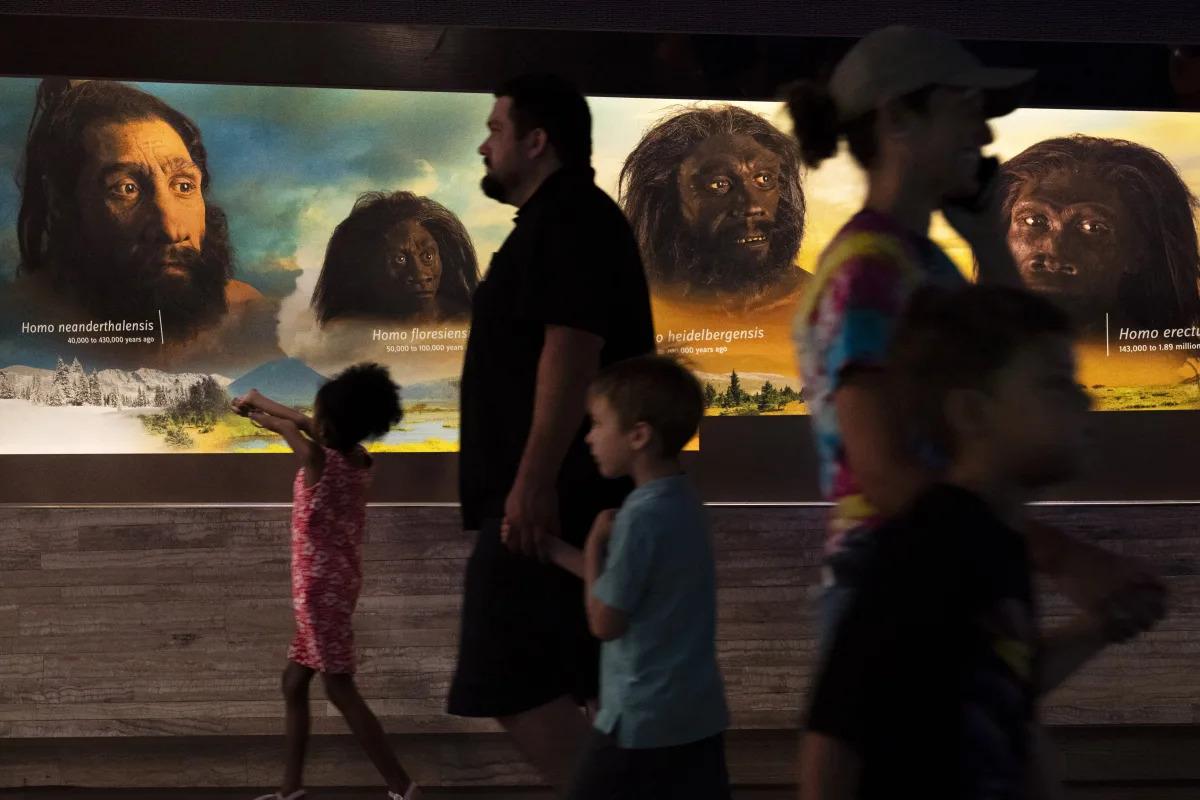
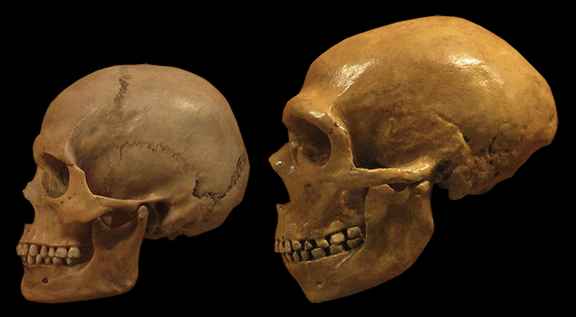
Scientists discovered ancient human remains in Germany and Czechia dating back around 45,000 years, revealing a previously unknown human lineage that coexisted with Neanderthals but left no descendants, offering new insights into early human migration and interactions in Ice Age Europe.
DNA from ancient humans, dating back up to 34,000 years ago, is shedding light on present-day medical conditions and disease risks. Research reveals that Northern Europeans have higher rates of multiple sclerosis due to a gene carried by their farmer ancestors, while other ancient genetic legacies impact traits such as height, lactose tolerance, and disease risks for conditions like bipolar disorder, Alzheimer's, and Type 2 diabetes. The study highlights the lasting impact of ancient lifestyles on the genetic legacy of present-day populations.
Ancient DNA analysis reveals that northern Europeans have a higher risk of multiple sclerosis due to a genetic legacy from horseback-riding cattle herders who migrated into the region 5,000 years ago. The gene variants carried by the Yamnaya people, known to increase the risk of multiple sclerosis, were widely spread and likely provided an advantage against infections. This finding helps explain the higher prevalence of multiple sclerosis in northern European descendants and sheds light on the disease's genetic origins.
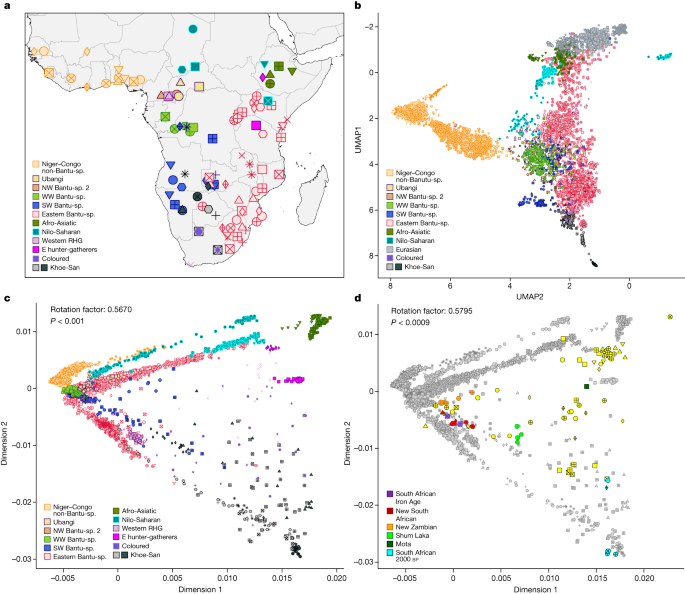
A comprehensive genomic study of Bantu-speaking populations (BSP) in sub-Saharan Africa reveals the genetic legacy of their expansion across the continent. The study confirms the demic nature of the BSP expansion and identifies complex patterns of genetic admixture with local populations. The research suggests that the expansion of BSP started from west-central Africa and followed primarily longitudinal routes, with the Congo rainforest playing a crucial role. The study also highlights the importance of Zambia and the western Democratic Republic of Congo as interaction zones between different linguistic subgroupings of BSP. The findings provide insights into the demographic history and genetic diversity of BSP, shedding light on the complex interplay between genetics, linguistics, and geography in African human history.
A new analysis of ancient genomes has shed light on the distribution of Neanderthal DNA in human populations. The study found that while most humans today carry a small percentage of Neanderthal DNA, East Asian populations have a slightly higher proportion compared to European populations. The researchers suggest that this discrepancy may be due to the intermixing of Neanderthal DNA during the Neolithic transition when farming began to replace hunting and gathering. The study highlights the importance of understanding our genetic legacy from archaic relatives and its potential medical relevance in modern humans.
Recent advancements in the study of ancient DNA have revealed that modern humans carry genetic legacies from our extinct cousins, Neanderthals and Denisovans. These genetic traits inherited from our ancient relatives have been found to impact various aspects of our health and biology, including fertility, immune systems, and even our response to diseases like COVID-19. Neanderthal DNA has been linked to autoimmune diseases and blood clotting, while Denisovan DNA has been associated with fat metabolism and adaptation to high altitudes. Scientists are uncovering more evidence of our genetic mingling with our ancient cousins, highlighting the profound connection between modern humans and our extinct relatives.
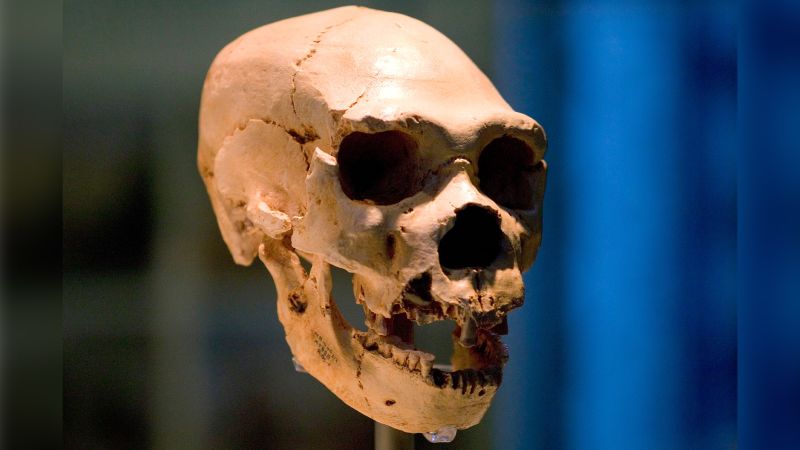
Recent advancements in the study of ancient DNA have revealed that modern humans carry genetic legacies from extinct cousins like Neanderthals and Denisovans. These ancient human relatives once lived alongside our early Homo sapiens ancestors and interbred with them, passing on genetic traits that still affect us today. Scientists have linked Neanderthal DNA to various human traits, including fertility, immune system function, and even the body's response to COVID-19. The genetic legacy from these extinct cousins can be both helpful and harmful, influencing traits such as disease susceptibility, blood clotting, and pain sensitivity. The research highlights the profound connection between modern humans and our ancient relatives, shedding light on our origins and genetic makeup.