Originally Published 7 months ago — by Hacker News
A study highlights that self-reported race and ethnicity in the U.S. often do not align with genetic ancestry, emphasizing the complexity of human genetic diversity and the limitations of race as a proxy for genetics. The discussion underscores that while race is a social construct, genetic differences within and between populations are significant, especially in Africa, which harbors the greatest human genetic diversity. The conversation advocates for moving beyond simplistic racial categories in medical research to better understand individual health and ancestry.
A large NIH study demonstrates that self-reported race is a poor proxy for genetic ancestry, emphasizing the need for direct genetic analysis in health research and challenging traditional racial categories in genetics studies.
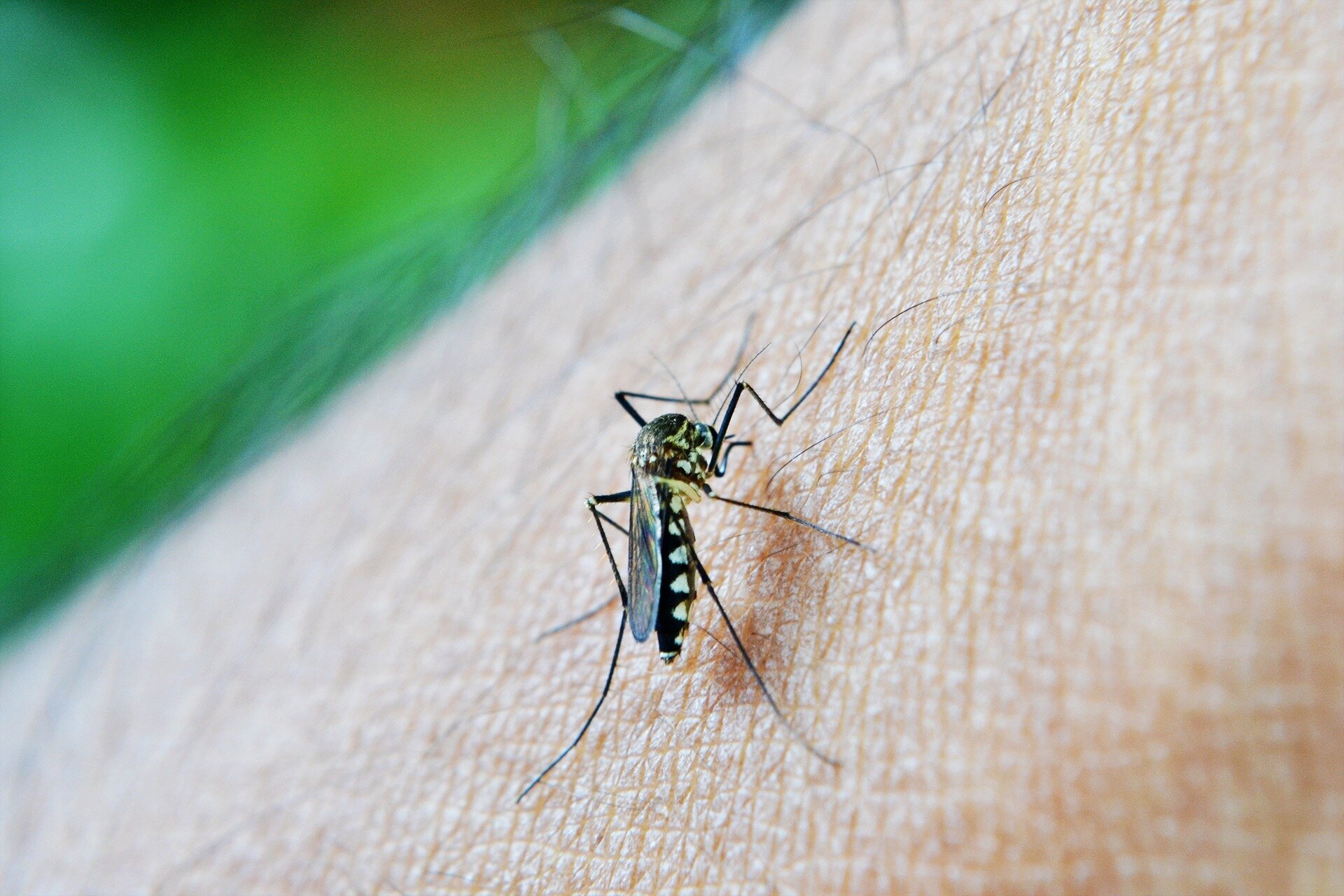
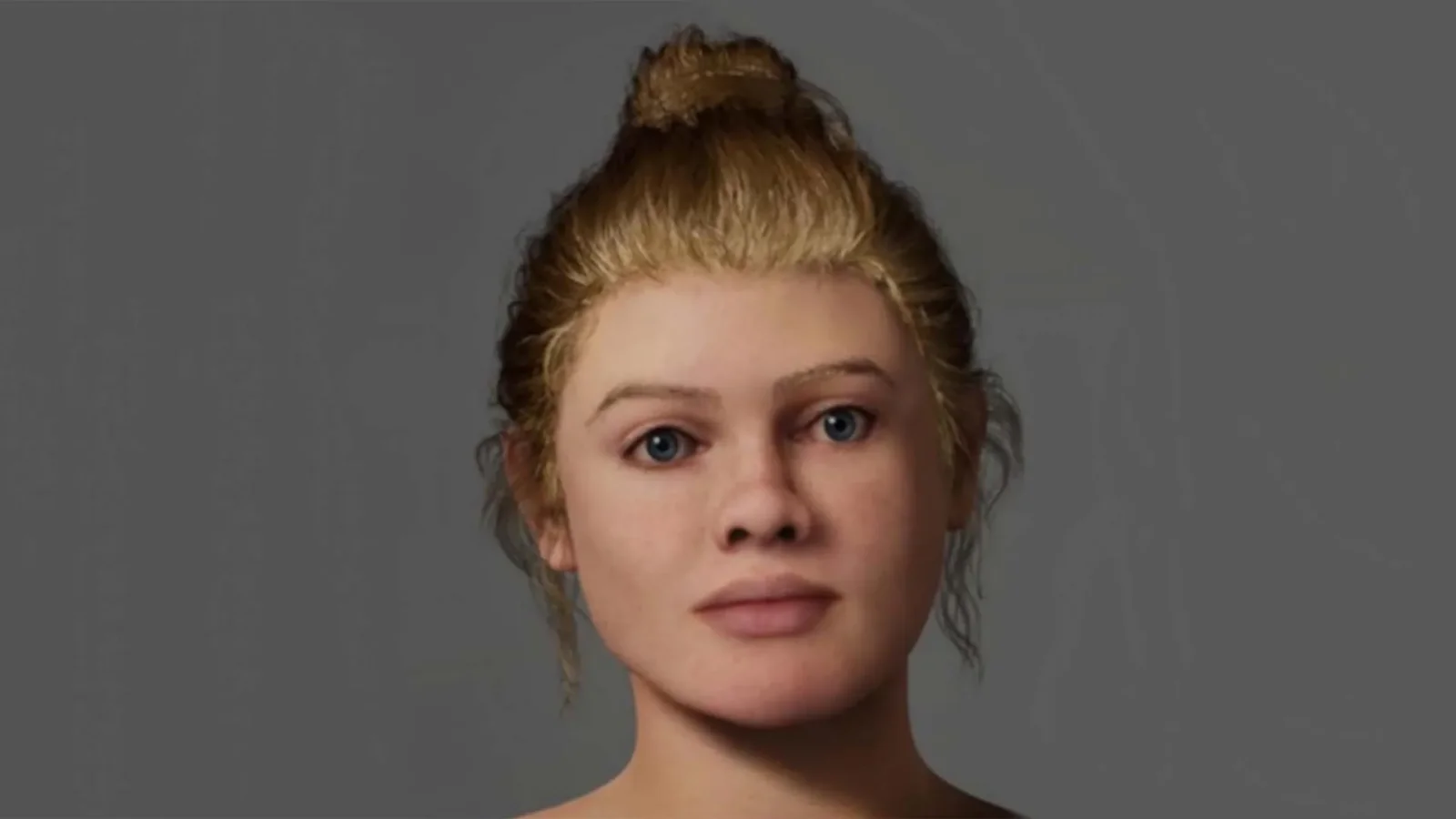
A new DNA study of ancient Eastern Arabians, specifically individuals from Tylos-period Bahrain, has revealed the presence of the malaria-protective G6PD Mediterranean mutation in their genetic makeup, suggesting an adaptation to malaria following the onset of agriculture in the region around five thousand years ago. The study, which provides unprecedented insights into human history and disease progression in the region, also sheds light on the genetic ancestry of the pre-Islamic inhabitants of Bahrain and their interactions with neighboring regions.