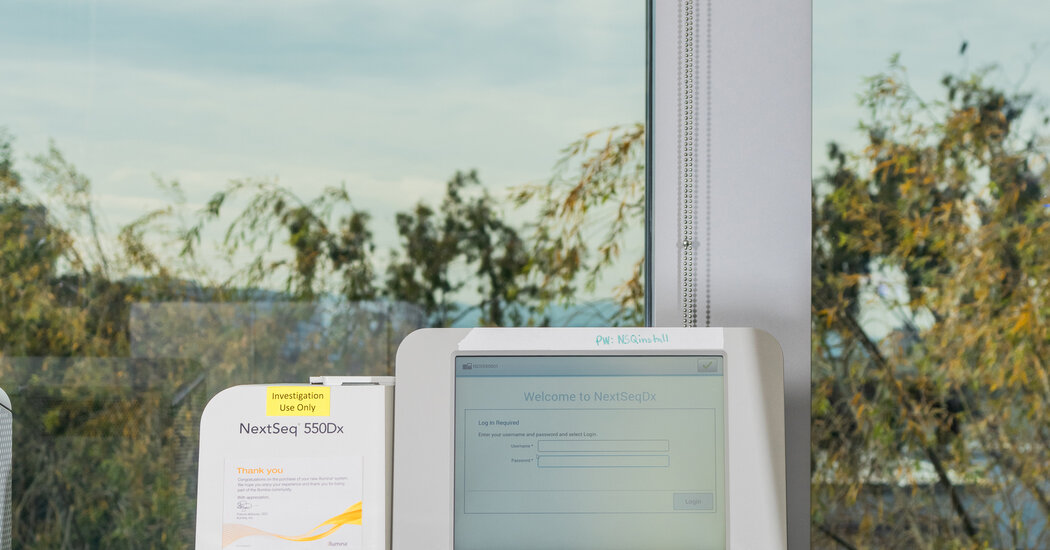
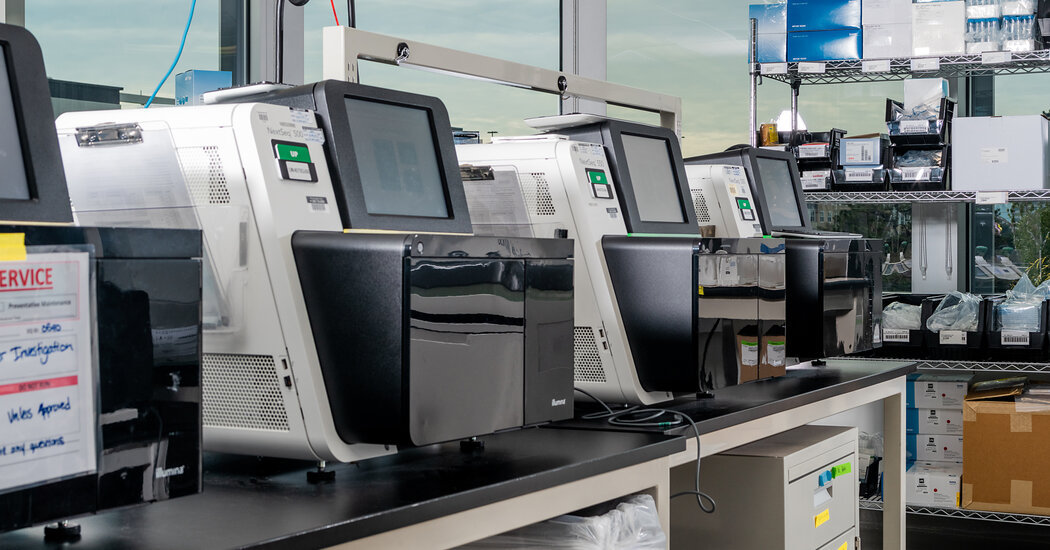
Gene-sequencing company Illumina has announced its decision to sell Grail, a cancer test developer that it acquired for $7.1 billion in 2021. This move comes after a federal appeals court largely upheld a Federal Trade Commission ruling that Illumina should unwind its deal with Grail on antitrust grounds. The sale of Grail will be executed through a third-party sale or a capital market transaction, with the goal of finalizing the deal by the end of the second quarter next year. This case is seen as a test of regulators' efforts to prevent big companies from acquiring fledgling innovators, and it may have implications for other tech giants and dominant companies in their respective fields.
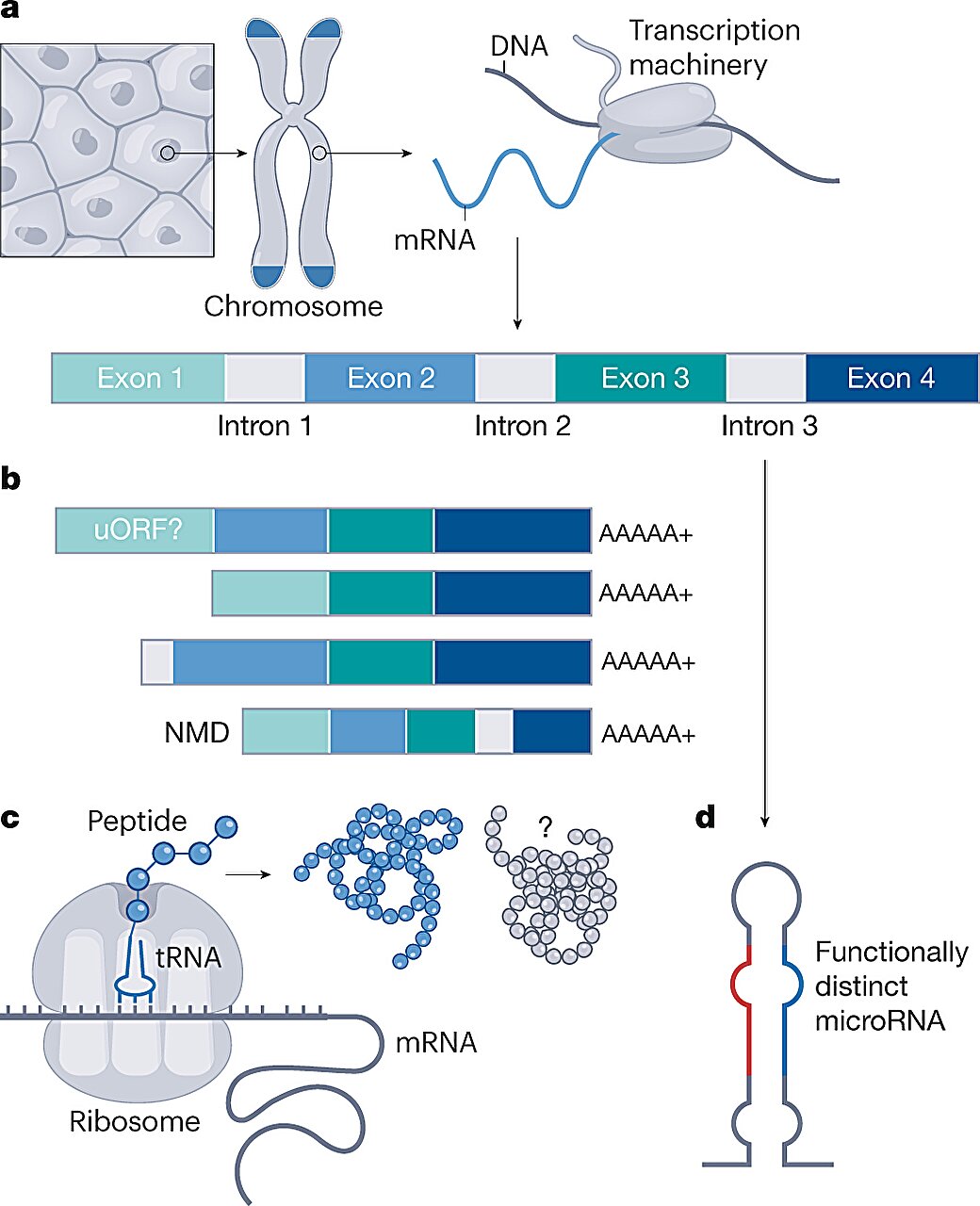
Scientists have successfully sequenced the entire human genome, identifying most of the nearly 20,000 protein-coding genes. However, the complexity lies in the fact that these genes can be cut and spliced to create approximately 100,000 proteins, and there is still disagreement among experts on what those proteins are. To complete the human gene catalog, scientists propose a comprehensive study of gene expression, including the variety of ways genes can be spliced, as well as a focus on cataloging non-coding RNA genes. They also emphasize the need to enhance databases of gene variations, improve clinical laboratory standards, and develop new technology for precise protein-gene matching.
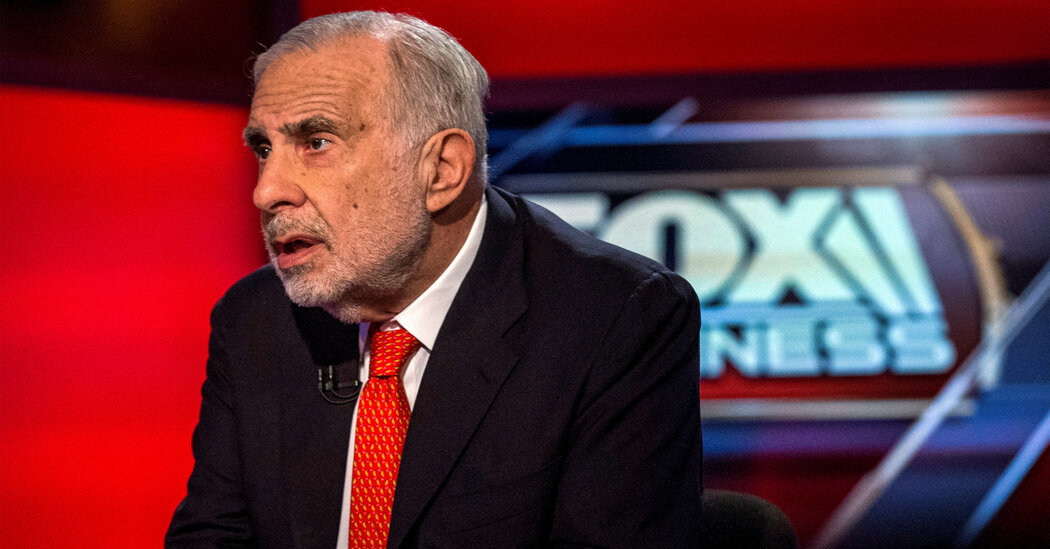
Shareholders of gene-sequencing company Illumina are set to vote on whether to back the company’s incumbent directors or candidates nominated by activist investor Carl Icahn. Icahn has criticized Illumina’s effort to close its takeover of cancer-detection company Grail, despite opposition from antitrust regulators. The contest is also a test of universal proxy, a new SEC rule that makes it easier for shareholders to vote for board candidates from different slates. Icahn could very well win a seat, with influential shareholder advisory firms backing his campaign. However, Icahn is also facing pressure from short seller Hindenburg Research, which has accused his publicly traded investment vehicle of being overvalued.
Activist investor Carl Icahn is expected to win enough shareholder support to install at least one of his three nominees to Illumina's board, with preliminary vote tallies showing that Icahn nominee Andrew Teno has won enough shareholder support to get on the board. Icahn, who owns 1.4% of Illumina, has accused the board of poor oversight, especially with regards to the company's $7.1 billion acquisition of cancer test maker Grail, which he blames for Illumina losing $50 billion in market value.
The Federal Trade Commission (FTC) has ordered Illumina, the leading maker of gene-sequencing machines, to divest Grail, a cancer-test developer, in a case seen as a test of regulators' efforts to prevent big companies from buying small innovators. The FTC's opinion also pointed to the danger that Illumina could use its position as the leading supplier of gene-sequencing services to undermine rivals to Grail by "raising their costs or withholding or degrading access to supply, service or new technologies." Illumina said it would appeal the ruling in federal appeals court.