Tag

Gamma Radiation

All articles tagged with #gamma radiation

science1 year ago

Gamma Radiation Sparks Life's Building Blocks from Simple Gases

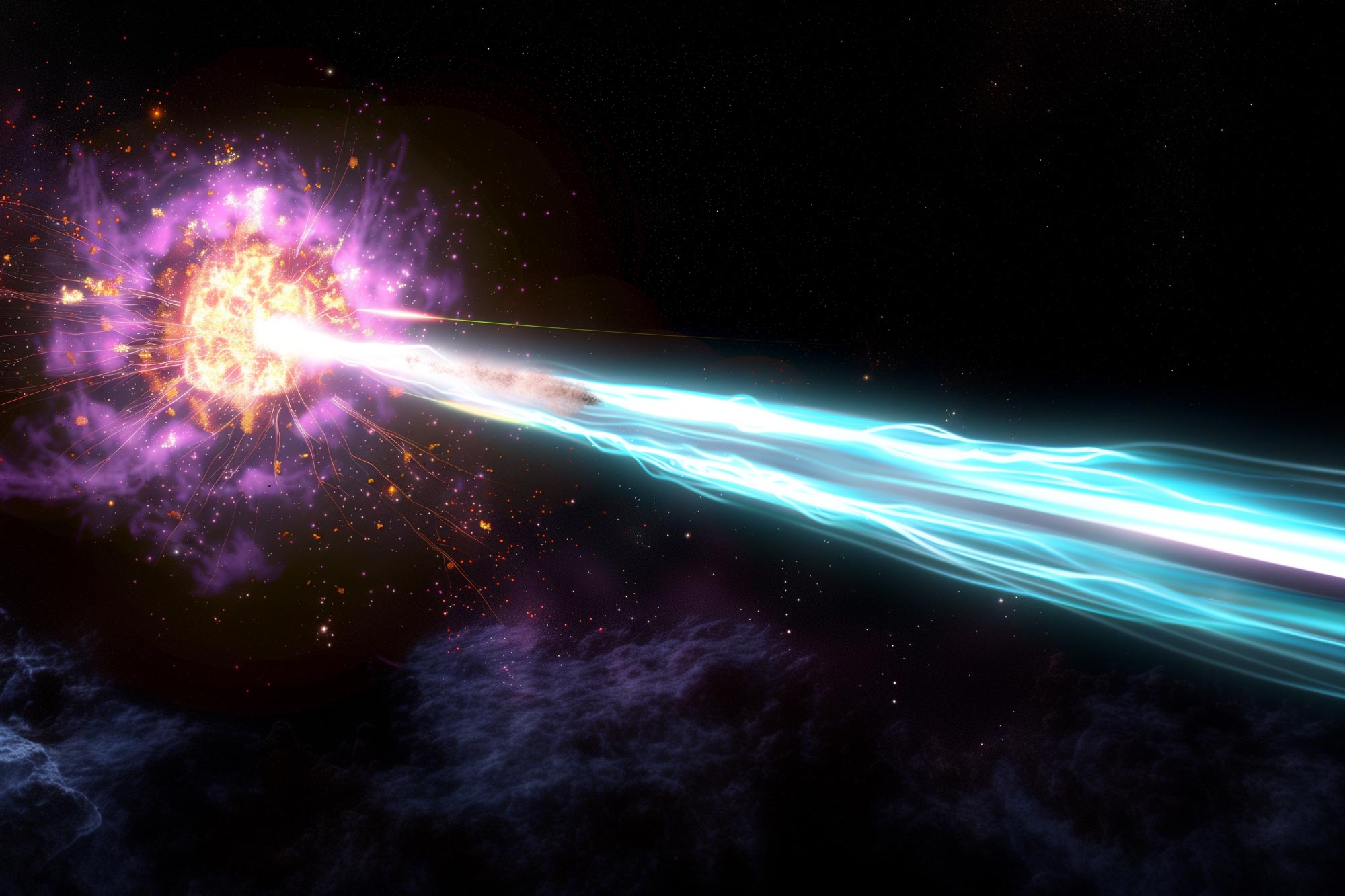
New research from the University of Science and Technology of China reveals that gamma radiation can transform methane into complex molecules, including amino acids like glycine, under mild conditions. This process, which occurs at room temperature, could provide insights into the formation of organic molecules in space and the origins of life. The study also suggests potential industrial applications for converting methane into valuable products using gamma radiation, a sustainable energy source. The findings highlight the role of interstellar dust and radicals in these chemical reactions.
astronomy1 year ago

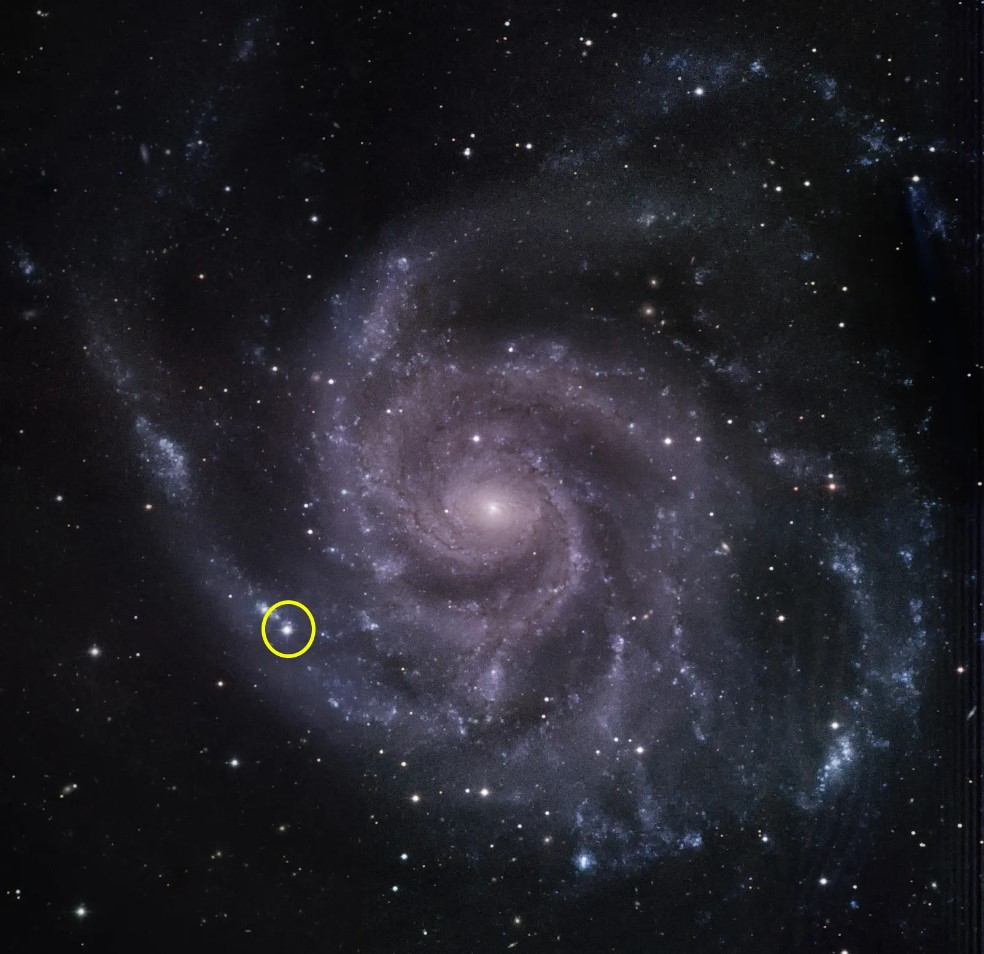
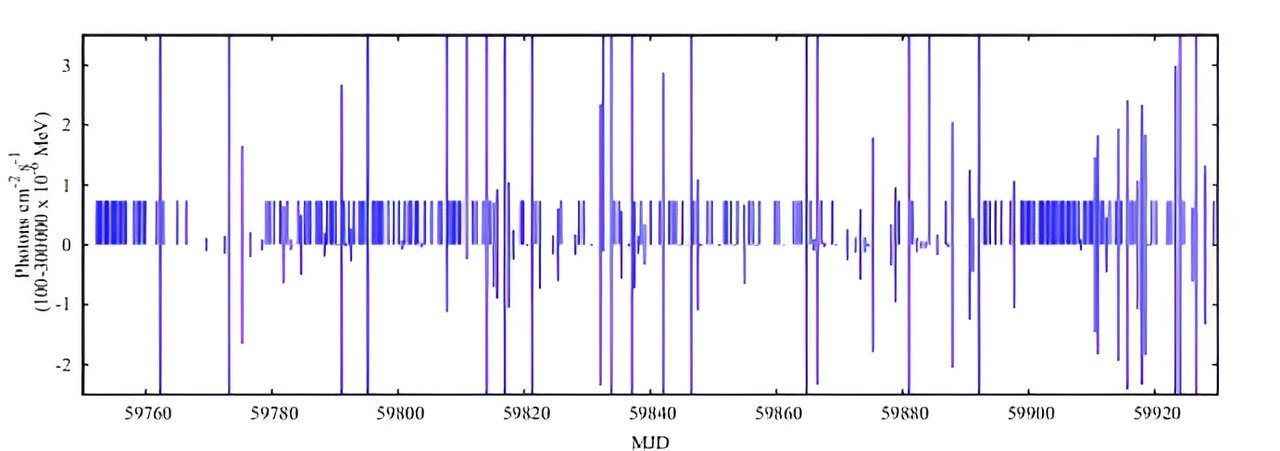
"Unprecedented Discovery: Nearby Supernova Defies Cosmic Ray Expectations"

Recent data from the Fermi Gamma-ray space telescope has cast doubt on the traditional theory that supernova explosions are the primary source of cosmic rays, as observed gamma rays from a nearby supernova were conspicuously absent. This challenges previous estimates of energy conversion into cosmic ray acceleration and suggests that there is more to learn about their production. Astronomers are now searching for alternative explanations and plan to study the supernova in other wavelengths to improve their models and understand the mystery of cosmic rays.

astronomy2 years ago

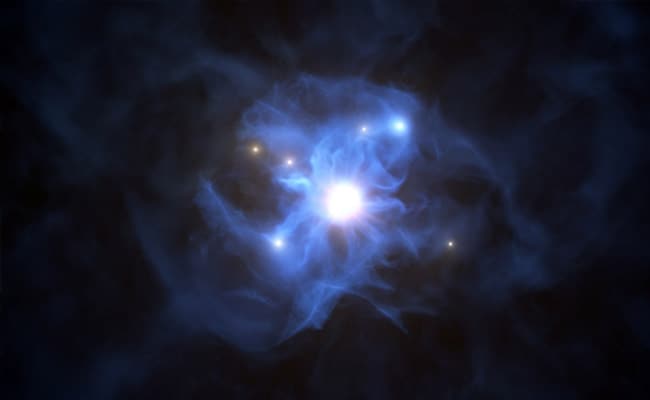
"Unveiling Gamma Radiation Pulses: Insights from Fermi Gamma-ray Space Telescope's Data on Sagittarius A*"

Astrophysicists studying data from the Fermi Gamma-ray Space Telescope have discovered regular gamma radiation pulses emanating from Sagittarius A*, the supermassive black hole at the center of the Milky Way galaxy. The researchers found that every 76.32 minutes, a pulse of gamma radiation is emitted from something close to Sagittarius A*, likely a blob of gas orbiting the black hole. The periodicity of these pulses is connected to X-ray flares also observed near Sagittarius A*.

astronomy2 years ago

"Pulsating Supermassive Black Hole: Unveiling the 76-Minute Mystery at Our Galaxy's Core"

Scientists have discovered that the supermassive black hole Sagittarius A* at the center of our galaxy is pulsing every 76 minutes, emitting gamma radiation in a periodic pattern. This pulsing is similar to changes observed in the black hole's radio and X-ray emissions, suggesting the presence of an object orbiting the black hole. The object is likely a blob of hot gas bound together by a strong magnetic field, generating light at multiple wavelengths. The findings support the interpretation that the gas blob is orbiting the black hole and emitting radiation.

astronomy2 years ago

Impending Doom: Neutron Star Collisions Threaten Life on Earth

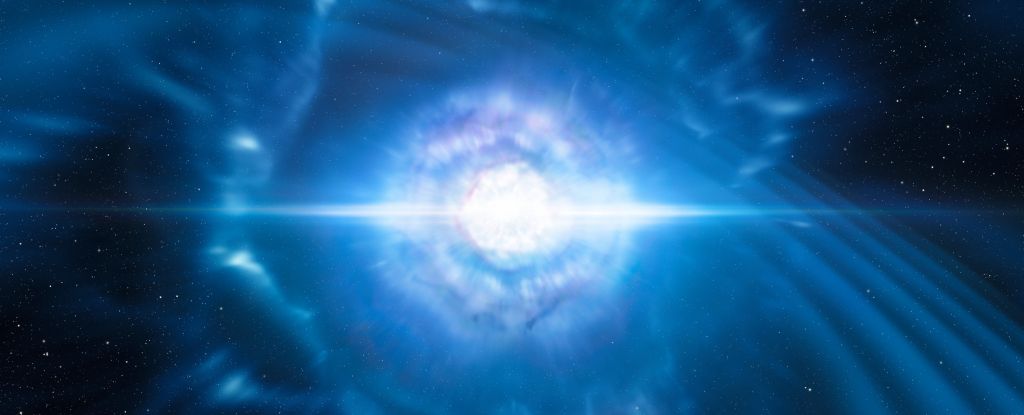
A collision between two neutron stars, resulting in a kilonova explosion, could pose a threat to life on Earth if it occurs within a certain proximity. The biggest danger comes from cosmic rays, with a fatal proximity of 300 light-years if in the path of the kilonova's gamma-ray burst. However, the likelihood of such an event occurring nearby is low. Understanding these star-shattering events helps assess threats to our existence and the survival of life on other planets.

science-and-astronomy2 years ago

Young Celebrities Caught Emitting Powerful Gamma Rays in Tantrum-Throwing Episode

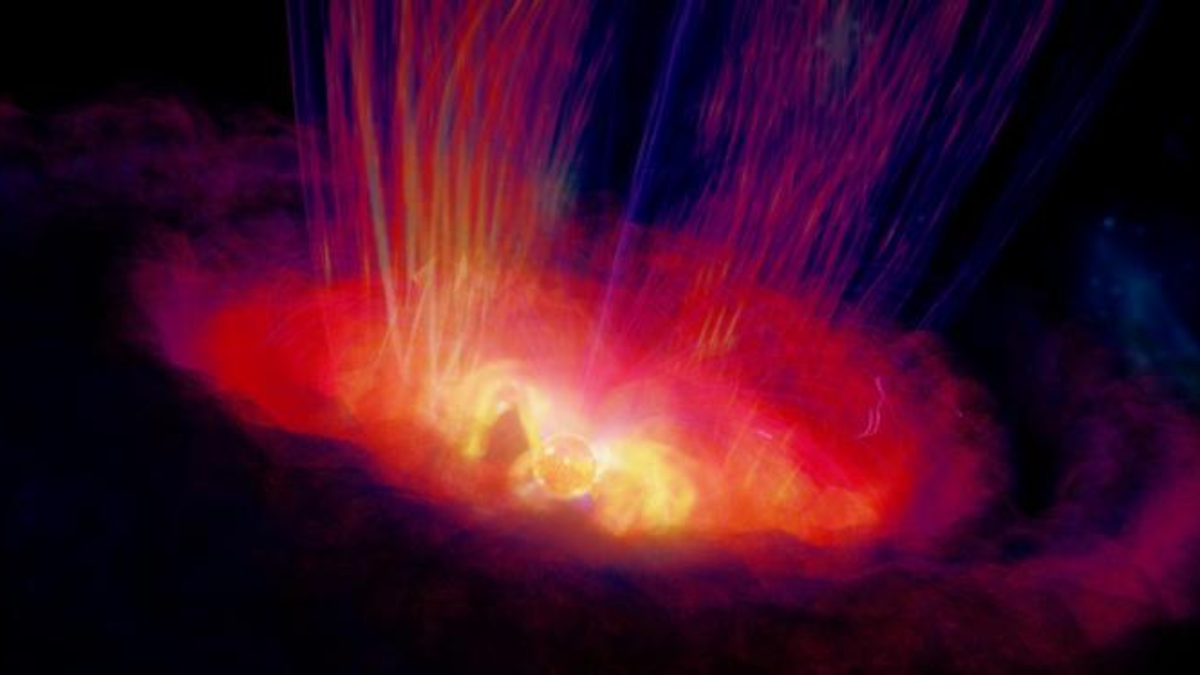
Astronomers have observed a young, low-mass T.Tauri star emitting high-energy gamma radiation for the first time, providing evidence that this type of star can emit gamma rays. This discovery has important implications for understanding the early phases of star and planet formation. The observations were made using the Fermi satellite telescope, which has been collecting gamma ray data since 2008. The researchers identified three unidentified gamma-ray sources coming from a star-forming region, suggesting that T.Tauri stars may emit gamma rays during powerful flare events called "megaflares." This finding could help explain previously unattributed gamma-ray detections and shed light on the formation and evolution of our own solar system.