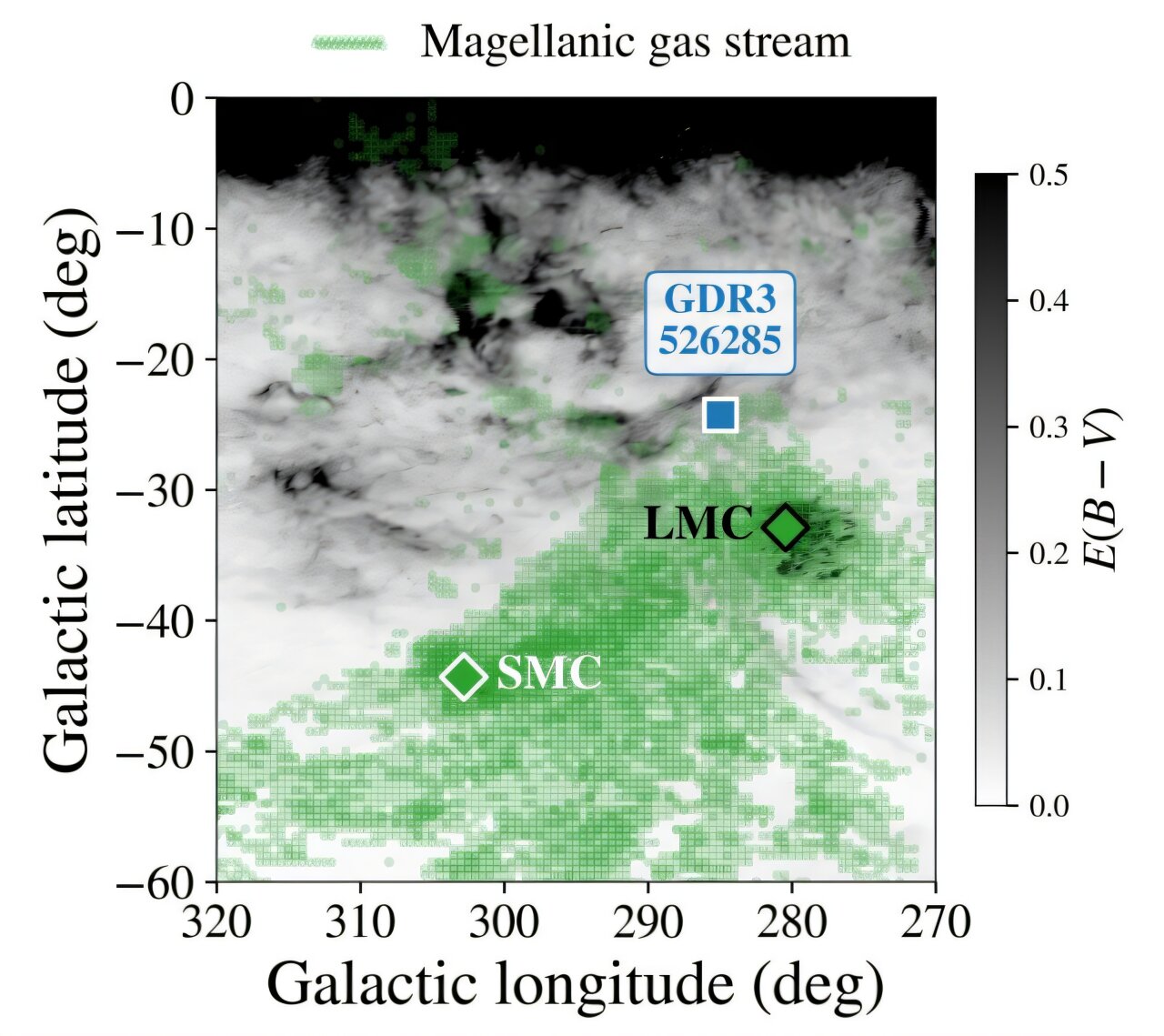
Astronomers using Gaia data have discovered GDR3_526285, an ultra-metal-poor star in the Milky Way's halo with one of the lowest iron abundances ever measured, providing insights into early universe conditions and possibly linked to the Magellanic Clouds.
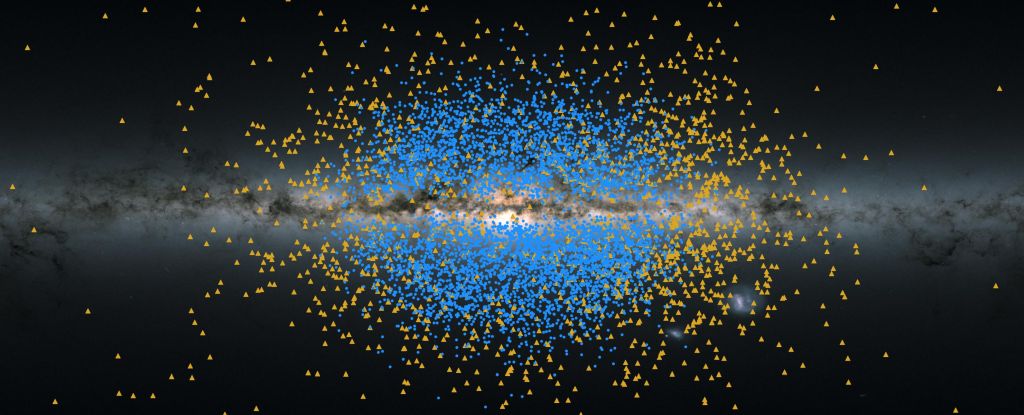
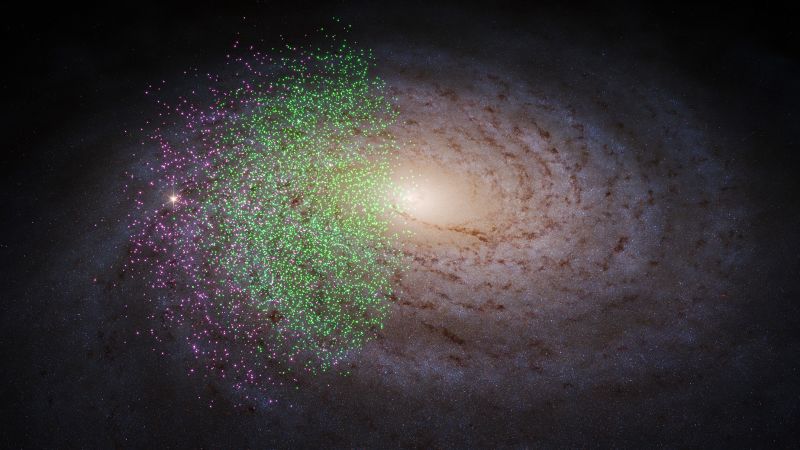
Two ancient streams of stars, named Shiva and Shakti, have been discovered near the center of the Milky Way, dating back to nearly 13 billion years ago. Identified using data from the Gaia telescope, these streams provide insight into the galaxy's early formation and growth, shedding light on its infancy and evolution. The discovery highlights the valuable role of galactic archaeology in understanding the history of the Milky Way and the significance of precise data collection in uncovering surprise elements of our cosmic history.
Astronomers using the Gaia space telescope have discovered two ancient streams of stars, named Shakti and Shiva, which are remnants of galaxies that merged with an early version of the Milky Way over 12 billion years ago. These streams provide insights into the galaxy's earliest days and its evolution, shedding light on how the Milky Way grew in size by merging with other galaxies. The unprecedented data from Gaia has enabled the detection of these ancient structures, contributing to a fuller understanding of the Milky Way's cosmic history.
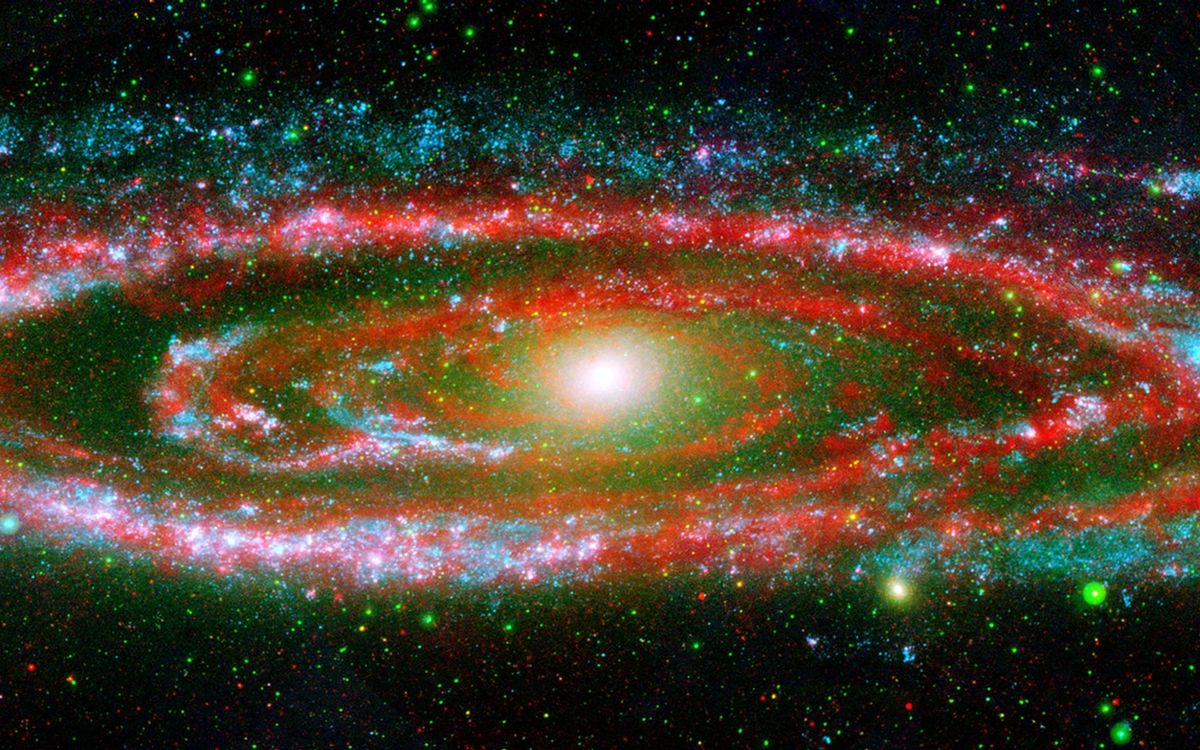
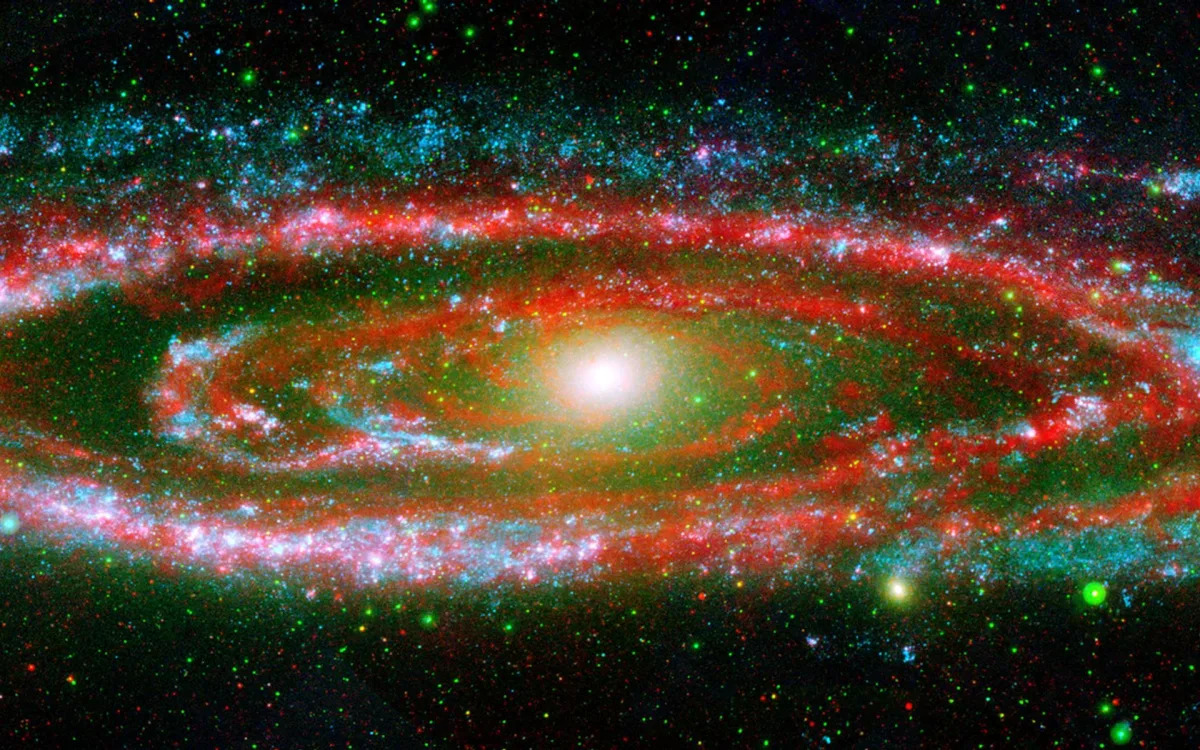
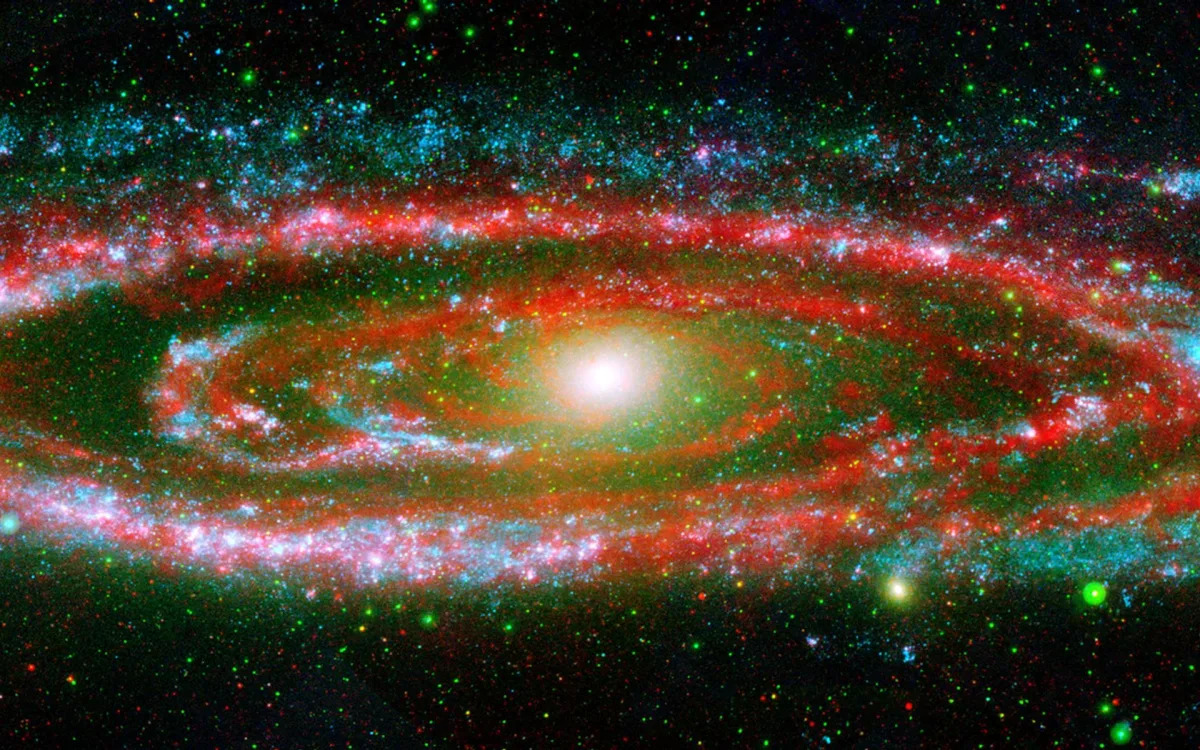
A galactic archaeology project has revealed that the Andromeda galaxy, the closest large galaxy to the Milky Way, has a violent and dramatic history. By examining the chemical compositions of stars in Andromeda, researchers concluded that it experienced intense star formation and two distinct eras of star birth. The galaxy's turbulent past includes a "wet merger" with another gas-rich galaxy. This new understanding sheds light on the nature of the collision and its effect on Andromeda's stellar population. Furthermore, the study suggests that Andromeda's future will be equally turbulent, as it is on a collision course with the Milky Way in around 4.5 billion years.
A galactic archaeology project has revealed that Andromeda, the neighboring galaxy of the Milky Way, has a violent and dramatic history. By examining the chemical compositions of stars in Andromeda, astrophysicists have determined that it experienced intense star formation and two distinct eras of star birth. The researchers believe that Andromeda's creation was more turbulent than the origins of the Milky Way, with a secondary period of star formation triggered by a collision and merger with another gas-rich galaxy. This collision also affected Andromeda's stellar population. Furthermore, the study confirms that the Milky Way and Andromeda are on a collision course, set to collide in around 4.5 billion years, resulting in a severe makeover for both galaxies.
A galactic archaeology project has revealed that Andromeda, the neighboring galaxy of the Milky Way, has a violent and dramatic history. By examining the chemical compositions of stars in Andromeda, astrophysicists have determined that it experienced intense star formation and two distinct eras of star birth. The researchers believe that Andromeda's creation was more turbulent than the origins of the Milky Way, with a secondary period of star formation triggered by a collision and merger with another gas-rich galaxy. This collision is part of Andromeda's history of clashes with other galaxies, and its future involves a collision with the Milky Way in around 4.5 billion years. The findings shed light on the nature of Andromeda's past and its potential impact on the stellar population of both galaxies.
Researchers have used galactic archaeology to uncover the dramatic history of the Andromeda galaxy, our nearest neighboring galaxy. By analyzing the chemical composition of stars, scientists have determined that Andromeda's formation was more intense and forceful than that of our Milky Way. The galaxy experienced an initial burst of star formation followed by a secondary layer of stars triggered by a "wet merger" between two gas-rich galaxies. The study also reveals two distinct eras of star formation in Andromeda and confirms theoretical models through spectroscopic observations.