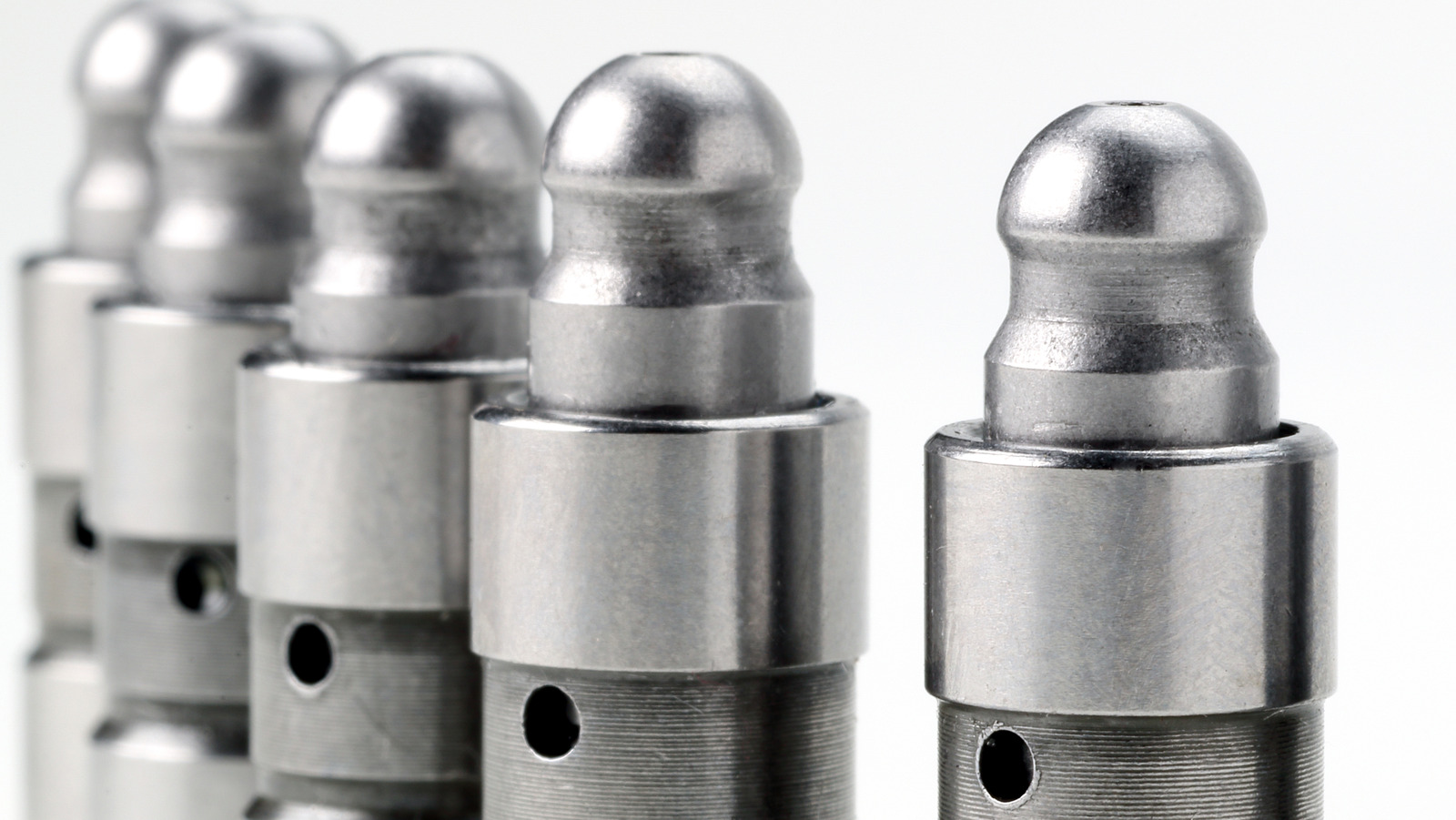
The article explains why modern cars have shifted from solid to hydraulic lifters, highlighting the benefits of hydraulic lifters such as reduced maintenance and quieter operation, while acknowledging the high-performance advantages of solid lifters for specific applications like racing.
The chrome tubes on semi trucks are housing for large air filters, which are essential for engine performance by trapping dirt and debris from the air intake, ensuring clean air reaches the engine for optimal combustion. Regular maintenance of these filters is crucial to prevent engine damage and maintain efficiency.
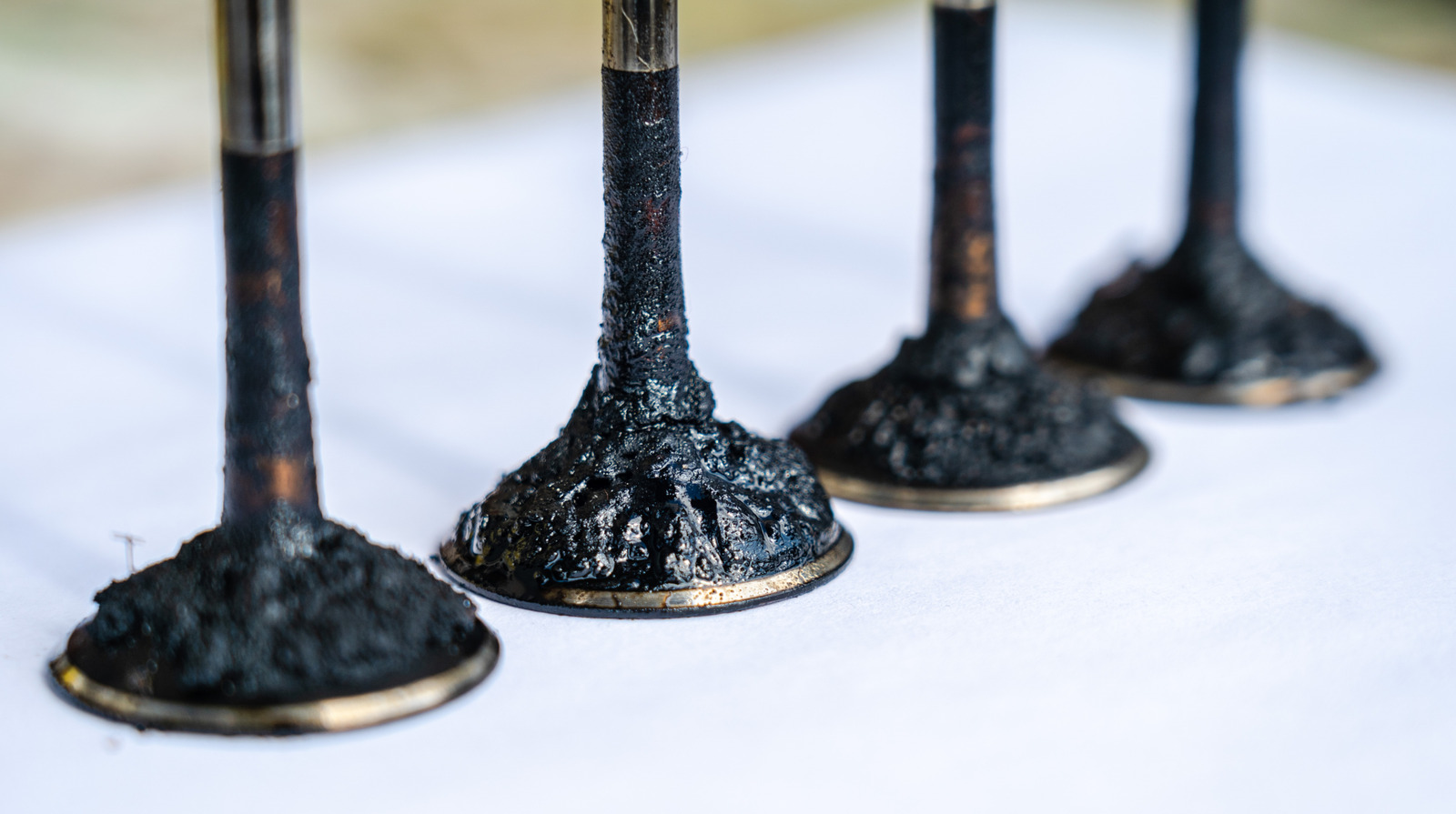
As direct injection engines become more common, they face the issue of carbon buildup on intake valves due to incomplete combustion, especially in short trips and with certain fuel types. While port injection can help clean valves naturally, direct injection engines lack this feature, leading to potential maintenance challenges. Drivers can mitigate buildup by using oil catch cans, avoiding short trips, running the engine at higher revs, and using fuel additives. Some automakers employ combined injection systems to balance power and cleanliness.
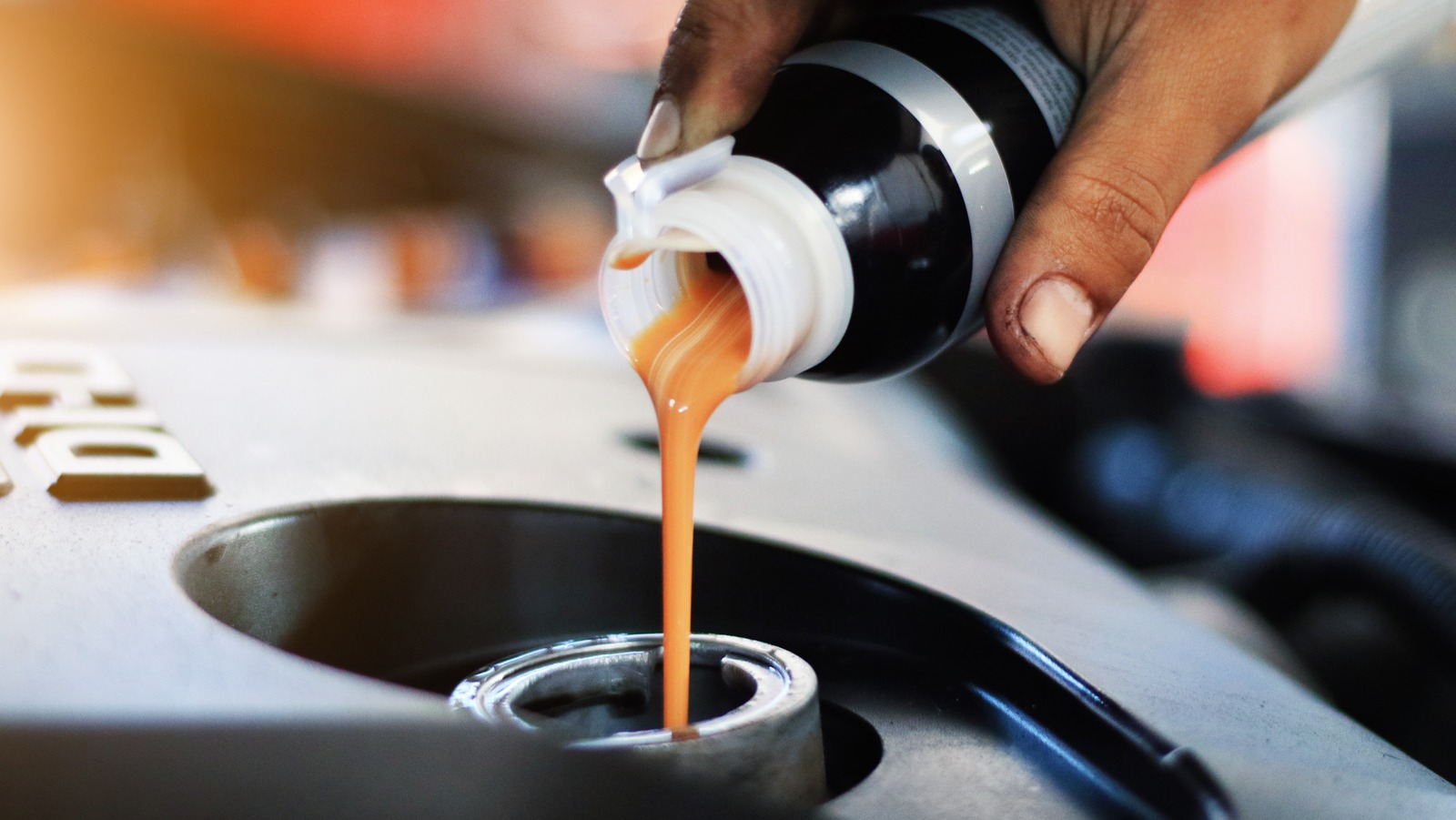
Engine oil additives like Seafoam and Lucas can offer benefits in specific situations, such as cleaning neglected engines or extending oil life in high-mileage vehicles, but for most modern cars with high-quality synthetic oil, they are generally unnecessary and may even disrupt the oil's chemistry. Regular maintenance and using the right oil are more effective than relying on additives.
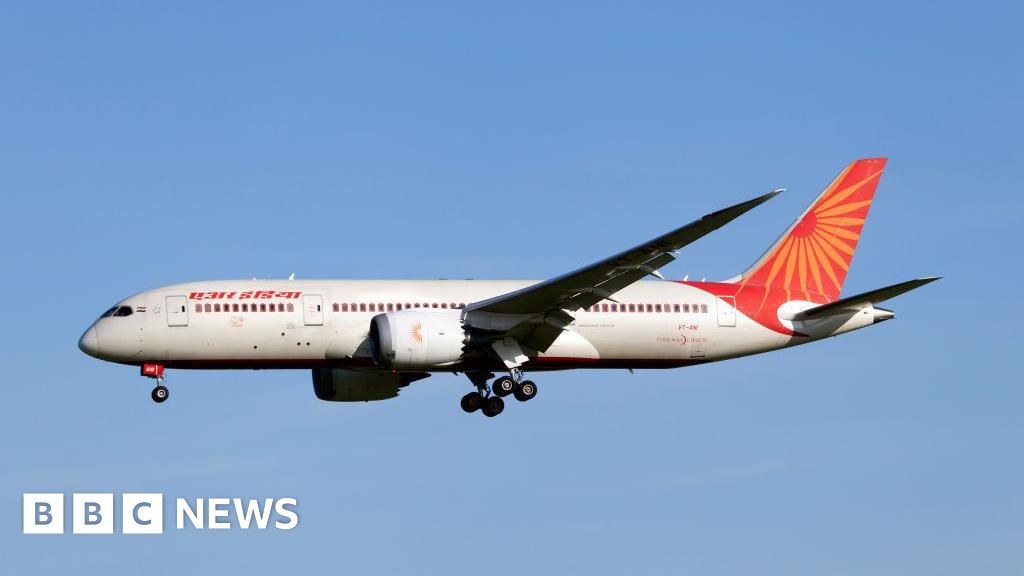
An Air India Boeing 787 Dreamliner crashed shortly after takeoff, killing at least 270 people. The airline's chairman revealed one engine was new and the other was due for servicing, but both had clean histories. Investigations are ongoing to determine the cause, with safety checks and fleet inspections underway. The crash impacts Air India's operations and its ongoing transformation from a state-owned to a private airline.
The NTSB investigation revealed that improper maintenance, including a fuel leak and incorrectly installed parts, caused a fire in the engine of an American Airlines Boeing 737-800 that diverted to Denver, with no fatalities but minor injuries and ongoing safety concerns.
Engine performance can be affected by various factors such as bleed air extraction, engine contamination, and exposure to harsh environments. Bleed air extraction for air conditioning and anti-ice can result in higher exhaust gas temperatures (EGT) and reduced thrust. Engine contamination from elements like ice, volcanic ash, sand, and dust can lead to erosion, reduced efficiency, and damage to turbine components. Chemical attack from sulfidation and corrosion can occur near salt water or high pollution areas. Engine manufacturers recommend proactive measures such as inlet barrier filters, engine washes, and inspections to mitigate these issues. Avoiding airborne contaminants and maintaining engine cleanliness are crucial for optimal engine performance and fuel consumption.