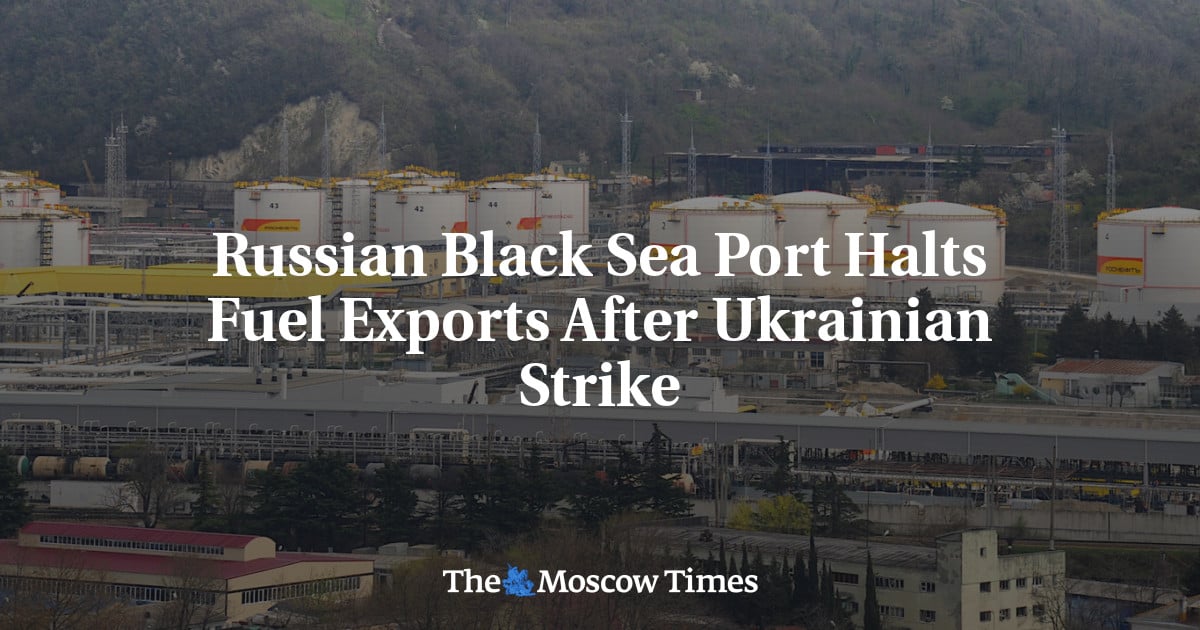
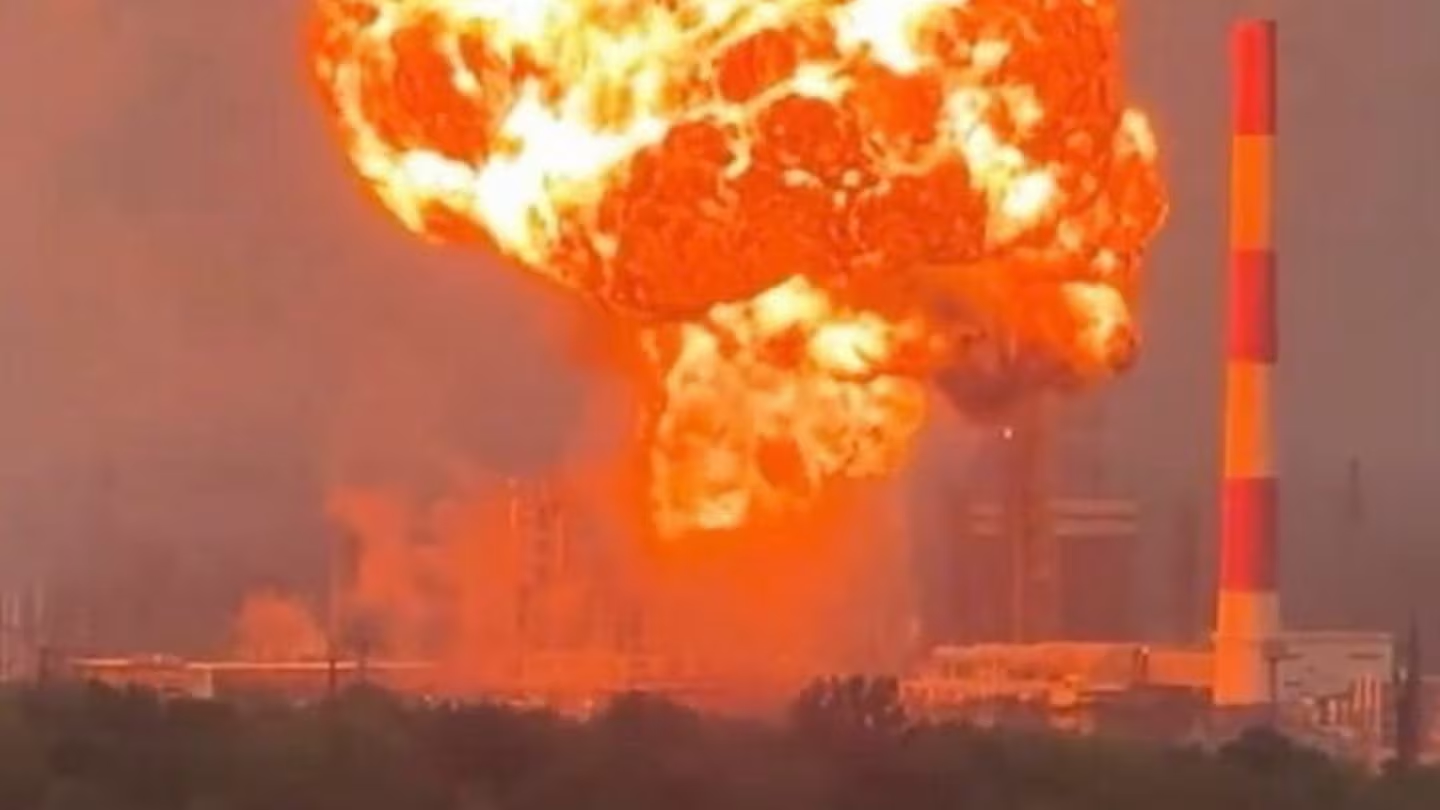
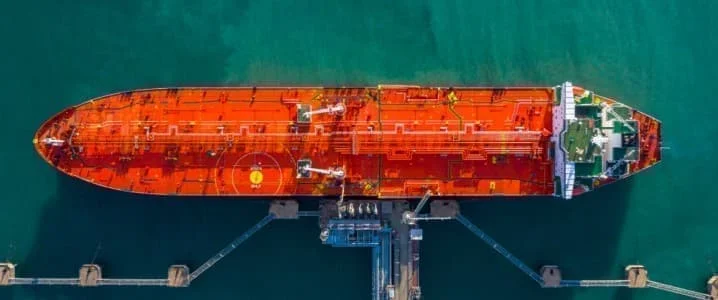
Fuel exports from Russia's Tuapse port and its refinery have been halted following a Ukrainian drone attack that damaged infrastructure, impacting Russia's shipping and fuel supply, with long-term consequences predicted for the industry.
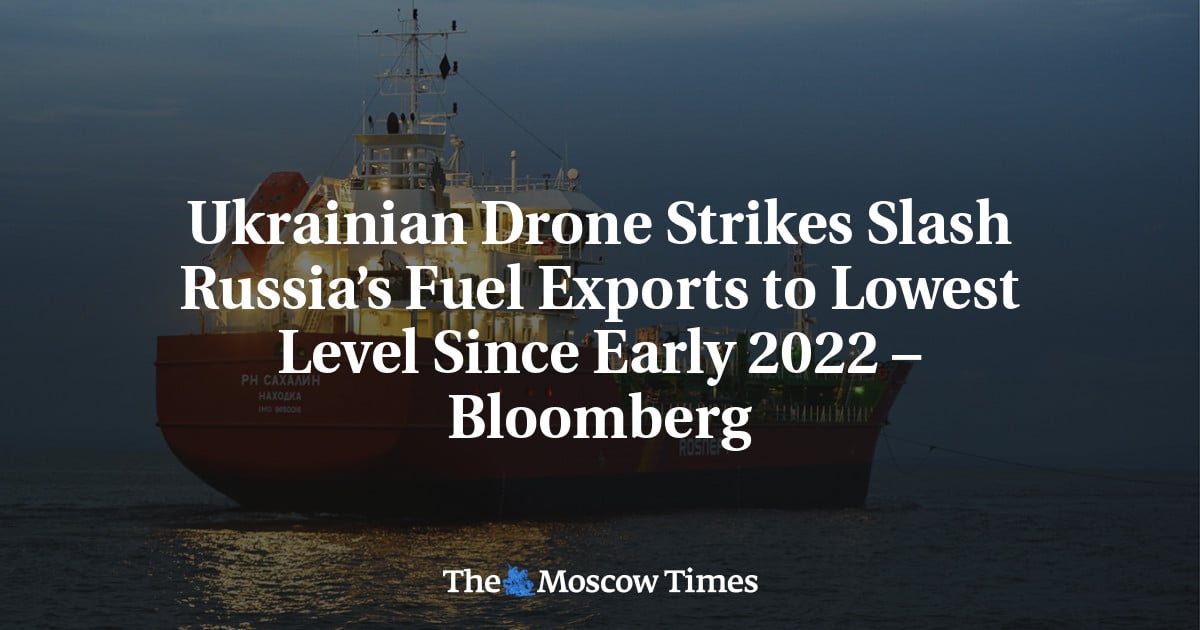
Ukrainian drone attacks on Russia's energy infrastructure have significantly reduced Russia's fuel exports to their lowest levels since early 2022, with refinery output and key exports like naphtha declining due to strikes and maintenance, and ongoing threats potentially prolonging the impact into 2026.
Russian fuel exports have declined as Ukraine increases its strikes on oil refineries, impacting energy supplies and highlighting ongoing tensions in the region.
Ukraine has targeted a Russian oil depot in the Kursk region, causing an explosion and prompting the Kremlin to ban fuel exports for six months in response to the strikes on oil and gas facilities. The British Ministry of Defence suggested that Russia's refining capacity had been temporarily reduced by multiple drone strikes. Russian fuel prices have risen by around 10% this year, with shortages linked to attacks on infrastructure and the impact of Western sanctions.
Ukraine has targeted a Russian oil depot in the Kursk region, leading to an explosion and subsequent ban on fuel exports by the Kremlin for six months. The British Ministry of Defence suggested that Russia's refining capacity had been temporarily reduced due to multiple drone strikes on refineries across the country. This comes amid rising fuel prices in Russia, which have been attributed to market fluctuations, infrastructure attacks, and the impact of Western sanctions.
Russia has lifted the temporary ban on low-quality diesel and marine fuel exports, which was implemented to stabilize fuel prices in the domestic market. The ban on all types of gasoline and higher-quality diesel remains in place. The government exempted fuel already accepted for export before the ban came into effect. Analysts believe the ban may not last long, as Russia may not want to close refineries' fuel processing capacities due to export restrictions. The lifting of the ban could alleviate tightness in the global diesel market.
Crude oil prices are expected to decline this week due to profit-taking and renewed economic concerns sparked by the Fed's comments. Russia's ban on fuel exports added upward pressure to prices, but potential economic challenges in the West and the possibility of a hike in interest rates dampened demand for fuel. The U.S. dollar reaching new heights also made oil more expensive for non-dollar users.
Russia has banned the export of gasoline and diesel in order to stabilize fuel prices in the domestic market and ensure sufficient supply for its military operations in Ukraine. The ban, which does not affect close ally Belarus, could indirectly impact global fuel prices. Energy exports are a significant source of revenue for Russia, and the country's decision to halt exports is unusual given its vast oil and gas reserves. The ban has already led to a drop in wholesale gasoline and diesel prices in Russia.
Russia has implemented a temporary ban on the export of gasoline and diesel to countries outside of the Eurasian Economic Union, consisting of Belarus, Kazakhstan, Armenia, and Kyrgyzstan, in an effort to stabilize the domestic fuel market and reduce prices for consumers. The ban aims to prevent unauthorized "grey" exports and comes as Russia faces shortages of fuel due to factors such as refinery maintenance, railway bottlenecks, and the weak ruble. The government has also increased mandatory supply volumes and established daily monitoring of fuel purchases for agricultural needs.