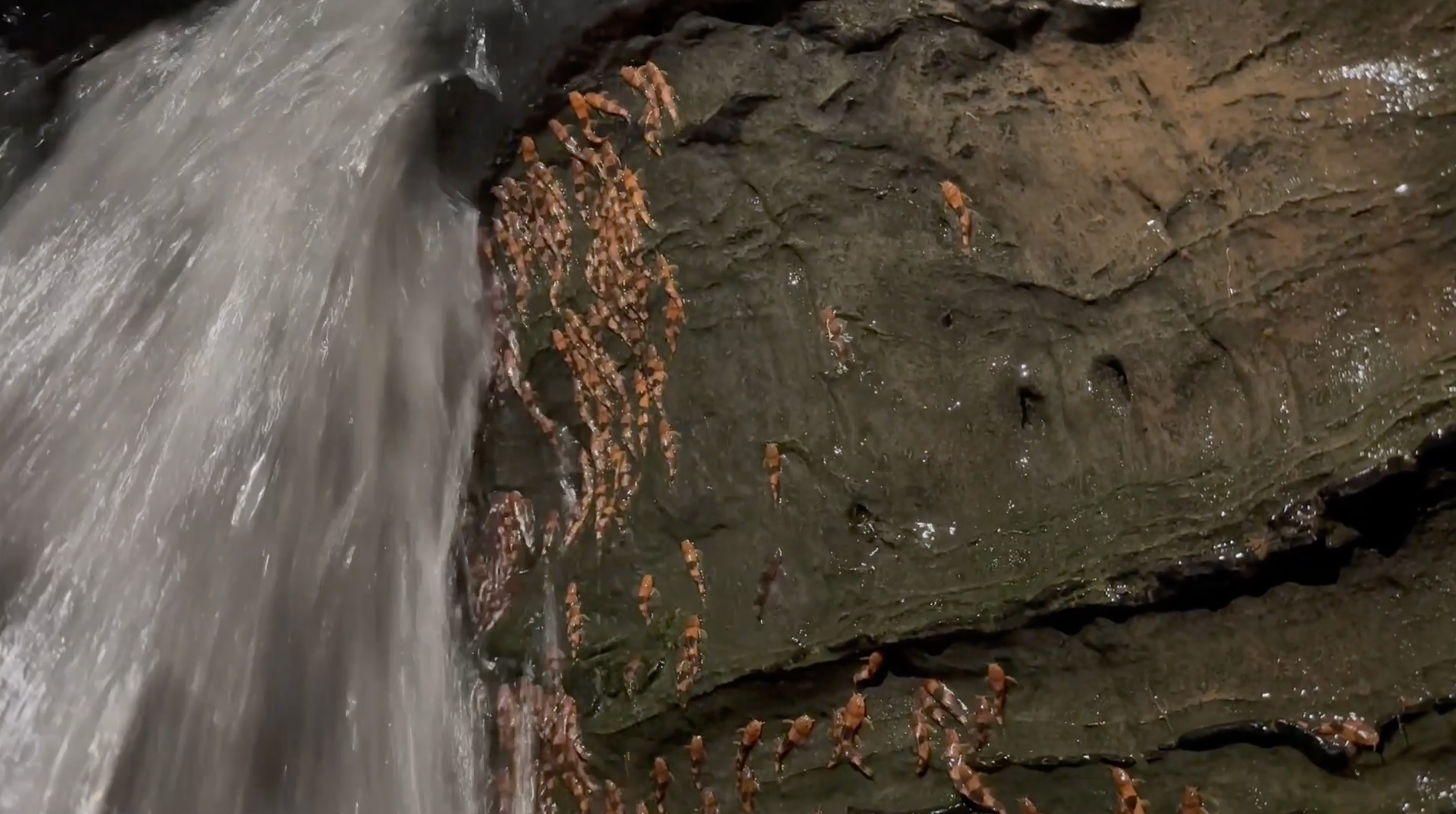
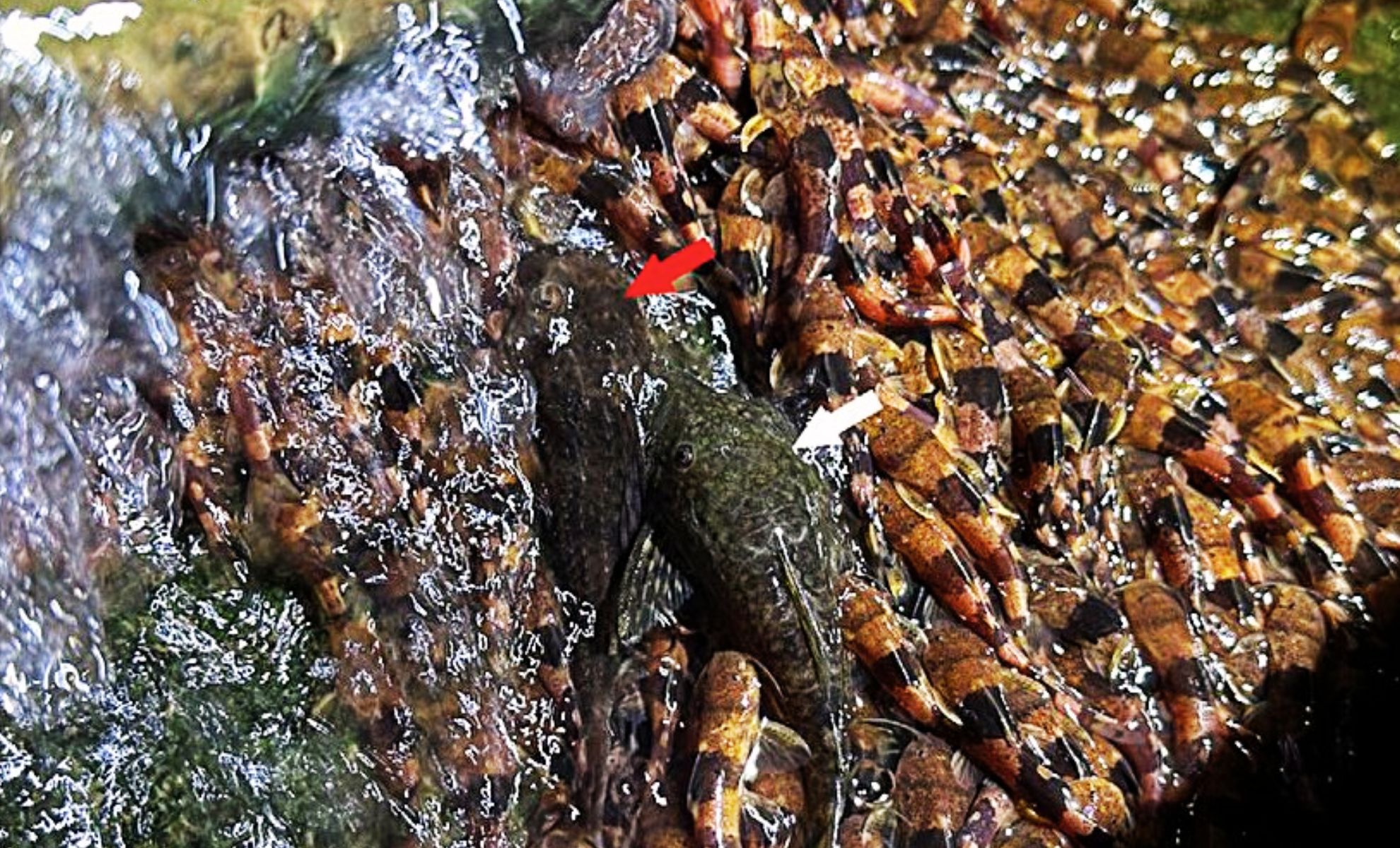
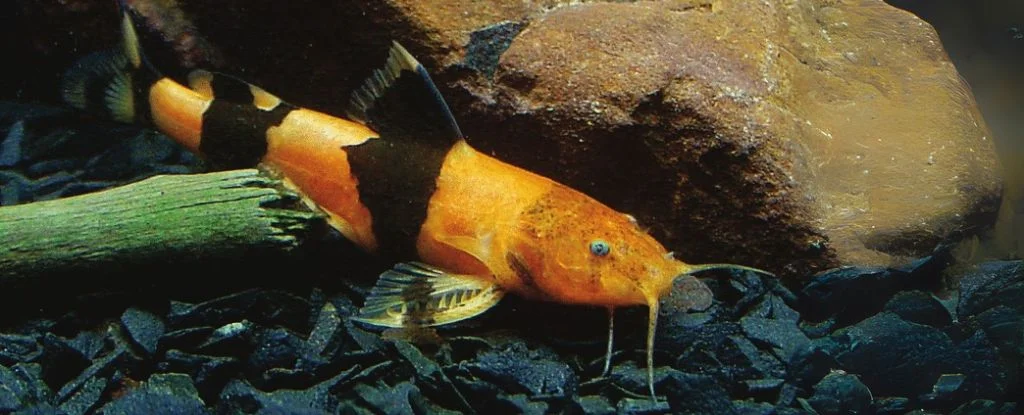
Researchers observed an unprecedented mass migration of rare bumblebee catfish in Brazil, where thousands climbed waterfalls at night, raising questions about their migratory patterns and conservation needs amid environmental changes.
Scientists in Brazil captured the first footage of tiny bumblebee catfish climbing waterfalls in a coordinated effort, likely linked to reproductive migration triggered by seasonal water level changes, highlighting the importance of preserving natural river habitats for understudied species.
Thousands of tiny bumblebee catfish in Brazil were observed climbing waterfalls, likely migrating upstream to breed, using their fins and possibly a suction mechanism, highlighting their remarkable adaptability and raising conservation concerns.
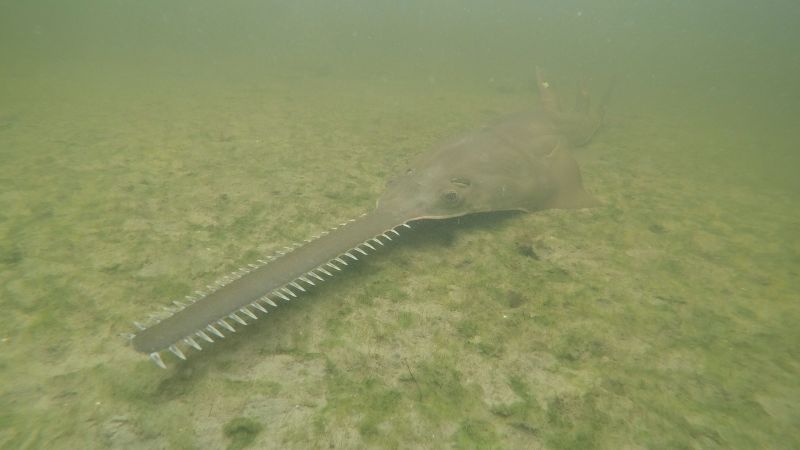
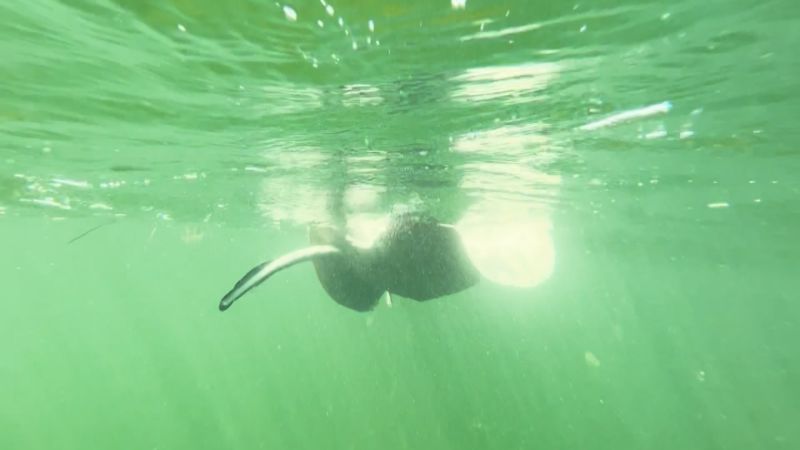
Six critically endangered smalltooth sawfish have washed up dead in Florida in the past week, adding to a mysterious die-off that has puzzled scientists for months. Reports of various fish species behaving erratically, such as spinning in circles, have also been noted, with some sawfish observed spinning before dying. The cause of these unusual behaviors and deaths remains unknown, but potential factors being investigated include warm ocean temperatures, the presence of harmful algae, and the effects of the climate crisis. The situation has raised concerns about the future of the ecosystem and the survival of these endangered animals.
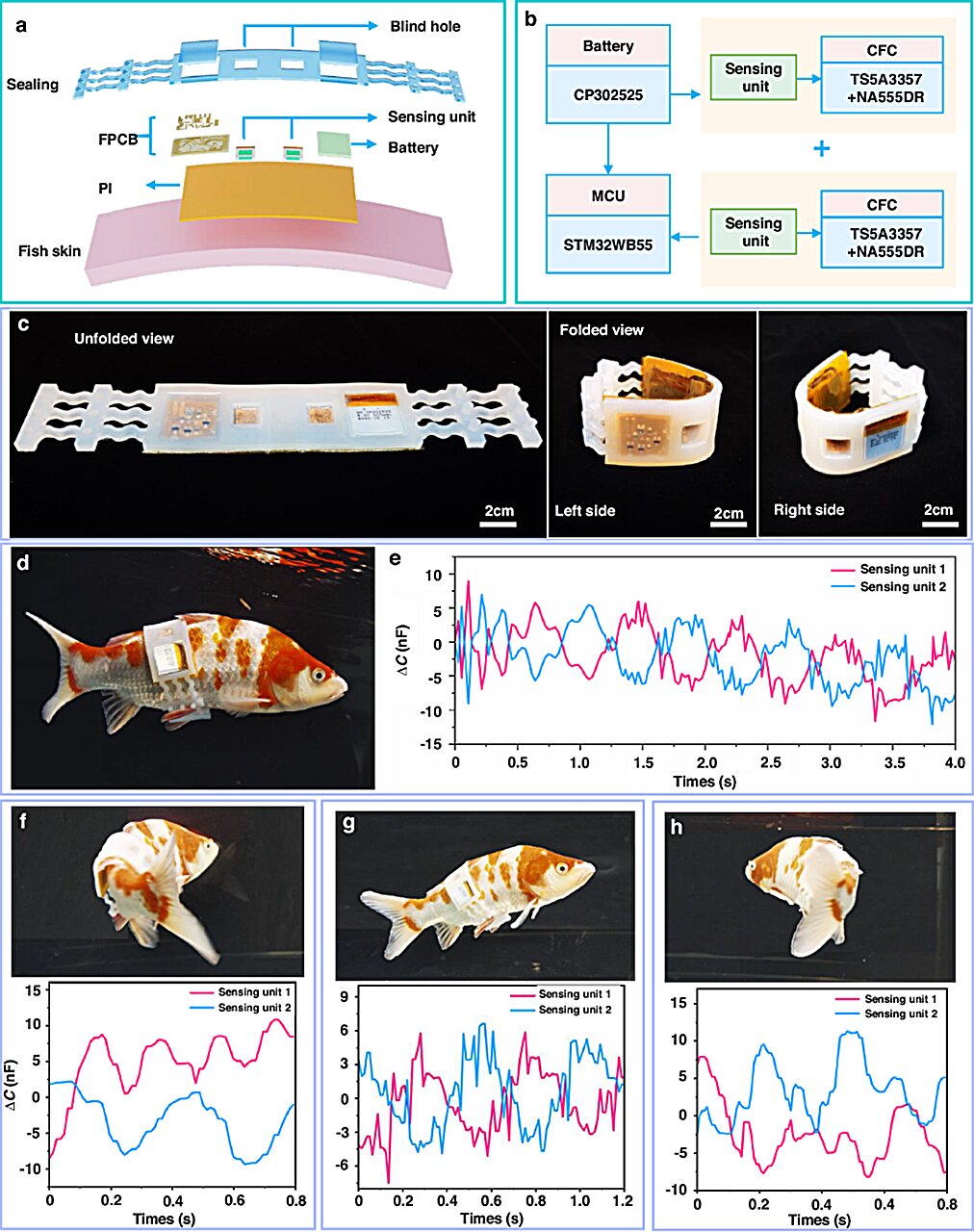
A research team has developed a groundbreaking "smart vest" for fish, equipped with advanced MXene hydrogel and pseudocapacitive pressure-sensing units, to capture disturbances in water flow caused by fish movements. This innovative technology provides unprecedented insights into fish behavior and ecological interactions, transcending the limitations of traditional observation methods and offering far-reaching implications for environmental conservation and aquatic ecosystem studies.
The U.S. government is launching an emergency response to investigate and address abnormal fish behavior, including spinning and whirling, affecting around 40 species of fish off the coast of Florida. The focus is on the endangered smalltooth sawfish, with reports of fish deaths adding to the urgency. The cause of this behavior remains unknown, prompting collaborative efforts involving government agencies, research institutions, and aquariums to rescue and study the affected fish.
A lifelong diver in the Florida Keys has witnessed a disturbing phenomenon involving fish exhibiting bizarre behaviors such as spinning upside-down and then dying, with nearly 200 incidents logged by wildlife officials across over 30 species. Marine scientists are urgently working to determine the cause of this mysterious and concerning occurrence.