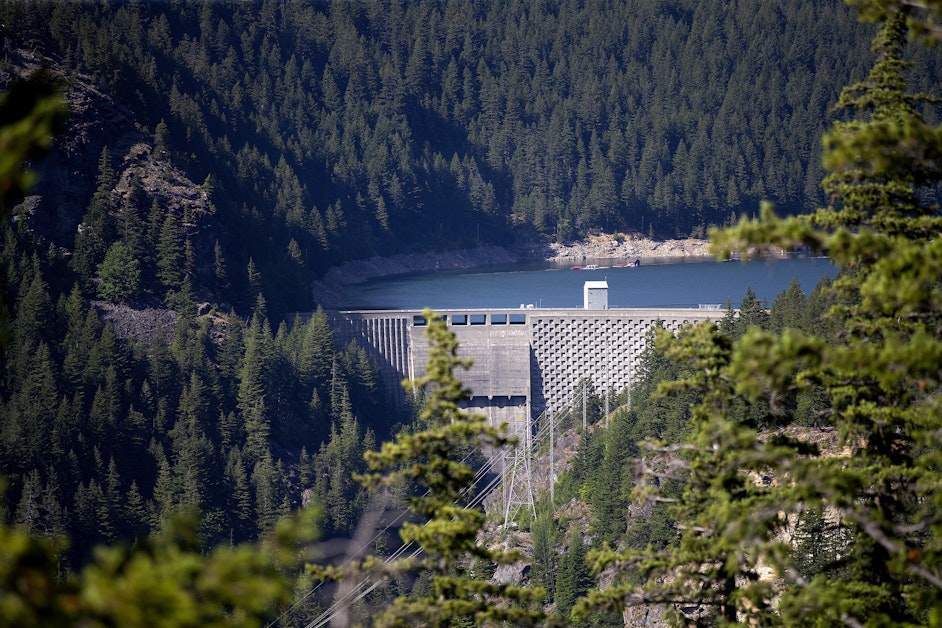
The Army Corps of Engineers temporarily took control of two dams on the Skagit River to reduce flooding, successfully lowering peak water levels by 4-5 feet and preventing more severe floods, demonstrating the role of dam management in flood mitigation while highlighting the environmental trade-offs of dam infrastructure.

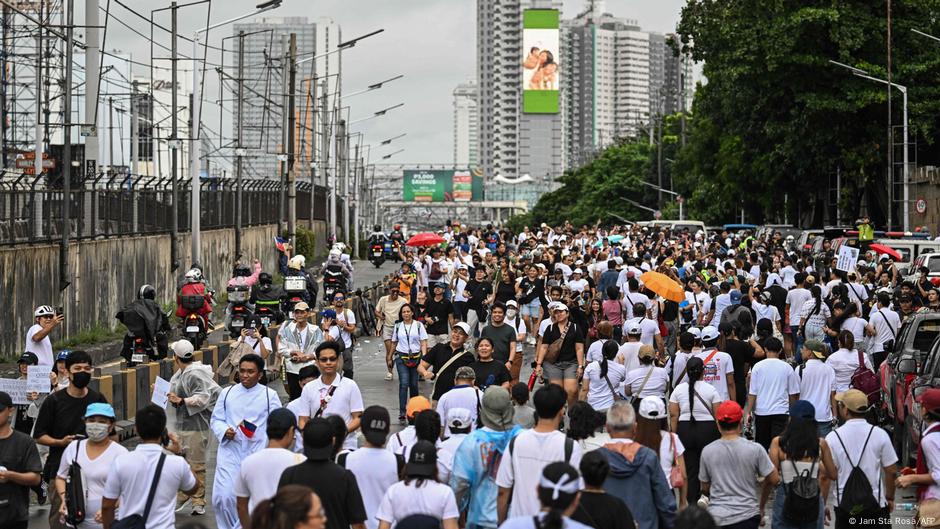
Thousands of protesters in the Philippines, including clergy and left-wing groups, demonstrated against government corruption, demanding the prosecution and imprisonment of officials involved in flood control project scandals and the return of stolen funds. The protests coincided with heightened security measures and support from the military, amid ongoing political tensions and efforts to address widespread corruption.
Thousands of Filipinos protested in Manila over corruption related to substandard or nonexistent flood control projects, which have caused significant economic losses and public outrage, with some protests supported by politicians and the Catholic Church, and authorities arresting several demonstrators.
Thousands of protesters in Manila demonstrated against a corruption scandal involving flood-control projects, demanding accountability from officials and businesspeople who allegedly profited from kickbacks, amid investigations and political fallout.
President Ferdinand Marcos Jr. formed the Independent Commission for Infrastructure, led by retired Justice Andres Reyes Jr., to investigate alleged corruption and misuse of funds in flood control projects involving government contractors and officials, amid public outrage and ongoing congressional inquiries.
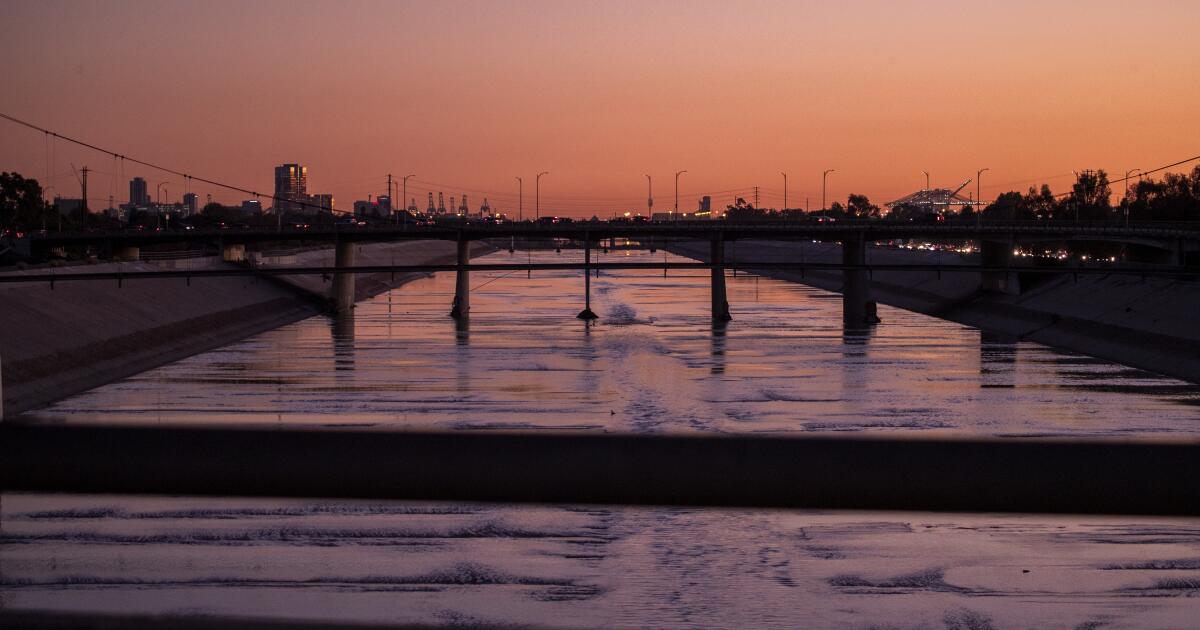
Record rainfall in Southern California led to dramatic scenes at the mouth of the Los Angeles River, but the city managed to stave off disaster thanks to a century of flood control projects. However, as climate change brings more extreme weather, the region will need to balance flood defenses with ecological and environmental concerns. The history of deadly flooding in Southern California, particularly the 1938 storm, serves as a reminder of the ongoing threat. Efforts to manage flood risk include cleaning basins, removing sediment, and considering the river's complex legacy and potential for restoration.
The L.A. River, crucial for flood control, has seen as much as 80% of stormwater flow into the Pacific Ocean, prompting calls for improved stormwater capture. While the river's concrete channelization has prevented catastrophic floods, efforts to capture and store stormwater for beneficial use are underway, with the Safe Clean Water Program allocating funds for such projects. With extreme storms becoming more common, the need for local water supplies is critical, and measures to increase stormwater capture and reduce runoff are seen as essential for public safety and water conservation in Los Angeles.
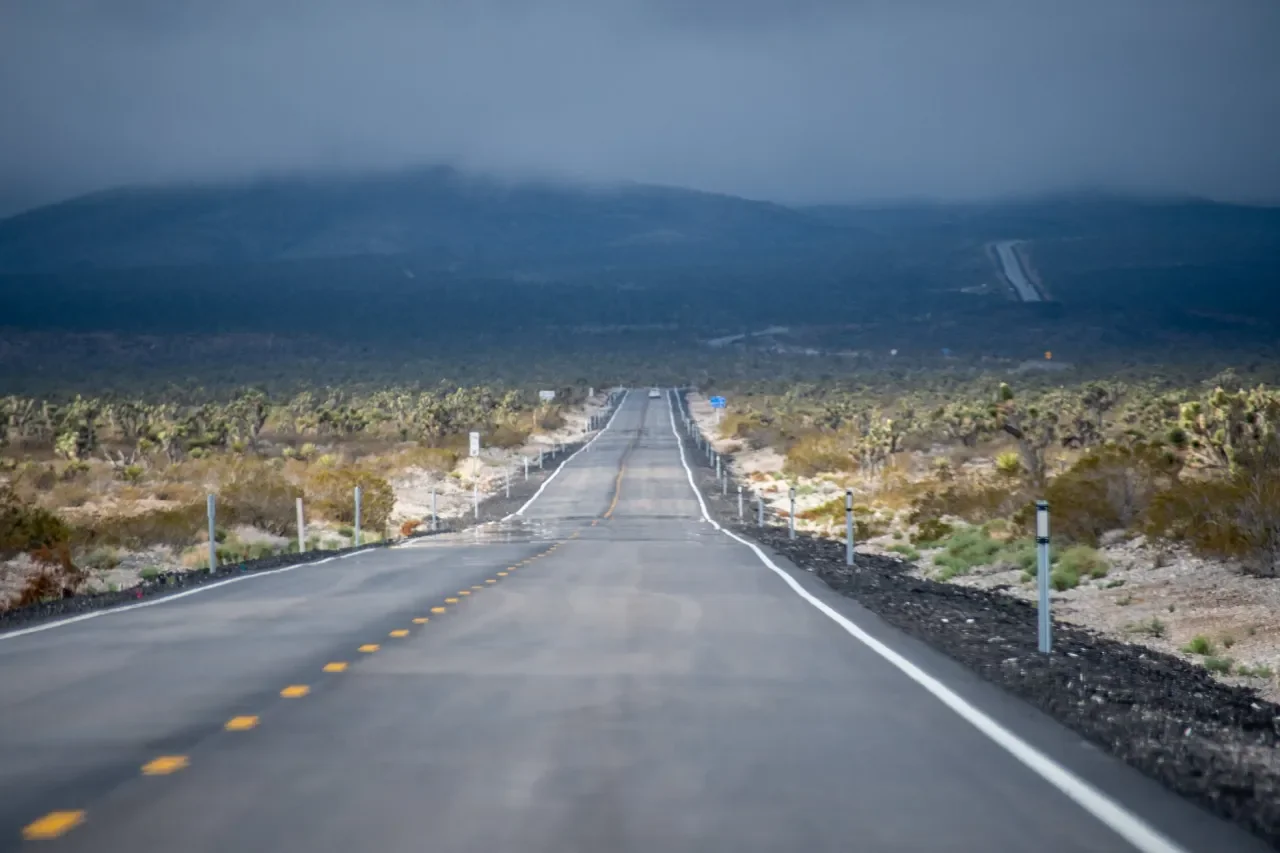
Officials in Clark County, Nevada are preparing for a potentially severe storm, dubbed a "100-year event," as it approaches the region. Emergency management teams are coordinating efforts to handle the expected heavy rainfall, which could exceed the typical monsoon season. While the flood control system is designed to handle the flows, street flooding is anticipated, and officials advise people to shelter in place and avoid driving through flooded areas. Concerns are also raised for the homeless population living in storm drains. The Flamingo wash is expected to see water flow, and security measures have been taken to keep people safe. The storm presents a "better than average chance" of a "100-year event."
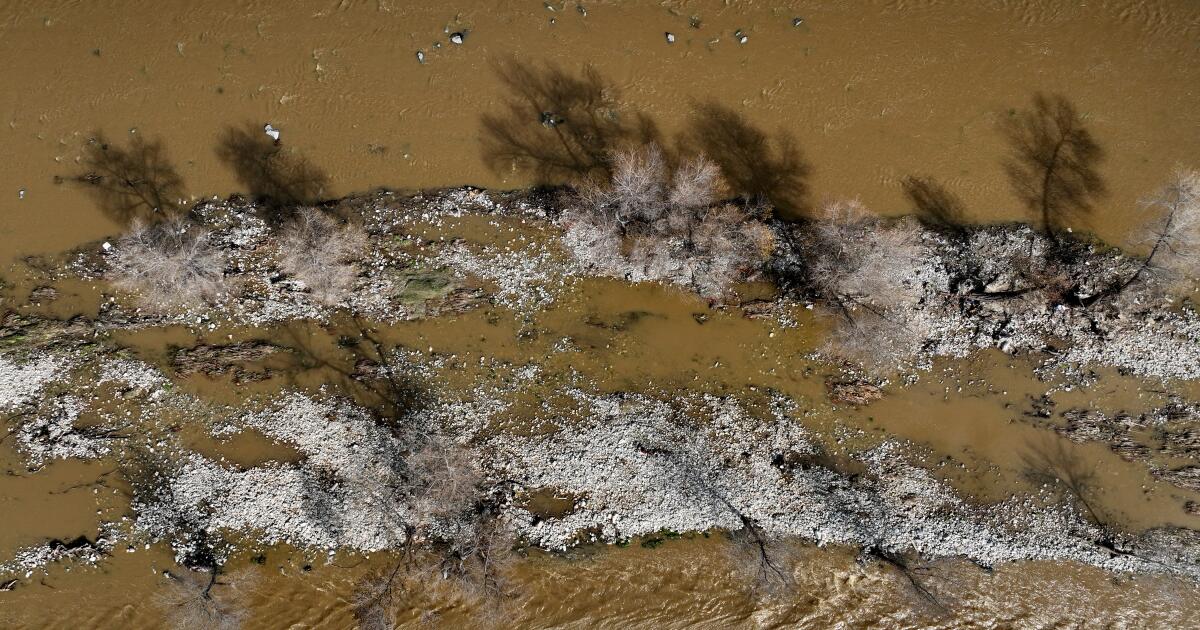
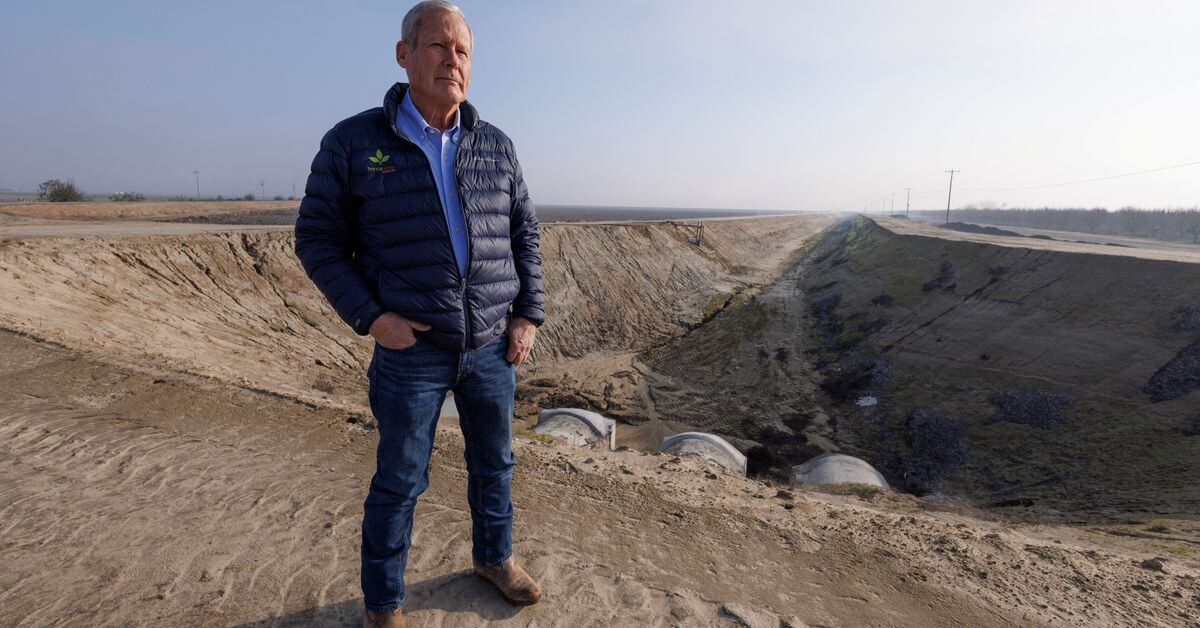
California farmers are flooding their fields to control flooding and replenish groundwater, with excess water seeping underground and getting stored for when drought conditions return. Don Cameron, vice president and general manager of Terra Nova Ranch, is seen as a pioneer in this method of water conservation. The state Department of Water Resources provided $5 million and Terra Nova another $8 million for the project, which includes a pumping system. Policy makers are working on economic incentives for more farmers to follow suit, and some water districts have offered growers credits toward water rights in exchange for recharge.