President Ferdinand Marcos Jr. formed the Independent Commission for Infrastructure, led by retired Justice Andres Reyes Jr., to investigate alleged corruption and misuse of funds in flood control projects involving government contractors and officials, amid public outrage and ongoing congressional inquiries.
Former President Trump criticized Utah's redistricting ruling, claiming it was influenced by activist judges and could reduce Republican congressional advantages, as the state follows a 2018 voter-approved measure for independent district drawing, potentially benefiting Democrats.
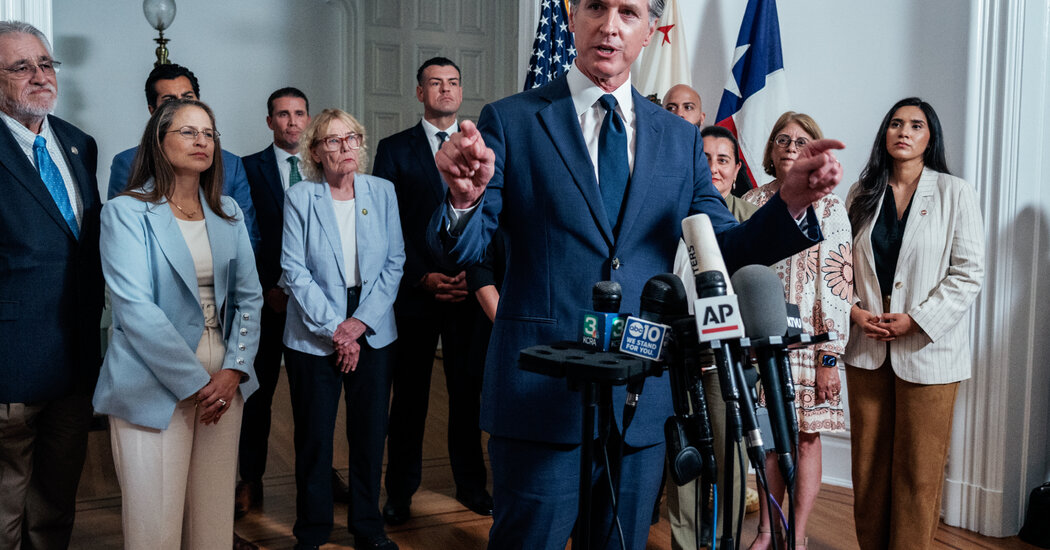
A POLITICO poll reveals that California voters largely support independent redistricting commissions over lawmaker-drawn maps, complicating Governor Gavin Newsom's efforts to push for new district boundaries, with public and influencer support favoring independent panels, especially among Republicans and independents.
California's independent redistricting commission, which is viewed as more balanced than legislative maps, faces political pressure as Governor Newsom proposes to replace it with partisan districts to counter Texas Republicans' gerrymandering efforts, leading to a political battle between Democrats and Republicans over the fairness and effectiveness of redistricting systems.
Nottingham Forest FC has been deducted four points by an independent Commission for breaching the Premier League’s Profitability and Sustainability Rules (PSRs) for the period ending Season 2022/23. The club admitted to breaching the relevant PSR threshold by £34.5 million and demonstrated "exceptional cooperation" throughout the process. The Commission's decision comes after a two-day hearing and is in accordance with new Premier League Rules, which provide an expedited timetable for PSR cases to be resolved in the same season the complaint is issued.
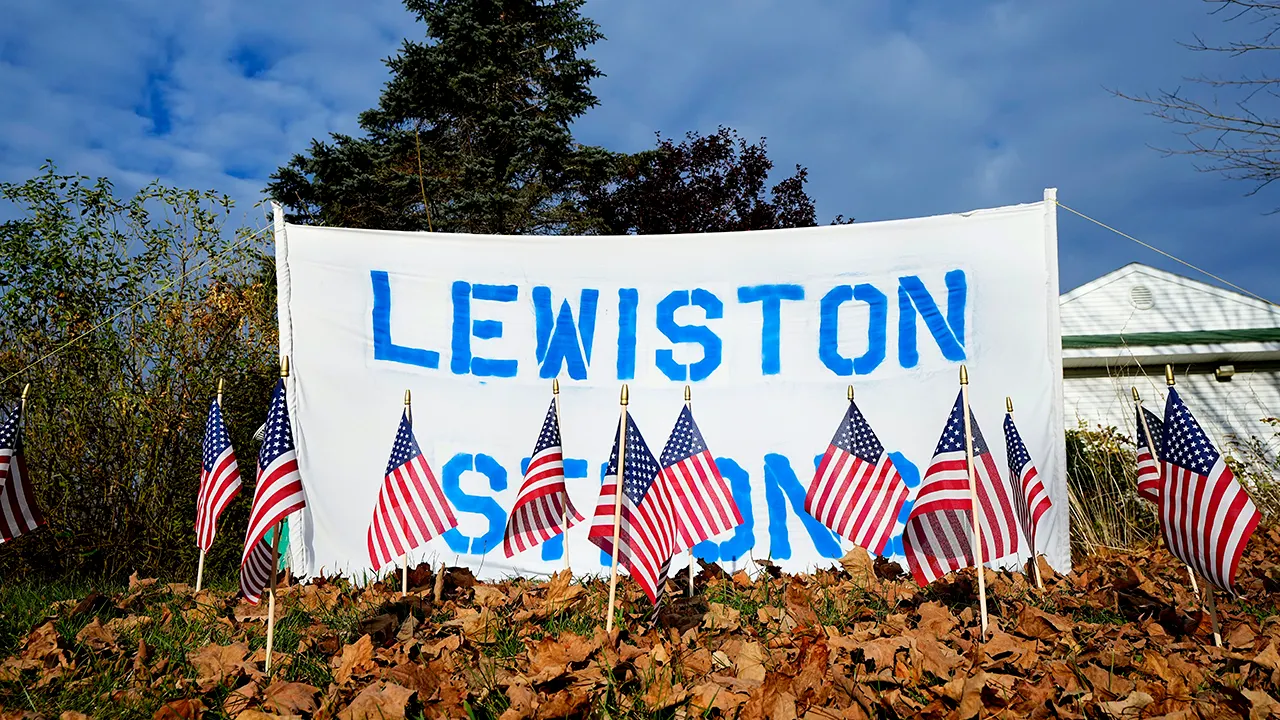
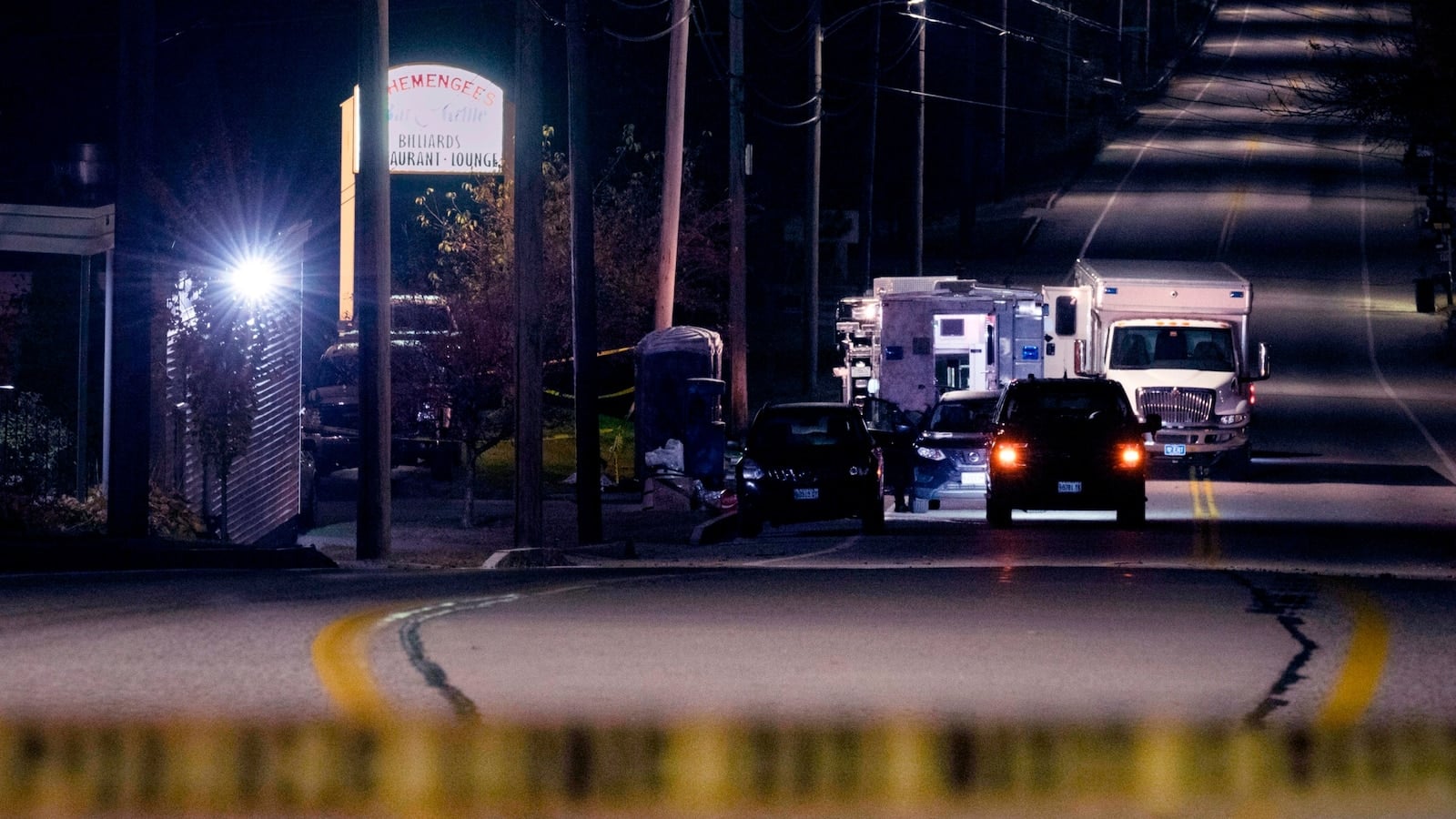
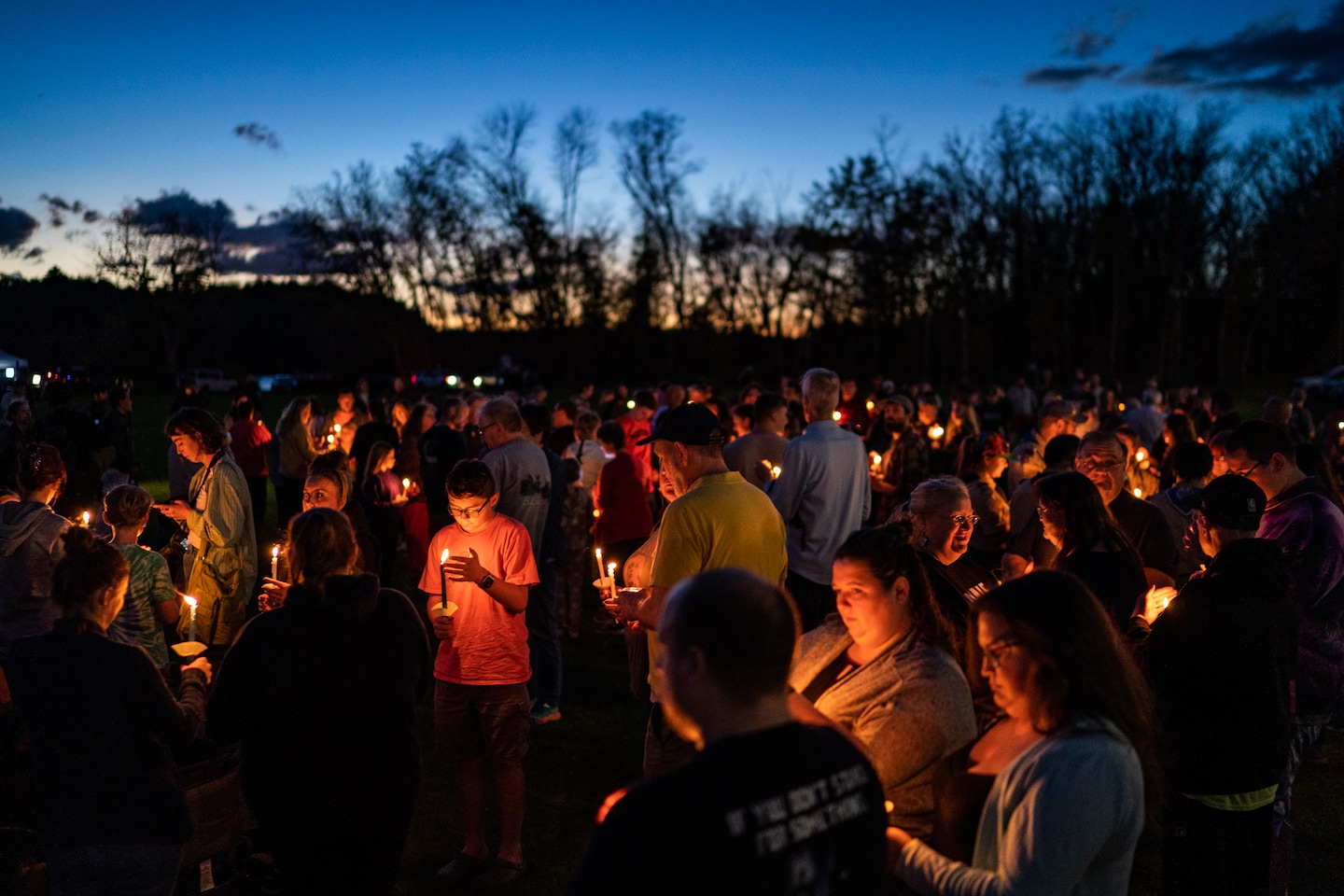
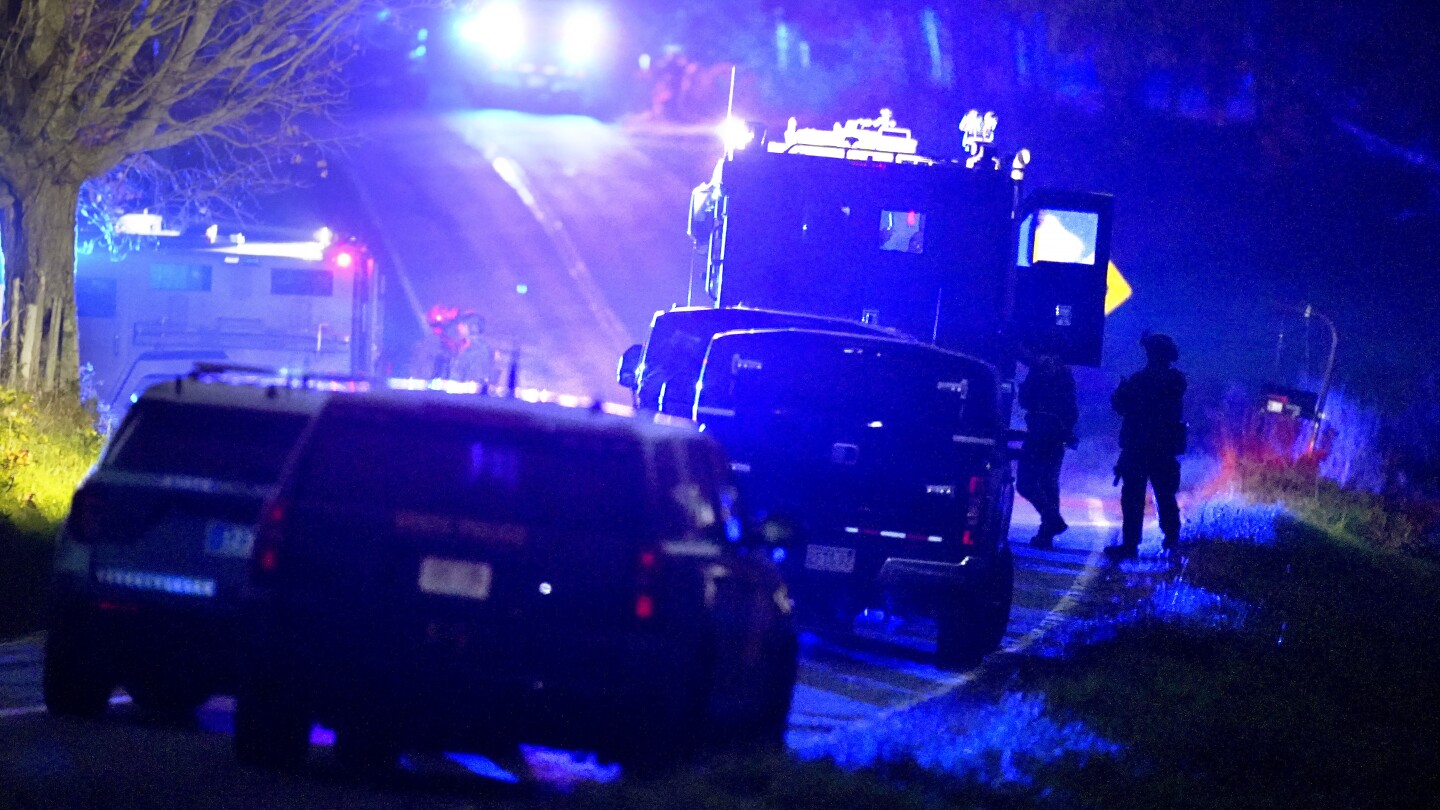
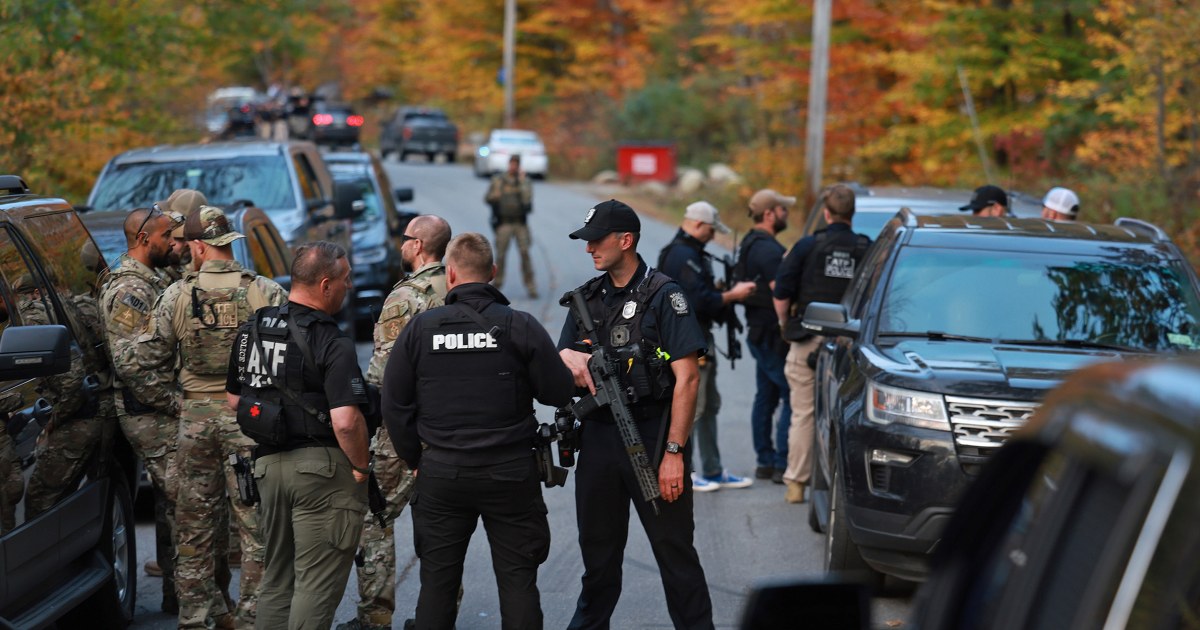
An independent commission investigating the mass shooting in Lewiston, Maine, found that law enforcement had probable cause to detain gunman Robert Card under the state's "yellow flag" law due to his mental health issues and concerning behavior, including threats and possession of firearms. The commission claims that authorities failed to act on the information, leading to the devastating mass shooting that left 18 dead and 13 injured. The commission will continue its investigation and plans to issue a final comprehensive report with recommendations.
An independent commission investigating the Maine mass shooting found "several" missed opportunities by law enforcement to intervene and potentially prevent the tragedy, despite being aware of the shooter's mental decline. The shooter, Robert Card, had displayed concerning behavior and threats prior to the shooting, but law enforcement failed to take action under Maine's Yellow Flag law to remove his guns. The commission's interim report highlights failures by local police, the Sagadahoc County Sheriff's Office, and the Army Reserve in addressing the shooter's mental health concerns and potential threat. The final report is expected in the coming months.
An independent commission investigating the deadly mass shooting in Lewiston, Maine, found that law enforcement missed several opportunities to take the gunman into custody and remove his firearms in the weeks leading up to the attack. The commission concluded that the sheriff's office had enough information to detain the gunman under Maine's "yellow flag" law but failed to do so. The report highlighted concerns and warning signs about the gunman's behavior and mental health, as well as the sheriff's office's decision to delegate the responsibility of removing the gunman's firearms to his family. The final report from the commission is expected later this year.
An independent commission investigating the Maine mass shooting that left 18 people dead issued an interim report, criticizing the Sagadahoc Sheriff’s Office for not taking action under Maine’s “yellow flag” law to temporarily remove firearms from the shooter, Robert Card Jr., who had a history of mental illness and threats of mass shootings. The report highlighted missed opportunities by law enforcement and military officials to prevent the tragedy, while survivors and victims’ families expressed frustration with the system's failure to address concerns about Card's access to guns.
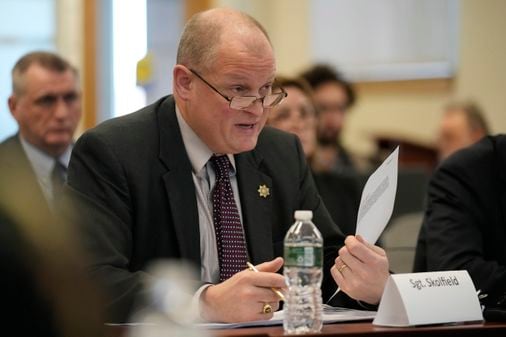
An independent commission concluded that the sheriff's office investigating the man who committed Maine's deadliest mass shooting had cause to take away his guns and put him in protective custody before the tragedy. The commission criticized the sheriff's office for not realizing they had probable cause to start a process to temporarily remove the shooter's guns during a mental health crisis. The report focused heavily on the actions of the sheriff’s office while ignoring the broader issue of access to guns by potentially dangerous people in the state. The shooter, an Army reservist, was well-known to law enforcement, and his family and fellow service members had raised concerns about his behavior and deteriorating mental health before the shootings.
Army reservists testified before an independent commission investigating the Lewiston, Maine shooting that left 18 dead, deflecting blame and citing limitations in their authority to restrict gunman Robert Card's access to firearms due to local law enforcement responsibility and Maine's "yellow flag" law. Testimony revealed efforts taken to handle Card's mental health crisis, but also highlighted communication failures and the need for changes in the law. A post-mortem study of Card's brain found traumatic brain injuries that may have contributed to his behavioral changes, prompting his family to raise awareness of the issue. The commission will issue a formal public report at the conclusion of its investigation.
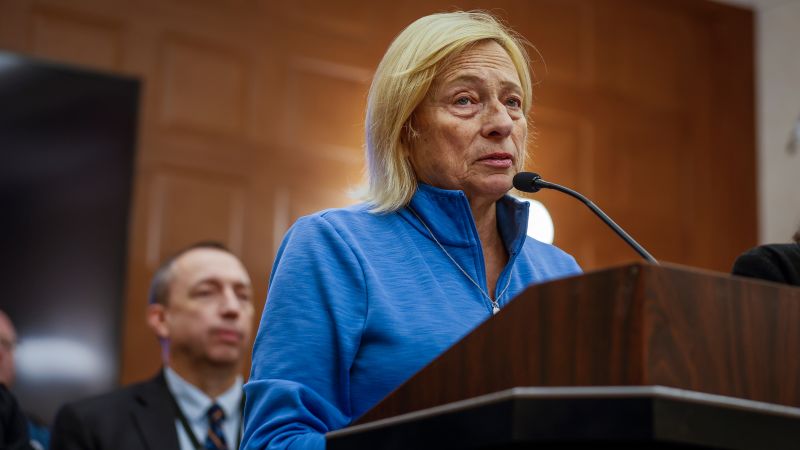
Maine Governor Janet Mills plans to establish an independent commission of experts to investigate the handling of previous concerns about the Lewiston mass shooting, including the months leading up to the incident and the police response. There were warnings about the shooter, Robert Card, from both the Army and his family, and law enforcement had made attempts to check on him prior to the killings. When confronted by reporters about the handling of these warnings, the governor referred to the ongoing investigation by state police. The commission will consist of independent experts with legal, investigative, and mental health backgrounds.
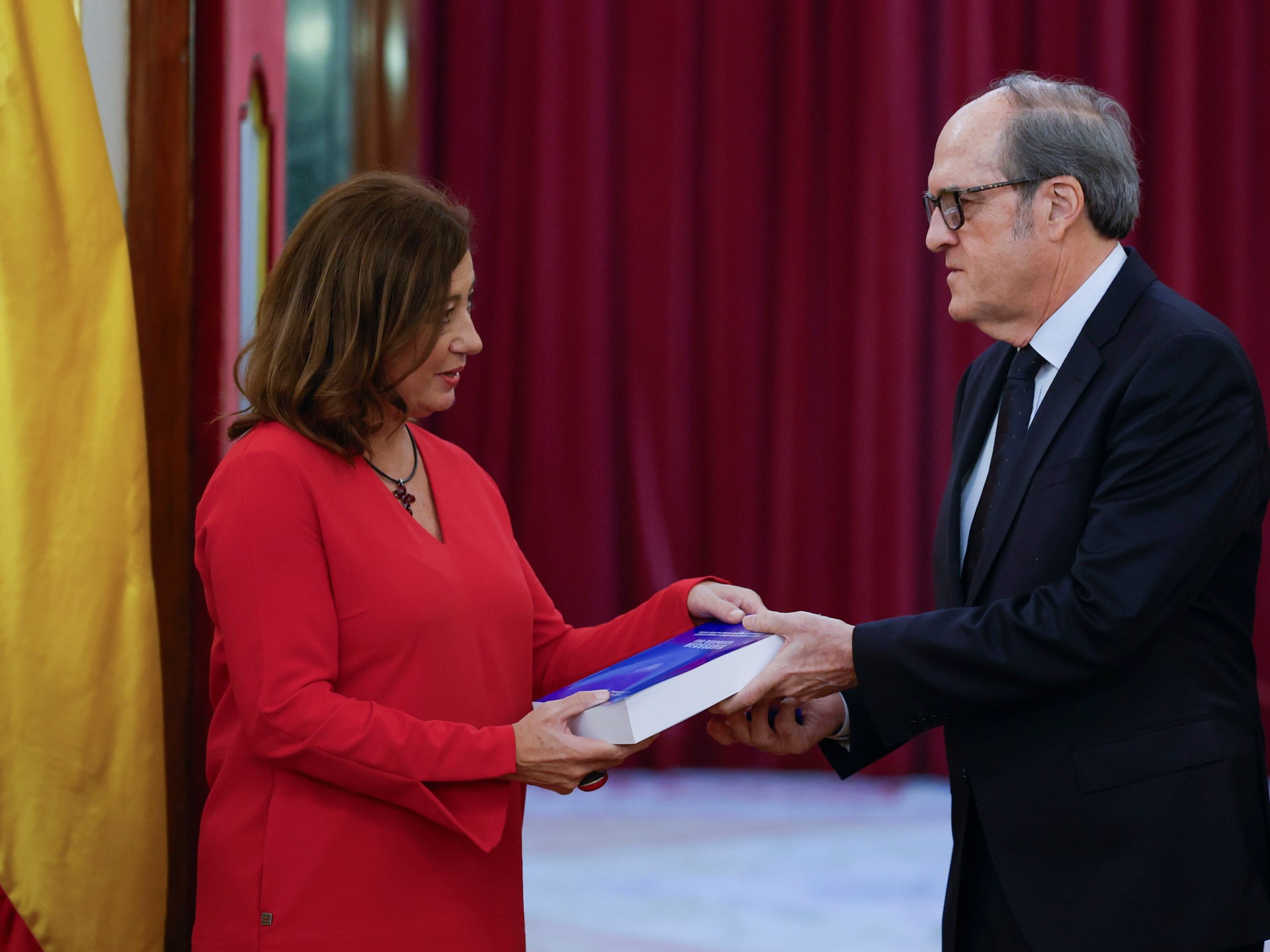
An independent commission in Spain has estimated that over 200,000 minors were sexually abused by members of the Roman Catholic clergy since 1940. The report, which included a poll of over 8,000 people, found that 0.6 percent of Spain's adult population said they had suffered sexual abuse by clergy when they were children. The percentage rose to 1.13 percent when abuse by lay members was included. The report criticized the Catholic Church for its denial and attempts to downplay the issue and recommended the creation of a state fund to pay reparations to victims. The Spanish bishops' conference will react to the report on Monday.
An independent commission in Spain estimates that over 200,000 children have been sexually abused by the Roman Catholic clergy since 1940. The report, based on a poll of over 8,000 adults, found that 0.6% of respondents said they were abused by clergy as children, equating to about 200,000 individuals. When including abuse by lay members of the church, the proportion increased to 1.13%, or over 400,000 people. The report criticizes the church's response to abuse cases and recommends the creation of a state fund for reparations. The Spanish bishops conference has called an extraordinary meeting to discuss the findings.
A Cornell University law professor is calling for an independent commission to evaluate antisemitism at the Ivy League school after an associate professor expressed excitement over the deadly attacks on Israeli civilians by Hamas terrorists. The professor argues that the campus has become divided by an aggressive focus on identity politics, and that the Diversity, Equity, and Inclusion (DEI) agenda has worsened race and other relations. He is urging the school to pause new DEI initiatives, adopt an international definition of antisemitism, and form an independent commission to investigate antisemitism on campus. This comes amid a broader controversy surrounding colleges' response to pro-Palestinian demonstrations and statements blaming Israel for the recent conflict.