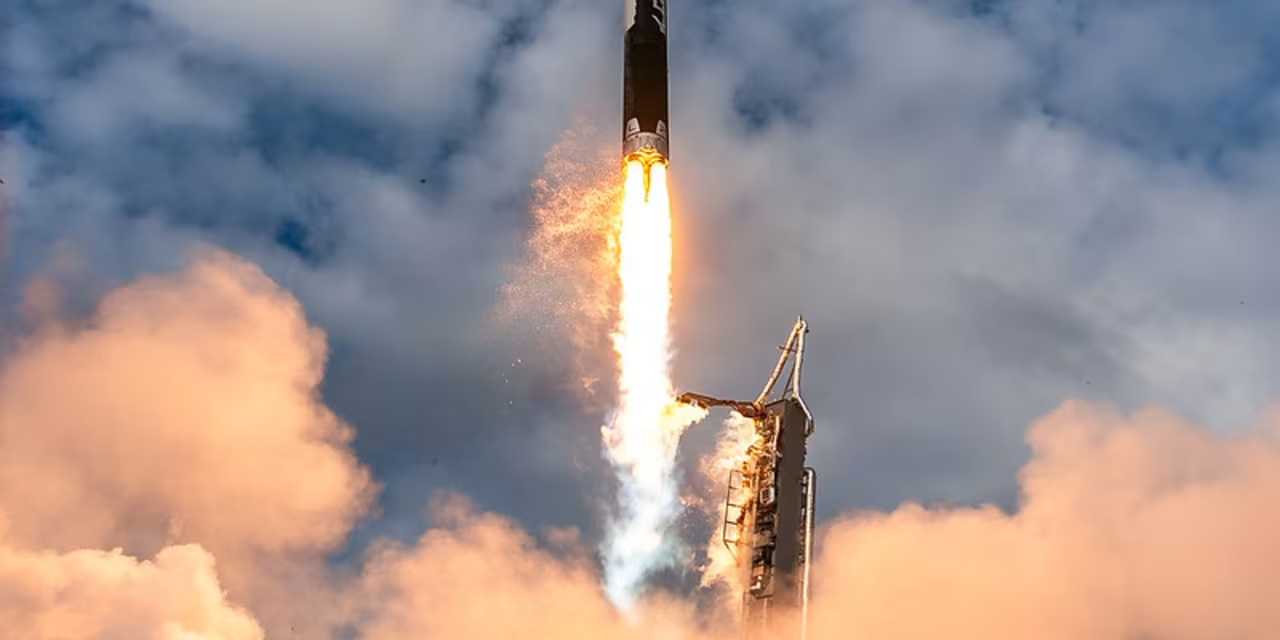
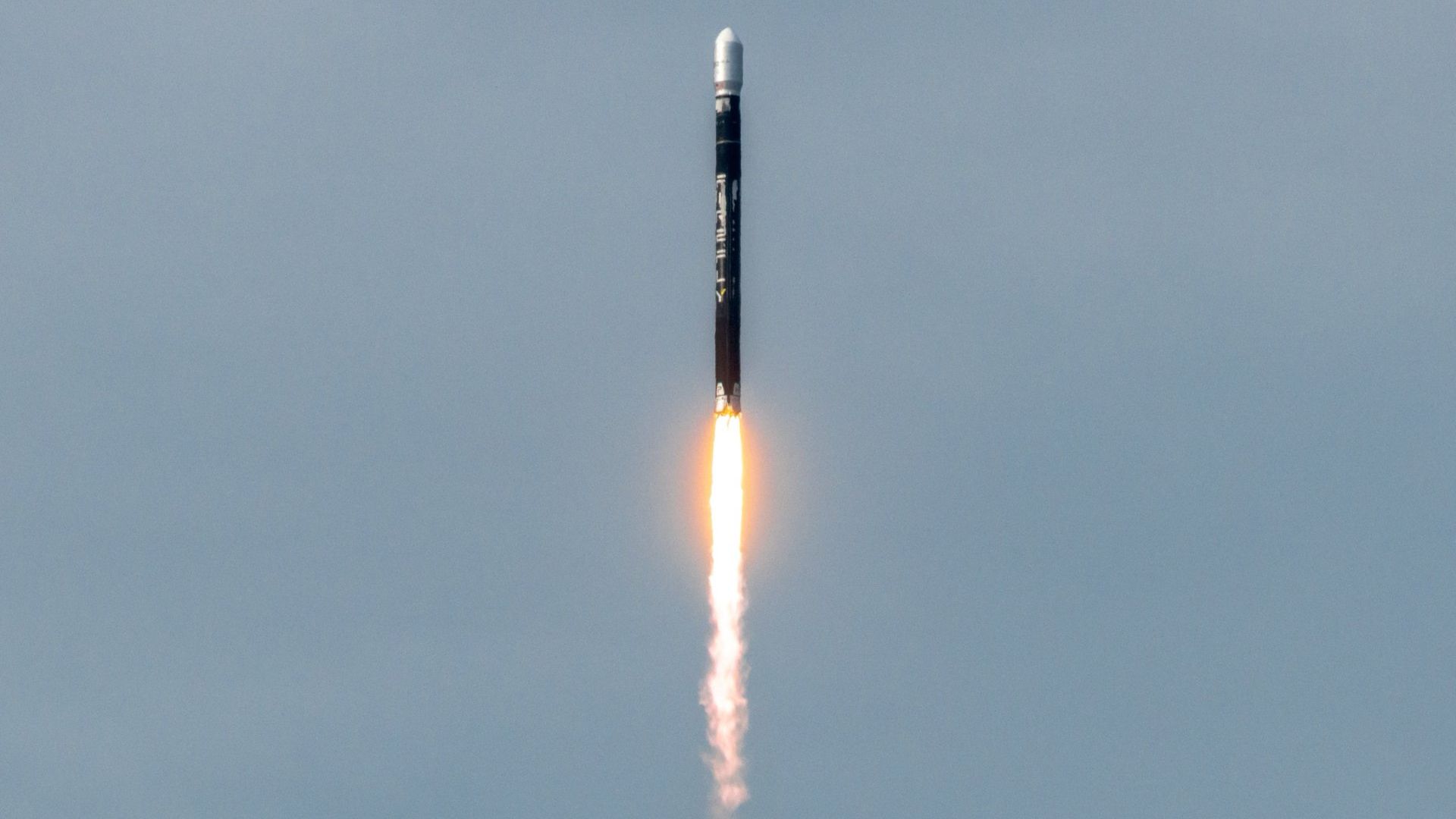
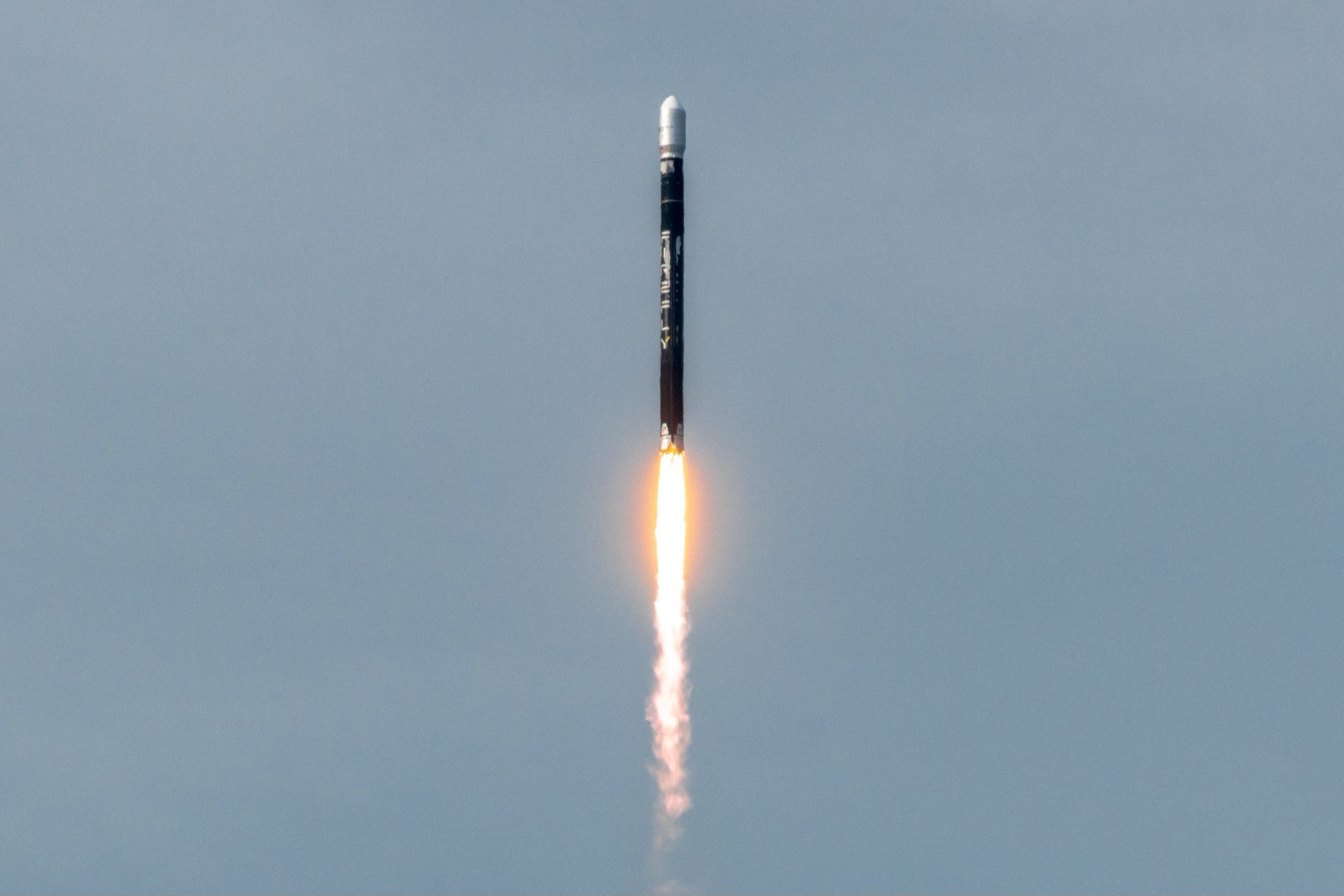
Firefly Aerospace reported strong Q3 sales exceeding expectations and projects significant growth by 2025, with its shares rising after the announcement, though it remains less valued than Rocket Lab despite similar growth prospects and a larger payload capacity with its Alpha rocket.
Firefly Aerospace's Alpha rocket experienced an explosion during a preflight test in Texas, marking another setback after a previous launch failure in April. The company is assessing the damage and plans to share future updates, with the next launch likely delayed.
Firefly Aerospace's Alpha rocket's December launch failed to achieve the target orbit due to an error in the Guidance, Navigation, and Control (GNC) software algorithm, which prevented the necessary pulse commands to the Reaction Control System (RCS) thrusters ahead of the stage two engine relight. Despite the software issue, the rocket successfully delivered the payload to low Earth orbit, allowing the mission partner to complete their primary objectives. Firefly is implementing corrective actions to resolve the software issue and expects the Alpha rocket to be ready for another launch in the coming months.
A software glitch in the guidance, navigation, and control (GNC) software of Firefly Aerospace’s Alpha rocket prevented the upper stage from completing a second burn during a December launch, leaving its payload, a Lockheed Martin technology demonstration satellite, in a low orbit. The glitch in the GNC software algorithm prevented the system from sending necessary pulse commands to the Reaction Control System (RCS) thrusters, and the investigation found that the error led to the mishap. Firefly is correcting the software error and implementing process changes to better detect similar problems in the future, with plans to launch Alpha again in the coming months.