PwC is increasing its involvement in the cryptocurrency sector as support from Donald Trump and other lawmakers grows, signaling a broader acceptance and integration of digital assets in the financial industry.
European banks are expected to continue their strong rally in 2026, driven by AI-driven cost savings and improved earnings, despite economic uncertainties. AI is seen as a key factor in boosting operational efficiency and valuation, with investors optimistic about the sector's growth and shareholder returns. However, risks related to AI exuberance and geopolitical shocks remain.
US bank deals have surged as regulators from the Trump era expedite approvals, indicating a possible shift in regulatory pace and policy in the financial sector.
The article discusses the upcoming third-quarter earnings reports of major U.S. banks, highlighting a surge in M&A and IPO activity that benefits investment banking revenues, with JPMorgan leading the sector. It also covers stock performance, valuation, and outlook for large banks amid ongoing economic and regulatory factors.
China's major banks are facing increased pressure due to rising consumer financial difficulties, highlighting challenges within the country's banking sector.
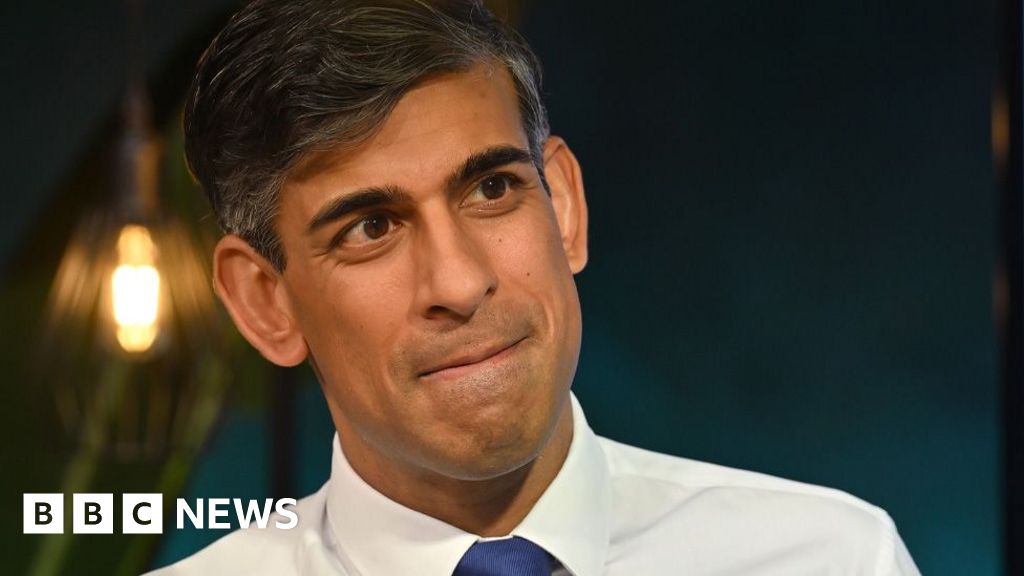
Rishi Sunak, the former UK Prime Minister, has joined Goldman Sachs as a senior advisor, where he will provide insights on global politics and economics, while his salary will be donated to charity. His role is subject to restrictions to prevent conflicts of interest, and he has a history with Goldman Sachs, having worked there early in his career.
US banks are likely favoring a Donald Trump victory in the upcoming election due to expectations of looser regulations and more lenient corporate merger approvals, which could boost profits. In contrast, a Kamala Harris win might continue the aggressive oversight seen under President Biden. The financial sector has performed well this year, and a Trump presidency is perceived as potentially more beneficial for financial stocks, although neither candidate has clearly outlined their plans for bank regulation.
The U.S. Department of the Treasury has released a report on managing artificial intelligence-specific cybersecurity risks in the financial services sector, addressing challenges and opportunities presented by AI. The report outlines next steps to address operational risk, cybersecurity, and fraud challenges, including narrowing the fraud data divide, regulatory coordination, and expanding the NIST AI Risk Management Framework. It also emphasizes the need for best practices, explainability for AI solutions, and a common AI lexicon, while highlighting the importance of international coordination and engagement with the private sector and regulators.
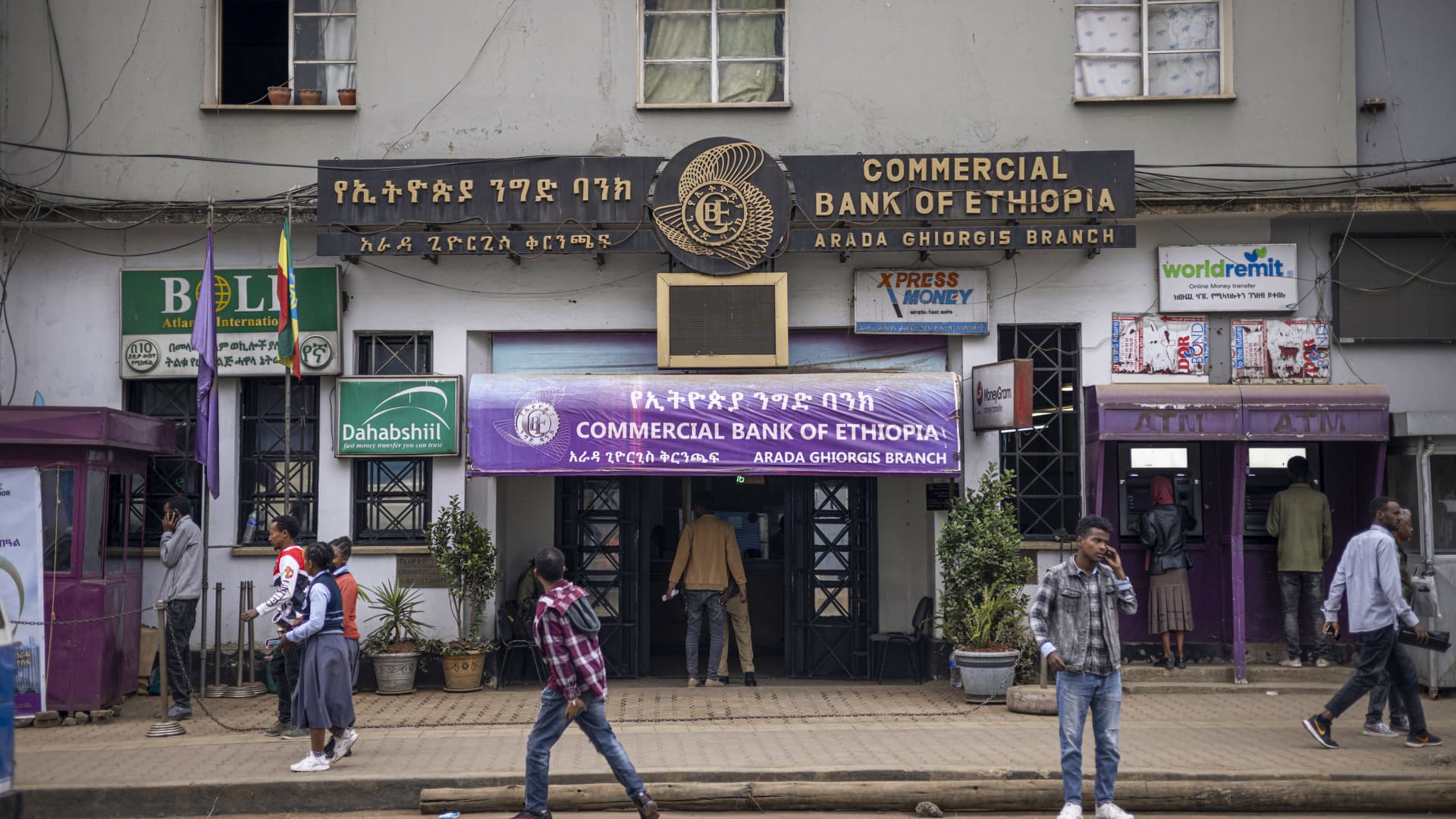
A "glitch" at Ethiopia's largest bank, the Commercial Bank of Ethiopia, allowed customers to withdraw unlimited funds, resulting in over $40 million being withdrawn or transferred before transactions were halted. The bank's president stated that a large portion of the cash was withdrawn by students, with several universities urging students to return the money. The bank confirmed the service interruption but denied it was due to a cyber attack, while Ethiopia's central bank stated that it was a result of system security checks and not a threat to the financial system.
A zero-day vulnerability in Microsoft Defender SmartScreen, exploited by an advanced persistent threat actor known as Water Hydra, has been used to target financial market traders with the DarkMe malware. The flaw, CVE-2024-21412, allows the bypassing of security checks, enabling the delivery of the DarkMe trojan through a cleverly crafted internet shortcut file distributed via forex trading forums. This campaign highlights the increasing trend of cybercrime groups exploiting zero-day vulnerabilities, with the potential for such exploits to be incorporated into sophisticated attacks by nation-state hacking groups.
The U.S. fourth-quarter earnings reporting season is halfway through, with financial concerns over consumer credit and retail challenges. Despite a slow start, per-share profits for S&P 500 companies have improved, driven by big tech companies like Meta Platforms, Amazon, Microsoft, Alphabet, and Apple. The financial sector's decrease in earnings was offset by the rebound in information technology companies. As the earnings season continues, upcoming reports include companies like Tyson Foods, Palantir Technologies, Spotify, Mattel, PayPal, PepsiCo, and more. Additionally, McDonald's and Spirit Airlines are set to report, while Disney faces challenges in its streaming business.
New York Community Bancorp's stock experienced a significant drop, triggering the steepest decline in regional-bank stocks since the collapse of Silicon Valley Bank in March 2023. The bank's troubles began with a surprise loss and dividend cut, leading to a 37% one-day drop. Moody's has placed the bank's ratings on review for a downgrade due to weak earnings and capitalization. Analysts have downgraded the bank's stock and adjusted profit estimates, while the bank expects a drop in loans and an increase in deposits in 2024. The broader financial sector was impacted by the bank's decline, but some investors see the situation as an opportunity to buy larger banks.
Job cut announcements in the US more than doubled in January to reach the highest level in 10 months, with the financial and technology sectors leading the restructuring efforts. The total announced layoffs reached 82,307, a 136% surge from December, with the financial industry accounting for more than double the number of job cuts compared to a year earlier. The increase in job cuts is attributed to broader economic trends, potential policy changes, and a strategic shift towards increased automation and AI adoption, with companies citing cost-cutting as the main driver for layoffs.
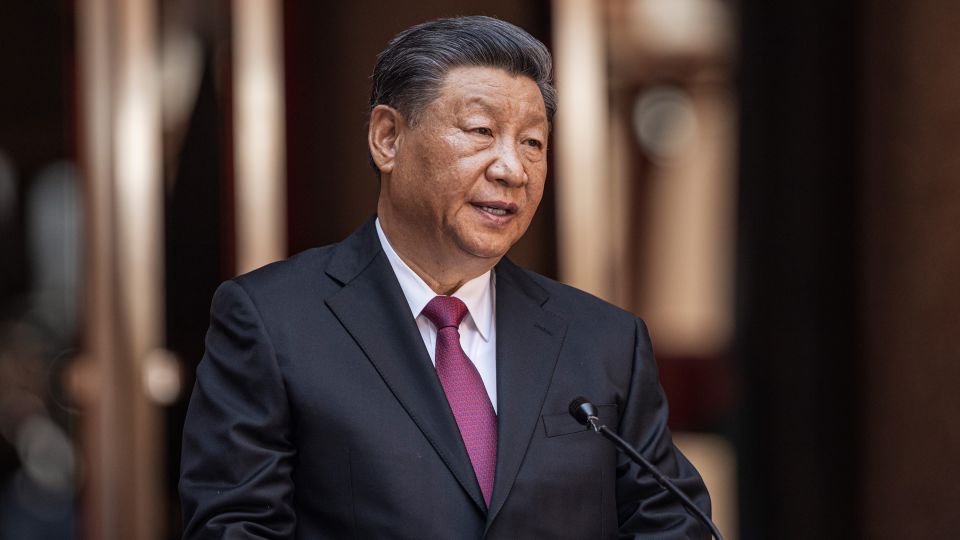
Chinese leader Xi Jinping has pledged to intensify the anti-corruption campaign, targeting "flies and ants" in industries like finance, energy, and infrastructure, and vowing to increase punishment for bribery. The crackdown, a signature project of Xi's, will now focus on state-owned enterprises, including the pharmaceutical sector, as the Chinese economy grapples with challenges. Recent oustings of military figures and a top business leader indicate that the campaign is far from over, with more than a dozen senior executives at powerful financial institutions investigated in 2023.
Chinese leader Xi Jinping has pledged to intensify the anti-corruption campaign by targeting "flies and ants," referring to small-scale corruption in industries like finance, energy, and infrastructure. The crackdown, a signature project of Xi's, will focus on state-owned enterprises and aims to address deep-rooted corruption in the economy. Recent oustings of military figures and a top business leader indicate that the campaign is far from over, with Xi emphasizing that there will be no compromise on anti-corruption efforts.