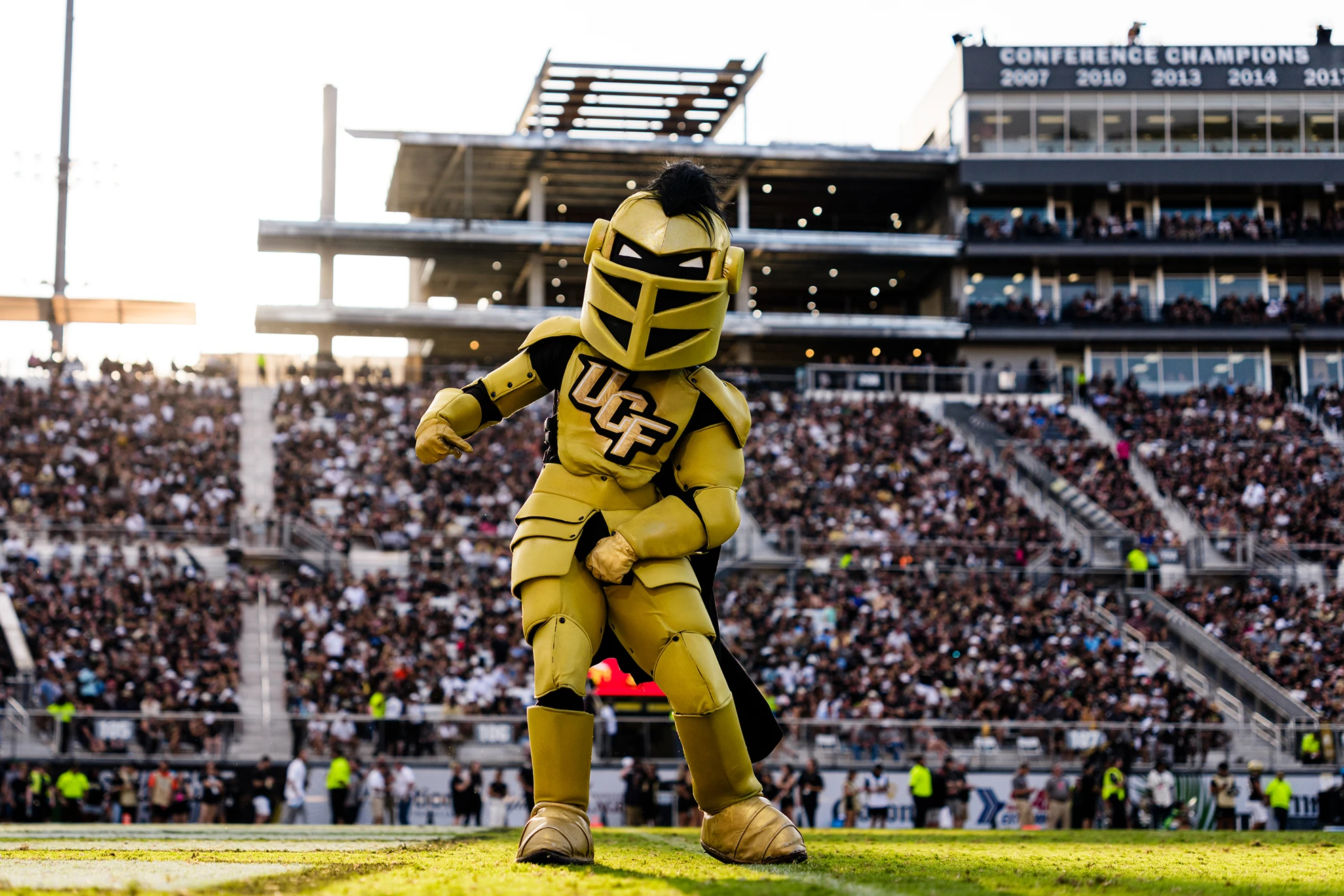
UCF Athletics announces full funding of the revenue share and NIL opportunities for student-athletes, supported by donations and partnerships, with a call for local businesses to join in expanding NIL collaborations and supporting the university's athletic programs.
The Big Ten is in a holding pattern over a proposed private capital deal involving a new entity, Big Ten Enterprises, which aims to secure over $2 billion from a UC pension fund in exchange for a stake, but faces opposition from some schools and concerns about short-term financial strategies and long-term stability. The deal, still under negotiation, has not been voted on and is met with mixed reactions regarding its impact on college sports' financial health and future.
The Big Ten Conference is facing a financial crisis due to excessive spending on facilities and salaries, leading it to consider a $2 billion private capital deal with the UC Pension System to fund athlete payments and reduce debt, amid broader concerns about the sustainability of college sports finances.
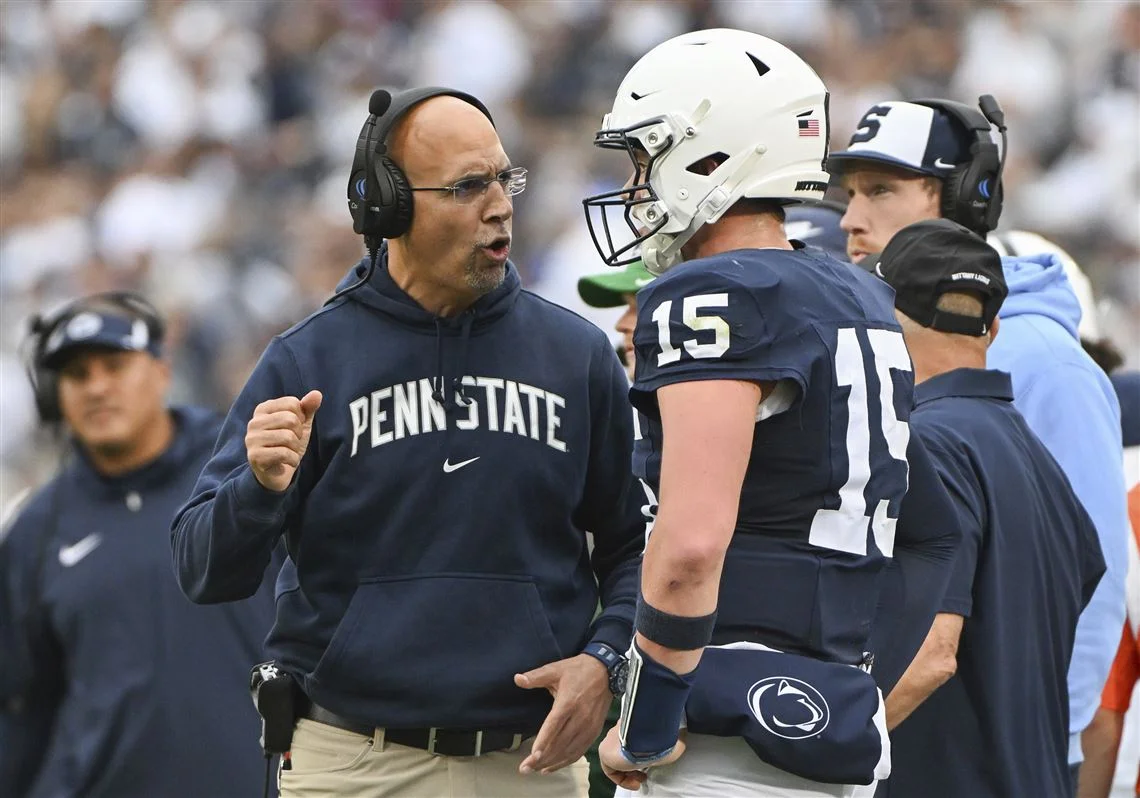
Paul Zeise criticizes Penn State's decision to fire coach James Franklin after a series of recent losses, arguing it exemplifies the reckless greed and short-sightedness prevalent in modern college sports, and contends Franklin had the program close to achieving its 'next level'.
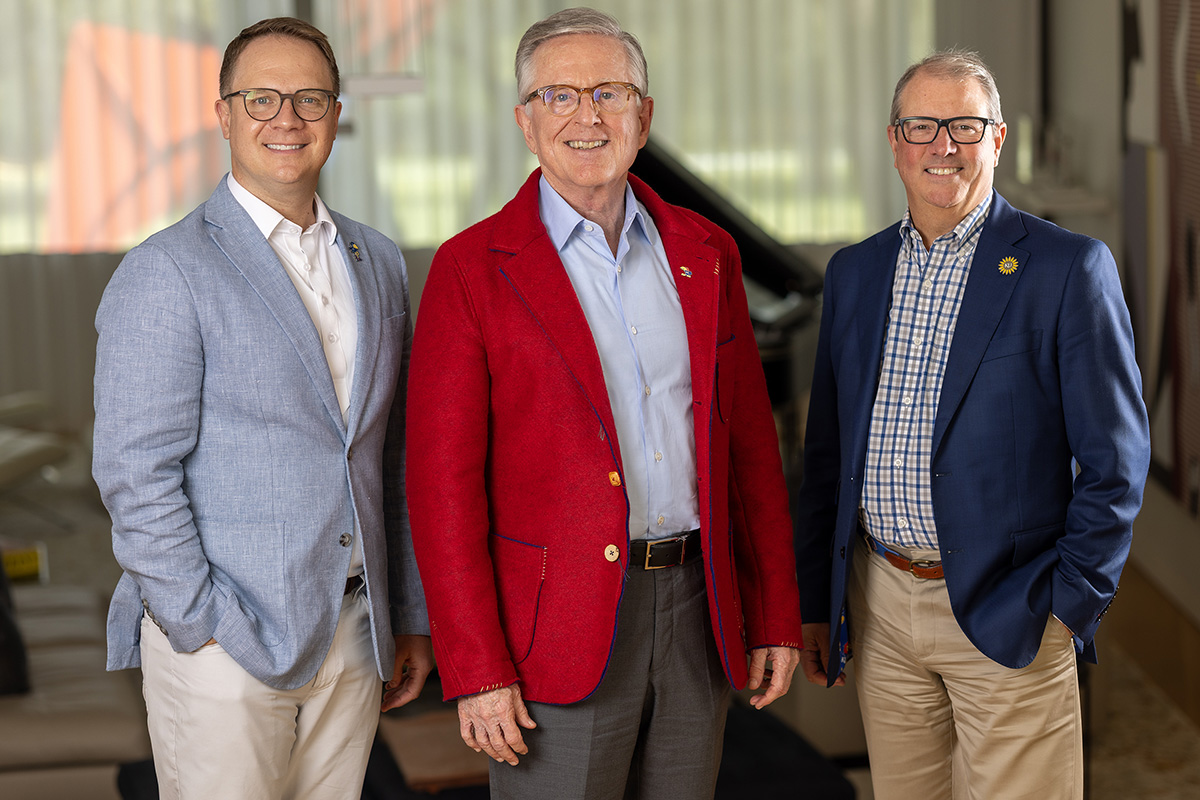
KU Athletics received a historic $300 million donation from alumnus David Booth, the largest in the university's history, which will fund the Gateway District's Phase II and support KU's athletic programs, infrastructure, and future leadership in college sports.
A legal settlement is transforming college athletics by allowing Division I schools to pay student-athletes for their name, image, and likeness, starting with $20.5 million in the first year and increasing annually. This shift also involves distributing $2.8 billion in back pay to athletes affected by previous NCAA rules, with stricter oversight on third-party NIL deals. LSU is actively preparing for these changes across various aspects of its athletic programs.
Memphis has offered a $200 million proposal to join the Big 12 conference, including sponsorship commitments and a revenue-sharing plan, but faces challenges as the league's support is not yet secured, amid ongoing expansion discussions.
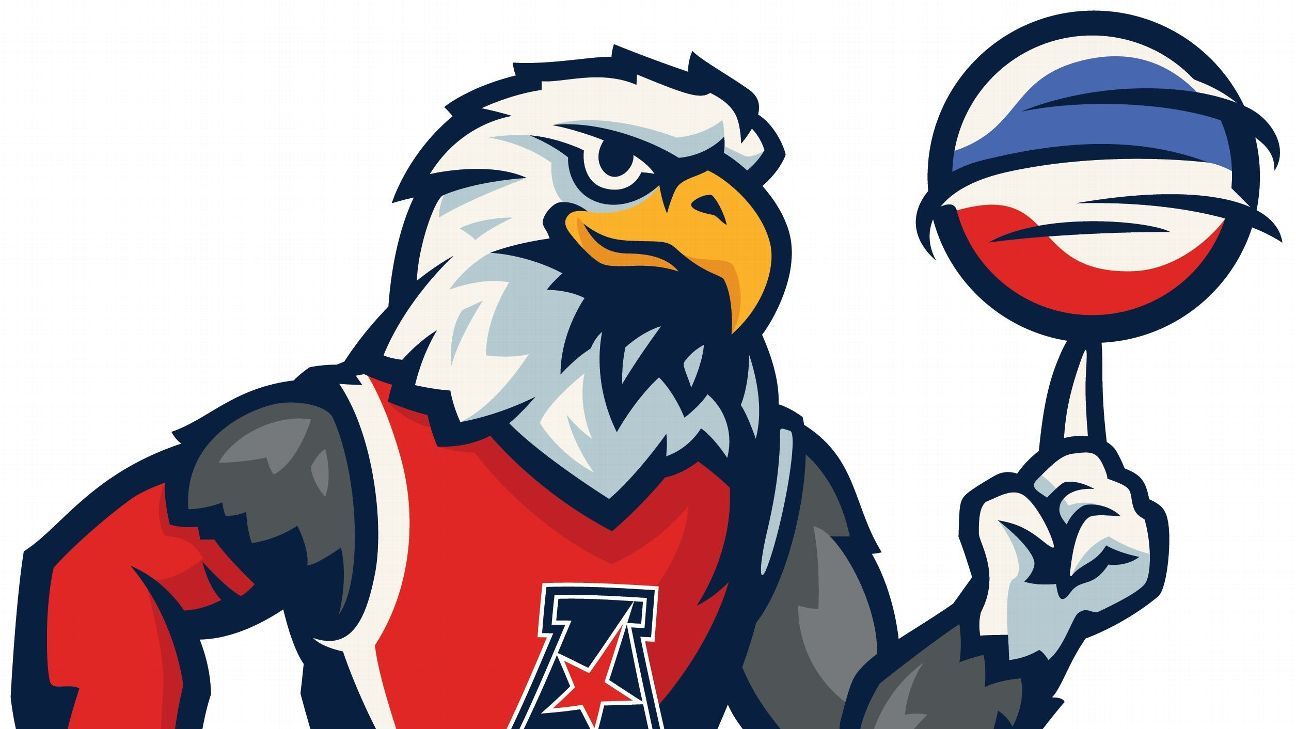
The American Athletic Conference has rebranded as the 'American Conference,' removing the AAC acronym, and introduced its first mascot, Soar the eagle, to strengthen its identity and community engagement, with a focus on modernization and differentiation in college sports.
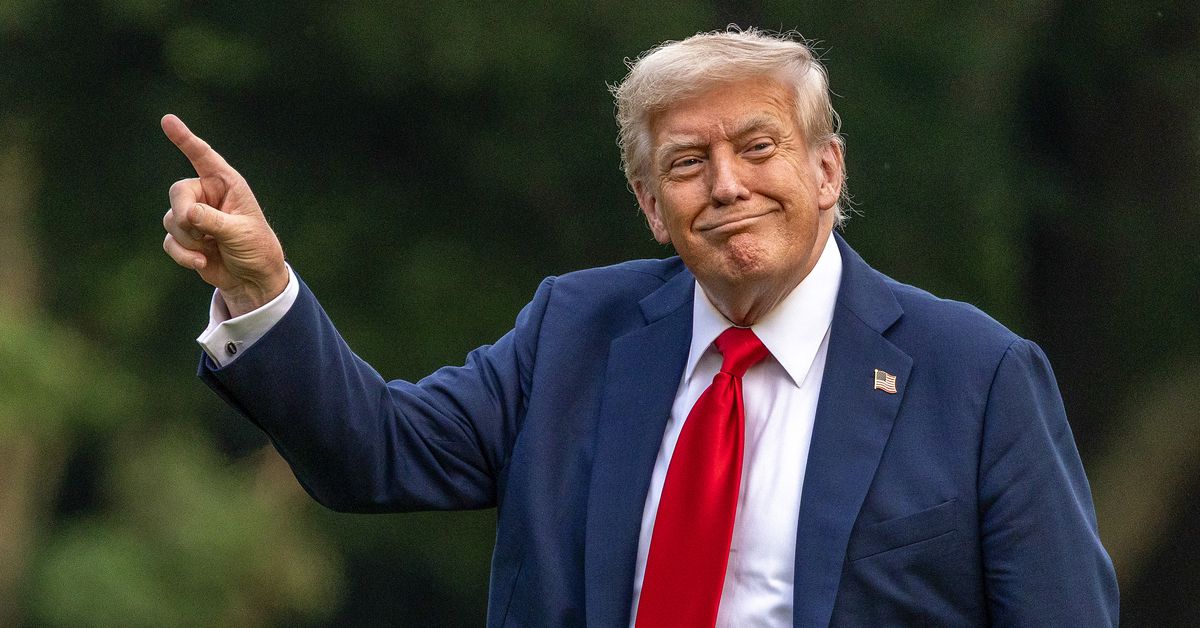
President Trump is reportedly working on an executive order to limit NIL earnings for college athletes, potentially establishing caps and restrictions to favor power conference schools and curb the current NIL boom, which has shifted recruiting dynamics and raised concerns among traditional powerhouses.
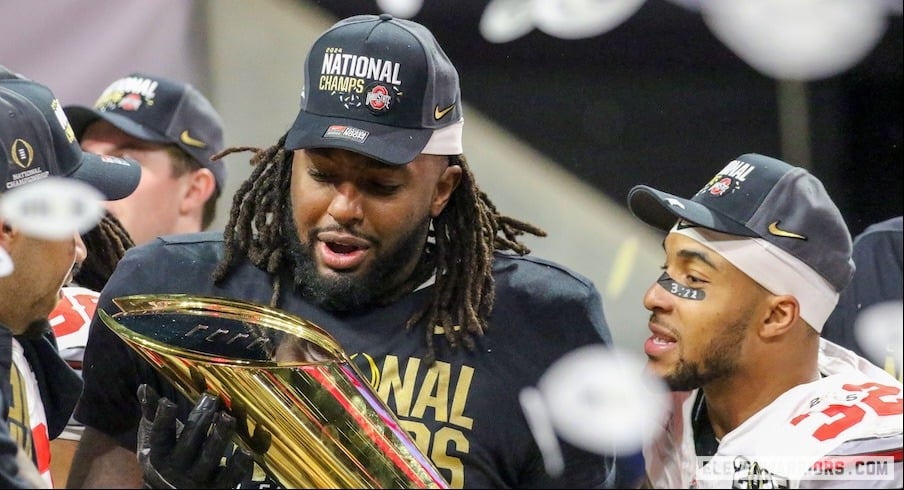
Ohio State's men's sports teams were recognized as the best in the country for 2024-25, winning the CapitalOne Cup based on top-10 finishes in seven sports, including a national championship in football, and earning $250,000 in scholarship funding. This marks their second win in this award, highlighting their overall excellence across multiple sports.
Louisiana Tech University has accepted an invitation to join the Sun Belt Conference by July 2027, aiming to enhance regional rivalries, student-athlete experience, and athletic success, with the move supported by university leadership and the conference.
Louisiana Tech University is joining the Sun Belt Conference by July 1, 2027, reuniting regional rivalries and enhancing competition across multiple sports, with the move supported by university and conference leaders to benefit student-athletes and fans.
Pro sports unions oppose granting the NCAA an antitrust exemption, arguing it would enable collusion and unfair treatment of college athletes, and urge Congress to require the NCAA to address athlete compensation and rights without special legal protections.
Oklahoma athletic director Joe Castiglione, who has served since 1998 and overseen numerous championships and coaching hires, plans to retire during the upcoming school year but will remain involved as athletic director emeritus, as the school prepares for a new era of revenue sharing in college athletics.
NDSU has officially embraced paying college athletes, marking the end of the era of amateurism, as part of a broader evolution in college sports, with the university participating in the NCAA settlement allowing direct athlete compensation.