The bankruptcy of First Brands Group, a major auto parts manufacturer with $6.1 billion in debt, highlights the risks of complacency in late-stage bull markets and raises concerns about financial transparency and potential fraud, with broader implications for market stability.
Patrick James resigned as CEO of First Brands Group following its bankruptcy, leaving restructuring expert Charles Moore to manage the complex financial issues, including allegations of asset commingling and off-balance sheet financing, as the company seeks to stabilize and sell its assets.
First Brands, a maker of auto parts, filed for bankruptcy amid concerns over opaque off-balance sheet financing and a potential multi-billion dollar debt crisis, raising fears of wider financial instability due to risky private debt practices and lack of transparency, reminiscent of past financial crises.
First Brands, an auto-parts supplier, collapsed with over $10 billion in liabilities, exposing risky private financing practices and opaque corporate operations involving major Wall Street firms like Jefferies and UBS, leading to significant financial losses and calls for independent investigation into vanished funds and questionable management.
A creditor of First Brands has requested a court to appoint an independent examiner, claiming that up to $2.3 billion has vanished from the company's finances amid bankruptcy proceedings, raising concerns about financial irregularities and the company's investigative rigor.
A fund managed by Jefferies Financial Group has a $715 million exposure to First Brands' trade receivables, which has gone bankrupt, revealing significant risks in trade finance investments and highlighting the sector's recent instability and potential for fraud.
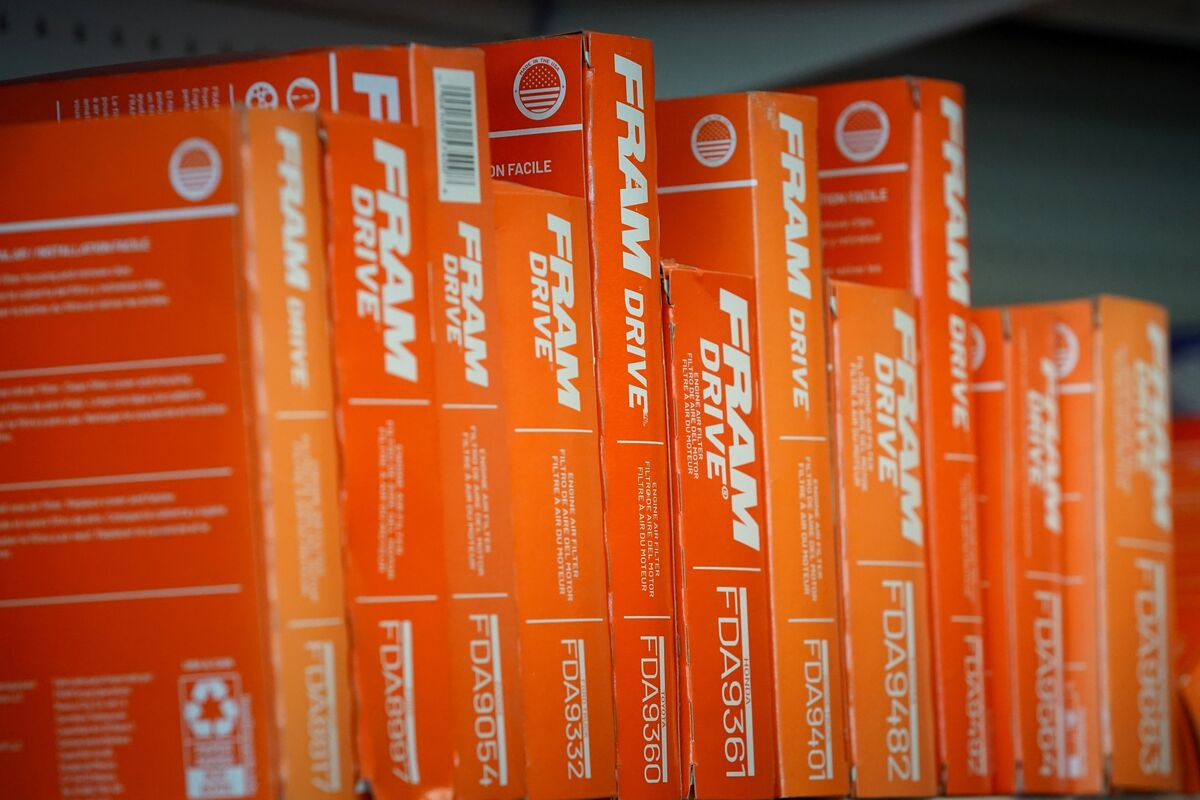
First Brands Group, owner of brands like Fram and Raybestos, has filed for Chapter 11 bankruptcy, which could reduce the availability and increase the cost of aftermarket auto parts, though the company continues to operate and supply parts not directly to automakers. The bankruptcy stems from financial struggles exacerbated by global economic factors and tariffs, highlighting potential disruptions in auto parts supply chains.
The auto parts retail landscape is shifting as over 700 Advance Auto Parts stores are set to close, highlighting the challenges faced by brick-and-mortar stores in the online era. While DIY customers contribute to sales, the bulk of revenue comes from selling to repair shops and fleets. The industry is highly competitive with thin margins, and online retailers add pressure. Successful stores focus on inventory, quick delivery, and customer service to compete. Advance Auto Parts' acquisition of CarQuest aimed to boost wholesale sales but may have strained their finances.
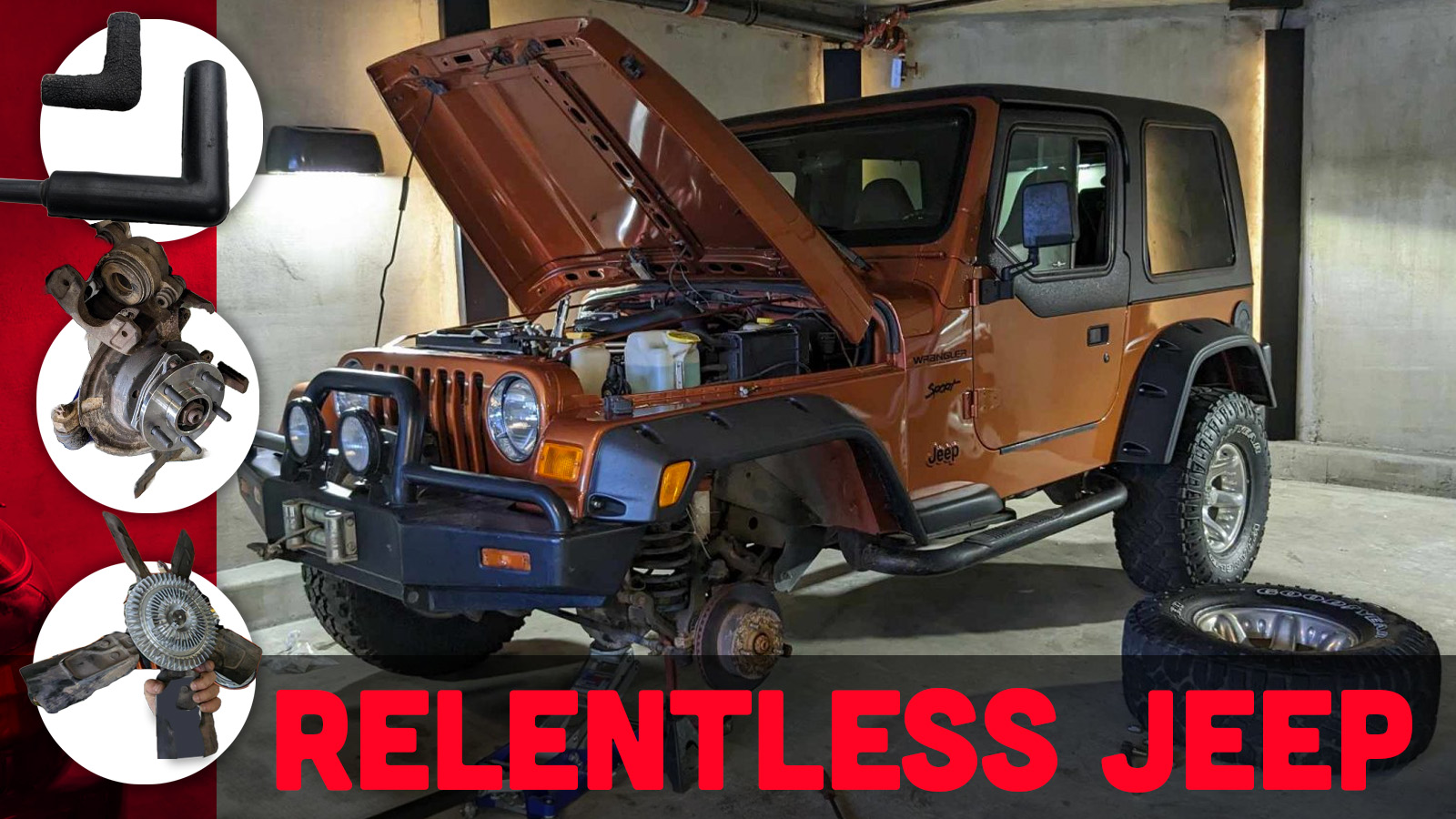
The editor-in-chief of The Autopian volunteered to fix a misfiring 1999 Jeep Wrangler for Matt Farah's client, but it turned out to be a 2002 model with a bad EVAP system. The repair job became more complicated as he discovered a disconnected shock, a broken bolt, a bad wheel bearing, and a seized fan clutch. He replaced the shock, bolt, wheel bearings, brake pads, rotors, idler pulley, and fan clutch, and bled the brake system. He also found that the tires were dangerous and needed to be replaced. The Jeep is now mechanically sound and ready for new tires.
A bipartisan group of US lawmakers will meet with the CEOs of Ford and General Motors to urge them to reduce their reliance on Chinese auto parts, particularly electric vehicle batteries. The lawmakers will also meet with executives from auto suppliers including BorgWarner, Continental, Bosch, Tenneco, and battery startup Our Next Energy. The focus on Chinese auto parts comes after US Secretary of State Antony Blinken's visit to Beijing failed to produce any major breakthroughs. The $430 billion Inflation Reduction Act signed by President Joe Biden aims to wean US EV production from Chinese supply chains by imposing new conditions on EV tax credits.
Auto-parts manufacturer, ARC Automotive, is rejecting a demand from federal regulators to recall 67 million air-bag inflators that have been linked to exploding incidents that have killed two people and injured others. The National Highway Traffic Safety Administration has tentatively concluded that the inflators contain a "safety-related defect" and should be recalled, setting up a potential legal battle that would have wide-ranging ramifications for the industry.
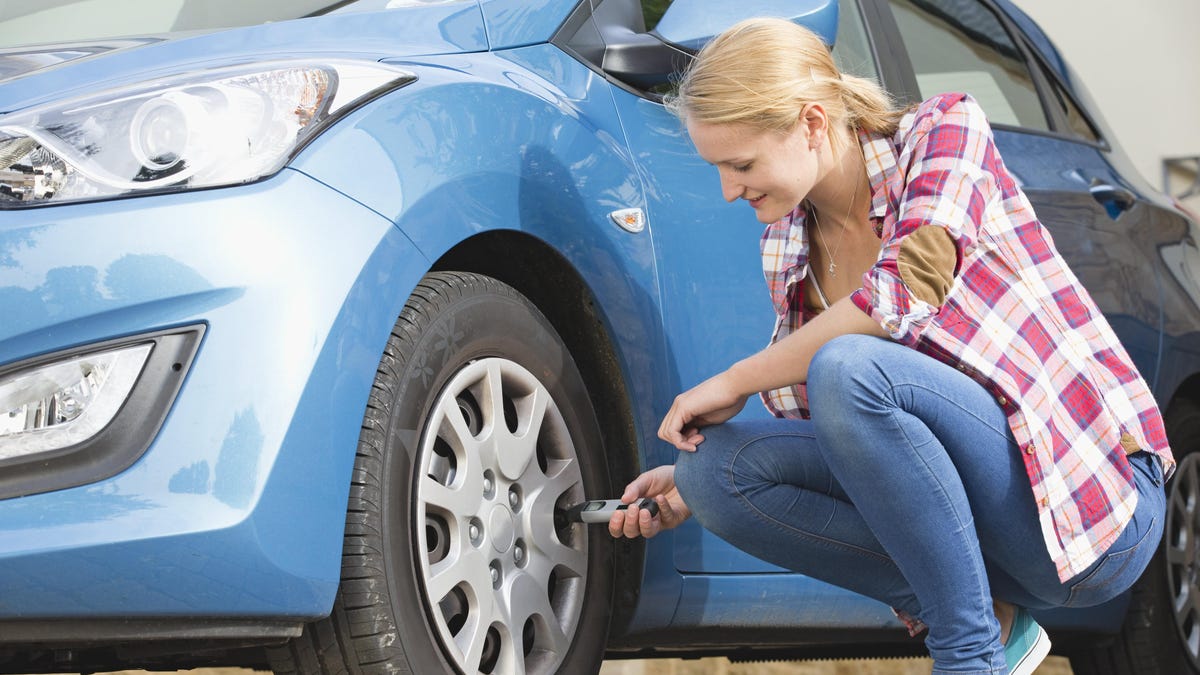
Basic car maintenance and repairs are surprisingly easy for anyone to tackle. You can use your car's manual to locate parts and learn how to perform maintenance tasks. Auto parts stores are invaluable and staff can lend you tools to accomplish repairs. You can handle tasks such as changing headlights and taillights, checking tire pressure, replacing wiper blades, checking oil level, jumpstarting a dead battery, refilling windshield washer fluid, and checking your engine's air filter. Reading your car's manual can teach you a lot and save you money.