Physicists are advancing research into neutrinos, the universe's most abundant particles with mass, to answer fundamental questions about the universe's origins. A new paper outlines the next decade of global neutrino research, including the search for a potential fourth 'sterile' neutrino. Major projects like the Deep Underground Neutrino Experiment (DUNE) in the U.S. and Hyper-Kamiokande in Japan aim to explore neutrino behavior and anomalies, potentially explaining why matter dominates over antimatter. These efforts involve extensive international collaboration and significant investment.
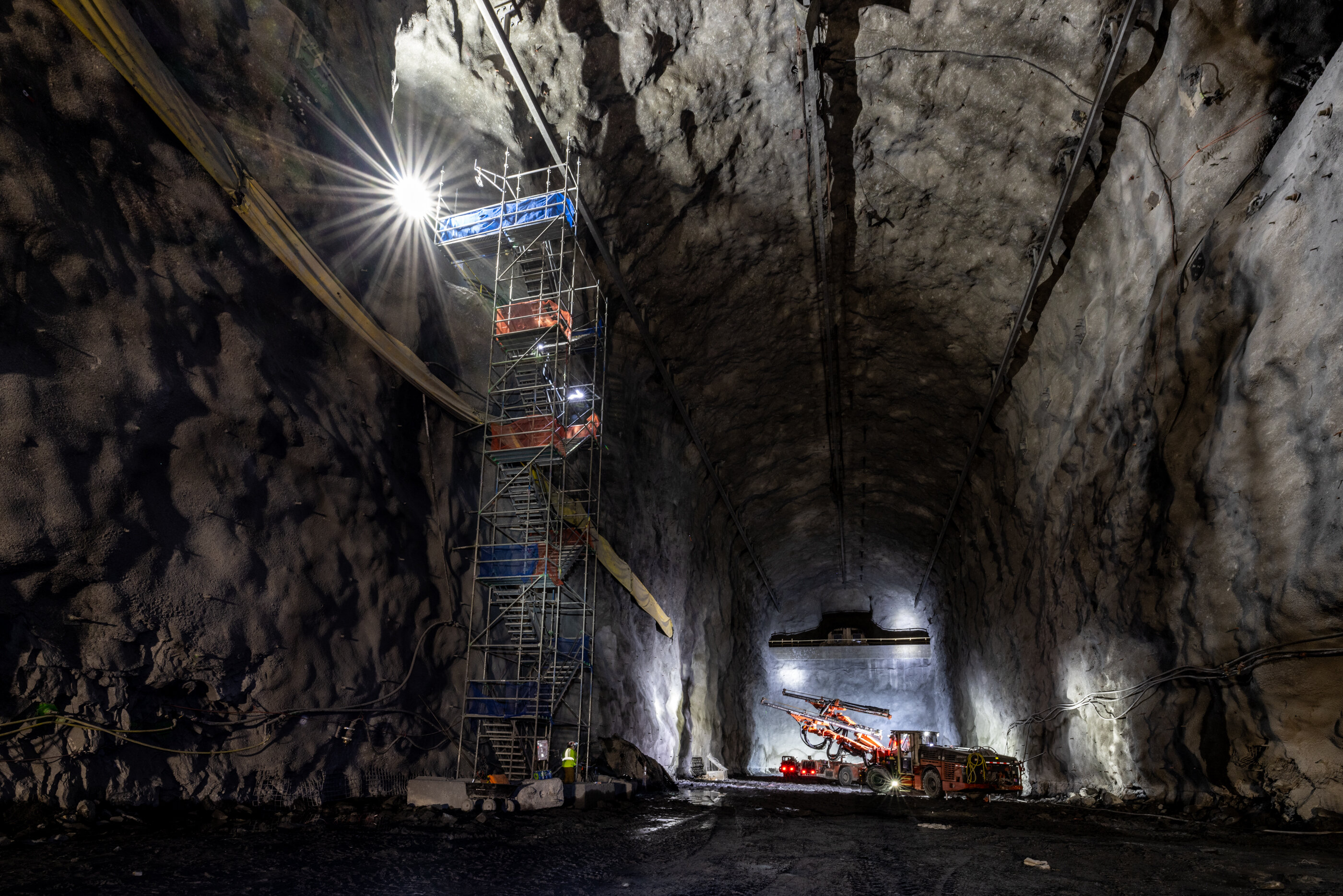
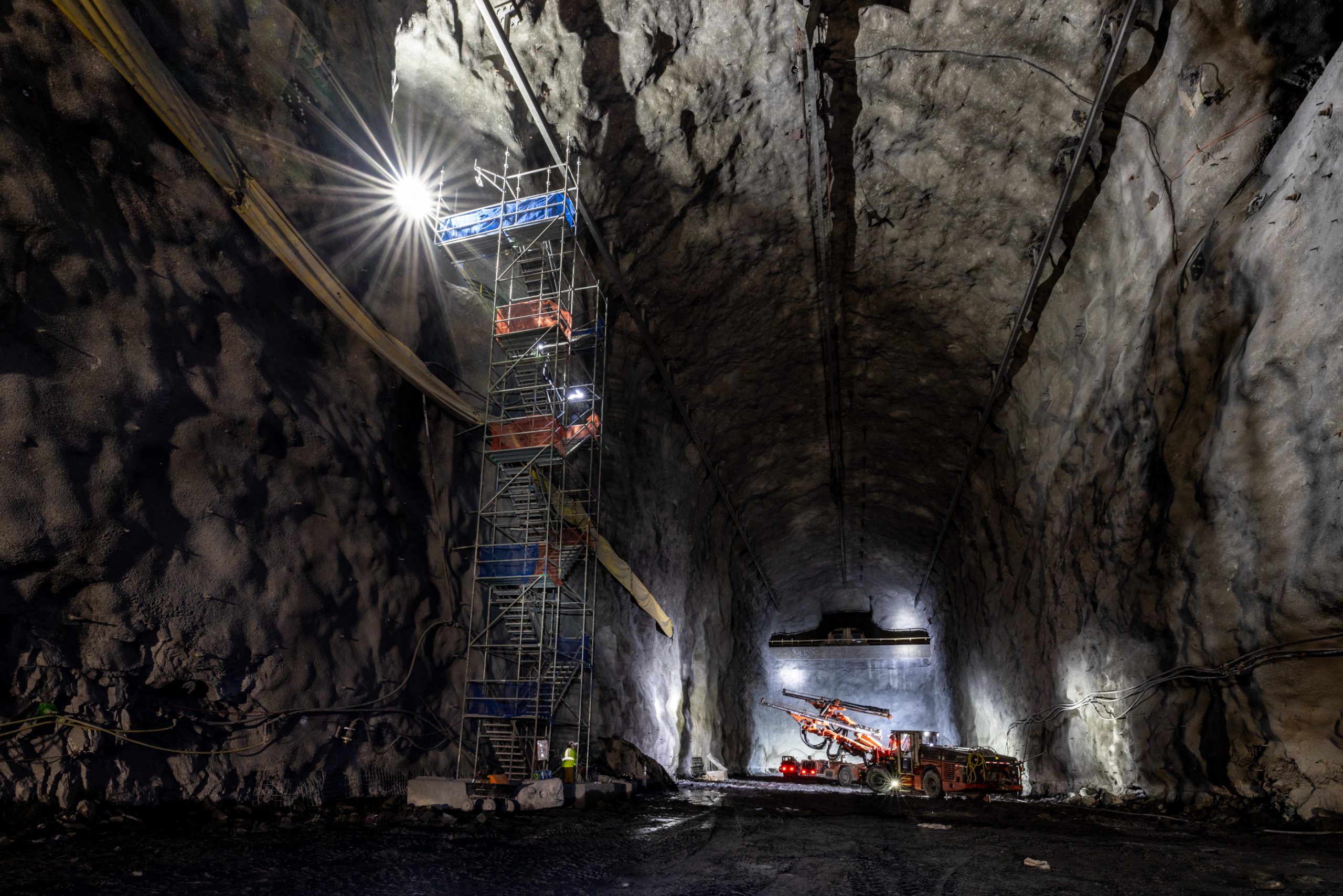
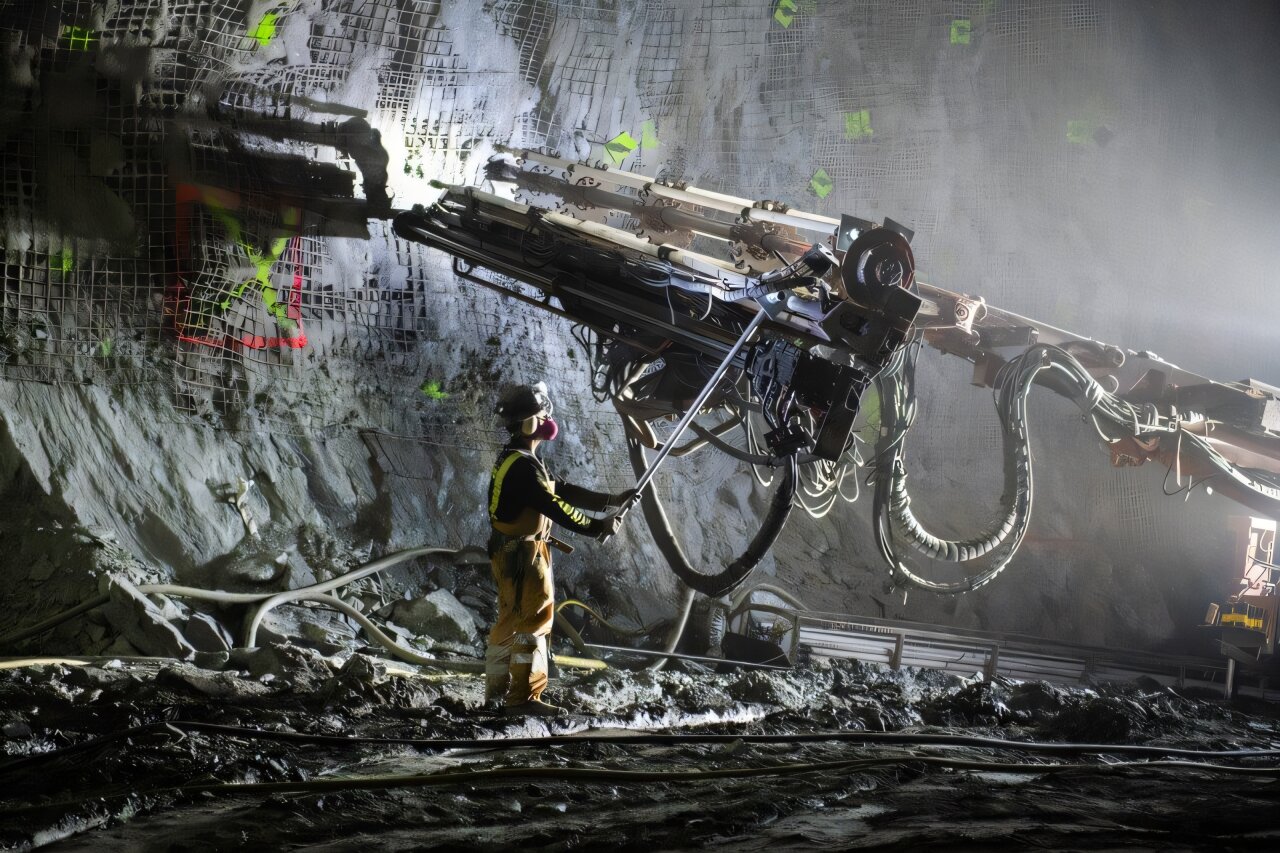
Excavation of colossal caverns for Fermilab's DUNE experiment, located a mile below the surface, has been completed, providing space for four large neutrino detectors. The detectors, each about the size of a seven-story building, will study the behavior of neutrinos, with the goal of answering fundamental questions about the universe. The completion of the caverns marks a significant achievement for the project, and installation of the detectors is set to begin later this year, with the first detector expected to be operational before the end of 2028.
Excavation of three colossal caverns a mile below the surface for Fermilab’s DUNE experiment, which aims to study neutrinos and solve mysteries of the universe, has been completed. The caverns will house gigantic particle detectors and provide space for four large neutrino detectors, each about the size of a seven-story building. The project, involving over 1,400 scientists and engineers from 36 countries, is a significant step closer to making the world-class underground facility a reality, with the goal of having the first detector operational before the end of 2028.